
For millions of educators across the United States, the school day is an endurance test measured not just in lesson plans and standardized testing metrics, but in raw mileage. Recent educational logistics data indicates that a typical K-12 teacher logs between 3 and 5 miles of walking and standing per shift, navigating crowded hallways, concrete-paved recess yards, and multi-level buildings. Yet, for decades, professional dress codes have mandated footwear—such as rigid heels, unyielding loafers, and narrow flats—that experts in podiatry warn are utterly antithetical to biomechanical health.

As educators increasingly demand relief from chronic ailments like plantar fasciitis, lower back pain, and joint fatigue, a quiet revolution is underway in school districts nationwide. Teachers are trading out legacy corporate footwear for ergonomically engineered alternatives that bridge the gap between strict institutional dress codes and athletic-grade comfort.
Chronology of a Classroom Shift: How the Teacher Sneaker Trend Evolved
The transformation of teacher footwear did not happen overnight. It represents a cultural shift spanning several years, accelerated by post-pandemic shifts in workplace comfort norms.
- Pre-2020: The traditional professional standard for teachers heavily favored hard-soled leather loafers, traditional ballet flats with zero arch support, and low heels. Comfort was largely sacrificed in the name of looking "professional" or adhering to unwritten administrative dress codes.
- 2020–2022 (The Hybrid Era): As schools reopened following pandemic-related disruptions, teachers returned to classrooms dealing with heightened operational stressors. Footwear preferences began to shift rapidly toward casual comfort, with many educators pushing back against foot pain by introducing cushioned lifestyle sneakers into their weekly rotation.
- 2023–2024 (The Ergonomic Boom): Brands began taking notice of the "teacher demographic" as a primary market force. Review platforms and social media channels exploded with educator-vouched footwear recommendations, prioritizing arch support, wide toe boxes, and washable materials capable of withstanding the chaotic environments of modern classrooms.
- Present Day: Today, the market features dedicated niches of footwear specifically championed by educators, ranging from slip-on recovery shoes and orthopedic-grade walking shoes to disguised comfort heels and supportive clogs.
Supporting Data: The Physical Toll of Teaching
Teaching is frequently compared to nursing or retail work in terms of its physical demands, yet it carries unique operational hazards. According to ergonomic assessments in educational settings:

- Daily Mileage: Educators average between 6,000 and 10,000 steps during a standard instructional day.
- Hard Surfaces: Most school floors consist of commercial tile laid directly over concrete, offering zero shock absorption and exacerbating impact shock on the knees, hips, and lower back.
- The Demographics of Pain: A significant percentage of educators under the age of 30 report experiencing chronic foot and heel pain directly attributable to standing on hard surfaces for blocks of 4 to 6 hours without a seated break.
The Top Educator-Approved Footwear Solutions
Based on thousands of verified educator reviews and ergonomic assessments, a curated list of top-performing footwear has emerged to address these exact workplace challenges.

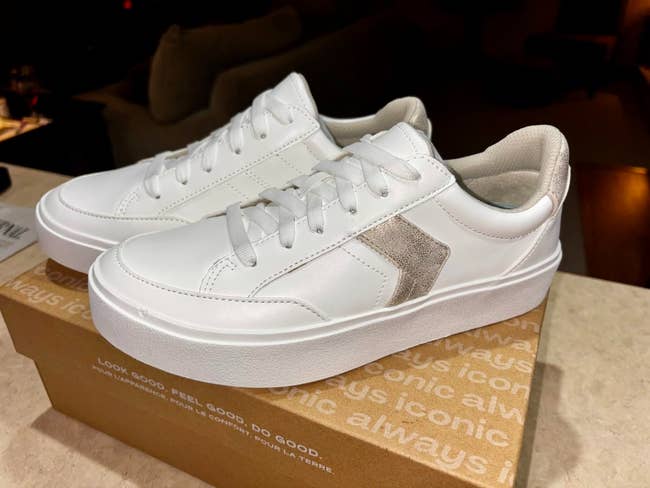
1. The Ultimate All-Rounders: Supportive White Sneakers
For educators rushing around a classroom at top speed, plain white sneakers offer the ultimate pair-with-anything versatility, minus any sort of foot discomfort or pain.

- Top Pick: Clean white leather-style sneakers with textured side details.
- Review Highlights: Teachers note they can wear these every day with zero foot pain, pairing them seamlessly with everything from slacks to dresses. Available in sizes 5–13, including wide fits, starting at $54.99.
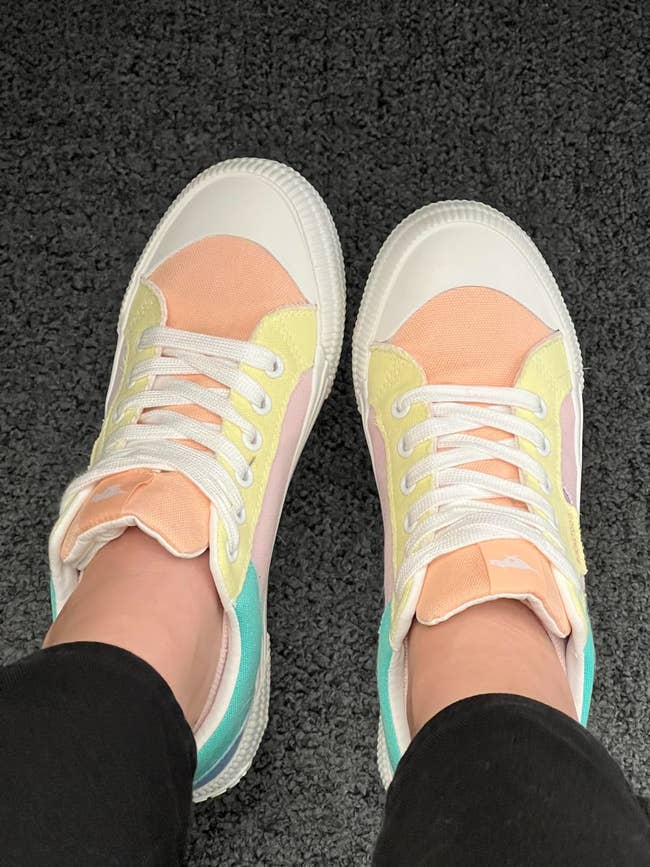
2. Whimsical Support: Colorblock Sneakers
For elementary, art, and English teachers looking to inject a little playful energy into their outfits, colorblock sneakers deliver.

- Top Pick: Rocket Dog colorblock casual sneakers.
- Review Highlights: Reviewers praise the heavy padding, great arch support, and flexibility for wider feet, all at an accessible price point starting at $28.06.
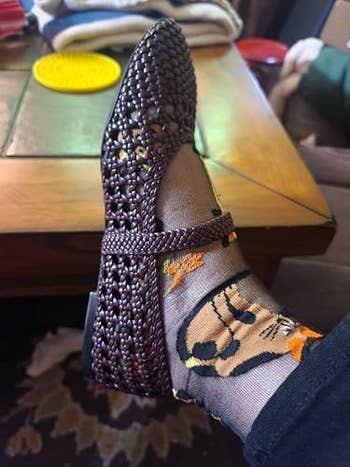
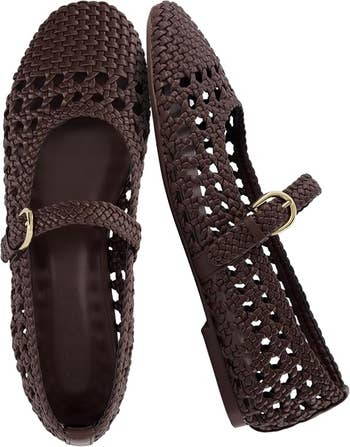
3. The "Angelina Ballerina" Flat
If you are constantly dragging your feet in exhaustion, a sweet, whimsical ankle-strap flat can put a little more pep in your step without sacrificing security.
- Top Pick: Classic ankle-strap flats.
- Review Highlights: Educators report teaching all day in these without experiencing the end-of-day agony typically associated with traditional flats. Available for $24.99.
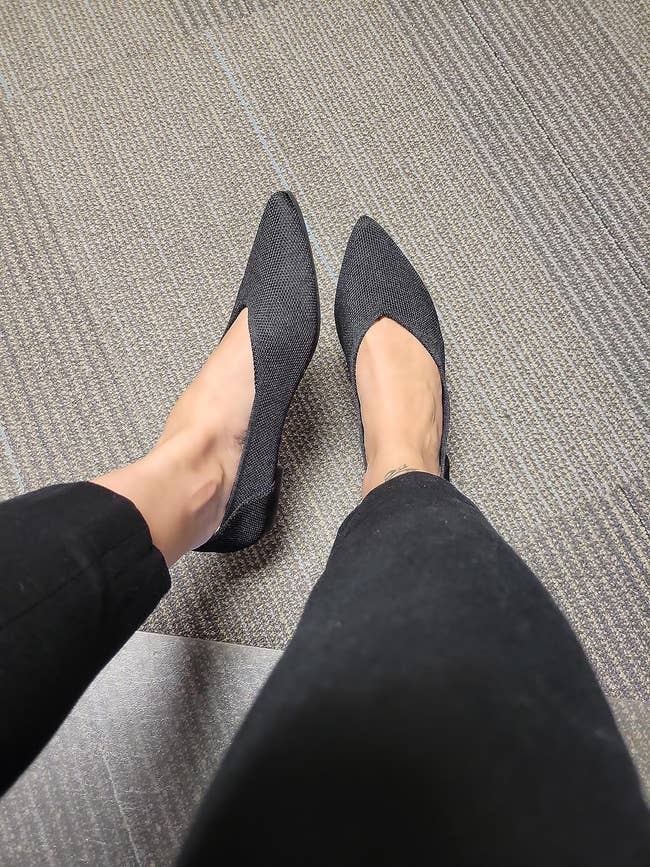
4. The Washable Wonder: Slip-On Sneakers
Classrooms are high-risk zones for germs, liquid spills, and craft supplies.

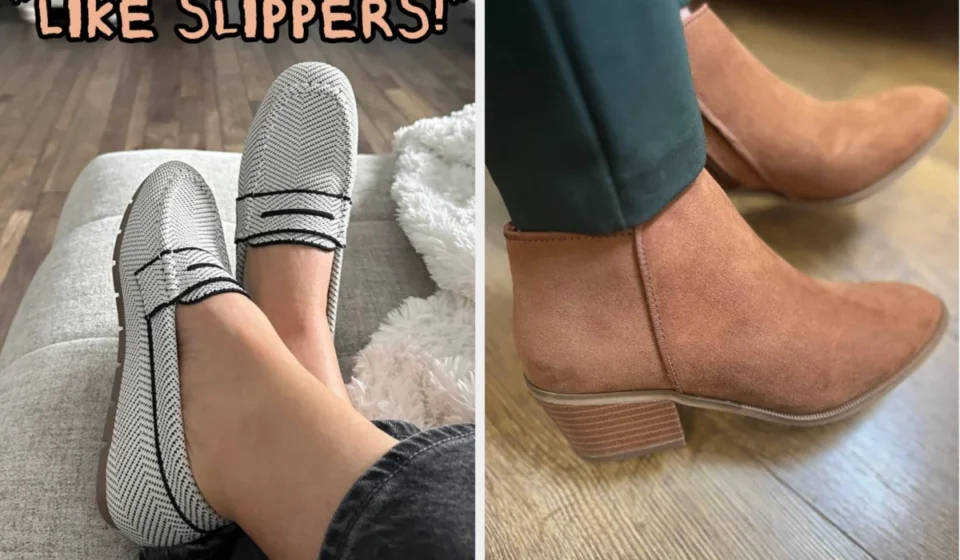
- Top Pick: Rothy’s original slip-on sneakers.
- Review Highlights: Fan-favorites primarily for their machine-washability and sustainable knit construction, offering a dressier silhouette with all-day comfort. Available for $125.
5. Professional Stability: Platform Oxfords
When schools enforce strict "no sneakers" policies, platform oxfords add jaunty fun while providing high stability and cushioning over long walking shifts.
- Top Pick: Lug-sole platform oxfords.
- Review Highlights: Special education teachers walking up to four miles a day report that these hold up exceptionally well to strenuous activity and pivoting. Available starting at $31.99.
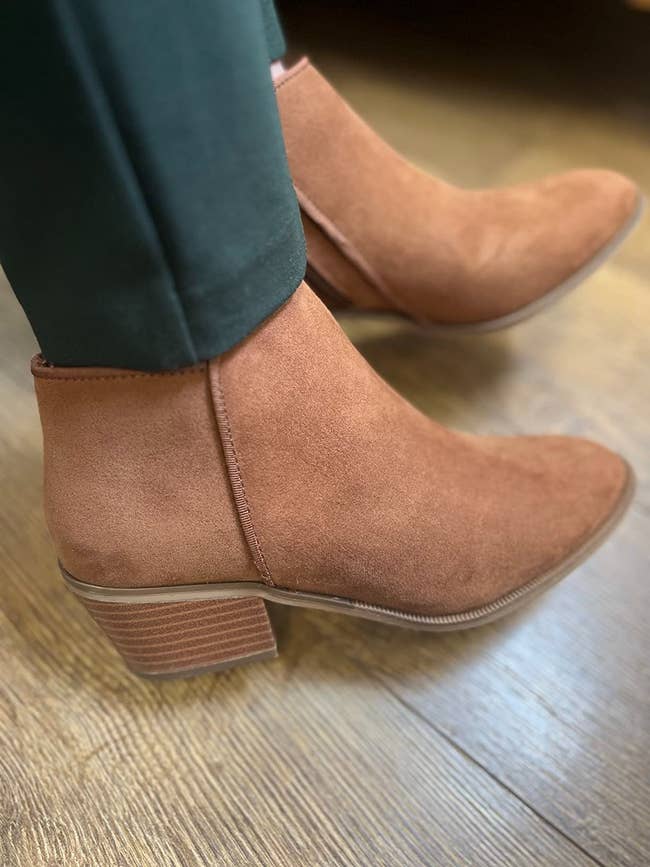
6. Cold-Weather Support: Minimal-Heel Ankle Boots
When autumn and winter arrive, educators look for full-coverage footwear with minimal heels to protect their backs.
- Top Pick: Suede block-heel ankle booties.
- Review Highlights: Vouched by teachers who are constantly on their feet as the best short boots for avoiding achy backs. Available for $32.20.
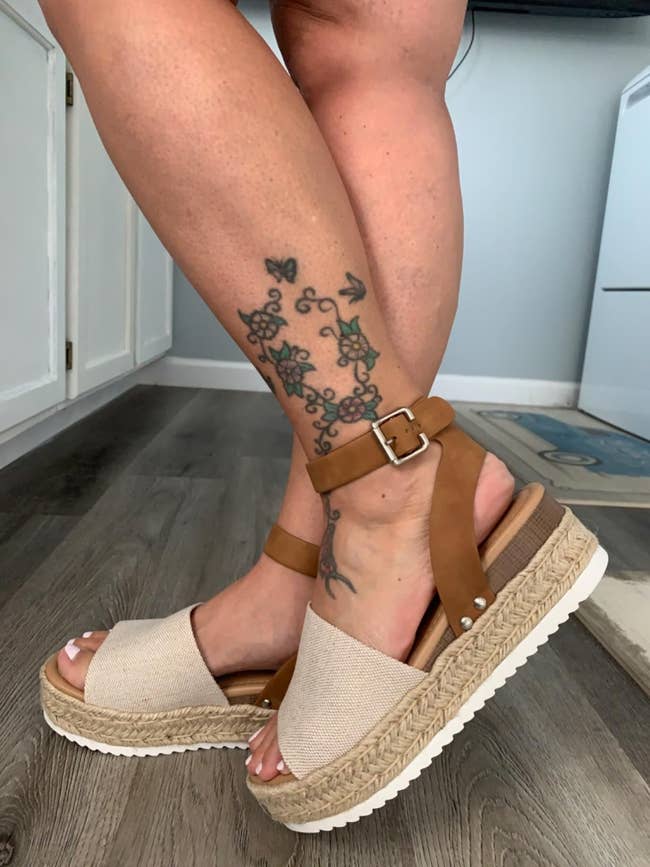
7. Elevated Lift: Cork-Soled Wedge Sandals
For warmer months, cork-soled wedges provide a bit of height without straining the foot, thanks to secure back straps.
- Top Pick: Crisscross platform wedge sandals.
- Review Highlights: Featuring padded footbeds, these keep teachers comfortable through full school days without feeling clunky. Available starting at $65.69.
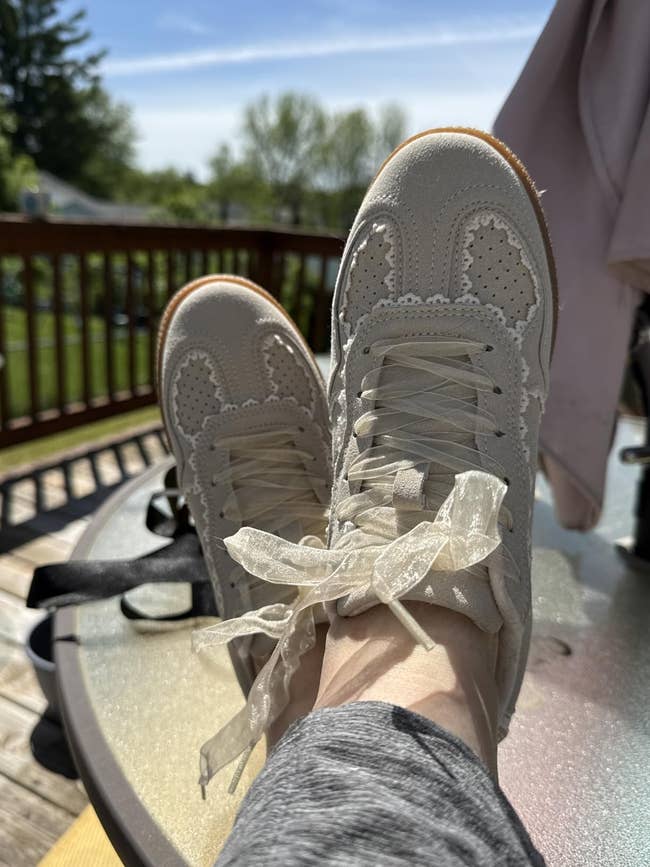
8. Statement Style: Lacey Ribbon Sneakers
For those wanting a dressed-up sneaker aesthetic with zero physical effort.
- Top Pick: Ribbon-laced casual sneakers.
- Review Highlights: True-to-size options that combine sweet style with all-day wearability for $44.99.
9. Breathable Freedom: Espadrille Wedges
When long days require maximum ventilation, secure espadrilles offer breathable relief.
- Top Pick: Ankle-strap espadrille wedges.
- Review Highlights: High school teachers call these a "hidden gem" for enduring long hours on hard floors. Available starting at $19.99.
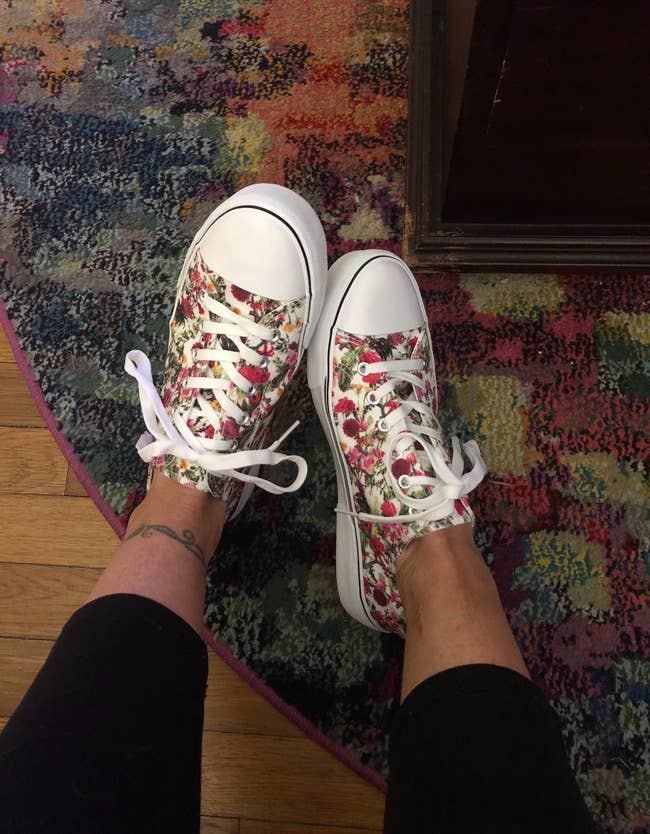
10. Playful Prints: Floral Sneakers
For top-tier "Miss Frizzle" energy that holds up to preschool chaos.
- Top Pick: Floral-print canvas sneakers.
- Review Highlights: Preschool teachers and active moms praise their durability and comfort under heavy daily wear. Available starting at $19.79.
Official Responses and Administrative Implications
As the demand for ergonomic workplace accommodations grows, school administrators are facing mounting pressure to modernize professional dress codes. While historical guidelines often enforced strict leather-and-heel mandates to project authority and tradition, human resources departments are increasingly recognizing the link between physical comfort, teacher retention, and reduced sick leave claims.

Education unions and wellness committees have begun incorporating ergonomic footwear guidelines into district wellness initiatives. By acknowledging that educators cannot perform at their highest pedagogical capacity while managing preventable musculoskeletal pain, progressive school districts are quietly rewriting dress code enforcement to favor supportive, clean-lined footwear—including fashion-forward sneakers, structured loafers, and cushioned mules.

Conclusion: Walking Into the Future of Education
The modern educator’s wardrobe is no longer defined by silent suffering in pursuit of professional aesthetics. Thanks to advancements in comfort technology, accessible orthopedic engineering, and a cultural shift toward holistic workplace wellness, teachers no longer have to choose between looking professional and protecting their physical health. Whether through washable knit slip-ons, supportive platform oxfords, or ultra-cushioned walking shoes, the modern classroom is finally putting its best foot forward.
Related posts: