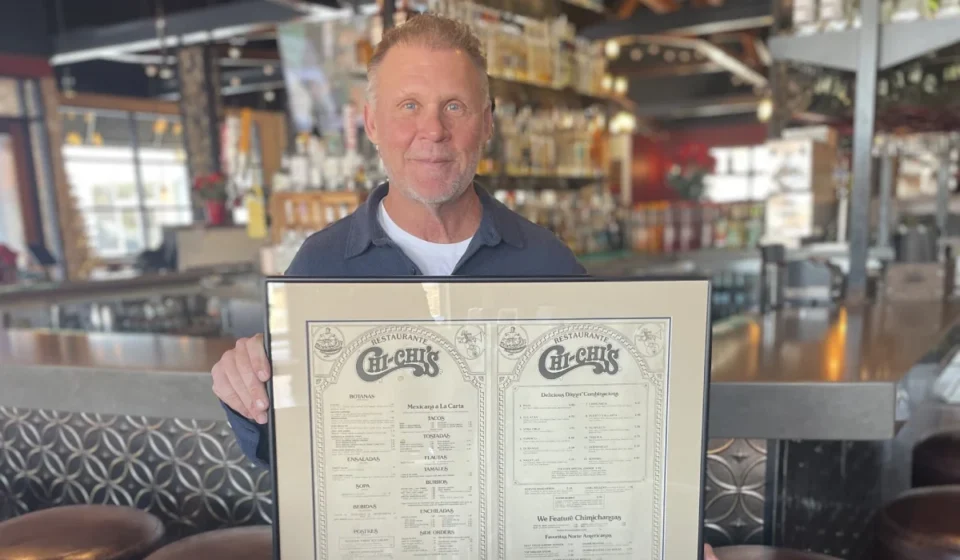

For a generation of diners who came of age in the 1980s and 90s, the mere mention of “Chi-Chi’s” evokes a specific sensory memory: the bottomless bowls of chips and salsa, the festive, plant-filled dining rooms, and the indulgence of a crispy, golden-fried chimichanga. After a 20-year hiatus following a high-profile bankruptcy, the iconic Mexican brand has returned to the culinary landscape. But this is not merely a nostalgia trip. Under the leadership of CEO Michael McDermott—the son of the brand’s co-founder—Chi-Chi’s is navigating the complex challenge of balancing the weight of its storied past with the demands of the modern, value-conscious consumer.
The Evolution of an Icon: A Historical Chronology
The story of Chi-Chi’s is one of meteoric rise, painful decline, and a carefully calculated second act.
- 1975: Marno McDermott and former Green Bay Packers star Max McGee founded Chi-Chi’s. The concept was revolutionary for its time, bringing approachable, Americanized Mexican fare to a national audience.
- 1979: The company went public, fueling a period of aggressive expansion.
- 1980s–1990s: At its zenith, Chi-Chi’s operated more than 200 locations across the United States. It became a cultural touchstone for suburban dining.
- 2003–2004: Following a combination of financial difficulties and changing market dynamics, the brand filed for bankruptcy. By 2004, the final restaurant doors were shuttered, leaving a vacuum in the hearts of its loyal customer base.
- October 6, 2023: After two decades of dormancy, Michael McDermott successfully relaunched the brand with a flagship location in St. Louis Park, Minnesota, signaling the start of a modern, deliberate comeback.
- October 2024: The brand celebrates its one-year anniversary, marked by the introduction of a new lunch menu and the announcement of potential national expansion plans.
The Architect of the Reboot: Why Now?
For Michael McDermott, the resurgence of Chi-Chi’s is deeply personal. Having grown up around the business, he understands the brand’s DNA better than anyone. However, the path to the relaunch was not a lifelong plan, but rather a moment of clarity.
“I believe in divine timing,” McDermott explains. “I’ve been creating restaurant concepts for more than 25 years and bringing Chi-Chi’s back was never on my radar. A couple of years ago, I was considering transforming one of the concepts we owned because I felt it had run its course. I had a few ideas, but nothing seemed quite right. Then one morning during meditation, the thought came to me: bring Chi-Chi’s back.”
This wasn’t just a business decision; it was a tribute. “I was around the company when I was nine or ten years old,” he recalls. “While I don’t remember every detail, I certainly remember the chips and salsa. More importantly, I understand the responsibility that comes with continuing what my father started. Bringing Chi-Chi’s back felt like the right opportunity to honor my family while introducing the brand to a new generation.”
Balancing Nostalgia with Modern Relevance
One of the most significant challenges for any heritage brand is avoiding the trap of becoming a “museum” restaurant. To survive in today’s hyper-competitive dining environment, Chi-Chi’s must appeal to both the sentimental diner and the Gen Z guest who has never experienced the original.
The Design Philosophy
The new Chi-Chi’s locations pay homage to the past through familiar design cues—warm lighting, iconic hanging plants, and distinct Mexican tile work—but these elements are filtered through a contemporary lens. The goal is to provide a clean, modern atmosphere that feels comfortable and relevant to today’s diners.
The Menu: A Two-Track Strategy
McDermott has implemented a menu strategy that satisfies the cravings for the past while embracing modern culinary trends:
- The Heritage Collection: Items like the signature Chimichanga, Mexican Pizza, Corn Cake, and the Twice-Grilled BBQ Burrito remain the pillars of the menu.
- The Contemporary Shift: To stay relevant, the kitchen has introduced trending items such as birria and short rib tacos. This evolution reflects an understanding that while guests want the brand they know, they also demand the high-quality, authentic flavors that have become standard in the current Mexican-American dining scene.
Supporting Data: The "Value-Engineered" Approach
As the brand approached its first anniversary, the data from customer feedback cycles became clear: diners were looking for smaller portions and more accessible price points for their lunch breaks.
In response, the brand rolled out a $10 to $15 lunch lineup. A standout example of this "value-engineering" is the Mini-Chimi. By reducing the tortilla size from 10 inches to 8 inches, the team was able to provide a satisfying, well-portioned meal while significantly lowering the price point from the $17 dinner portion to a $14 lunch offering. This agility—the ability to listen to guest feedback and adjust operational strategy—is a critical component of the brand’s success in its first year.
Official Responses and Strategic Milestone
To commemorate the one-year anniversary of the St. Louis Park reopening, the brand executed a clever marketing maneuver: a "price rollback" to 1976 levels. For one day, guests were treated to $3.25 chimichangas and $1.25 house margaritas.
This move served two purposes: it created a massive surge in foot traffic and PR buzz, and it reinforced the brand’s identity as a value-driven, guest-focused entity. According to McDermott, the day was not just about the numbers; it was about honoring the history of the brand and the loyalty of the fans who have waited 20 years for a seat at the table.
Future Implications: The Road to National Expansion
Looking ahead, the question on the minds of industry analysts is: Can Chi-Chi’s scale?
McDermott is proceeding with calculated caution. While he confirmed that there is significant interest from developers across the Midwest and the East Coast, he is intentionally holding off on immediate franchising.
The "Corporate-First" Model
The current strategy involves opening a handful of strategic corporate-owned stores to refine the model. By controlling the operations of these new units, the company can stress-test its supply chain, training programs, and unit economics. “We’re focused on securing the financing needed to support our growth plans,” McDermott explains. “Once that is in place, we’ll begin making longer-term commitments.”
The Path Forward
The implications of a successful Chi-Chi’s rollout are significant for the casual dining sector. If a legacy brand can successfully reboot by honoring its core identity while modernizing its service model and pricing, it sets a blueprint for other dormant chains.
The success of the brand moving forward rests on three pillars:
- Operational Excellence: Ensuring that the quality of the "scratch-made" food remains consistent across new locations.
- Genuine Hospitality: Cultivating an environment that feels welcoming and authentic, rather than transactional.
- Financial Discipline: Expanding at a rate that allows for quality control, rather than prioritizing rapid, unsustainable growth.
As Chi-Chi’s moves into its second year, it stands as a testament to the power of a brand’s equity. Michael McDermott’s mission is clear: he is not just reviving a restaurant; he is stewarding a legacy. By bridging the gap between the nostalgia of the 1970s and the dining expectations of the 2020s, Chi-Chi’s is positioned to carve out a permanent, refreshed space in the American culinary landscape.
“My goal is to build on the foundation my father created, honor my family’s legacy, and introduce Chi-Chi’s to communities across the country,” says McDermott. “If we remain focused on quality, hospitality, and the values that made the brand special in the first place, I believe we can create a meaningful future for Chi-Chi’s.”
Related posts: