A Love Letter to Hong Kong: Joyce Wang Studio Unveils the Reimagined Mandarin Oriental, The Landmark

More than a decade after first leaving an indelible mark on the hospitality landscape of Hong Kong, the acclaimed Joyce Wang Studio has returned to the Mandarin Oriental, The Landmark. This second major renovation—a comprehensive overhaul encompassing 109 rooms and suites, the majestic mansion foyer, the spa, and the reimagined space of the former MO Bar—marks a shift in philosophy. While the original redesign established the property as a paragon of modern luxury, this latest iteration seeks to ground the guest experience in the soul of the city itself.
The Evolution of an Icon: Main Facts
The Mandarin Oriental, The Landmark has long stood as a jewel in the crown of Hong Kong’s luxury hotel scene. Situated in the heart of the Central district, the property serves as a bridge between the bustling commercial energy of the city and the serene exclusivity expected by its international clientele.
The recent renovation project, led by principal designer Joyce Wang, was not merely an aesthetic refresh; it was a structural and thematic recalibration. The scope of the work is expansive:
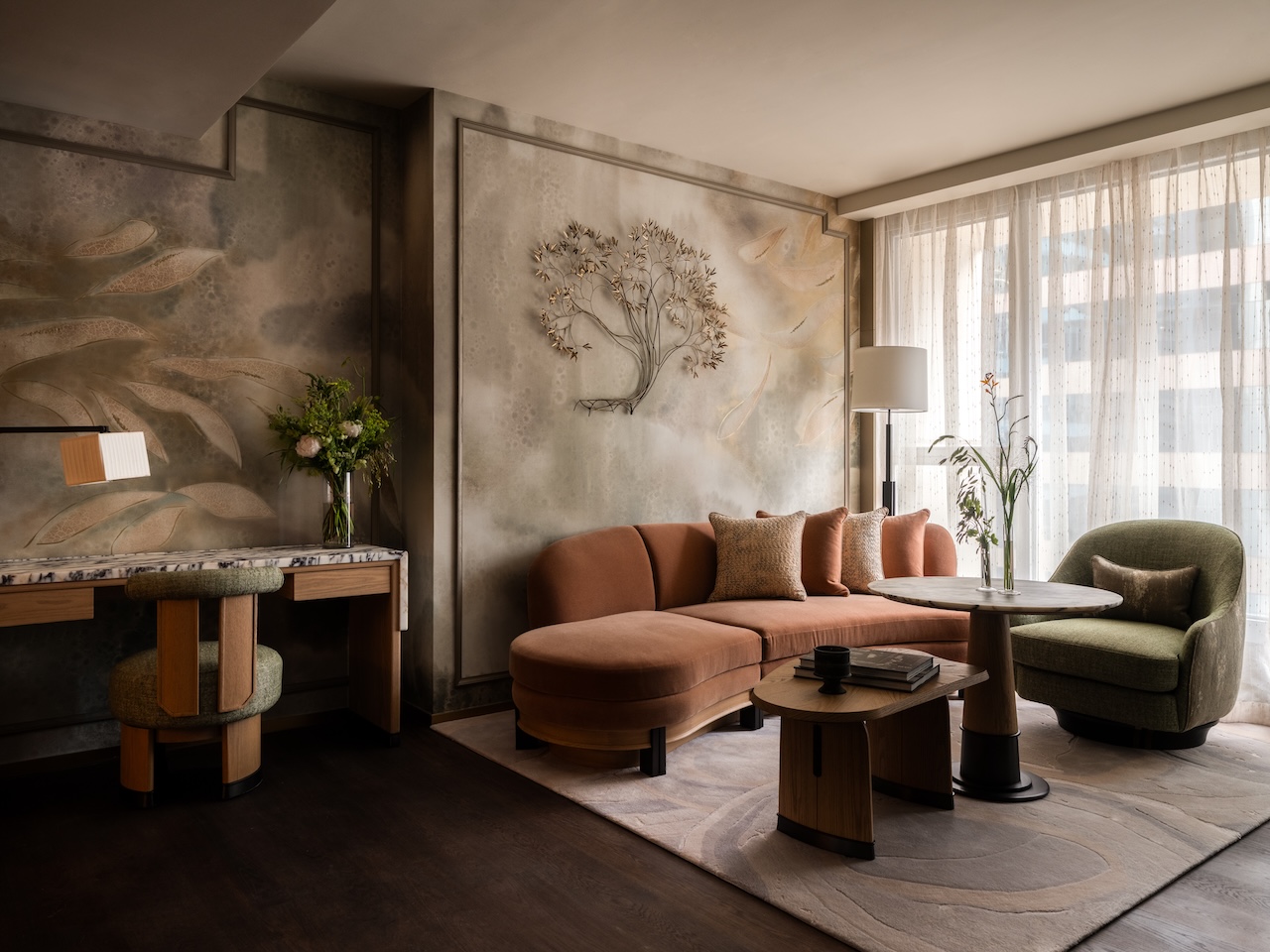
- Residential Transformation: All 109 rooms and suites have been redesigned to mimic the intimacy of a private estate.
- Arrival Experience: The mansion foyer, the arrival sequence, and the elevator lobbies have been re-sculpted to provide a narrative-driven transition from the street to the sanctuary of the hotel.
- Cultural Integration: The spa and social spaces, including the former MO Bar, have been overhauled to reflect a sophisticated, localized design language that prioritizes heritage over transient trends.
A Decadal Chronology: From Modernity to Heritage
To understand the significance of this renovation, one must look back at the trajectory of the studio’s relationship with the property.
The 2010s: The Era of Sleek Modernity
When Joyce Wang Studio first reimagined The Landmark over ten years ago, the design focus was on defining "contemporary luxury." At that time, the brief centered on clean lines, high-end materiality, and a cosmopolitan aesthetic that appealed to the global traveler. It was a project that elevated the hotel into the modern era, setting a high standard for hotel design across Asia.
The Intervening Years: A Maturing Vision
Over the last decade, Joyce Wang’s practice has evolved, gaining international acclaim for its ability to weave narrative and historical context into luxury environments. The studio’s portfolio—ranging from private residences to high-profile hospitality—began to emphasize "place-making."
2026: The New Synthesis
The current renovation represents a departure from the "global luxury" aesthetic of the past. The studio spent months researching the architectural history of Hong Kong, specifically focusing on the colonial era and the unique residential typologies that define the city’s past. By 2026, the vision was clear: to transform the hotel from a neutral luxury space into a "pied-à-terre" that feels deeply rooted in Hong Kong’s specific geography and cultural history.
Architectural and Design Narratives: Supporting Data
The design language of the new Landmark is defined by a rigorous commitment to storytelling. According to the studio, the primary inspiration stems from the "colonial country manors" once frequented by the influential Tai Kwun figures of a bygone era.
The Palette of the City
The color scheme serves as the primary bridge between the indoors and the surrounding environment. Green and orange serve as the anchor tones:
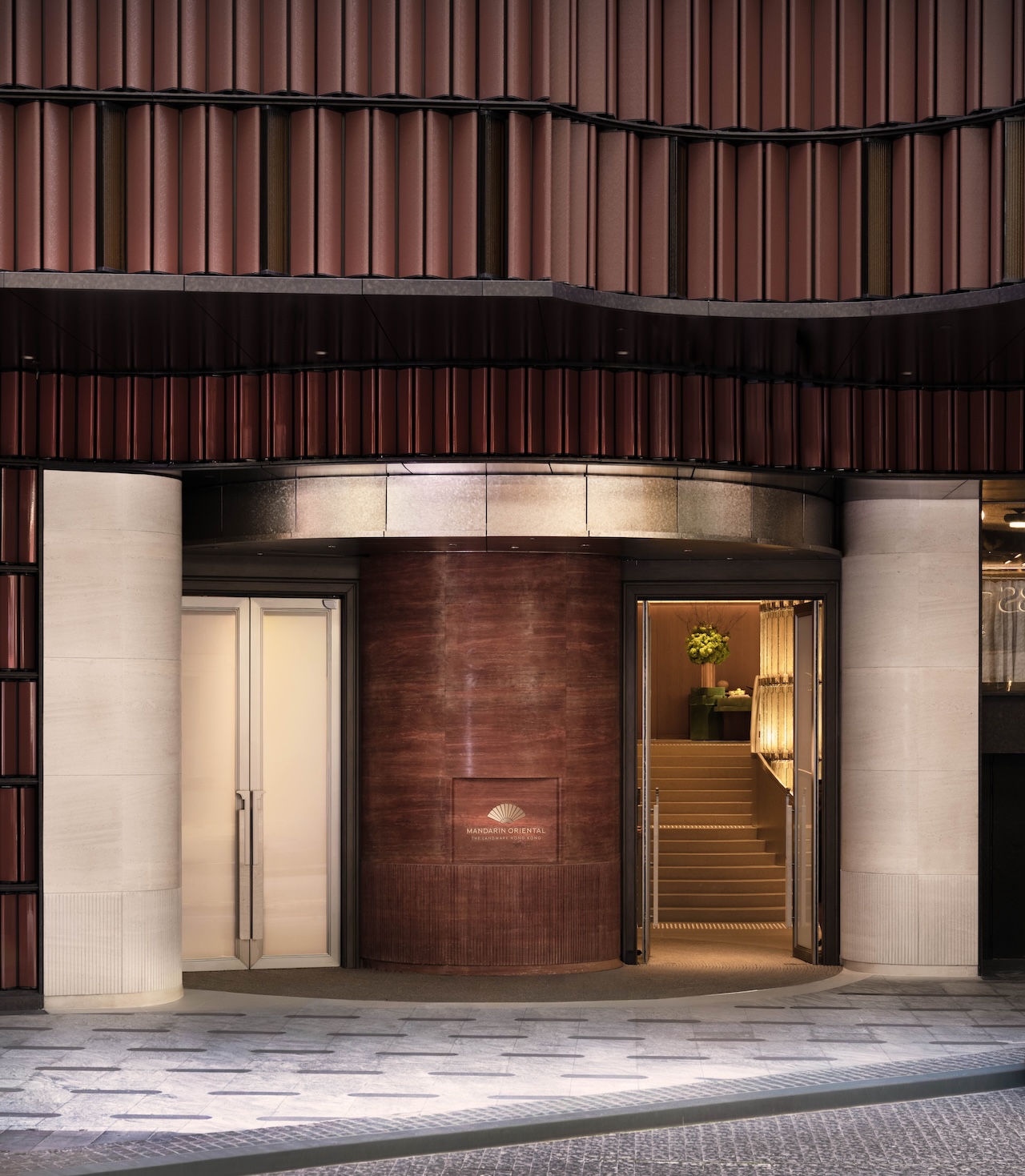
- Verdant Greens: Inspired by the lush, hidden gardens and mountainous landscape that penetrate Hong Kong’s urban density.
- Terracotta Tones: A nod to the red brick and warm-hued masonry prevalent in the city’s historic colonial architecture.
Craft and Materiality
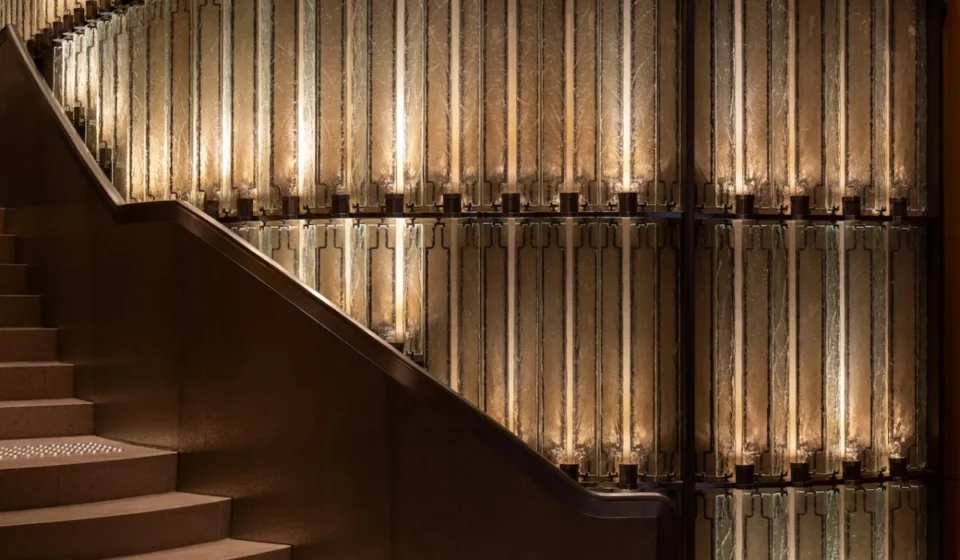
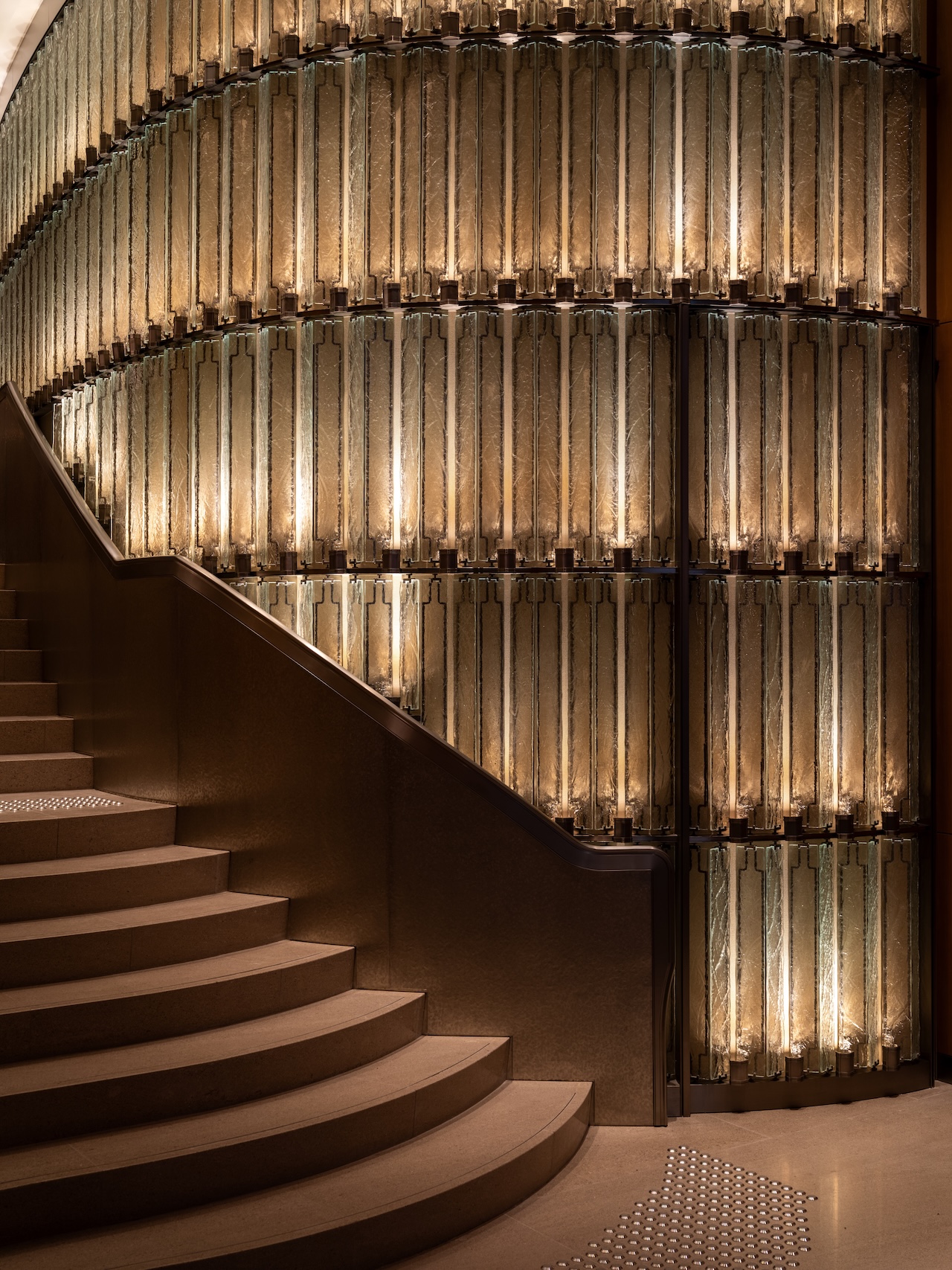
The studio employed a diverse array of materials to evoke a sense of "lived-in" history. The arrival sequence features a blend of classic architectural gestures and modern precision. Visitors encounter custom églomisé glass—a technique involving the application of gold or metal leaf to the back of glass—alongside rich timber and textured wallcoverings.
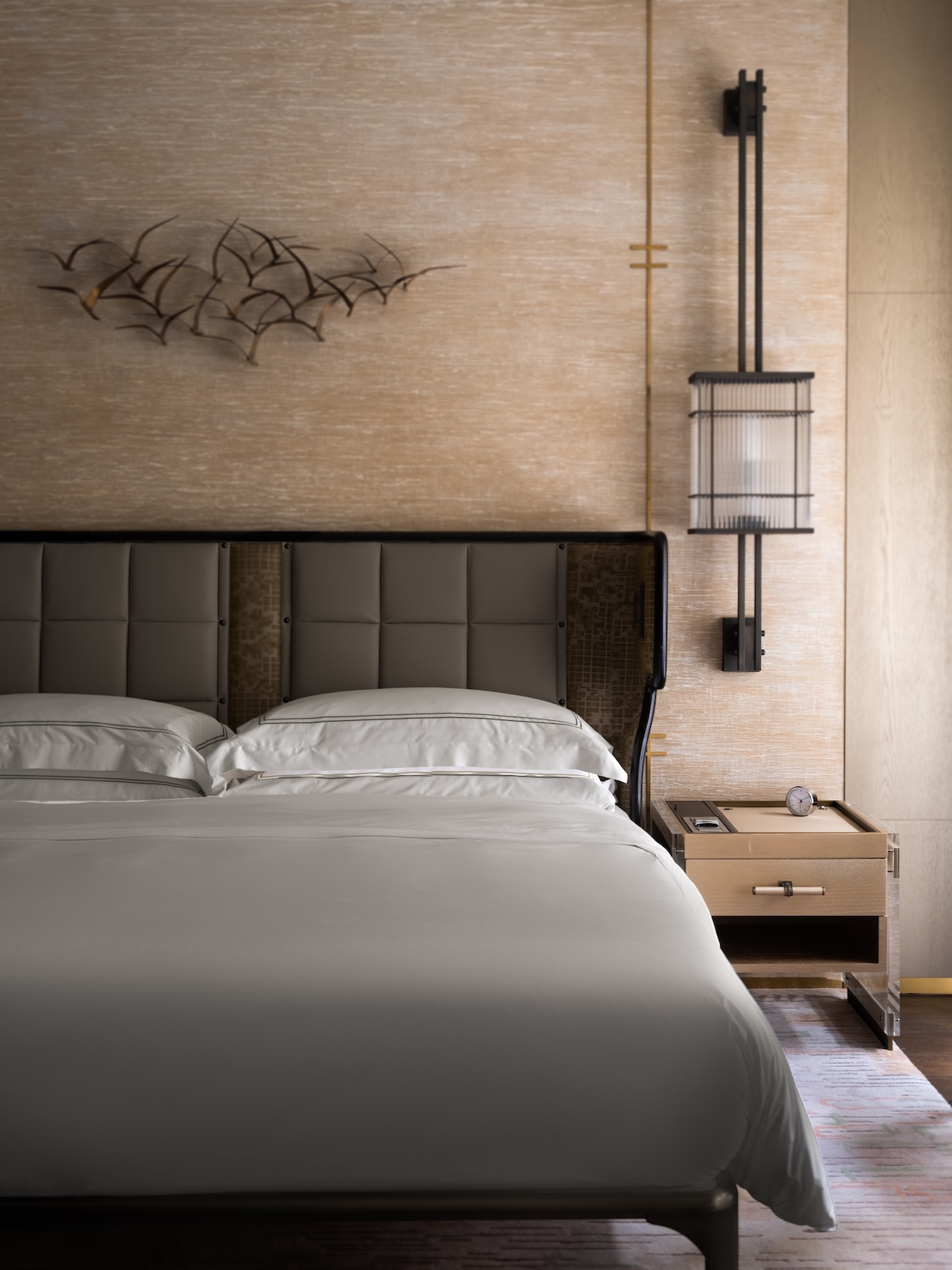
The guestrooms feature a particularly sophisticated layer of detail. Custom rugs are patterned after the geometric layouts of Hong Kong’s historic brickwork. These sit upon lightened timber floors, creating a tactile warmth that contrasts with the "cracked gesso" wall finishes. For a final touch of artisanal elegance, the rooms are adorned with Fromental wallcoverings, which utilize hand-painted silk elements to introduce a delicate, organic texture to the interior.
The Art of Curation: Official Insights
Joyce Wang, the principal of the studio, has been vocal about the importance of "local relevance" in this project. In official statements regarding the renovation, she emphasized that the goal was to create a space that feels like a private residence rather than a generic hotel room.
"We took inspiration from the colonial country manors frequented by the Tai Kwuns of a bygone era to celebrate the beauty of these historic homes that still fascinate today," Wang explained. "Our vision this time has a greater focus on local relevance and the heritage of the building."
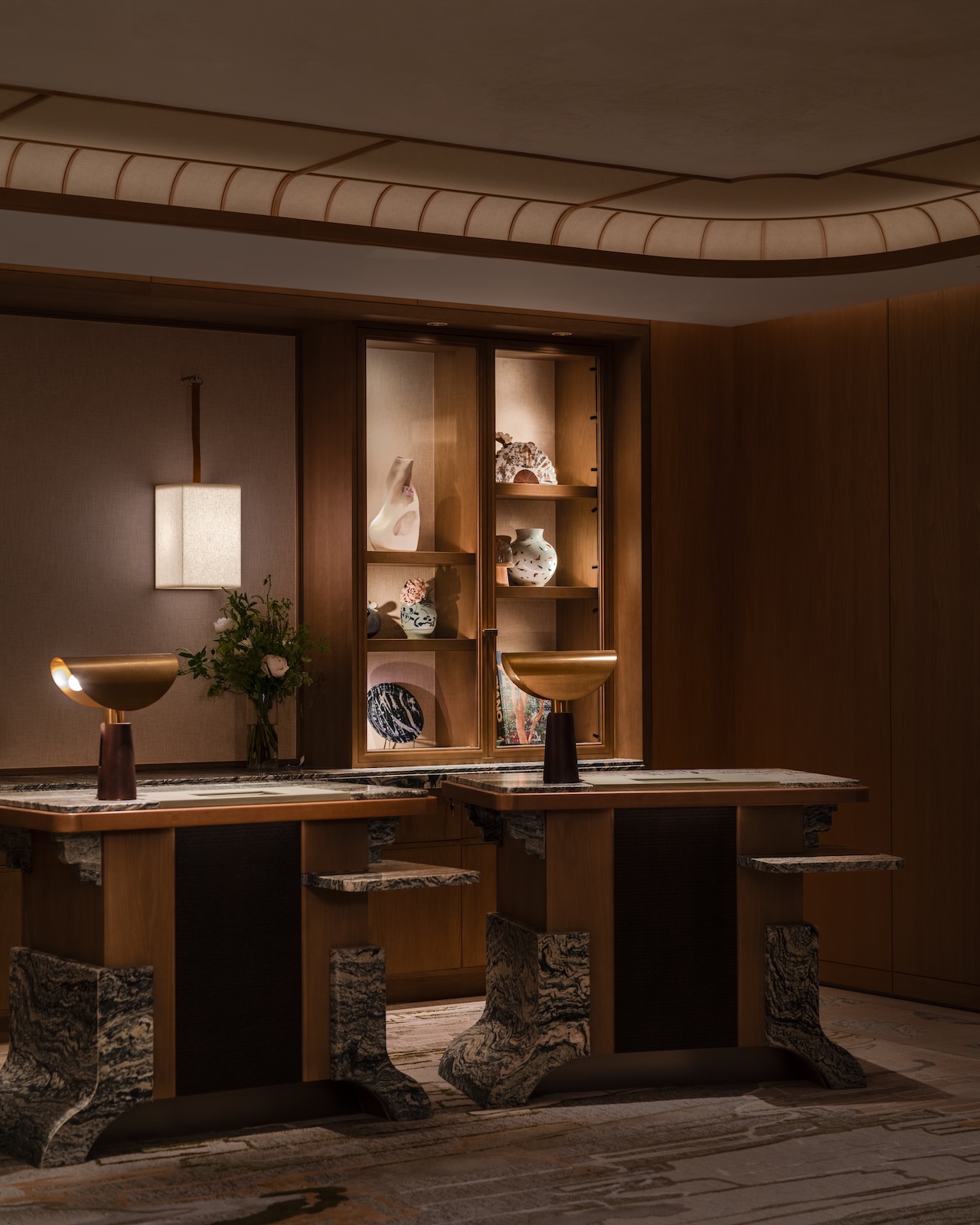
The artwork program is perhaps the most significant manifestation of this vision. Unlike typical hotel art, which is often purely decorative, the collection at the new Mandarin Oriental, The Landmark is curated with a narrative thread. Every piece—from the sculptural vases and artisanal vessels to the commissioned paintings—is meant to appear as if it were a personal collection assembled over time by a well-traveled resident.
"The artwork program is rigorous in that there is a story behind each piece," Wang noted. By blending works from both emerging and established artists, both local and international, the hotel successfully avoids the "cookie-cutter" aesthetic of global luxury chains.
Implications: The Future of Luxury Hospitality
The renovation of the Mandarin Oriental, The Landmark holds significant implications for the future of the hospitality industry, particularly in major urban centers.
The Shift Toward "Hyper-Localism"
The industry is moving away from the "international style" that dominated the early 2000s. Travelers—especially the high-net-worth individuals who frequent properties like the Mandarin Oriental—are increasingly seeking authenticity. By incorporating architectural motifs of the city’s skyline into carpets, tapestries, and glasswork, Joyce Wang Studio has demonstrated how a brand can honor its location without resorting to kitschy, superficial cultural references.
Residential Hospitality
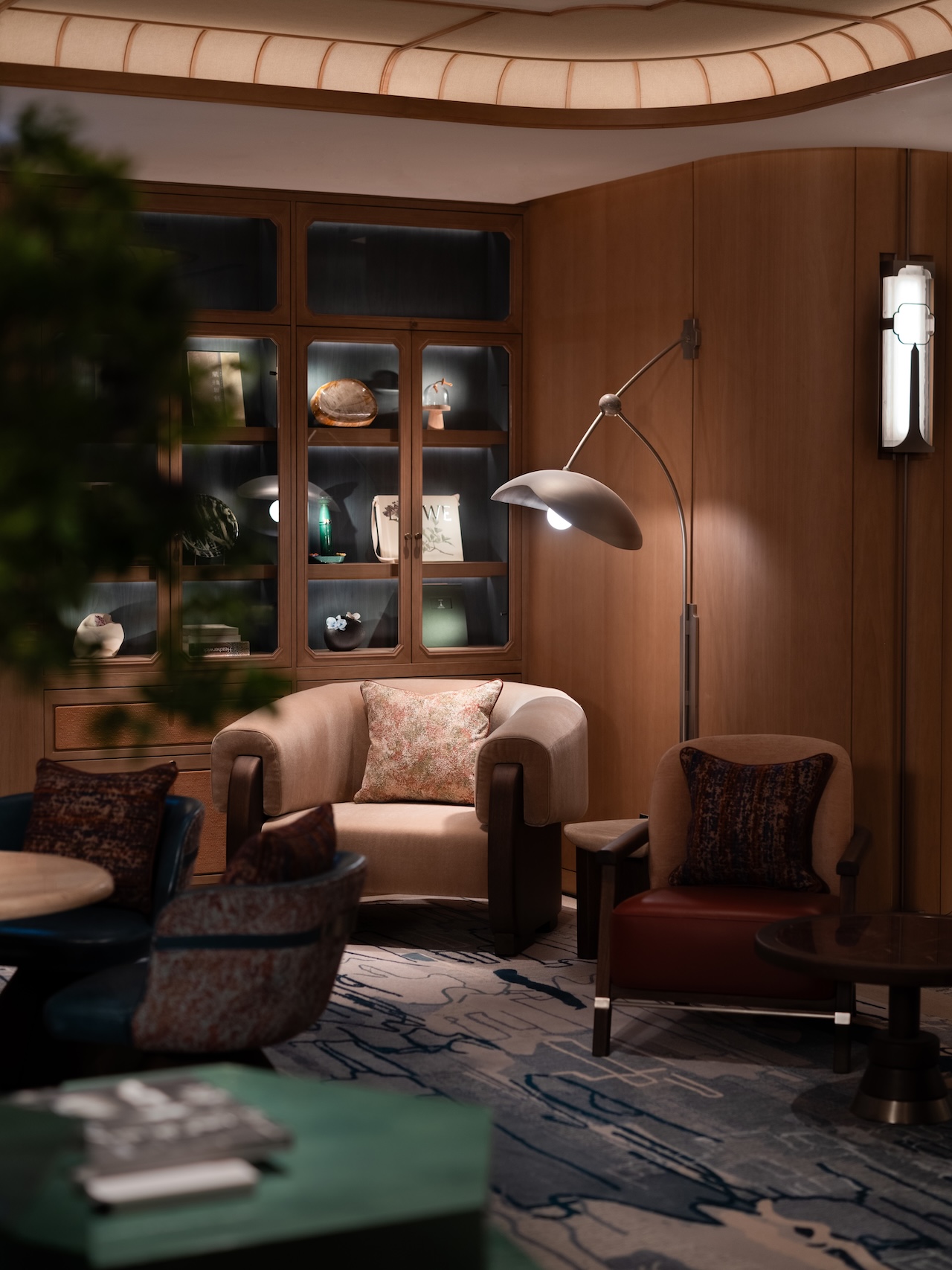
The "pied-à-terre" concept is likely to become a benchmark for future hotel design. By designing spaces that feel like a collection of personal belongings—as evidenced by the sculptural plinths, display cabinets filled with decorative ceramics, and the intimate seating areas—the hotel creates an emotional connection with the guest. The design encourages guests to settle in rather than merely pass through.
Sustainability and Longevity
By choosing to renovate rather than rebuild or strip the property to its studs, the project also reflects a growing consciousness regarding the longevity of design. The studio’s decision to build upon its own decade-old work shows a maturity in design practice—understanding that a space can be "future-proofed" by layering it with history rather than erasing it.
Conclusion: A Living Legacy
The reimagined Mandarin Oriental, The Landmark is a testament to the idea that luxury is not static. It is a dialogue between the past and the present, the local and the global. Joyce Wang Studio has managed to strip away the artifice of the modern hotel and replace it with a narrative that feels both familiar and deeply profound.
For the guests who walk through the new foyer, past the undulating staircases and into rooms that feel like a carefully curated home, the hotel offers more than just a place to sleep. It offers a connection to the soul of Hong Kong—a city that continues to reinvent itself while remaining firmly anchored to its historic roots. In the hands of Joyce Wang, the Mandarin Oriental has not only been renovated; it has been rediscovered.