A Second Life for Design: The Resurrection of a Masterpiece Kitchen on Copenhagen’s Paper Island

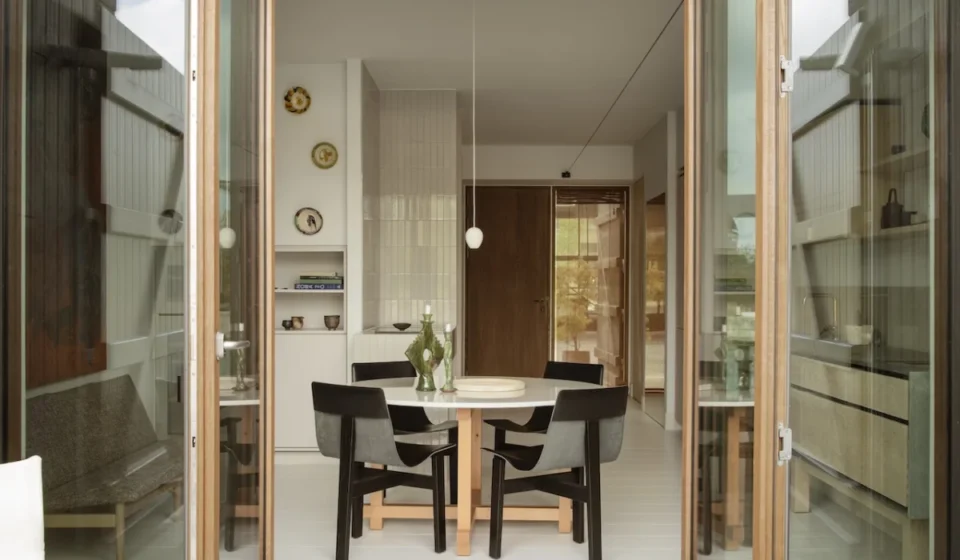
On the historic, harbor-front landscape of Copenhagen’s Paper Island—a site once synonymous with naval power and industrial storage—a quiet, domestic revolution is taking place. At the center of a newly reimagined home stands a kitchen that defies the fleeting nature of modern interiors. Crafted by the esteemed Danish design house Garde Hvalsøe, this kitchen does not represent the standard "new build" installation; rather, it is a seasoned traveler, having spent its first five years serving as the heart of a professional workspace before being meticulously transplanted into the residence of Josephine Yaa Akuamoa, the creative force behind File Under Pop.
The resulting space is a masterclass in sustainability, craftsmanship, and the art of living with objects that possess a history.
The Genesis of a Design Icon
The kitchen in question is a hallmark of the Garde Hvalsøe "Solid" model, a design celebrated for its marriage of industrial durability and refined cabinetmaking. Constructed from pale, luminous ash wood and mounted on a robust zinc frame, the kitchen is a tactile experience.
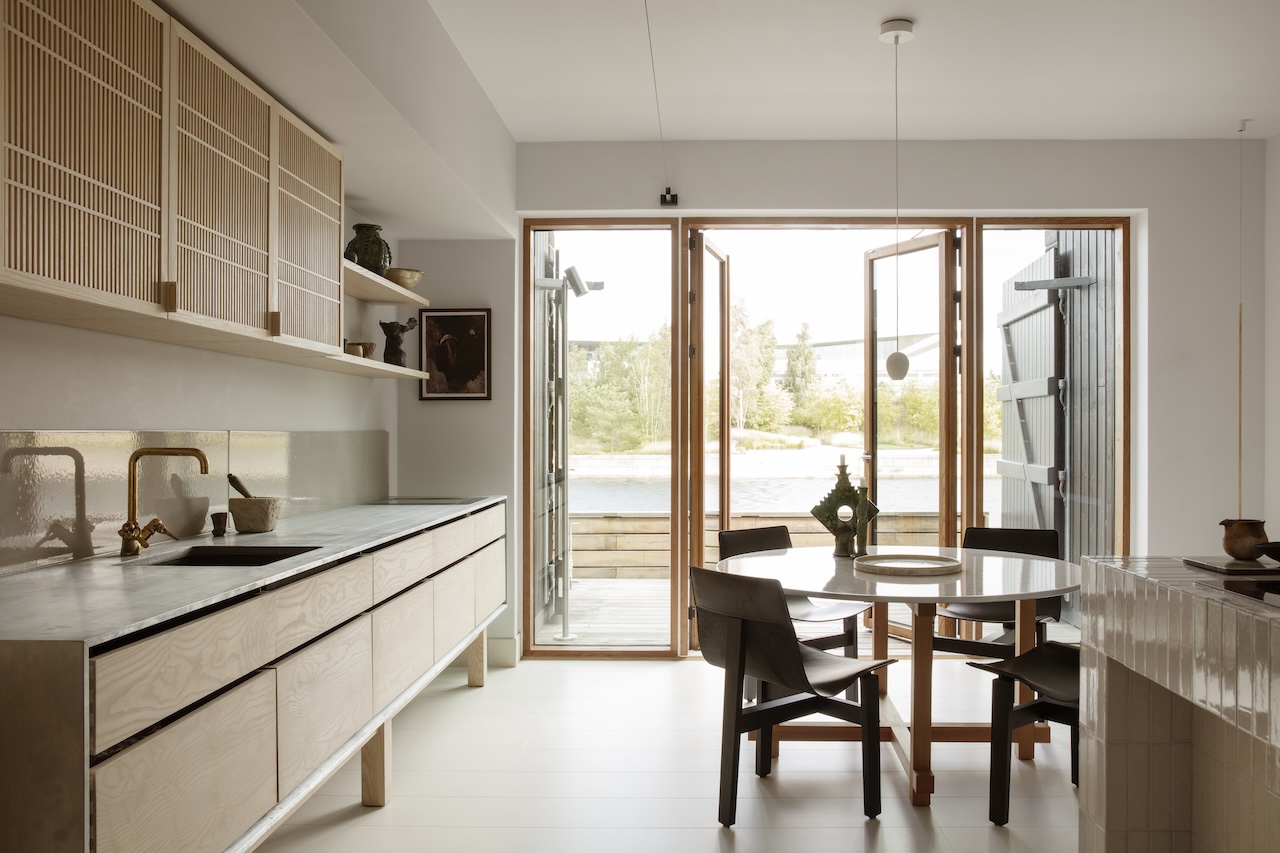
The aesthetic brilliance of the piece lies in its precision. The drawer fronts, built with intricate finger-jointing, feature long, wide planks of ash that showcase the natural grain of the timber. To ensure a seamless, monolithic appearance, the designers employed chamfered sides, allowing the drawers to sit flush against one another. When closed, the entire unit reads as a singular, continuous piece of timber, broken only by the subtle lines of the grain.
The upper cabinetry introduces a layer of cultural synthesis. Featuring the "Koshi-do" fronts—a collaboration between Garde Hvalsøe and the Copenhagen-based OEO Studio—the design draws inspiration from Japanese architecture. The slatted wood doors offer a play of light and shadow, filtering the bright Nordic sunlight that pours into the Paper Island home, effectively bridging the gap between Japanese minimalism and traditional Danish craftsmanship.
A Chronology of Transformation
The migration of this kitchen from a professional studio to a domestic sanctuary was not a simple matter of logistics; it was a complex act of architectural surgery.

The Studio Era (2019–2024)
For five years, the kitchen functioned as the functional anchor of File Under Pop’s studio. It was subjected to the rigors of a creative workspace, enduring the daily use of employees and clients. During this period, the materials—the ash wood, the zinc, and the lava stone sink—began the process of "living." They absorbed the patina of use, proving that high-quality design is not merely decorative but functional and resilient.
The Deconstruction Phase (Early 2025)
When Akuamoa decided to move the kitchen to her new home on Paper Island, the project required a total reset of the interior environment. The renovation team began by stripping the house back to its bones. This included the demolition of the existing, lackluster kitchen, the removal of outdated electrical installations, the gutting of the bathroom, and the dismantling of wooden wall panels and the staircase that linked the building’s three levels.
The Reinstallation (Mid-2025)
The reinstallation was a feat of architectural integration. Because the kitchen had been custom-built for a specific space, its transition to the new home required careful recalibration. Garde Hvalsøe worked alongside the project team to ensure that the ash cabinets, once at home in a studio, felt entirely organic to the new residential footprint. The result is a kitchen that feels as though it was built specifically for this home, despite its previous life.

Materiality and the Architecture of the Island
Paper Island (Papirøen) holds a unique place in Copenhagen’s identity. Once an armory for the Danish navy under King Christian IV and, more recently, a storage hub for national newspapers, the site is steeped in maritime history. The new architecture of the island seeks to honor this legacy, utilizing forms that echo the industrial warehouse aesthetic.
Akuamoa’s home follows this narrative. The house is defined by its relationship with the surrounding environment—the water on one side and a lush, shared garden on the other. The interior palette is a reflection of this connection to nature, utilizing a balanced ratio of ash wood, raw stone, and ceramic.
- The Ash: Provides warmth and a sense of continuity. It is used not only in the kitchen but also in the bespoke wardrobes throughout the home.
- The Limestone: A nod to the rugged sandstone of the harbor walls and the distinct yellow brick of the neighboring structures.
- The Lava Sink: A functional center-point that contrasts with the softness of the wood, offering a durable, geological weight to the kitchen’s composition.
The building’s exterior, framed by wooden maritime gates and a distinct diagonal roofline, acts as a contemporary lens through which to view the harbor. Inside, the design language remains consistent: minimalist, purposeful, and profoundly calm.

Official Perspectives: The Philosophy of Patina
Søren Lundh Aagaard, CEO and partner at Garde Hvalsøe, views this project as a milestone in the company’s history. For a furniture maker, seeing a piece of work transition between different environments is the ultimate test of quality.
"Bringing something previously used and lived in into a newly built space was both a challenge and a statement," Aagaard notes. In an era of disposable interiors and "fast furniture," the decision to preserve and relocate a high-end kitchen is a radical act of sustainability. It challenges the homeowner to view their surroundings as a long-term investment rather than a temporary trend.
Akuamoa echoes this sentiment, finding deep satisfaction in the way the materials communicate with one another. "The three materials—the zinc, the lava, and the pale ash—complement each other beautifully and age with grace," she says. By choosing materials that mature rather than degrade, the home gains character over time, reflecting the history of its inhabitants.

Implications: A Shift Toward Circular Luxury
The relocation of Akuamoa’s kitchen serves as a case study for the future of luxury design. As the construction and design industries face increasing pressure to reduce their carbon footprints, the "Circular Design" model—whereby high-quality components are designed for disassembly, movement, and reuse—is gaining traction.
The Economic and Environmental Impact
While the cost of dismantling, transporting, and re-fitting a professional-grade kitchen is not trivial, the environmental cost of manufacturing a new one is significantly higher. By extending the lifecycle of the "Solid" model, the project successfully diverted a massive amount of high-quality material from the waste stream.
The Psychological Shift
Beyond the environmental benefits, there is a profound psychological impact in living with furniture that carries a history. The kitchen is no longer just an appliance suite; it is a survivor of a previous creative chapter. It connects the professional success of the File Under Pop studio with the personal sanctuary of the Paper Island home. This "emotional durability" is increasingly becoming the new benchmark for luxury.

Designing for Longevity
The success of this project suggests a shift in how we approach the "new." In contemporary design, the most innovative choice may no longer be the latest technological gadget or the newest synthetic finish. Instead, it is the choice of materials—like solid ash, zinc, and lava—that are capable of surviving the transition between spaces. It is an invitation to future homeowners to build their spaces with the assumption that, eventually, they will evolve, and that their interiors should be flexible enough to evolve with them.
Conclusion
The transformation of the Paper Island home is more than just a renovation; it is an affirmation of the values of craftsmanship and permanence. By honoring the industrial roots of the island and the artistic origins of the kitchen, Josephine Yaa Akuamoa has created a space that feels both historic and ahead of its time.
As we look toward the future of urban living, the lessons from this Copenhagen home are clear: true luxury is not found in the acquisition of new things, but in the stewardship of the old. Through the careful, considered application of design, Garde Hvalsøe and Akuamoa have proven that with the right materials and a vision for the long term, a kitchen can be more than a place to cook—it can be the living, breathing heart of a home’s history.