A Technicolor Defiance: How Blue and Tri Redefined the Traditional Wedding Dreamscape

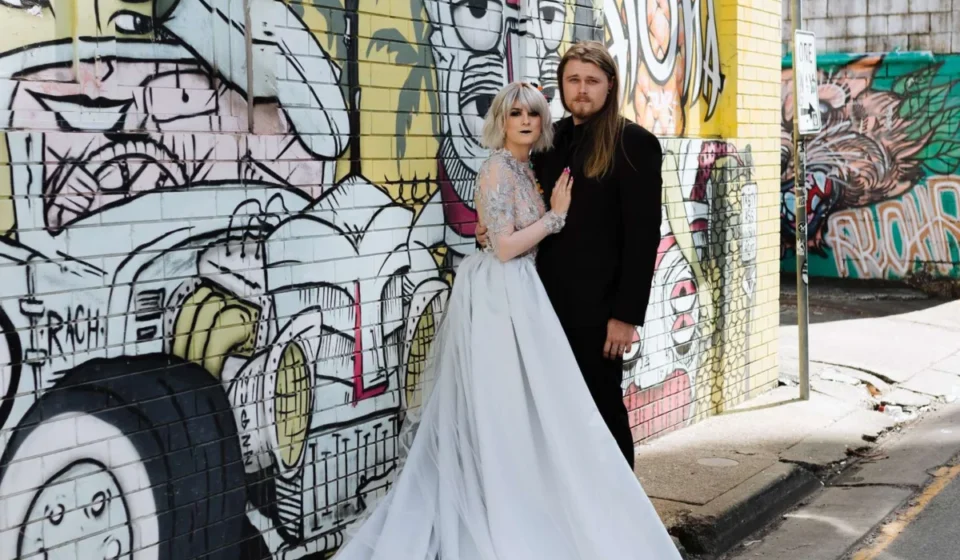
In a world where wedding conventions often lean toward monochromatic elegance or rustic minimalism, Blue and Tri chose a path less traveled. By embracing the avant-garde, the theatrical, and the unapologetically "camp," the couple orchestrated a wedding that challenged every expectation their guests had set for them. Held at the vibrant, neon-drenched Pink Flamingo on Australia’s Gold Coast, the event served as a masterclass in creative rebellion, proving that the most memorable celebrations are those that refuse to be categorized.
Main Facts: A Bold Break from Tradition
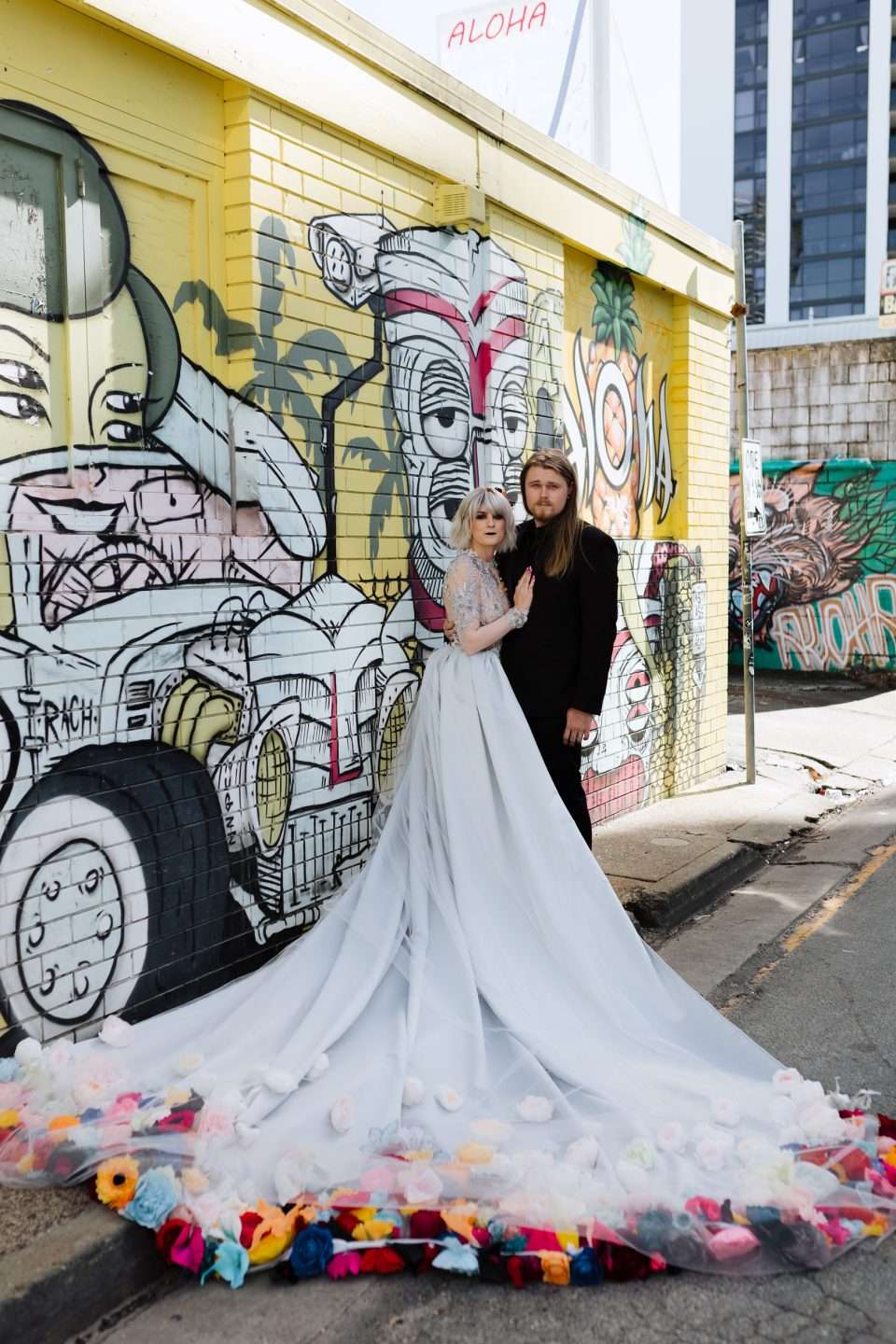
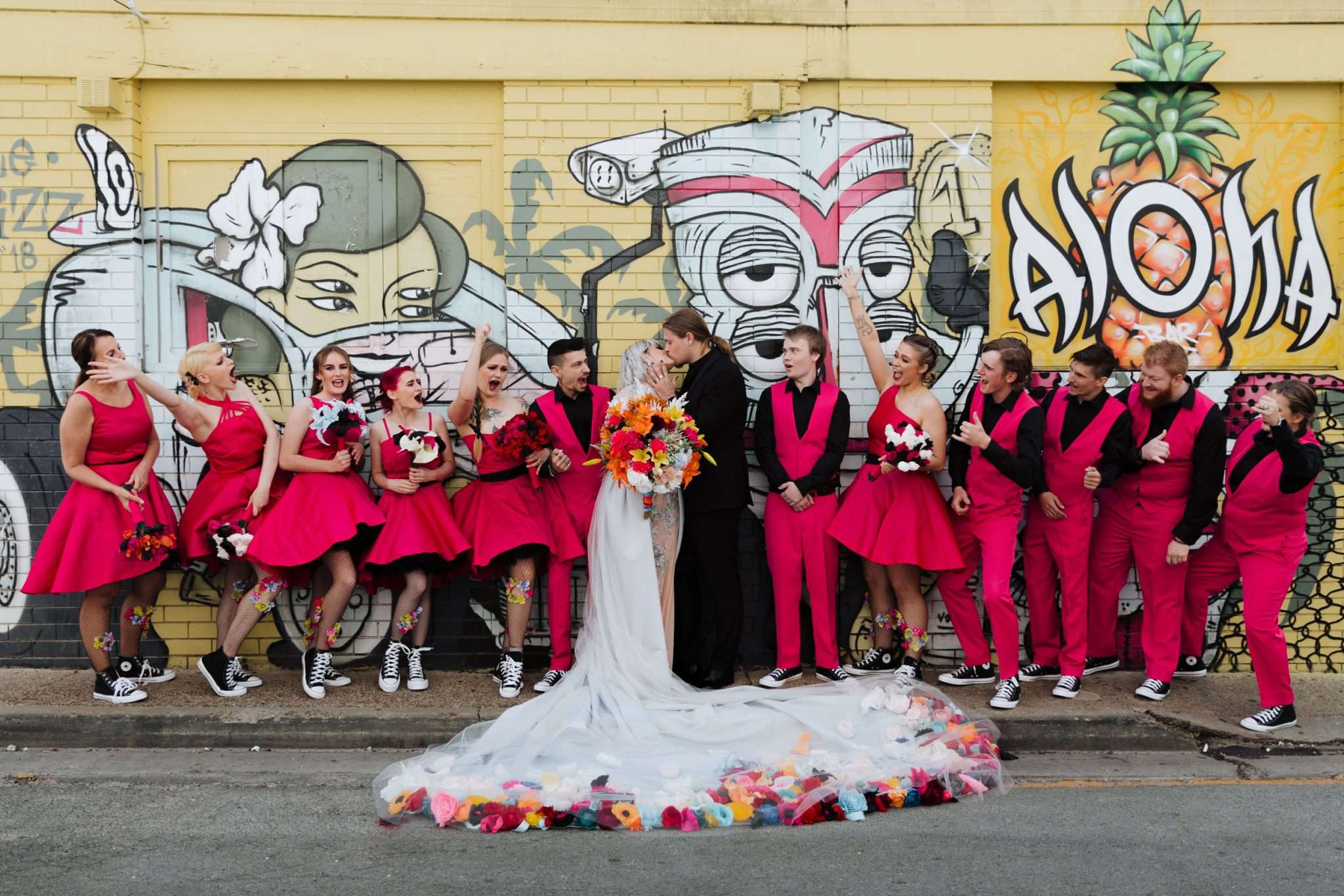
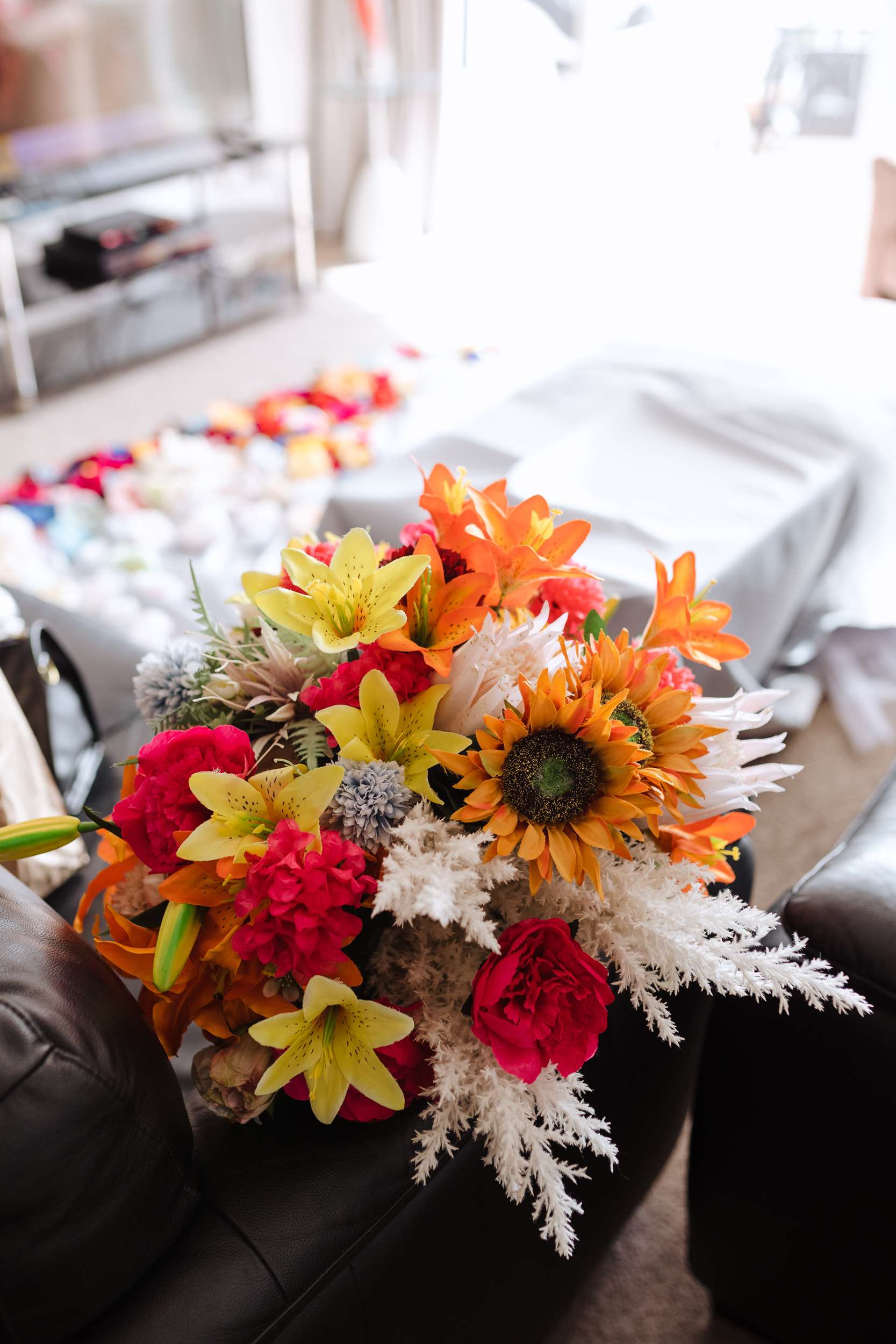
When Blue and Tri announced their engagement, their inner circle braced for an aesthetic rooted in gothic darkness—a natural assumption given the couple’s personal style and history. Instead, the duo pivoted toward a vibrant, surrealist dreamscape. The wedding was defined by an explosion of hot pink, elaborate cabaret-style performances, and a commitment to spectacle over solemnity.
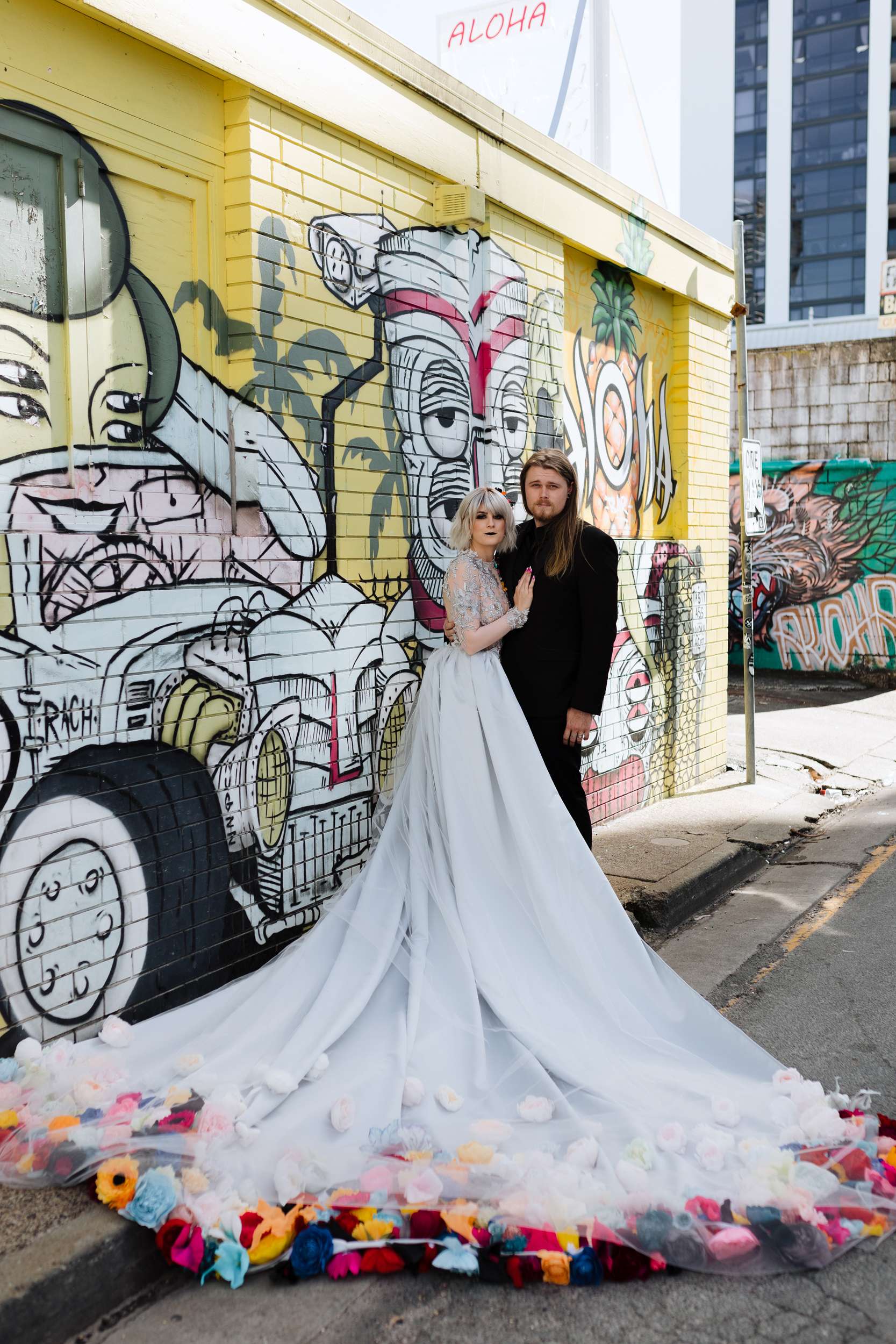
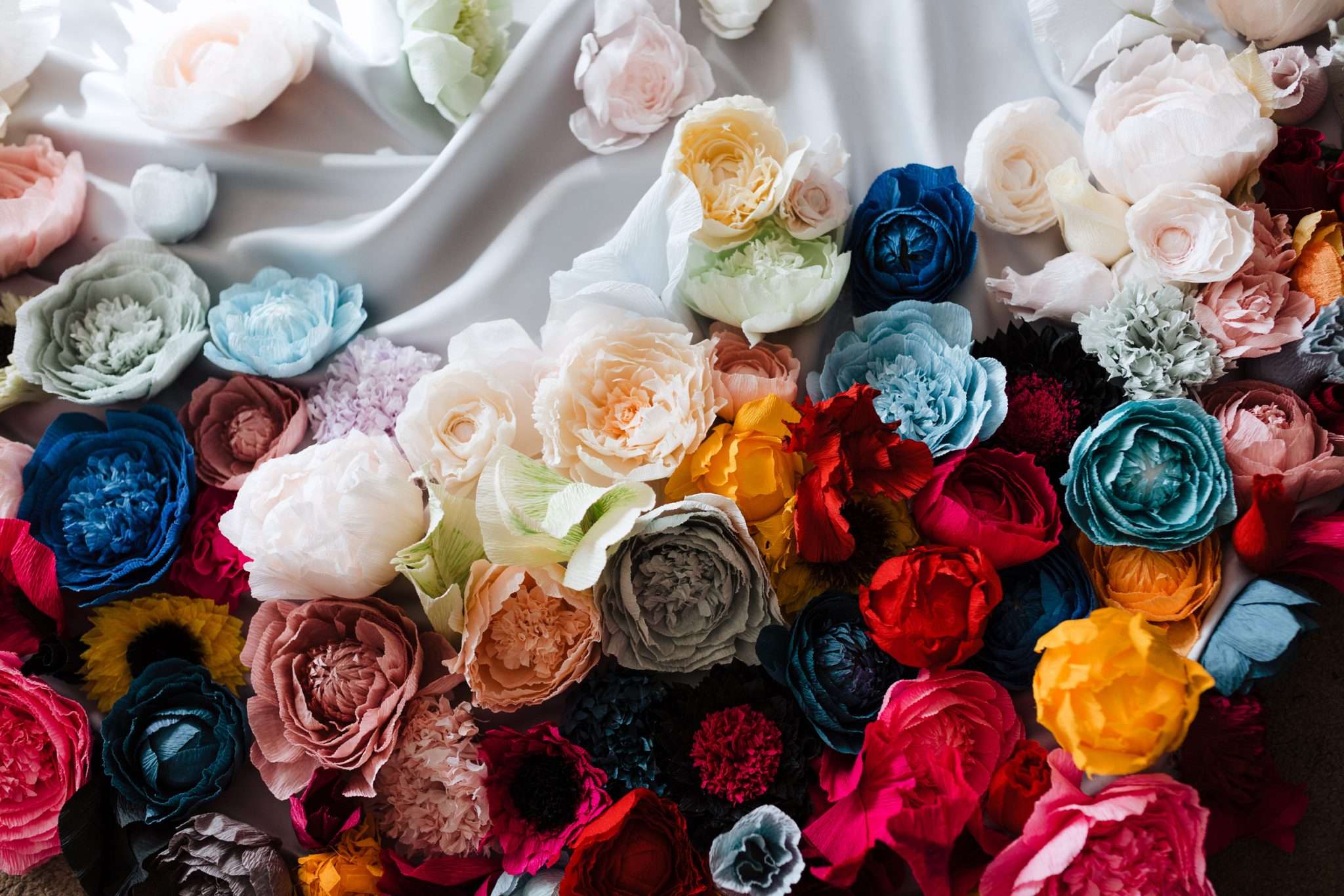
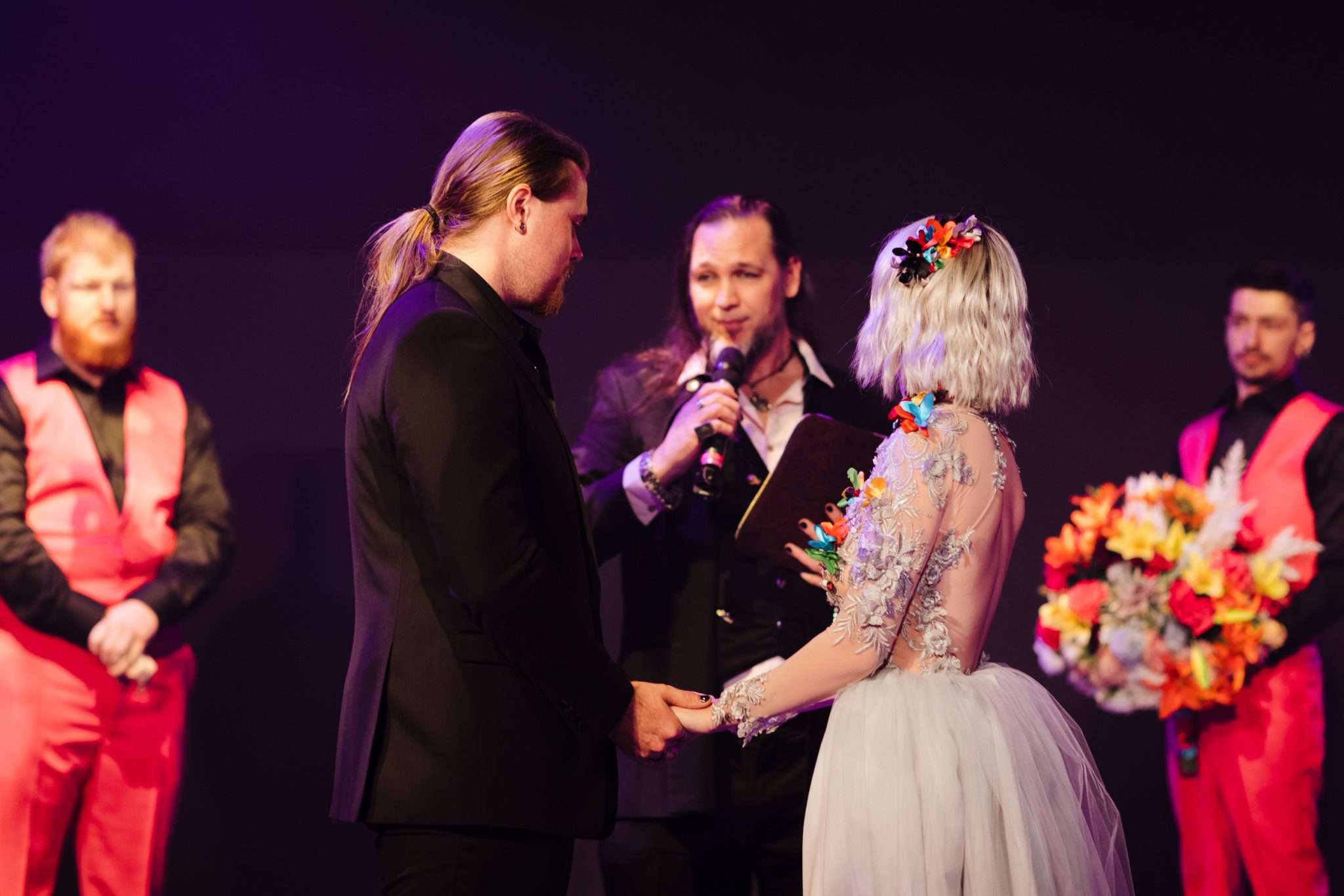
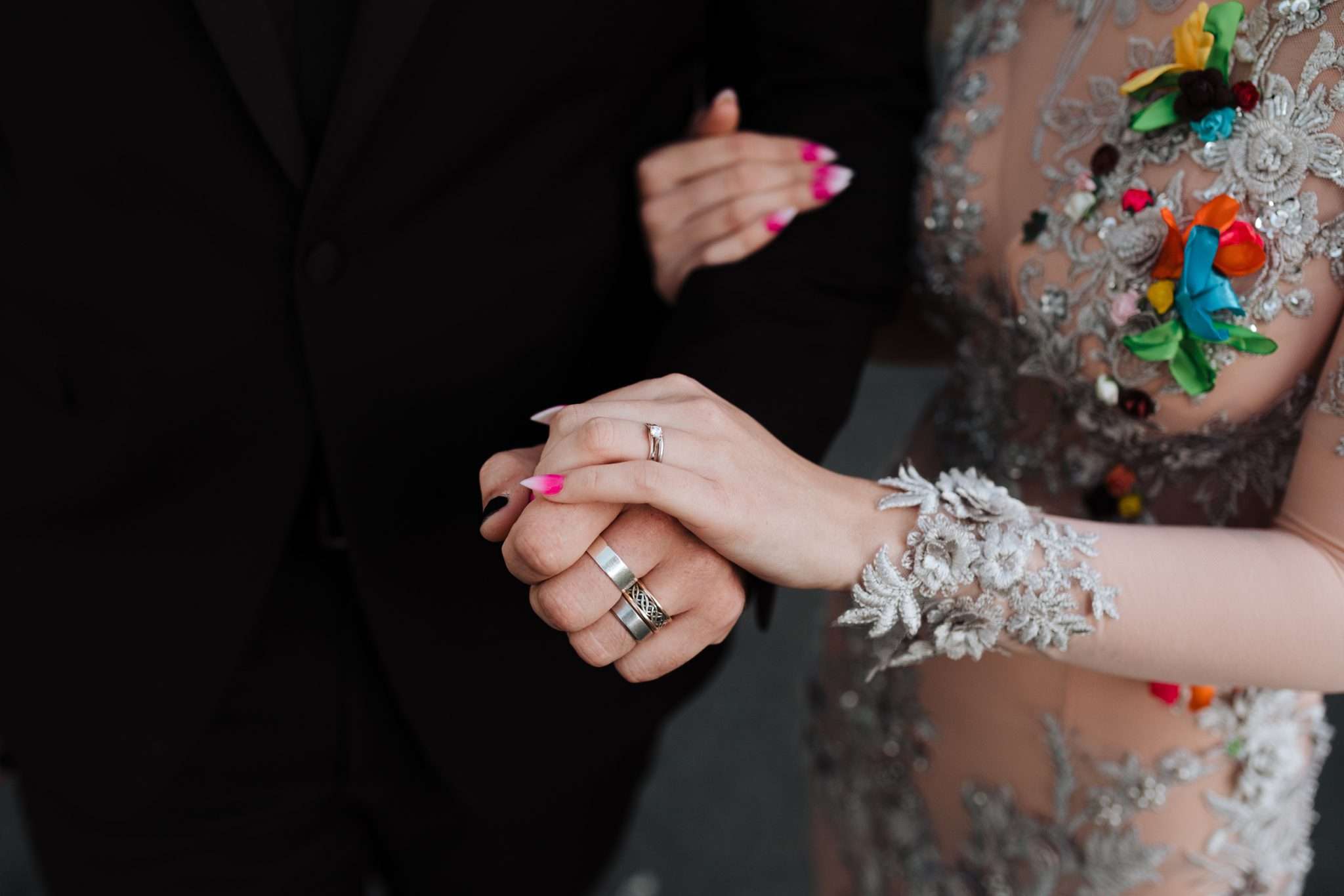
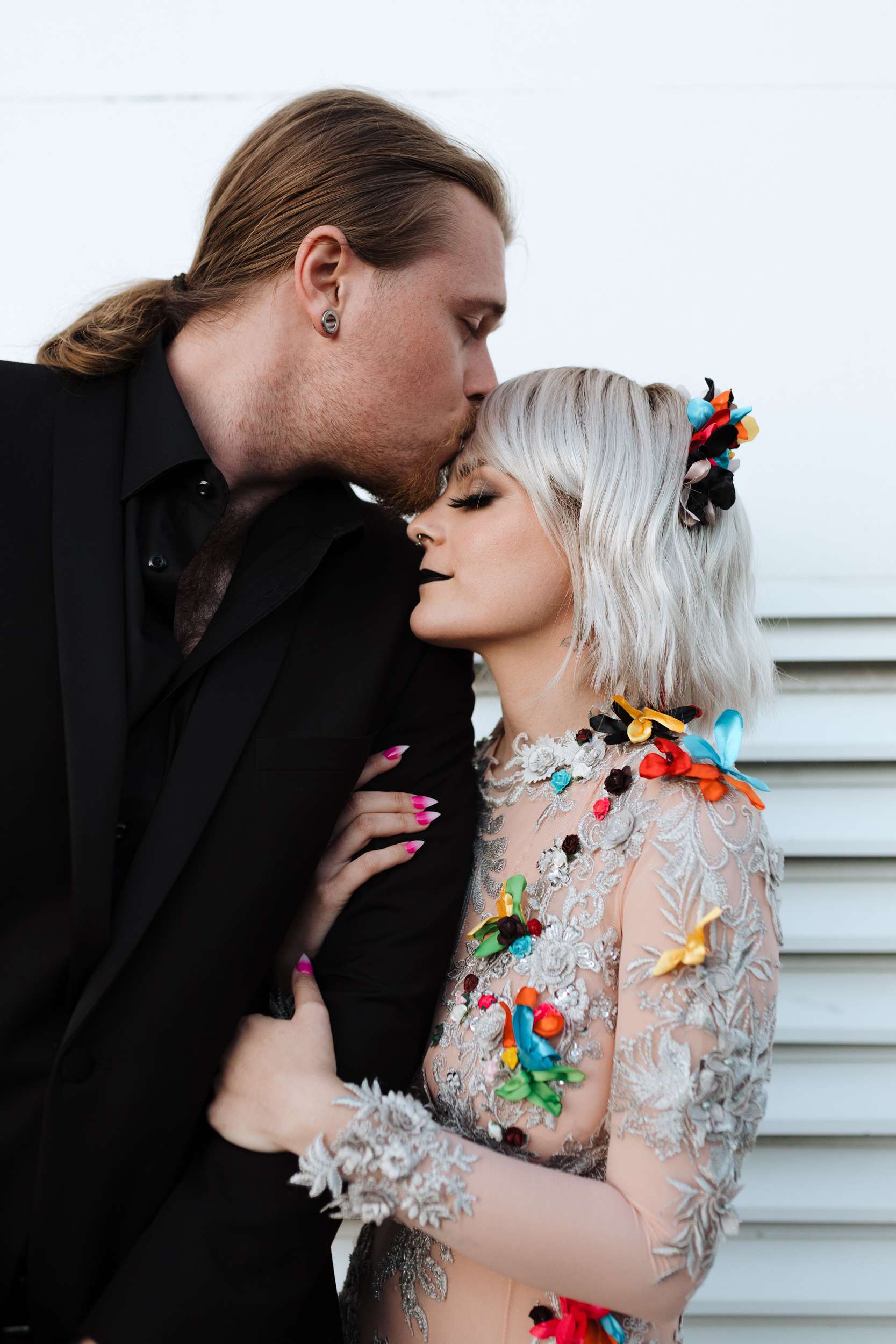
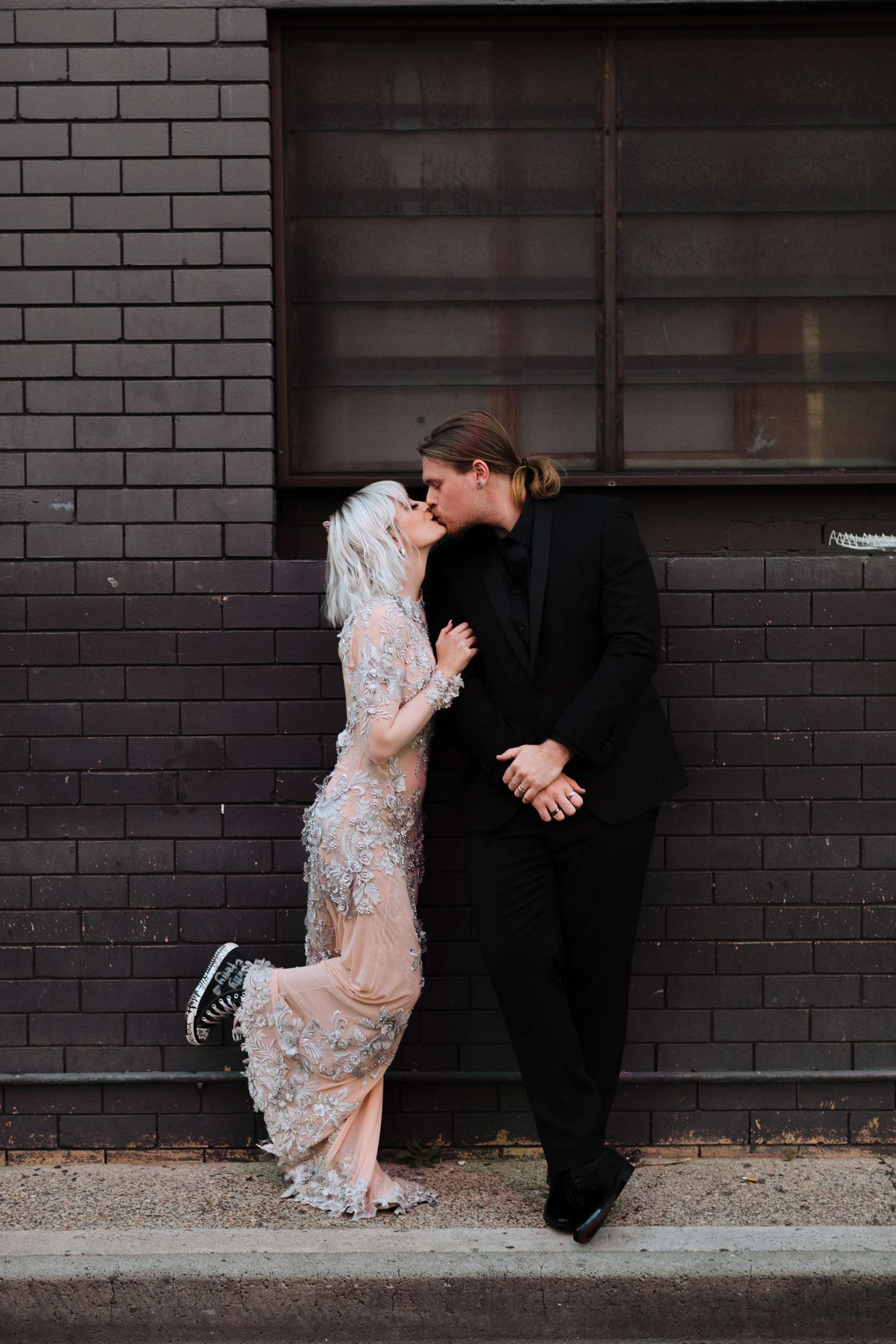
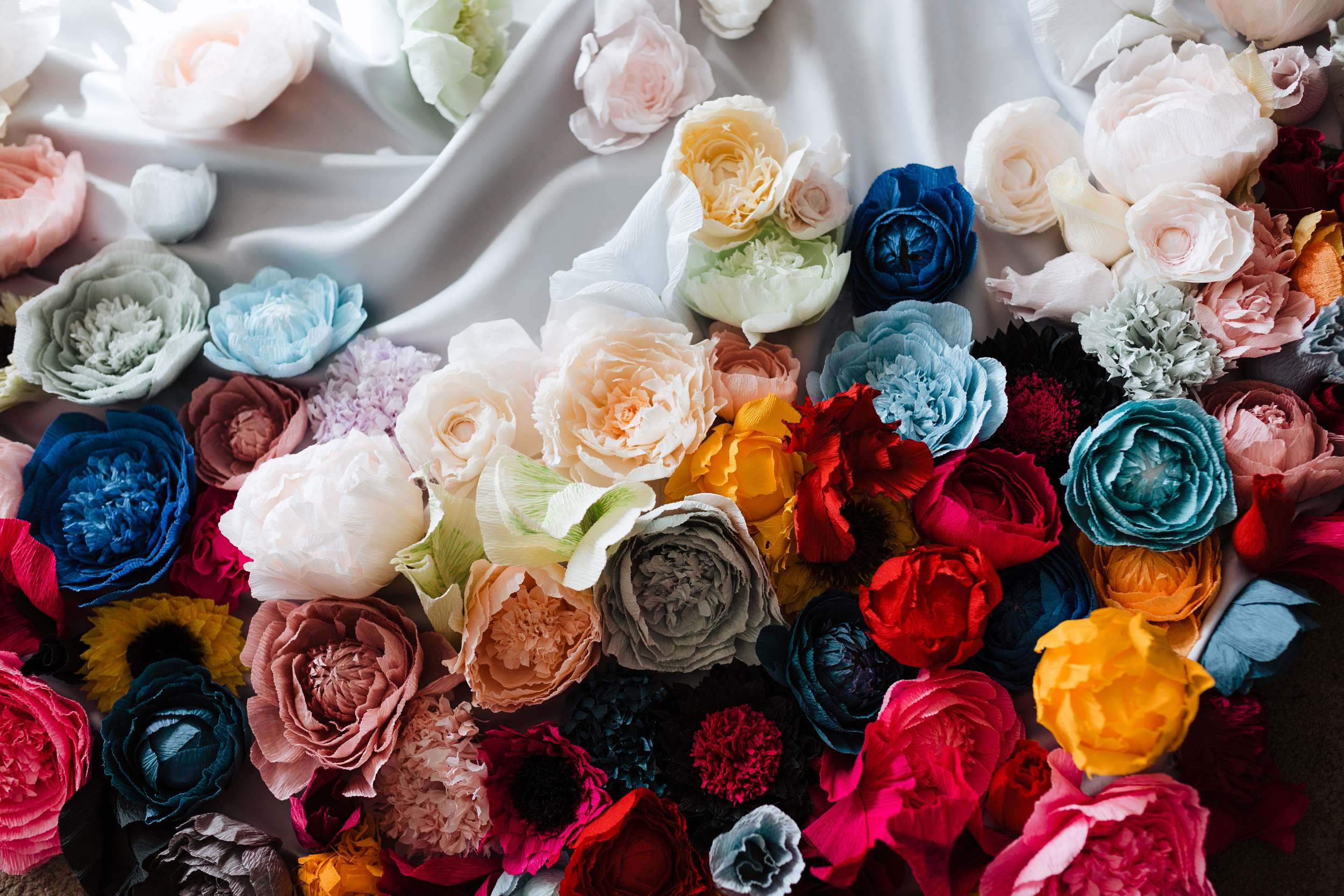
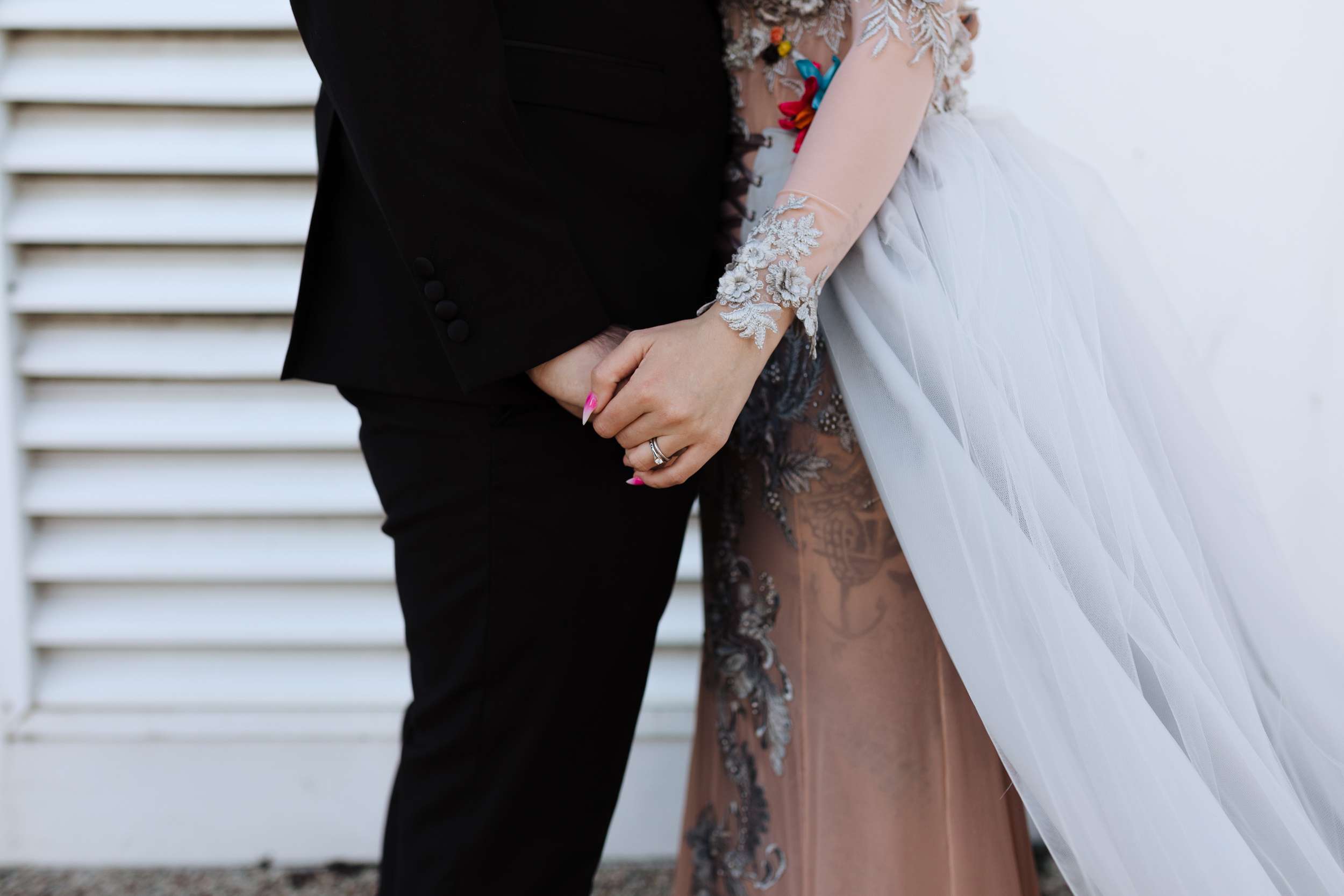
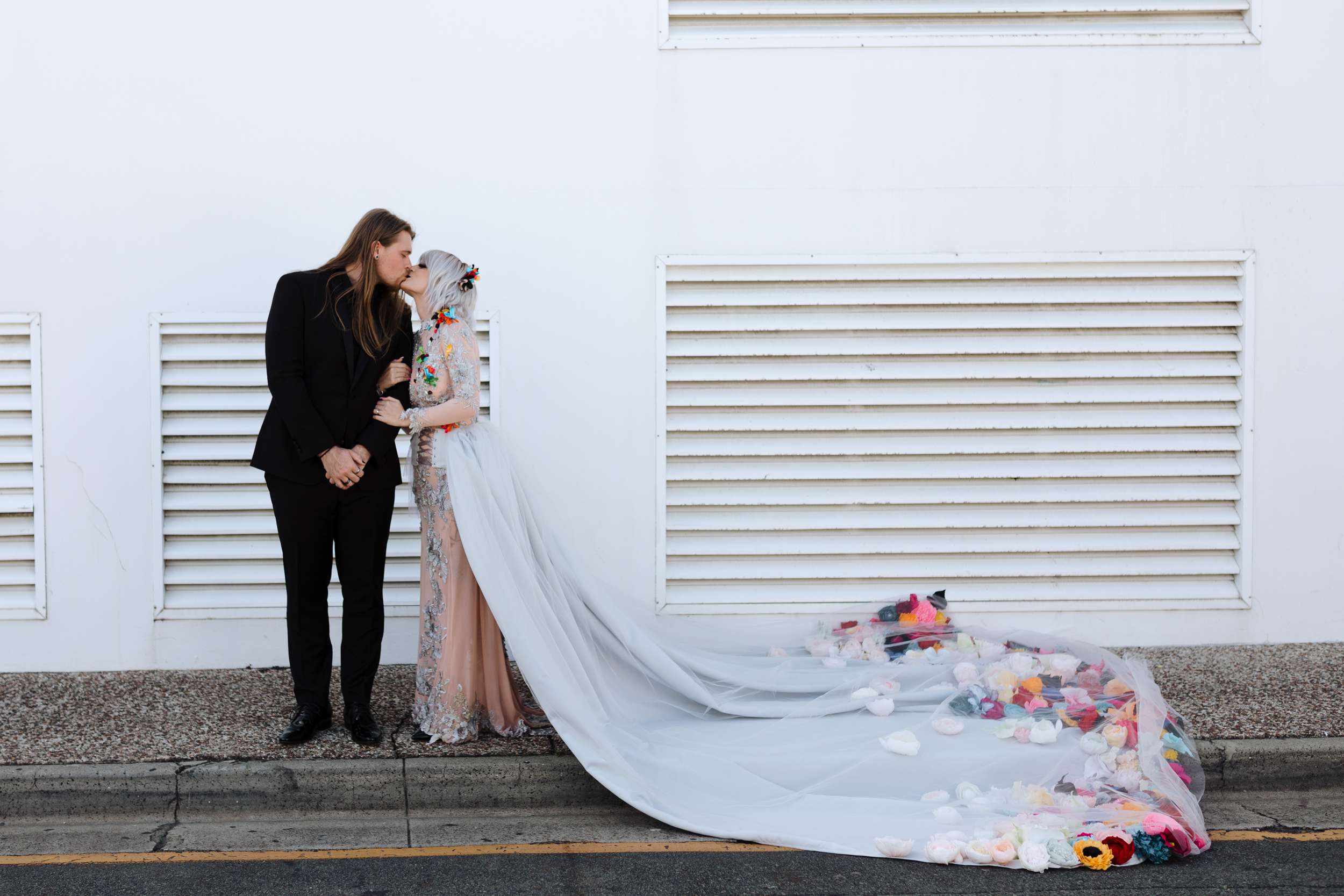
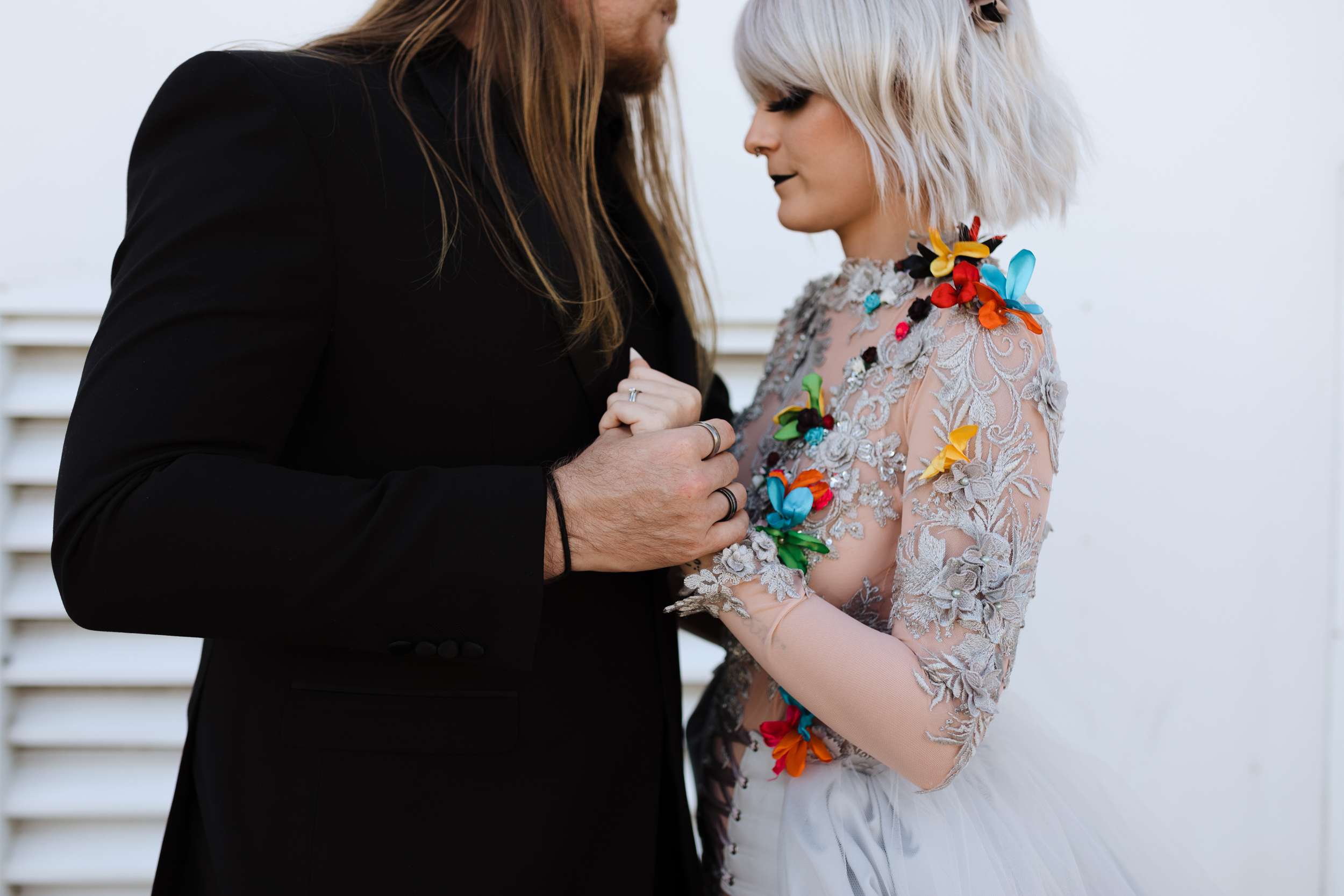
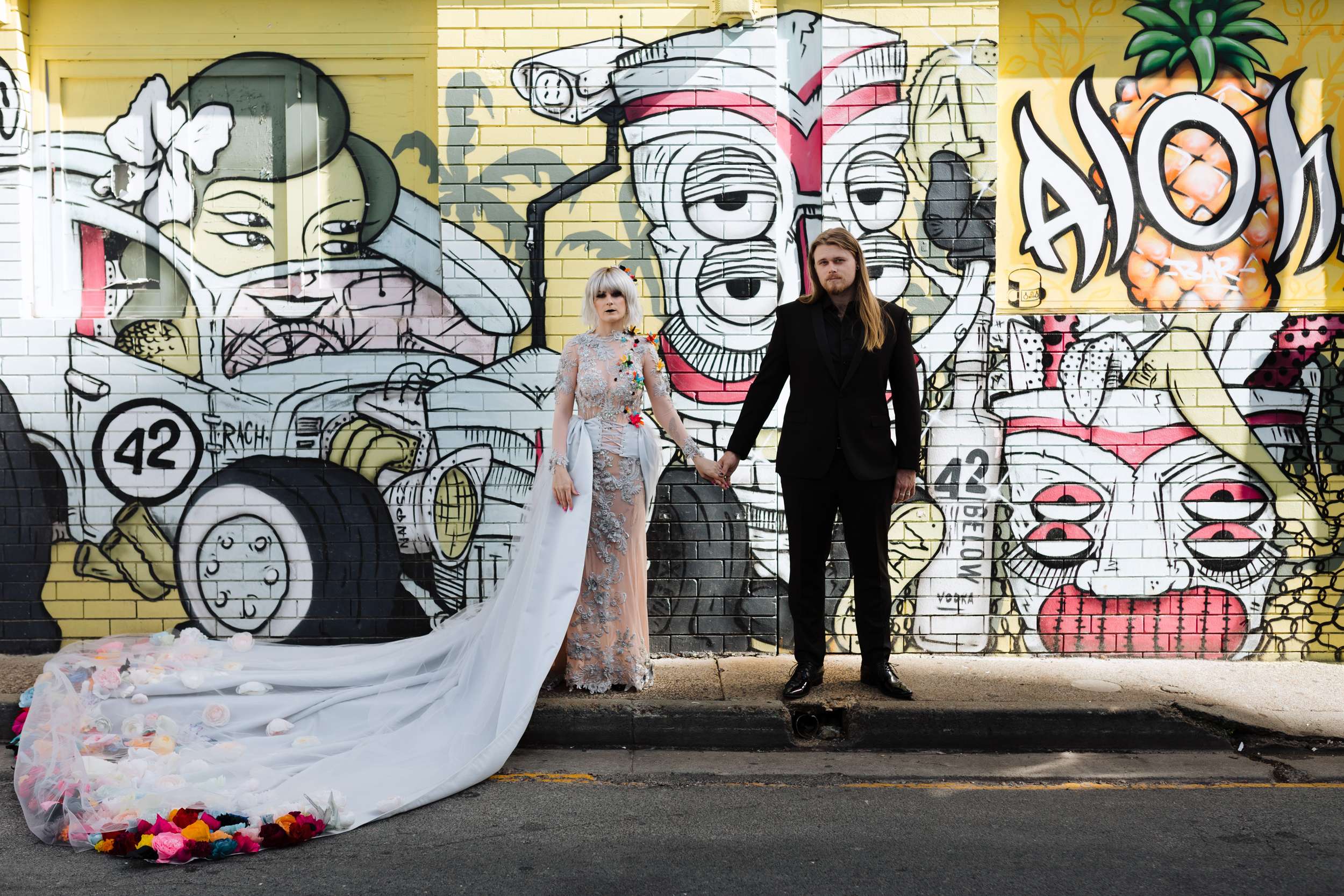
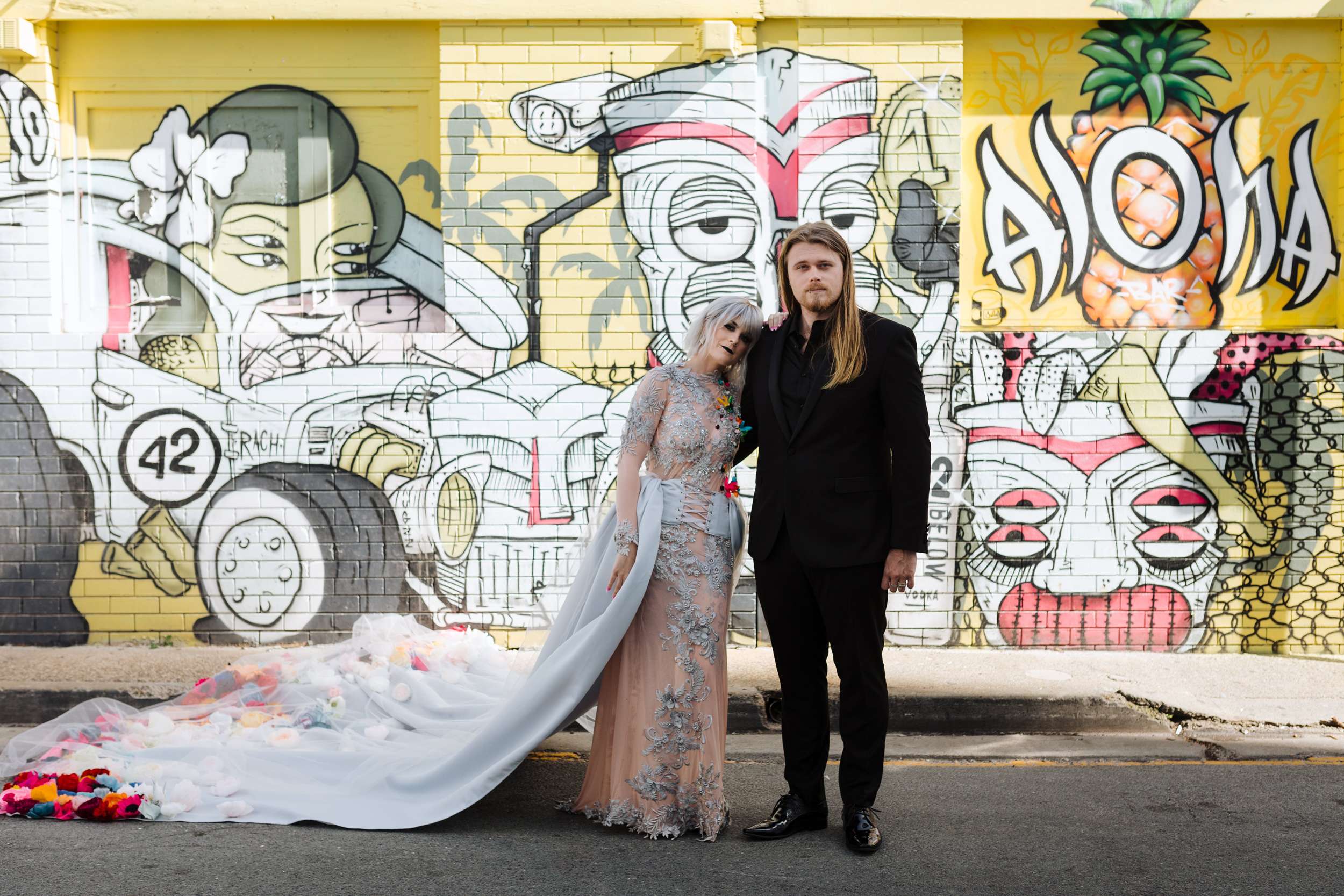
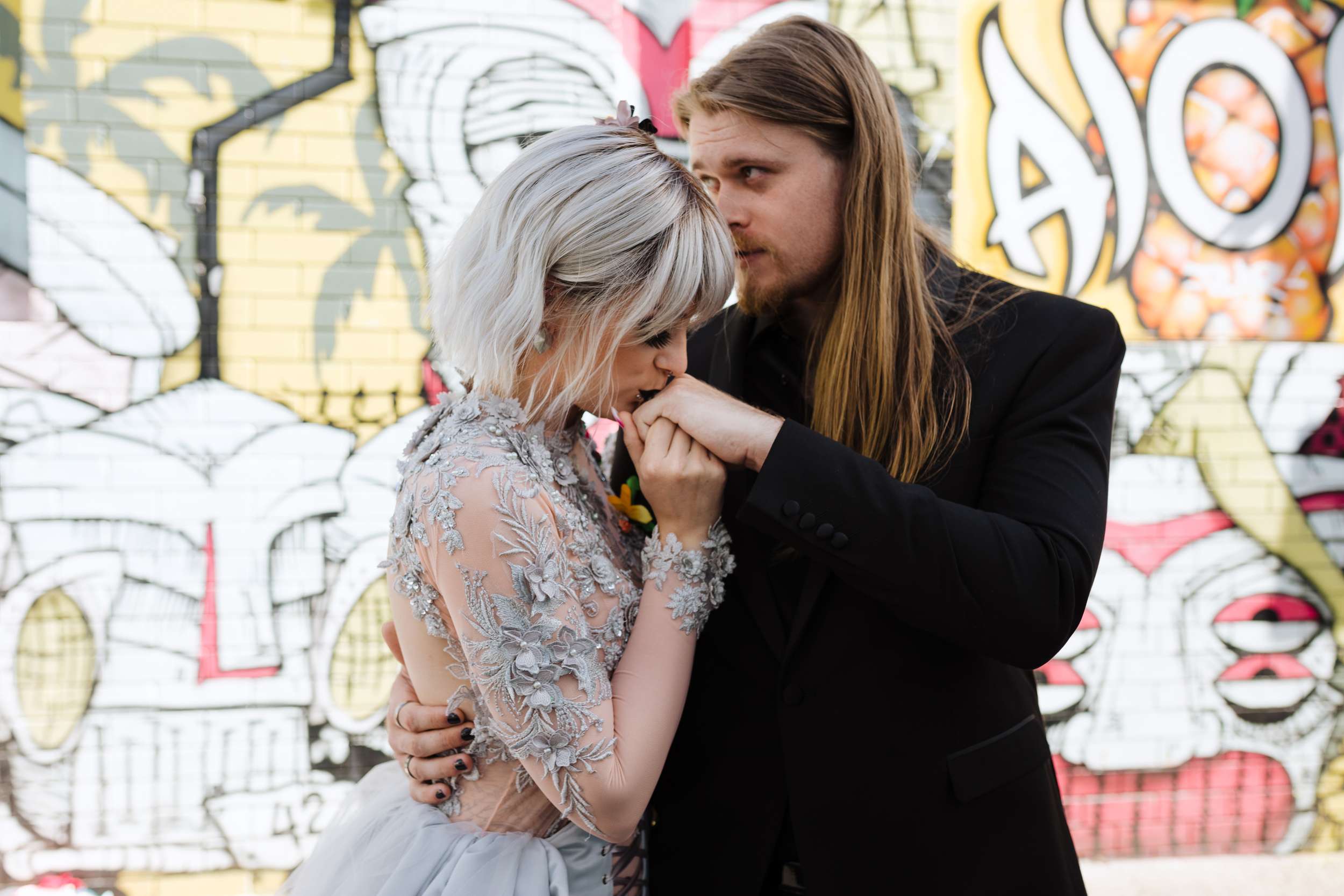
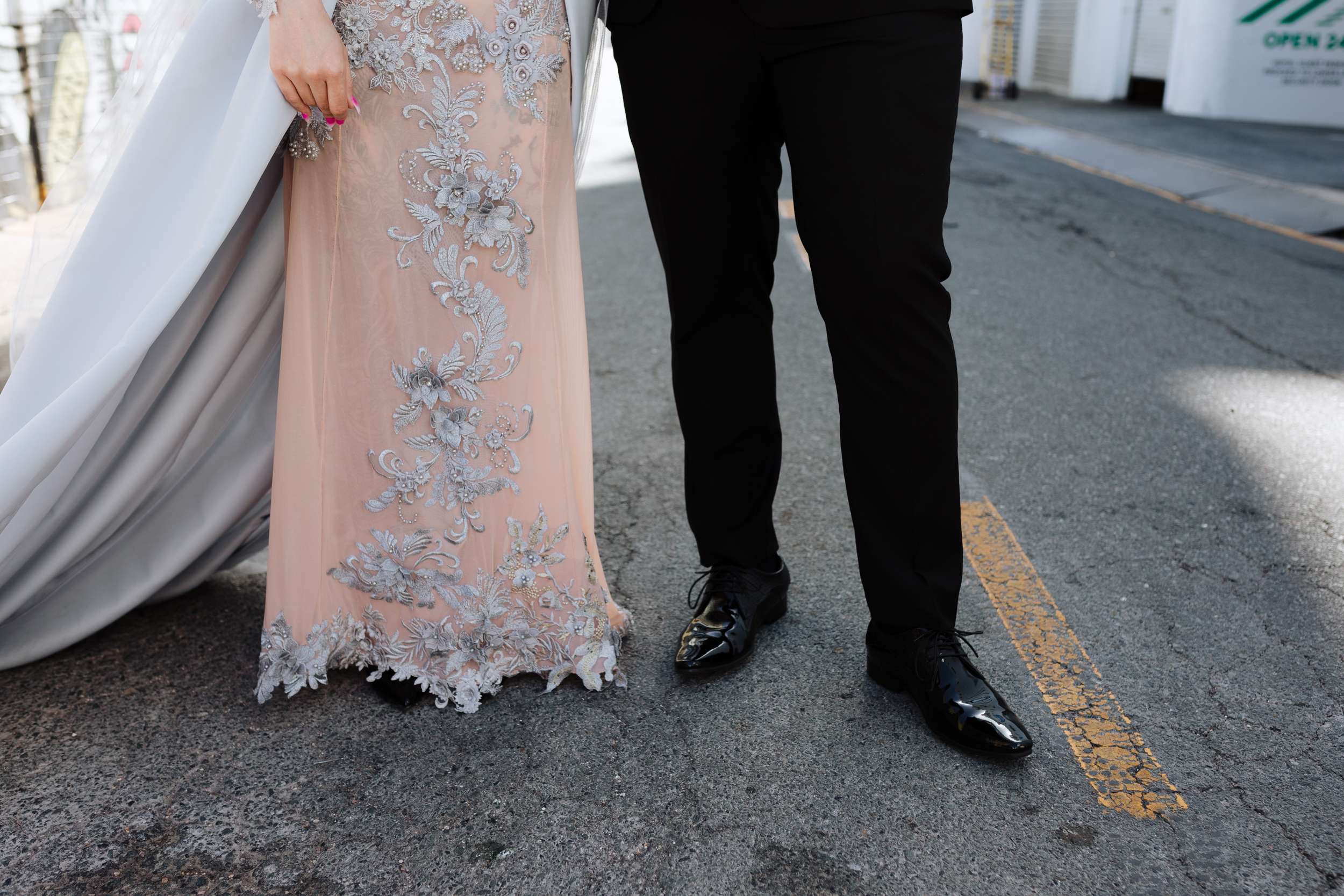
The centerpiece of the day was undoubtedly the bride’s attire. In a collaborative feat of love and labor, Blue and her mother designed and constructed the wedding dress from scratch. The gown, a triumph of DIY artistry, featured a removable, extra-long train adorned with intricately crafted crepe flowers. This floral theme extended to the bridal party, with the bride’s mother and grandmother contributing their sewing talents to create bespoke bridesmaid dresses, ensuring a cohesive, handmade aesthetic that felt both intimate and grand.
Chronology: The Arc of a Theatrical Celebration
The wedding day functioned more like a choreographed production than a traditional ceremony, moving from emotional intimacy to high-octane performance art.
The Morning Preparation
The morning was spent in focused, creative preparation. Because the venue—The Pink Flamingo—was already a sensory feast of color and light, the couple opted to forgo traditional floral centerpieces and elaborate table settings. Instead, the decor was centered around the people and the performances. The bride’s focus was entirely on the craftsmanship of her gown, a process that had occupied months of planning.
The Ceremony and "I Do"
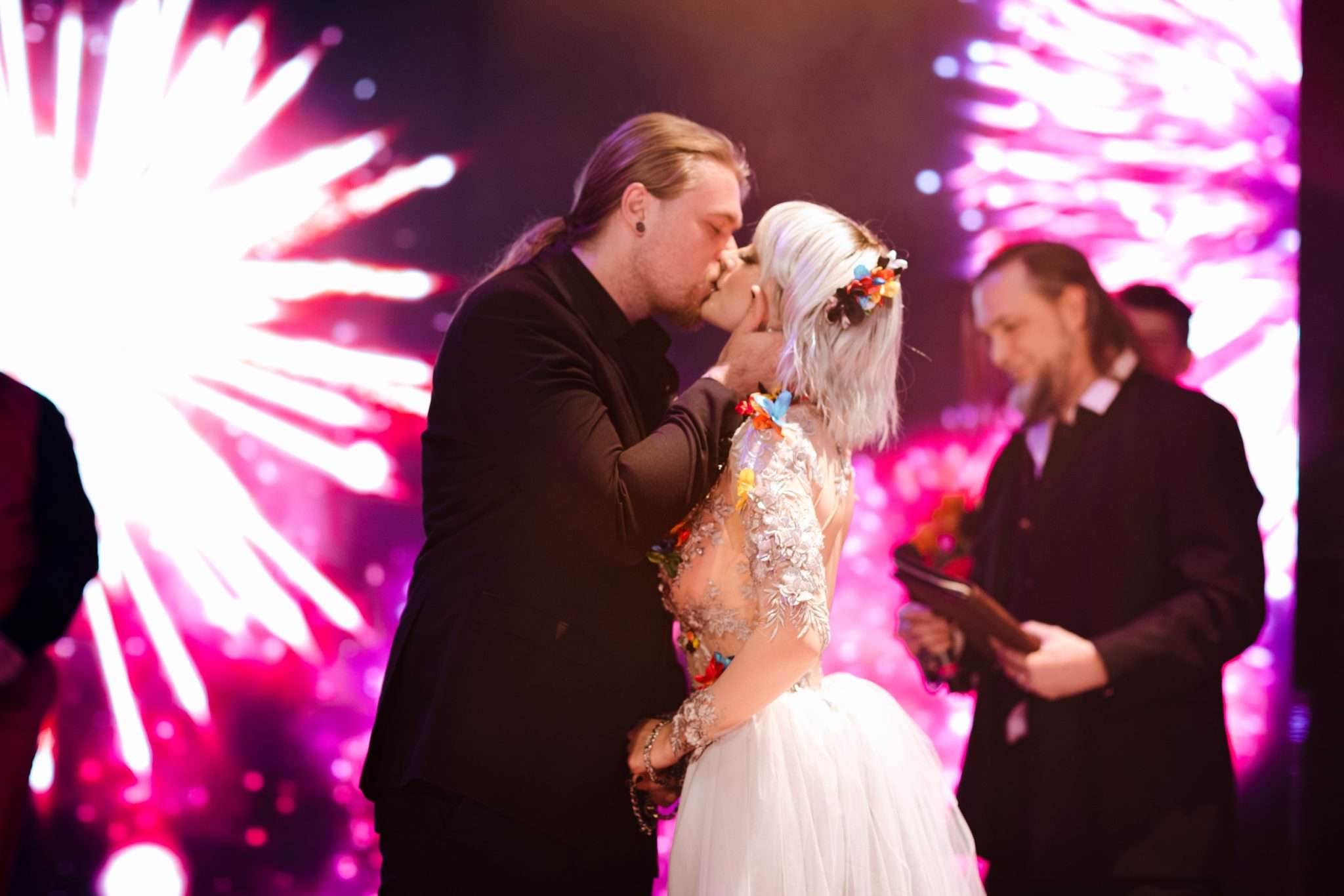
The ceremony itself served as the grounding element of the day, a moment of sincerity before the surrealist festivities began. Once the vows were exchanged, the atmosphere shifted immediately. As the newlyweds retreated for their portrait session, the guests were treated to a curated series of aerial acrobatics and cabaret performances, setting a tone of wonder that rarely accompanies a wedding reception.
The Reception and After-Show
Once the formal portraiture concluded, the night truly began. The couple had hired the entire venue, allowing the professional cast of The Pink Flamingo to deliver their legendary show to the wedding party. This transition from observer to active participant transformed the wedding into an immersive experience. The music, the performance art, and the electric atmosphere carried the celebration deep into the night, cementing the event as an outlier in the landscape of Australian nuptials.
Supporting Data: The Logistics of a "Rule-Free" Wedding
Behind the glamour and the surrealism, there were logistical choices that highlight the couple’s intentional approach to their day.
The Decision for an Adults-Only Venue
The choice to host an 18+ event was not made lightly. Because the venue’s signature performance show featured mature themes and high-decibel audio, the couple implemented an "adults-only" policy. This decision had a significant impact on the event’s social dynamic. While it preserved the integrity of the performance and the late-night atmosphere, it did lead to an earlier departure for some guests with children. Looking back, the couple acknowledges this as the one aspect of the day they might reconsider, noting that balancing a high-energy show with family-friendly requirements is a common friction point for modern couples.
Budgeting for Experience Over Ornamentation
By choosing a venue that provided its own "decor" via its inherent architecture and lighting, the couple was able to reallocate their budget toward performance and fashion. This serves as a significant case study for couples looking to reduce their environmental footprint and logistical stress. Rather than importing flowers and rental furniture, they invested in the local talent of the venue, ensuring that the wedding felt like an organic extension of the space rather than a temporary setup.
Official Responses and Personal Reflection
In reflecting on the day, Blue offers a candid perspective on the pressure placed upon brides to conform to societal expectations.
"Grandma is probably going to have an opinion, but ignore it and enjoy your day," Blue stated during a post-wedding interview. This sentiment underscores a growing trend in the wedding industry: the move away from performative tradition toward radical authenticity. Blue emphasized that there is no "right" way to get married, arguing that the only rule a couple should follow is the one they write for themselves.
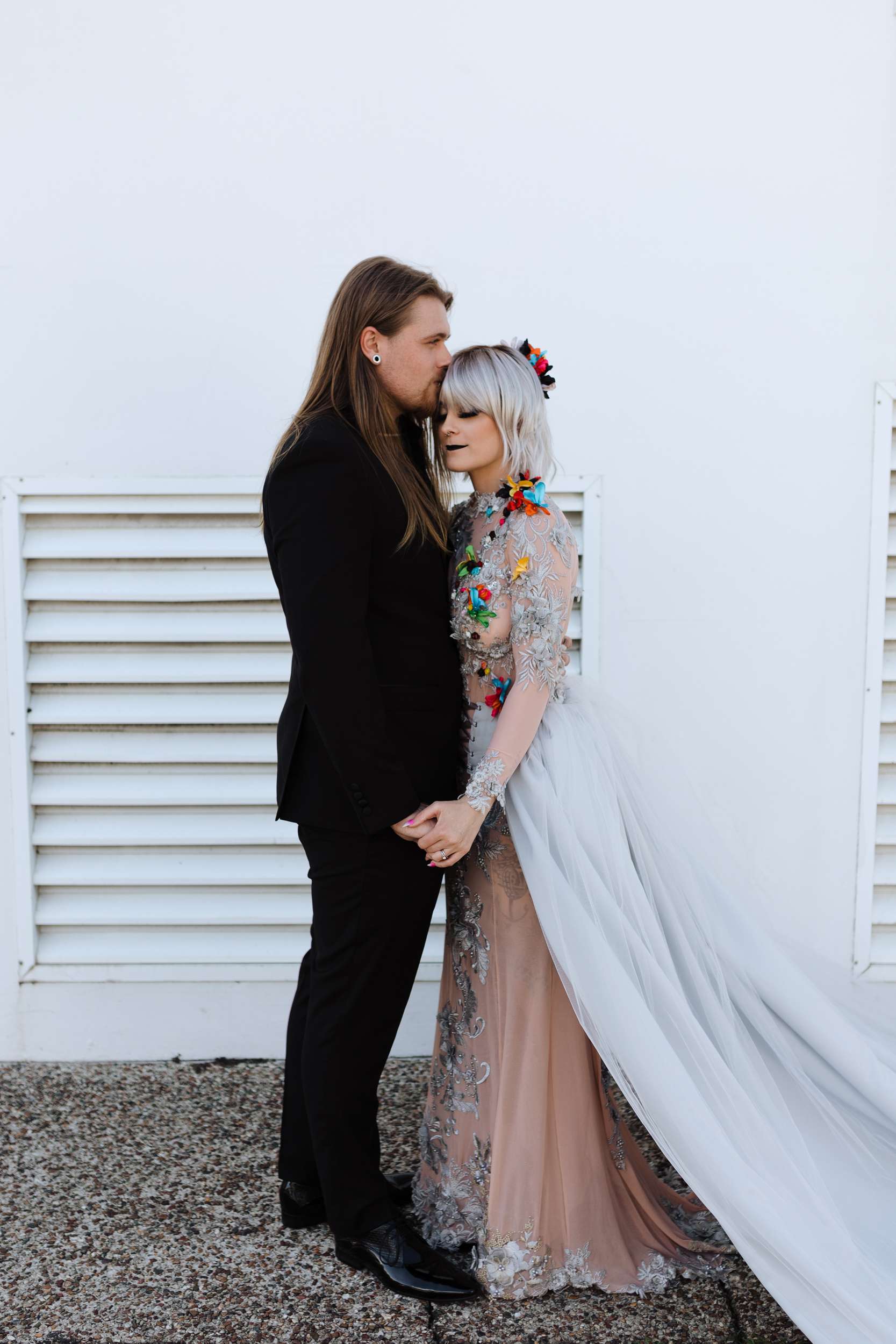
The couple’s decision to involve family members in the creation of the garments added an layer of emotional labor that, while intense, solidified the bonds between generations. By having her mother and grandmother involved in the stitching of the crepe flowers, the dress became an heirloom of effort and shared joy, rather than a mere consumer product.
Implications: The Shift Toward Radical Authenticity
The wedding of Blue and Tri serves as a broader cultural signifier of how modern couples are navigating the "Wedding Industrial Complex."
Challenging the "Goth" Stereotype
The couple’s explicit decision to reject the "dark and goth" aesthetic expected of them is a form of self-actualization. It highlights how friends and family often project identities onto couples, and how, in response, couples are increasingly using their wedding day to reclaim their narrative. By choosing hot pink and cabaret, they were not just choosing colors; they were choosing a new identity for their future together.
The Rise of Experiential Weddings
We are currently seeing a decline in the "sit-down dinner and speech" format in favor of "experiential weddings." Whether it is aerial performers, interactive art, or unconventional venues like nightclubs, the implication is clear: guests are no longer satisfied with being passive observers. They want to be entertained, and they want to witness the specific, quirky, and colorful joys of the people they are there to celebrate.
The Sustainability of Handmade
The success of Blue’s wedding dress—a garment that will likely never be replicated—also touches on the sustainable movement within bridal fashion. By designing and sewing a custom piece with family, the couple bypassed the fast-fashion bridal cycle, creating something that held deep, tangible meaning. This is a model that many young couples are beginning to emulate as they look for ways to make their weddings more personal and less tied to corporate expectations.
Conclusion: A Blueprint for the Unconventional
The story of Blue and Tri is not just about a wedding; it is about the courage to be seen in a light that defies external categorization. By curating a day that was "the opposite of what anyone expected," they achieved the ultimate goal of any celebration: they created a space that was entirely their own.
As the wedding industry continues to evolve, the legacy of this "campy, colorful, and surreal" day will likely be its encouragement to others. It invites couples to stop asking, "Is this what a wedding is supposed to look like?" and start asking, "Does this represent who we are?" In the end, the most enduring memory from their day wasn’t the venue or the dress—it was the permission they gave their guests to witness a love that was as bold, bright, and vibrant as the city they chose to celebrate in.
For those currently planning their own journeys, the takeaway is simple: discard the rulebook. Whether it is through a custom-made gown, a nightclub performance, or simply choosing a color palette that makes your heart beat faster, your wedding day is a blank canvas. Paint it in whatever colors you choose, regardless of what the critics—or your grandmother—might have to say about it.