
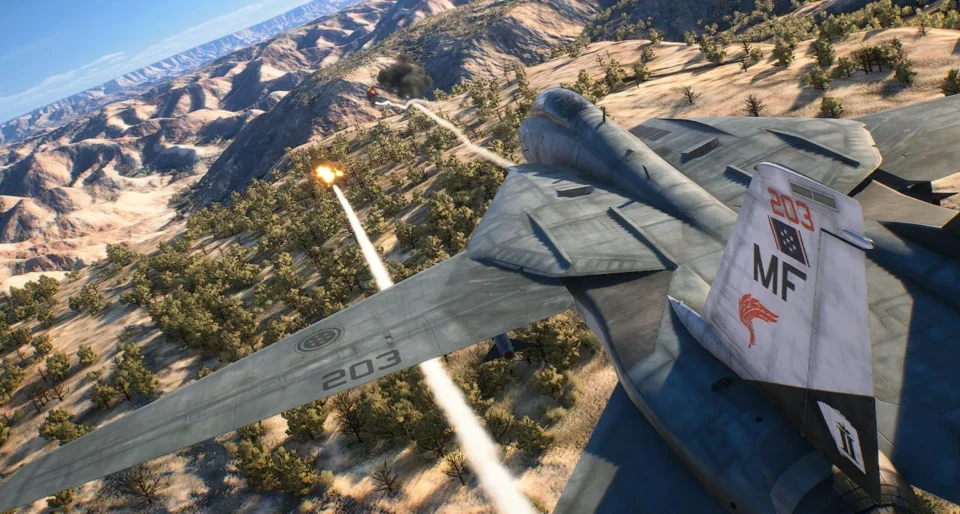
Ace Combat 8: Wings of Theve Review – A High-Altitude Masterclass in Iterative Evolution

By Ian Dean
In the world of high-octane aerial combat, few franchises carry the pedigree of Ace Combat. Since the late 90s, the series has defined a specific brand of "arcade-sim" hybridity—marrying the technical precision of real-world aviation modeling with the hyperactive, melodramatic sensibilities of a high-budget anime production. With the release of Ace Combat 8: Wings of Theve, developer Project Aces returns to the cockpit, not to reinvent the wheel, but to ensure that the wheel spins faster, smoother, and with more breathtaking intensity than ever before.
While the game is not a radical departure from the established formula, it is a polished, confident refinement of everything that makes the series a cult phenomenon.
Main Facts: The Return to the Blue Skies
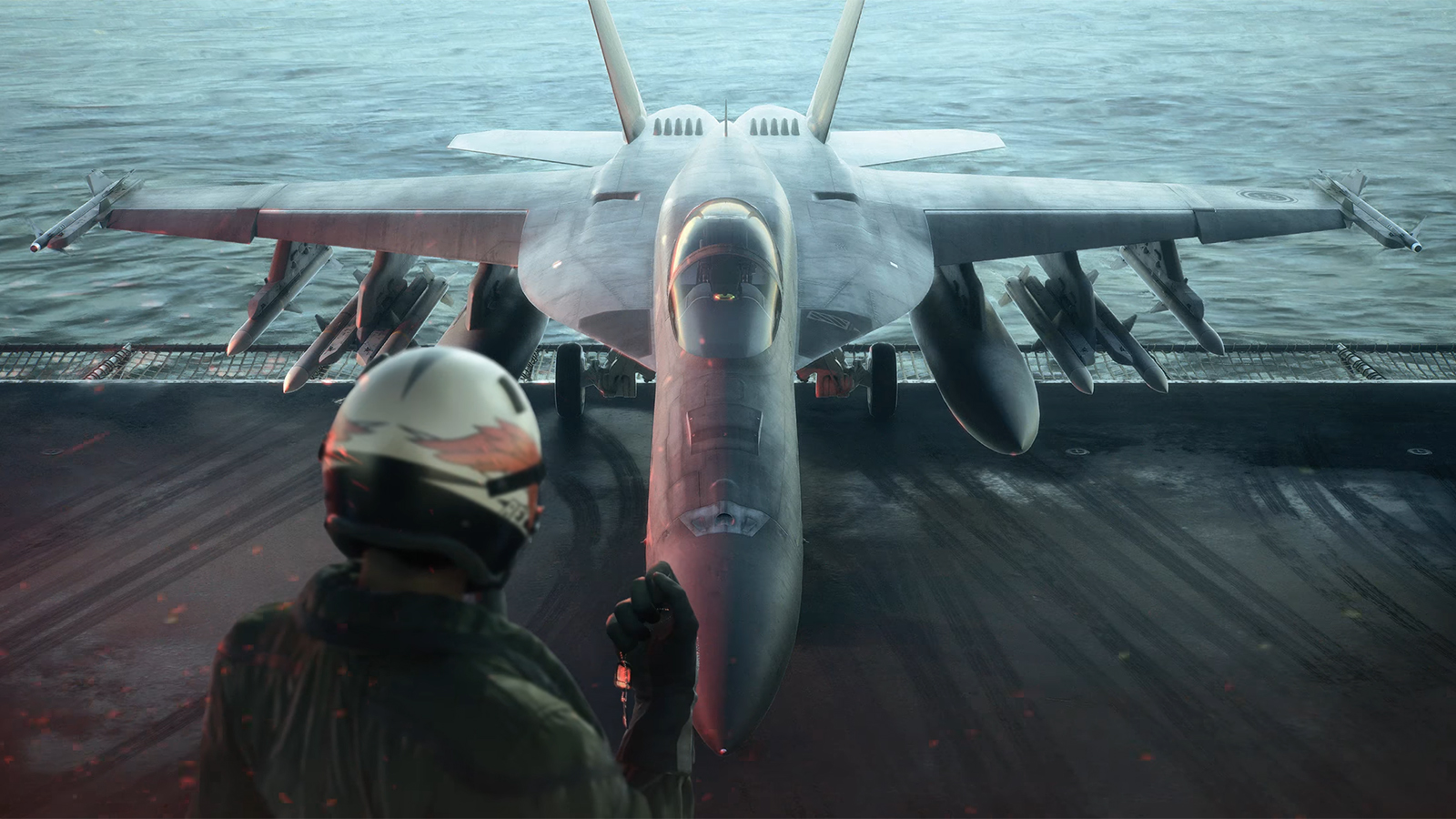
Ace Combat 8: Wings of Theve arrives on October 2, launching on PlayStation 5, Xbox Series X|S, and PC. Built upon the robust architecture of Unreal Engine 5, the title represents a visual and mechanical leap for the franchise. The premise is classic Ace Combat: a war-torn world—specifically the Federation of Central Usea—is on the brink of collapse. The player steps into the flight suit of an underdog pilot aboard the aging carrier Endurance.
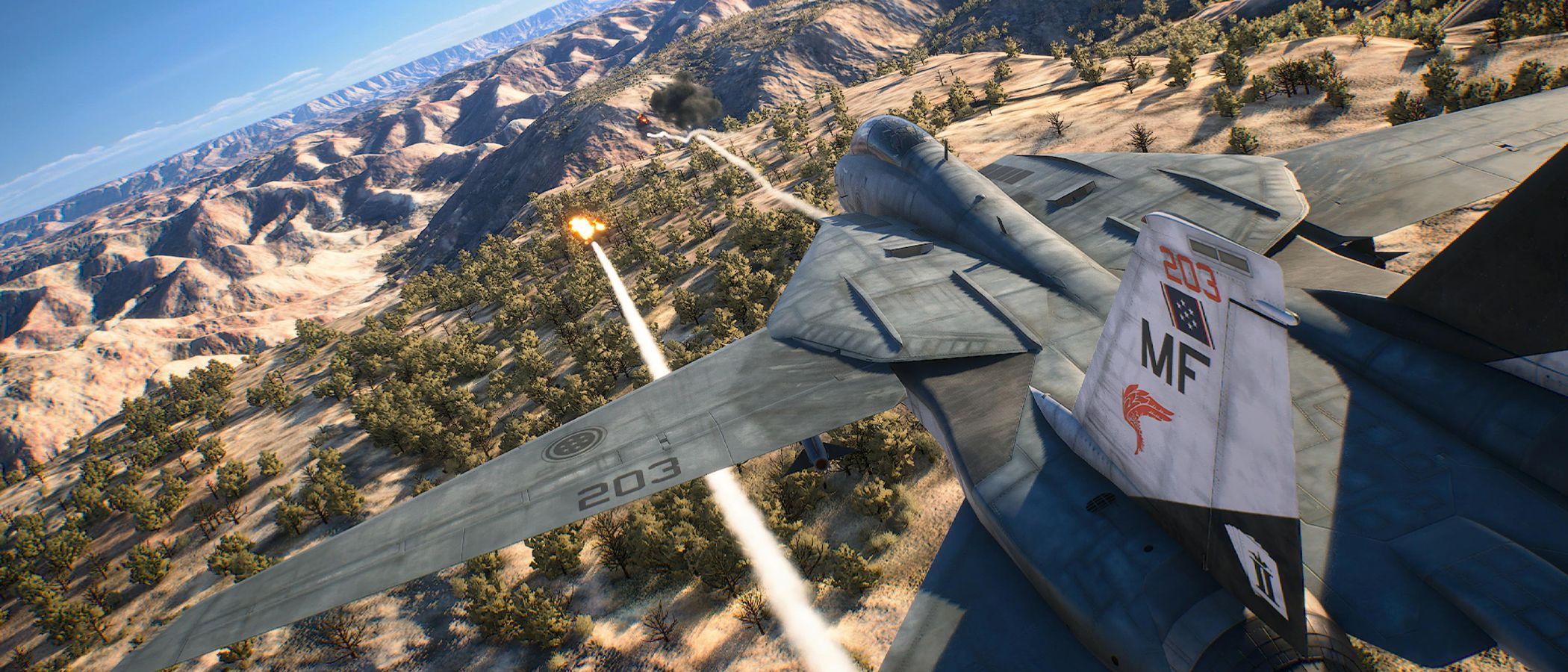
Following a propaganda campaign that turns a legendary pilot—the titular "Wings of Theve"—into a messianic figure, the player inherits the mantle, leading "Joker Flight" into the fray. It is a narrative of borrowed identity and the struggle of the few against the many. The core loop remains: lock on, cycle targets, deploy special weapons, and engage in high-speed, low-altitude dogfights.
Chronology: A Legacy of Aerial Dogfighting
To understand Ace Combat 8, one must appreciate the trajectory of the series. While many fans point to the seminal Ace Combat 3: Electrosphere as the series’ true spiritual genesis, the last decade has been defined by the return to the series’ roots after a period of experimentation.
Ace Combat 7: Skies Unknown successfully revitalized the brand by leaning into its core strengths: accessible controls, cinematic scale, and those iconic, absurdly large "super-weapons." Wings of Theve builds on this foundation by integrating more modern design philosophies, such as dynamic squadron management and a more personalized, first-person narrative layer that unfolds between missions.
The game’s progression follows a clear arc: it introduces the player to the mechanics of the Endurance carrier, establishes the stakes of the conflict, and then slowly escalates the scale until the final act—a massive, multi-front engagement that features a sky literally crowded with hundreds of aircraft.
Supporting Data: Technical Performance and Gameplay Depth
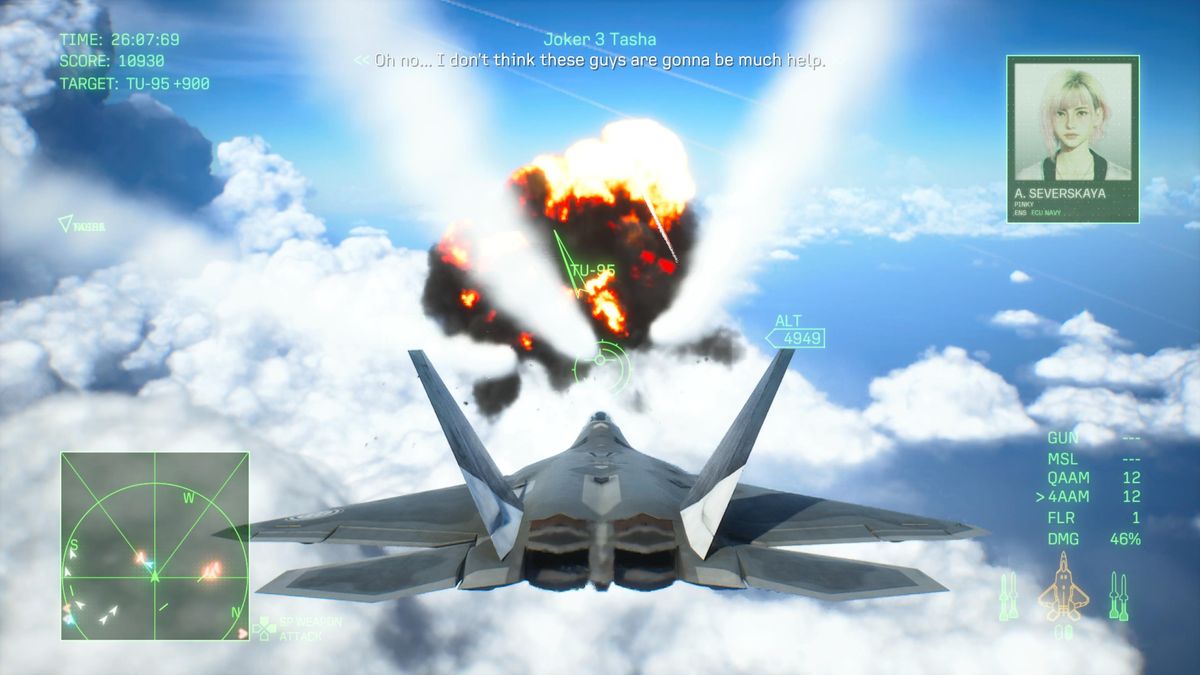
The integration of Unreal Engine 5 is the star of the show. The fidelity is not merely cosmetic; the volumetric, ray-traced clouds serve as a fundamental tactical asset. In previous entries, weather was often a decorative element or a simple visibility hindrance. Here, the clouds are a sanctuary. They can be used to break enemy line-of-sight, disrupt missile tracking, and provide a desperate hiding spot during a botched engagement.
The Squadron System
One of the most touted features is the return of squad-based commands. Players can use the D-pad to issue directives to wingmen—Baxter, Tasha, and Coster. While this is less complex than the system seen in Ace Combat 6, it introduces a new layer of investment: the ability to spend Military Result Points (MRP) to upgrade your teammates’ aircraft and gear.
However, the reality of the gameplay is that the "lock-on-and-fire" rhythm is so satisfying that the tactical layer often takes a backseat. While directing the squadron is helpful, it is rarely required. The game maintains a delicate balance:
- Simulation: Provides the satisfaction of piloting a recognizable jet.
- Arcade: Maintains the speed and adrenaline that prevents the game from becoming a tedious flight-school simulator.
Multiplayer Expansion
The multiplayer suite is where the potential for future longevity lies. With a 100-player Air Base hub, the game attempts to create a persistent community space. Modes include:
- Co-Op Warfare: Two teams of four battling NPC forces simultaneously.
- PvPvE Scramble: Competitive raids against AI super-weapons.
- Co-Op Assault: A high-pressure scoring contest.
Initial impressions suggest that unlike the campaign’s AI-driven encounters, the multiplayer environment forces players to consider positioning, role-specialization, and team cohesion. It is a bold, ambitious expansion that feels like a natural evolution for the series.
Official Responses and Developer Intent
Project Aces has been clear in their communications regarding the direction of Wings of Theve. They have sought to create a "total war" experience. In interviews, the team noted that they wanted to move away from the isolated feel of previous titles and make the world feel like a living, breathing place.
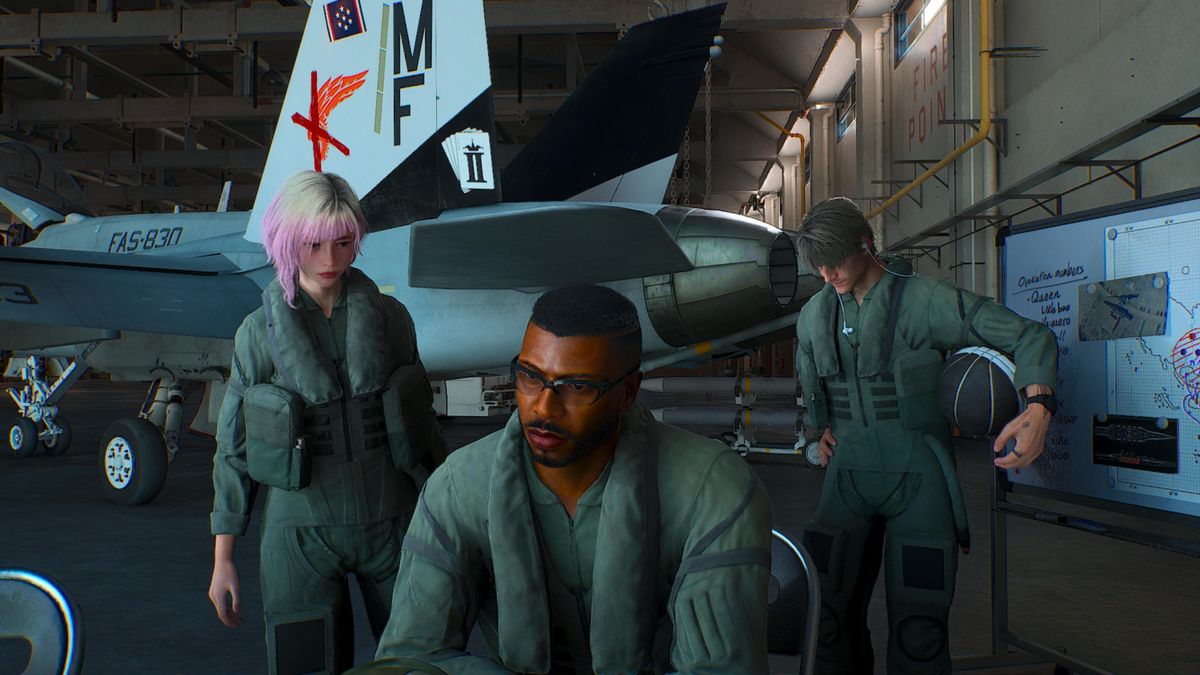
The introduction of first-person, non-combat interludes aboard the Endurance is an attempt to inject humanity into the faceless nature of jet combat. Your performance directly impacts the narrative—who survives, who joins your squad, and who assists you in the final missions. This adds a layer of consequence that has been historically absent in the franchise.
Implications: Where Does the Series Go From Here?
Ace Combat 8 proves that the franchise does not need a "reinvention" to remain relevant. By leaning into the absurdity of its own premise—where a single pilot can turn the tide of a global war by destroying a city-sized flying battleship—it embraces its identity.
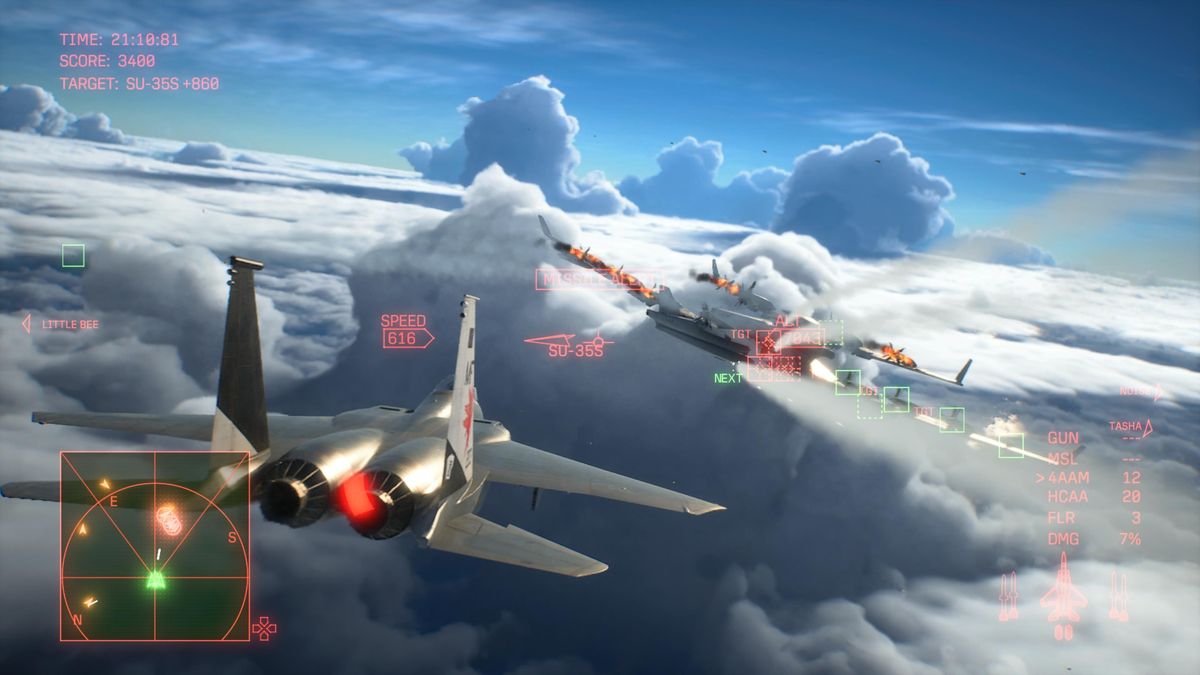
However, the game is not without its minor faults. Certain missions, particularly those focusing on stealth and radar avoidance, feel like a jarring break from the high-octane joy of the dogfights. These moments highlight the "rails" upon which the game runs, revealing that while the spectacle is grand, the underlying mission structure can occasionally feel restrictive.
Final Verdict
If you are looking for a title that challenges the status quo of gaming, Ace Combat 8 might leave you wanting more in terms of innovation. But if you are looking for the pure, unadulterated thrill of the dogfight, it is unparalleled. When the music swells, the clouds break, and you are surrounded by a thousand enemy aircraft, the cynicism fades.
Ace Combat 8: Wings of Theve is a triumphant, if predictable, return to form. It is a reminder that in the world of video games, sometimes sticking to the formula is exactly what is needed—provided that formula is executed with this level of polish, heart, and high-altitude madness.
Whether you are a veteran of the series or a newcomer looking to see what the fuss is about, Wings of Theve offers an experience that is as comforting as it is exhilarating. It doesn’t reinvent the sky; it simply reminds us why we love to fly in it.
Pros & Cons
For:
- Exceptional use of Unreal Engine 5 to create a sense of scale.
- The "feel" of flight remains the best in the genre.
- Dynamic narrative choices add weight to the campaign.
- Ambitious multiplayer suite with diverse co-op and PvP modes.
Against:
- Stealth-based missions feel like an unnecessary departure from the core fun.
- Squadron commands, while present, lack the depth needed for true tactical variety.
- The core gameplay loop is identical to its predecessors, which may deter those looking for systemic innovation.
Ian Dean is the Editor of Digital Arts & 3D at Creative Bloq. With decades of experience covering gaming and technology, he brings a veteran’s perspective to the latest in interactive entertainment.