Looking Ahead to 2026: Meetup Outlines Product Roadmap Following a Transformative Year of Redesigns and Community Growth

NEW YORK — As the calendar turns toward 2026, the team behind Meetup, the world’s largest platform for live, in-person local community building, is taking stock of a foundational year. Following a series of platform-wide overhauls designed to maximize reliability and user efficiency throughout 2025, the company has officially pulled back the curtain on its comprehensive product roadmap for the coming year.
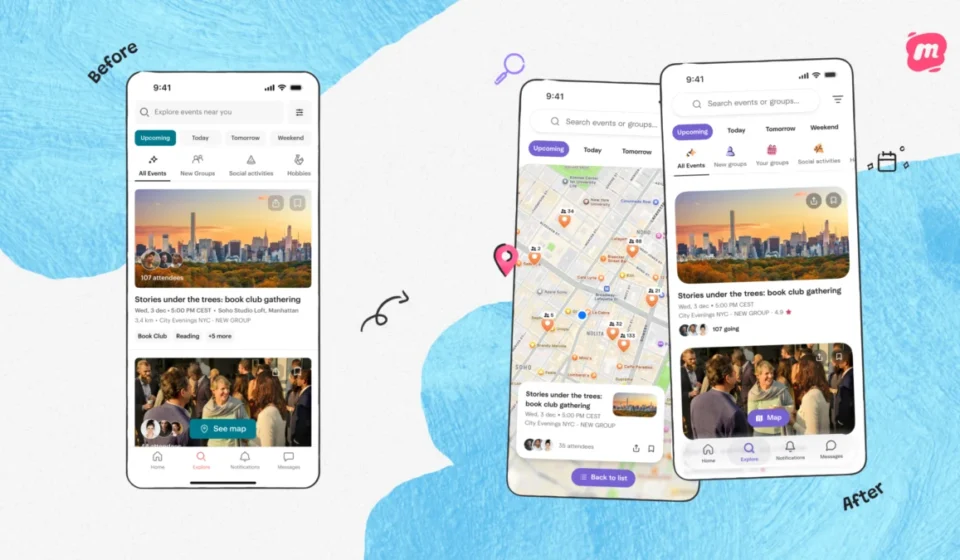
Marked by the finalization of a long-awaited mobile redesign on December 18, 2025, Meetup’s leadership is pivoting aggressively toward a 2026 strategy centered on three core pillars: delivering a modern mobile experience, streamlining the community-building process, and cultivating member confidence through enhanced transparency and connection tools.
Main Facts
Meetup’s end-of-year product disclosure highlights several critical operational milestones and strategic shifts scheduled for deployment over the next twelve months:
- Completion of the Mobile Redesign: Following the web platform redesign rolled out in October 2025, Meetup officially finalized and launched its completely reimagined mobile experience on December 18, 2025.
- Three Strategic Pillars for 2026: The product roadmap moving forward focuses on making community-building effortless, giving members greater confidence to show up and connect, and maintaining a modern mobile-first interface.
- Organic Growth Ecosystem: Statistics provided by the platform show that 75% of active event organizers originally began their journeys on Meetup as standard community members.
- Recent Platform Enhancements: The announcement builds on a wave of late-2025 updates, which included public group reviews, direct-response capabilities for organizer reviews, and automated event syncing with Google Calendar.
Chronology: A Transformational Timeline
To understand Meetup’s strategic trajectory for 2026, it is necessary to trace the platform’s rapid developmental timeline over the course of the preceding year.
Early-to-Mid 2025: Laying the Technical Foundation
Throughout the first half of 2025, Meetup’s engineering and product teams concentrated heavily on platform reliability and efficiency. Recognizing that event organizers faced friction when setting up and managing local groups, the company introduced infrastructure updates designed to streamline event scheduling. Among these was the integration of automatic event syncing with Google Calendar, cutting down on administrative drop-off. Furthermore, the platform introduced public group reviews and direct-response systems, giving organizers granular control over their digital reputation while offering prospective members transparent feedback loops.
October 2025: The Web Transformation
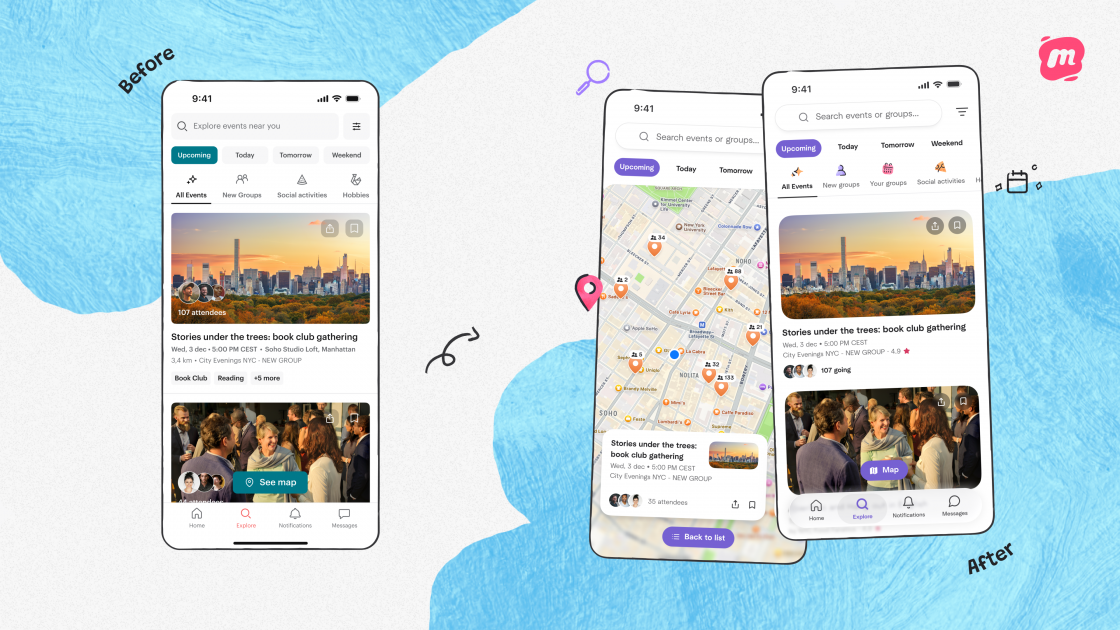
In October 2025, Meetup implemented the most significant visual and functional redesign of its web platform in years. The stated objective was to inject an inspiring, deeply human aesthetic into the interface without sacrificing the robust utility that legacy users depended on. This redesign set a new benchmark for how users discovered local groups, establishing a cohesive visual language that paved the way for impending mobile changes.
December 2025: Mobile Launch and Roadmap Reveal
The critical milestone arrived on December 18, 2025, with the official go-live of the completely overhauled mobile experience. Culminating months of user testing and interface refinement, the new mobile rollout brought the aesthetic and structural improvements of the October web update directly to smartphones and tablets. Concurrently, leadership published its official strategic roadmap for 2026, detailing how the company plans to build upon this fresh technical foundation.
Supporting Data and Platform Metrics
Meetup’s 2026 roadmap is heavily informed by internal data regarding how users interact with the platform, transition between roles, and experience local events.
- 75% Conversion Rate: A cornerstone statistic underpinning Meetup’s product philosophy is that three out of every four organizers started as regular platform participants. This data point validates the company’s push to make the transition from attendee to event host as friction-free as possible.
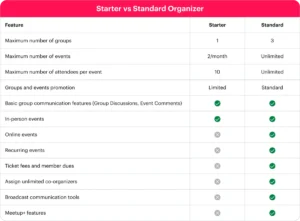
- The "Starter" Plan Impact: The introduction of Meetup Starter—a zero-cost tier designed to ease first-time hosts into event creation—served as a primary engine for community generation throughout 2025.
- Multi-Tier Engagement: Platform metrics indicate that user retention spikes significantly when members have access to transparent event details, clear organizer profiles, and frictionless scheduling tools.
Official Responses and Strategic Vision
In an official year-end communication to the global community, Meetup leadership—spearheaded by company representatives—outlined the psychological and practical motivations driving the 2026 roadmap.
"As 2025 comes to a close, we’re reflecting on a transformative year for Meetup," leadership shared in an official statement. "For months, our focus has been on making Meetup more reliable and efficient for organizers, and more inviting and intuitive for the entire community."
Rather than viewing the platform as a mere digital directory, management is positioning Meetup as a holistic facilitator of human connection. The product philosophy for 2026 is built around supporting users across three distinct phases of any social gathering: before an event, during the interaction itself, and in the post-event reflection period.
"We believe the path to organizing events and building communities on Meetup will become noticeably smoother and more intuitive," company representatives noted regarding the upcoming product rollout. By listening closely to ongoing feedback from both veteran organizers and first-time attendees, the platform aims to iterate dynamically throughout the year.
Implications for Organizers and Members
The implementation of Meetup’s 2026 roadmap carries significant implications for the millions of people who rely on the platform to combat social isolation, build professional networks, and pursue shared hobbies.
For Event Organizers: Reducing Administrative Friction
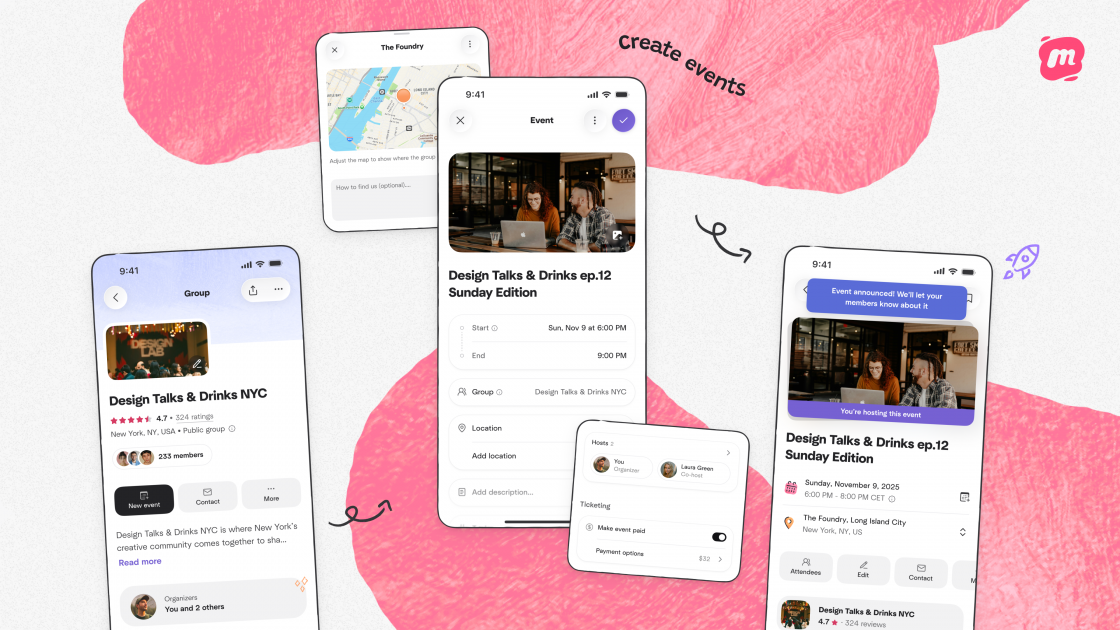
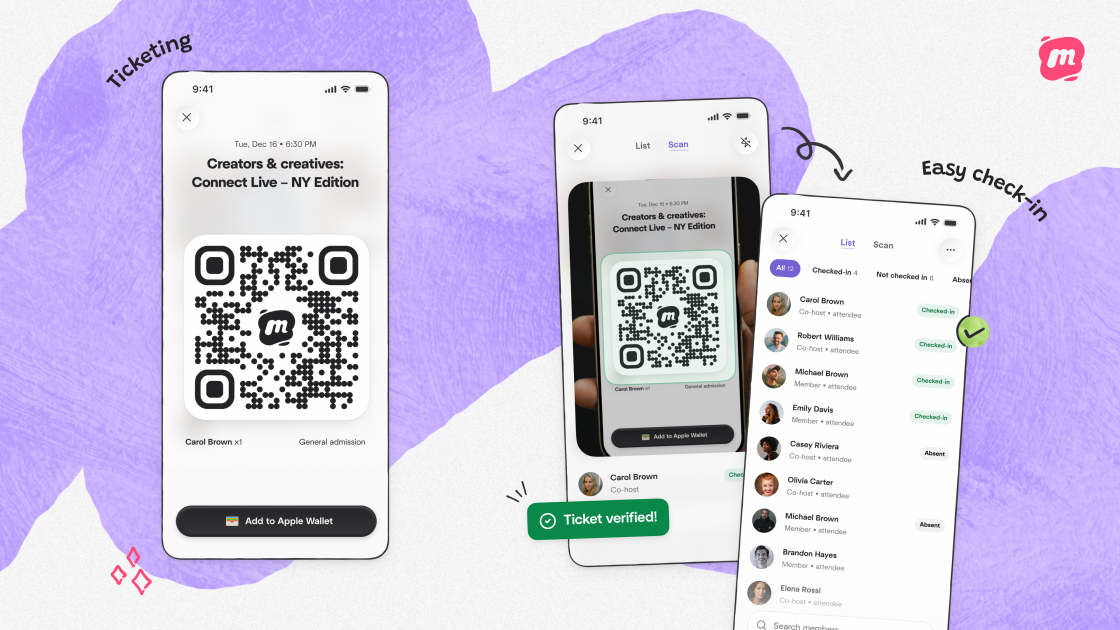
Organizers are the lifeblood of the Meetup ecosystem. By streamlining community-building tools—building upon the success of Meetup Starter and optimizing mobile management capabilities—the platform is actively lowering the barrier to entry for prospective hosts. Features aimed at unifying app functionalities and refining ticketing processes mean that community leaders will spend less time wrestling with backend logistics and more time fostering meaningful local engagements.
For Community Members: Overcoming Social Anxiety
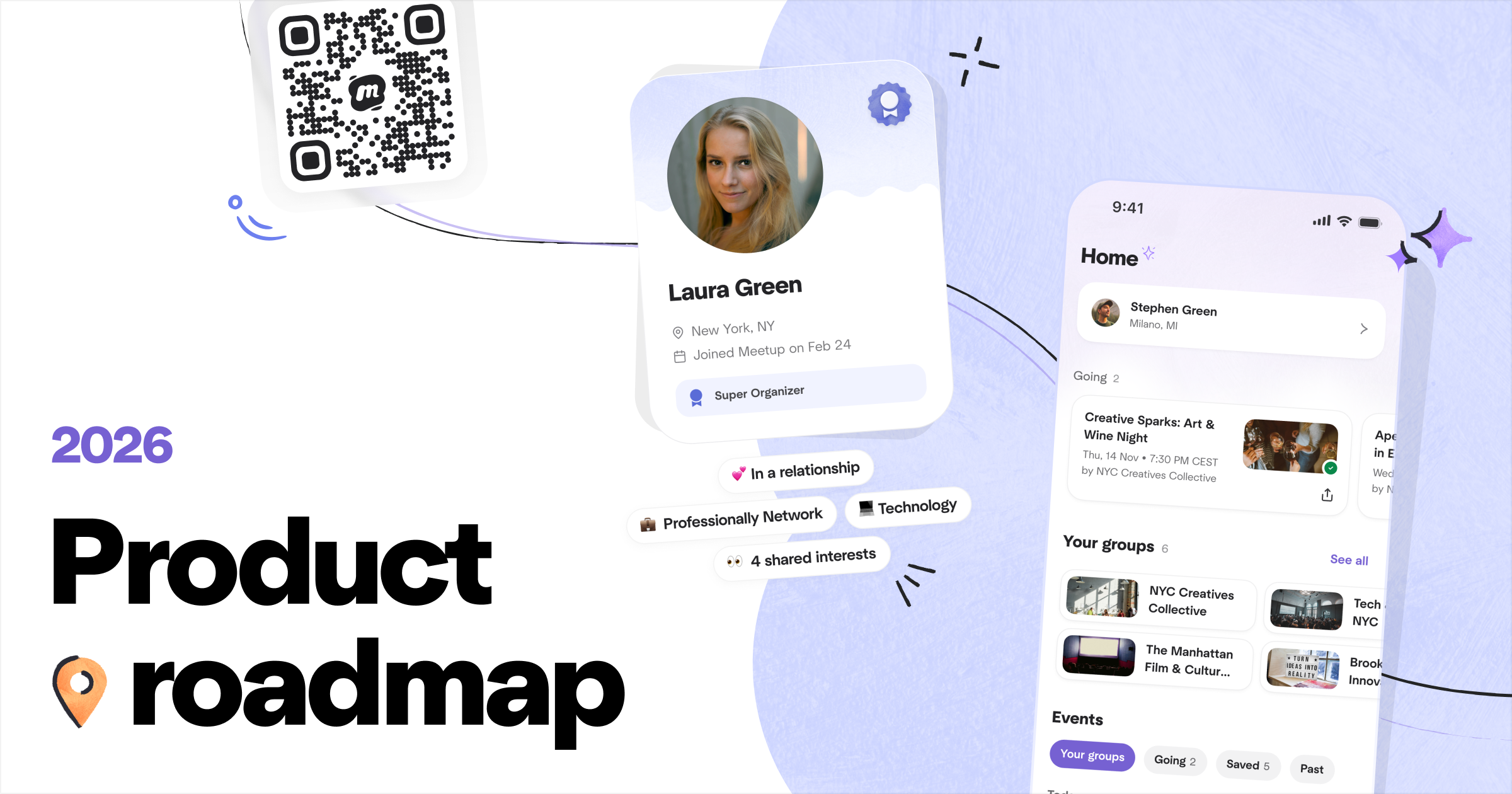
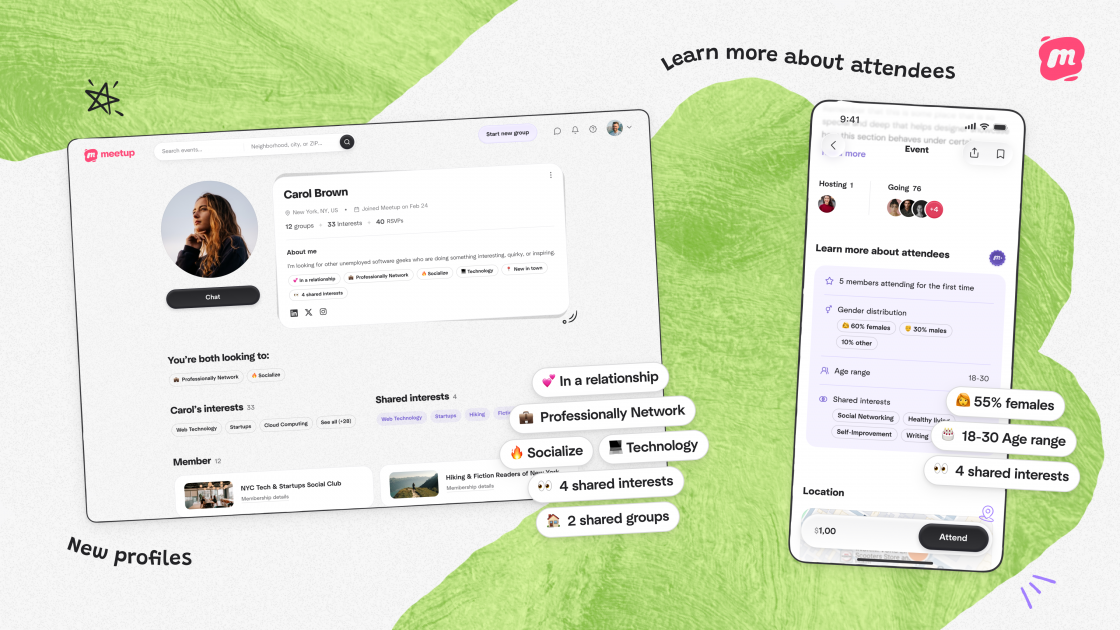
Attending a local meetup for the first time can be an intimidating prospect. Recognizing this psychological hurdle, Meetup’s 2026 initiatives explicitly target pre-event anxiety. By introducing richer, more transparent member profiles and highlighting "Super Organizers," the platform ensures that participants can step into an event with clear expectations about who they will meet, what shared interests exist, and who is guiding the experience.
The Broader Social Impact
In an era characterized by rising concerns over digital-first alienation and loneliness epidemics, Meetup’s technical investments serve a broader societal function. By removing the technological and psychological friction inherent in face-to-face social discovery, the platform is doubling down on its core mission: getting people out from behind their screens and into the physical spaces where genuine community takes root.
As development continues throughout 2026, Meetup’s commitment to iterative, community-informed product design ensures that the platform will remain a vital infrastructure for local human connection well into the future.