
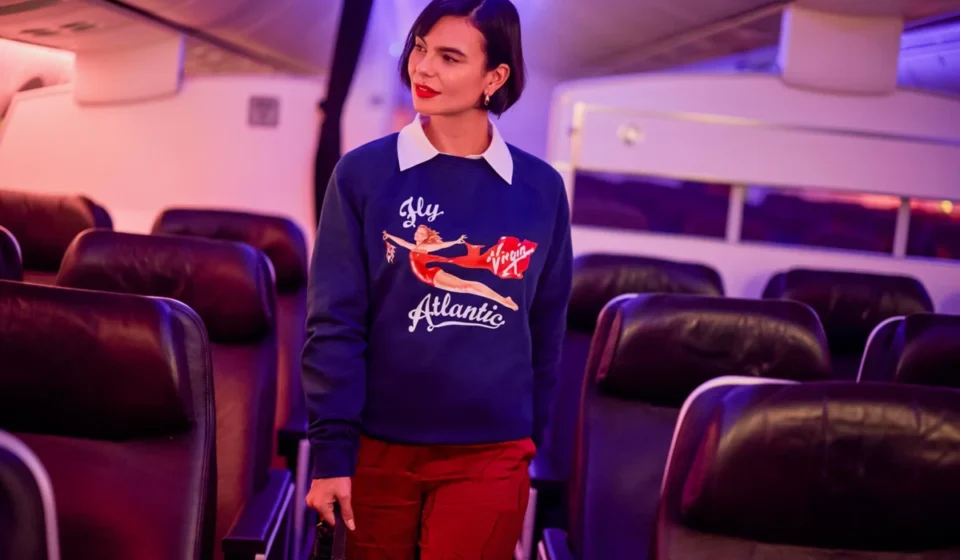

For decades, the airline industry viewed branded merchandise as little more than a functional necessity—the plastic-wrapped playing cards, the cheap ballpoint pens, and the utilitarian keychains distributed to keep passengers occupied at 30,000 feet. Today, that narrative has shifted dramatically. Airlines are no longer just transportation providers; they are evolving into lifestyle brands, curating sophisticated, high-end merchandise that resonates with aviation enthusiasts, fashion-conscious travelers, and collectors alike.
As carriers move beyond the cabin to cultivate brand loyalty on the ground, the "merch game" has become a sophisticated pillar of ancillary revenue. From limited-edition collaborations with haute couture designers to the resurrection of vintage aesthetics, airlines are proving that their brand identity is a commodity as valuable as the flight path itself.
The Evolution of Airline Merchandising: A Chronological Overview
To understand the current obsession with airline-branded goods, one must look at the history of aviation marketing, which has transitioned through three distinct eras.
The Golden Age: Promoting the Experience (1950s–1970s)
In the mid-20th century, air travel was an aspirational luxury. Airlines focused on selling the romance of flight. During this period, merchandise was primarily promotional. Carriers like Pan Am and TWA invested heavily in high-quality travel posters, pilot-style bags, and branded luggage tags. These items were designed to serve as status symbols for the global traveler, effectively turning every passenger into a billboard for the airline’s reach.
The Era of Standardization (1980s–2000s)
As deregulation hit the industry, the focus shifted toward efficiency and cost-cutting. Merchandising became standardized. Amenity kits—once a source of prestige—became functional, low-cost plastic pouches. Branded goods were relegated to the back of the inflight magazine, usually featuring low-quality polyester shirts or plastic models of aircraft that lacked design ambition.
The Lifestyle Renaissance (2010s–Present)
The current era is defined by the "Instagrammable" aesthetic and the rise of the "Aviation Geek" (AvGeek) community. Recognizing that their brand identity could transcend the flight, airlines began partnering with luxury fashion houses and design firms. This shift was fueled by social media, where rare amenity kits and limited-edition uniform pieces became viral content. Today, airlines are launching dedicated online storefronts, releasing seasonal "drops," and collaborating with heritage brands to create products that people actually want to own, wear, and collect.
Supporting Data: The Economics of the Cabin-to-Closet Pipeline
The strategic push into merchandise is not merely a branding exercise; it is a calculated effort to diversify revenue streams. In an industry where profit margins are notoriously thin, ancillary revenue—income beyond the basic airfare—has become a lifeline.
Recent market analysis suggests that global branded merchandise revenue is on an upward trajectory. While specific airline merchandise figures are often bundled into broader "ancillary revenue" reports, the secondary market provides a clearer picture of demand. On platforms like eBay and Etsy, vintage airline memorabilia has seen a 15–20% increase in valuation over the last five years. Rare first-class amenity kits from the 1970s or limited-run designer collaborations can fetch hundreds, sometimes thousands, of dollars.
For airlines, the "limited edition" model is key. By producing small batches of high-quality items—such as tote bags made from retired cabin upholstery or limited-run streetwear collaborations—airlines create artificial scarcity. This psychological trigger drives demand, ensuring that products sell out rapidly, thereby maintaining high brand prestige and minimizing overhead costs associated with unsold inventory.
The Strategic Shift: Why "Actually Good" Merch Matters
The transition from "cheap giveaway" to "curated collection" has required a fundamental change in the airline-consumer relationship. Modern travelers are discerning; they do not want a polyester shirt with a large, tacky logo. They want items that reflect their identity as global citizens.
Luxury Collaborations
Leading carriers like Emirates, Qatar Airways, and ANA have set the gold standard by partnering with luxury brands. For instance, amenity kits now often feature products from Aesop, Acqua di Parma, or Bulgari. These are not just items; they are brand associations. When a passenger carries a Bulgari-branded amenity kit, the airline inherits the prestige of the Italian fashion house.
Upcycling and Sustainability
Sustainability is the new currency of brand loyalty. Airlines are increasingly utilizing decommissioned materials to create merchandise. United Airlines, for example, has experimented with upcycling leather from seat covers into luggage tags and wallets. This resonates with the environmentally conscious consumer and provides a compelling narrative for the product: it is a piece of the airplane’s history, saved from a landfill.
The Rise of the "AvGeek" Market
There is a thriving subculture of collectors who treat airline merchandise with the same reverence as sneakerheads treat limited-edition shoes. Airlines have begun to tap into this by releasing "heritage" lines. By digging into their archives and reproducing vintage logos or retro cabin attire, airlines are selling nostalgia. This is a powerful marketing tool that bridges the gap between older passengers who remember the "golden age" and younger travelers who find the aesthetic trendy.
Official Responses and Corporate Strategy
Executives in the aviation sector have increasingly acknowledged that merchandise is no longer a peripheral marketing cost, but a core business component.
In a recent industry forum, a senior marketing director for a major international carrier remarked, "Our brand is the sum of every touchpoint. If a passenger leaves our aircraft and decides to wear our logo on the street, we have successfully extended our brand reach into their personal life. That is the ultimate form of loyalty."
However, this strategy is not without its challenges. The primary concern for airlines is brand dilution. If an airline produces low-quality merchandise, it risks tarnishing its premium image. This is why the industry is moving toward "curated design." By hiring external designers to oversee product development, airlines ensure that the aesthetics remain consistent with their overall brand identity. The goal is to create products that feel like they belong in a boutique, not an airport duty-free shop.
Implications: The Future of Airline Lifestyle
The implications of this shift are profound for both the industry and the traveler.
For the Airlines
As the competitive landscape intensifies, airlines will likely move toward more "digital-physical" hybrid products. We can expect to see more integration between loyalty programs and merchandise storefronts, where travelers can use their frequent flyer miles to purchase exclusive, non-travel-related items. This keeps the brand top-of-mind even when the customer is not actively flying.
For the Traveler and Investor
For the average traveler, this means a better quality of goods. For the collector, it means that the "merch game" has turned into a legitimate investment opportunity. As items become more limited and design-focused, the potential for appreciation in value increases. Travelers are encouraged to look for pieces that are "limited run"—items produced for a specific anniversary, a special inaugural flight, or a designer partnership.
The Cultural Impact
Ultimately, airlines are successfully repositioning themselves as lifestyle curators. By moving away from the utilitarian and toward the aspirational, they are ensuring that their brand identity survives long after the landing gear is retracted. Whether it is a vintage-inspired silk scarf or a high-end travel bag made from recycled materials, these products are the modern artifacts of the aviation industry.
Conclusion: Is it Worth the Miles?
The current state of airline merchandise is a testament to the power of design-led thinking. It is no longer about slapping a logo on a mass-produced plastic item. It is about storytelling, craftsmanship, and the recognition that travelers are looking for a piece of the journey to take home.
Whether you are a casual traveler looking for a functional travel accessory or a dedicated collector hunting for the next big eBay find, the world of airline merchandise has never been more vibrant. As airlines continue to innovate, one thing is certain: the best way to keep customers coming back is to give them a brand that is worth wearing, displaying, and keeping.
So, the next time you find yourself browsing the catalog in the seatback pocket or exploring an airline’s online shop, take a closer look. You might just find a piece of aviation history that is, quite literally, worth the miles. And if you are still looking for more travel-inspired goods, don’t forget to explore collections that celebrate the spirit of exploration—like the Fodor’s retro shirts collection, which proves that the best souvenirs are the ones that tell a story of where we’ve been and how we got there.