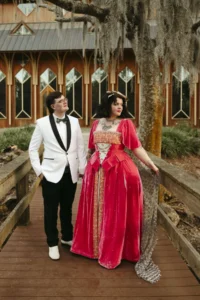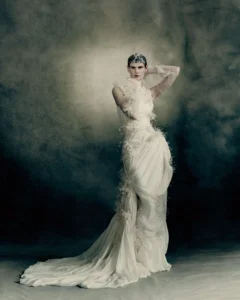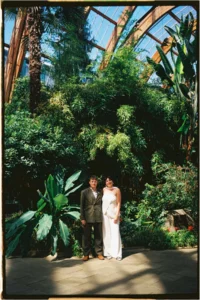
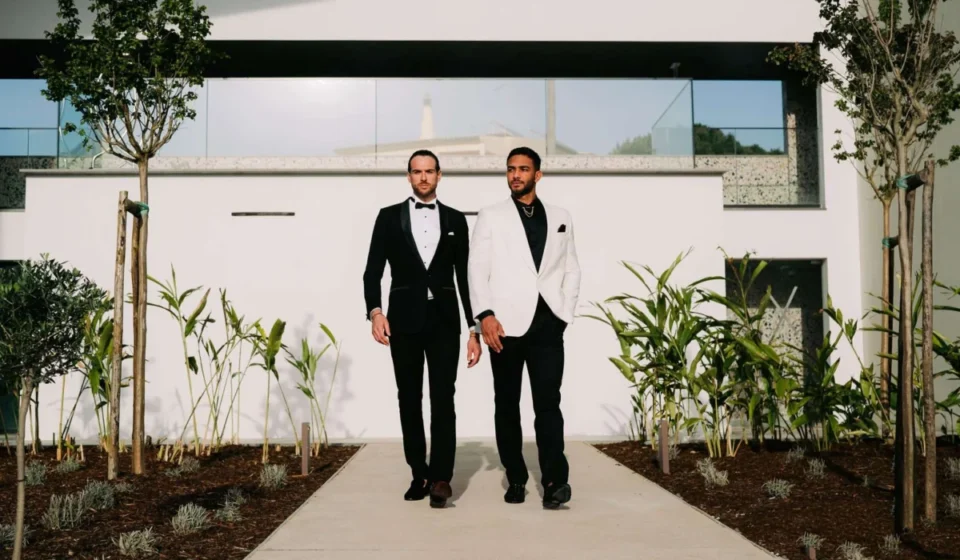

For decades, the standard wedding narrative has relegated the groom to the role of a supporting character in his own nuptials—at least when it comes to style. While bridal fashion has historically been treated as a canvas for high-concept design and personal expression, grooms have been routinely funneled into a monochromatic, interchangeable assembly line: black, navy, or grey. The prevailing assumption in the wedding industry has long been that a groom’s primary responsibility is to blend into the background, providing a neutral foil for his partner’s gown.
However, a shifting tide in the wedding industry is challenging this corporate-adjacent dress code. For the alternative groom—the man who spends his weekends in leather jackets, vintage prints, or tailored streetwear—the wedding day no longer necessitates a total erasure of personal identity. The movement toward expressive menswear is not about abandoning the suit; it is about reclaiming the suit as an extension of the wearer’s personality rather than a costume for a board meeting.
The Evolution of the Wedding Suit: A Chronology of Conformity
To understand why the "standard" groom’s attire feels so restrictive, one must look at the mid-20th-century evolution of formalwear. Post-World War II wedding photography normalized the "uniform" of the dark lounge suit. As rental shops proliferated in the 1980s and 90s, the goal of wedding menswear shifted from style to standardization. Suit hire companies prioritized durability and universal fit over individuality, cementing the "sea of navy" aesthetic that dominates wedding venues today.
By the early 2010s, a subtle pushback began to emerge. As social media platforms like Pinterest and Instagram allowed couples to curate weddings that reflected their specific subcultures—from gothic manor aesthetics to festival-style bohemian bashes—the "off-the-rack" suit began to look increasingly out of place.
We are now in an era of the "intentional groom." This shift recognizes that the modern wedding is an opportunity for personal branding. The current trend is no longer about adhering to the rigid formality of a tuxedo or a morning suit, but about crafting a narrative through fabric, cut, and accessories that bridge the gap between high-fashion editorial and personal authenticity.
Supporting Data: The Rise of Personalization in Menswear
Industry reports from recent bridal fashion weeks indicate a sharp uptick in interest for "non-traditional" groom options. According to data from independent wedding retailers, there has been a 35% increase in requests for custom-colored linings, unconventional lapel styles, and textured fabrics like velvet and jacquard over the last three fiscal years.
Furthermore, the rise of the "micro-wedding" and "elopement" movements has accelerated this trend. When guest lists shrink, the pressure to conform to traditional expectations of what a wedding "should" look like evaporates. This freedom has led to a surge in grooms experimenting with silhouettes that would have been considered "too much" in a traditional church setting. The data suggests that grooms are moving away from the "hire-and-forget" model and toward a "buy-and-bespoke" model, viewing their wedding suit as a long-term investment piece rather than a one-off rental.
Texture as the New Language of Style
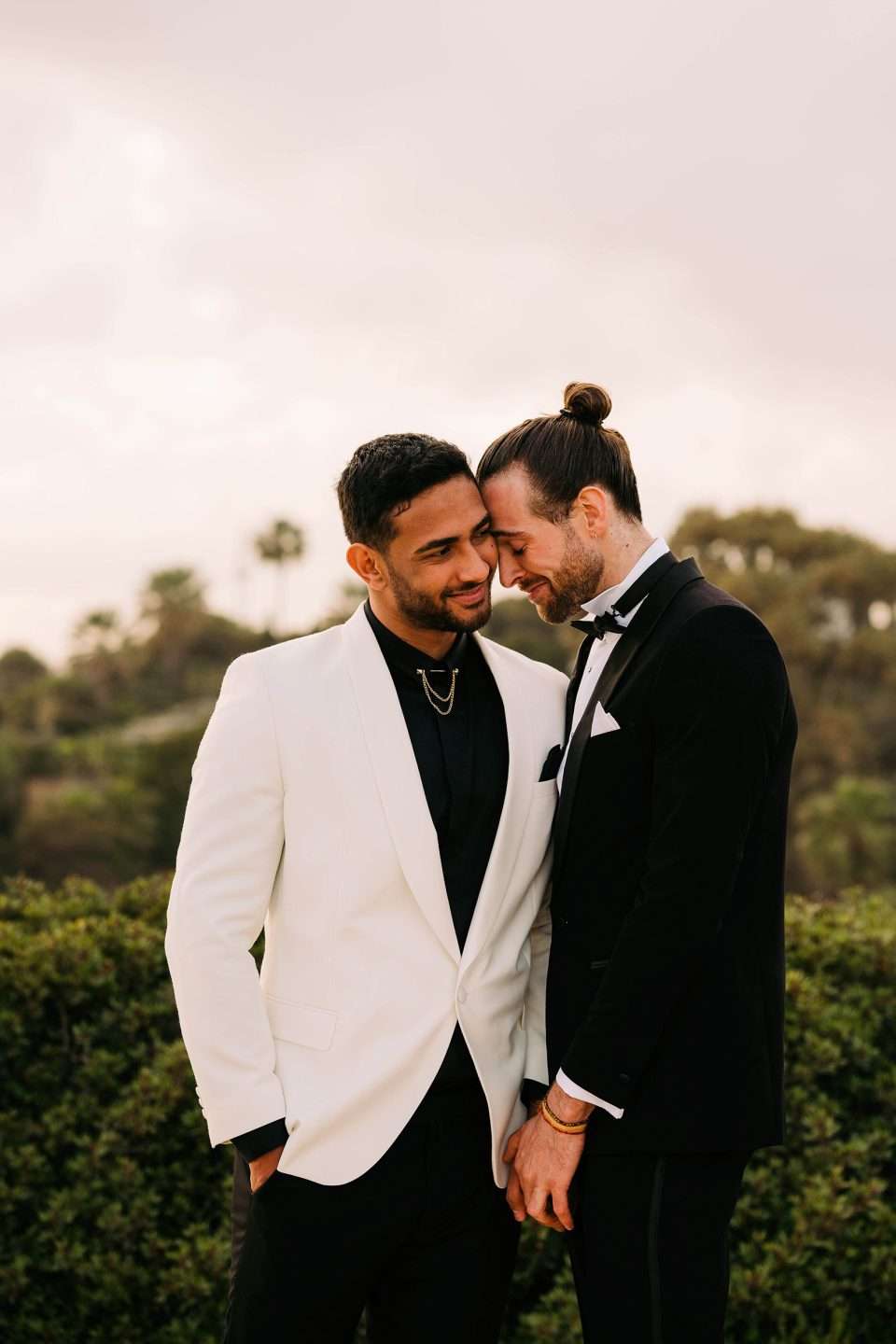
The most immediate way to elevate a groom’s look is to depart from the flat, smooth wools that define the corporate office. Texture is the secret weapon of the sartorially inclined. By introducing fabrics such as velvet, corduroy, raw linen, or heavy brocade, a groom adds immediate depth to his ensemble.
When a suit catches the light—whether it is the soft, diffused glow of a rustic barn or the sharp, dramatic spotlights of an industrial city venue—texture provides a visual interest that flat wool simply cannot replicate. A velvet dinner jacket in deep emerald, burgundy, or midnight navy offers a luxurious, tactile experience that feels celebratory rather than clinical. Similarly, the use of patterned jacquard fabrics can transform a standard two-button silhouette into a piece of wearable art, signaling that the groom is a participant in the aesthetic of the day, not merely a bystander.
The Waistcoat: A Canvas for Subversion
If the jacket is the frame, the waistcoat is the portrait. For many grooms, the waistcoat represents the final frontier of wedding attire. It is the perfect location for bold choices that might otherwise overwhelm a full suit.
Historically, waistcoats were expected to match the trousers and jacket, forming a rigid "three-piece" uniform. Today’s alternative groom views the waistcoat as a standalone statement piece. Whether it features intricate embroidery, a high-contrast pattern, or a bold color—such as deep mustard, royal violet, or even a subtle skull print for the edgier groom—it serves as the centerpiece of the outfit.
The practical benefit of the waistcoat is also worth noting: once the party starts, the jacket inevitably comes off. A well-chosen waistcoat ensures that the groom remains the best-dressed person on the dance floor, maintaining his style identity long after the formality of the ceremony has concluded.
Beyond the Silk Tie: Redefining Neckwear
The traditional long silk tie has become the default, but it is rarely the most comfortable or stylish choice. For the modern groom, the neck is a prime area for expression.
- The Bolo Tie: Ideal for western-inspired, rustic, or desert weddings, the bolo tie offers a nod to heritage and rugged elegance.
- The Neckerchief: For a more relaxed, bohemian vibe, a silk or cotton neckerchief provides color without the stiffness of a necktie.
- The Knitted Tie: Perfect for adding texture, a slim knitted tie suggests a sophisticated, vintage-inspired sensibility.
- The Open Collar: For the groom who feels most authentic in a crisp white shirt, skipping the tie entirely is a valid—and often cleaner—choice. When the tailoring of the jacket is impeccable, the open neck creates a confident, minimalist look that is perfectly suited for modern venues.
The Details: Where Character Lives
The difference between a "standard" suit and a memorable one often lies in the architecture of the garment. Lapel choice is a primary indicator of intent. A peak lapel, which points upward toward the shoulder, creates a broader, more masculine, and more formal silhouette than the standard notch lapel.
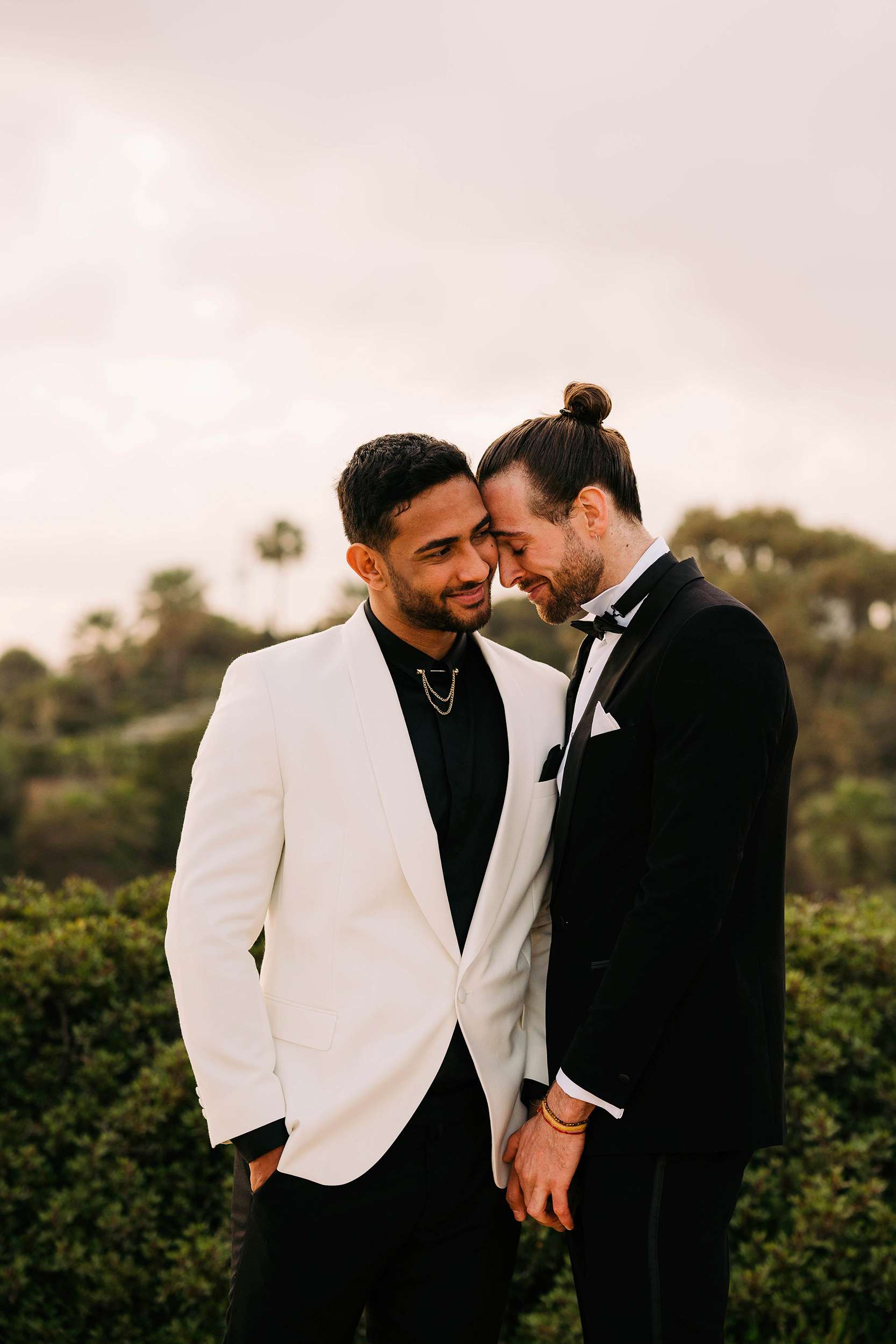
Beyond the lapel, custom elements such as contrast piping, colored buttonholes, or internal linings that feature personal patterns can turn a mass-produced suit into something bespoke. These are the "hidden" details—often only visible to the wearer or those closest to him—that serve as a reminder that the day is personal.
The Importance of Tailoring: The Great Equalizer
Regardless of the fabric, color, or accessory choices, one rule remains absolute: the fit is paramount. A high-end brocade blazer will fail if the shoulders are drooping, and a budget-friendly suit can look like a million dollars if it is cut to the wearer’s exact measurements.
The "alternative" groom often makes the mistake of thinking that because his style is edgy, he doesn’t need to adhere to the rules of fit. In reality, the bolder the choice, the more essential the tailoring. "Puddling" at the hem or "bunching" at the back of the jacket can distract from the intentionality of the outfit.
The most successful grooms are those who allocate a portion of their budget specifically for a professional tailor. Even an off-the-rack garment from a high-street retailer can be transformed into a bespoke-looking piece with a few strategic alterations. The goal is for the garment to move with the body, not against it.
Official Responses and Implications
Industry professionals are increasingly advising grooms to start the wardrobe process at least six months prior to the wedding date. This allows for the sourcing of unique fabrics and the necessary time for multiple fitting appointments.
"We are seeing a shift where grooms are coming in with mood boards, just like brides," says a leading bespoke tailor based in London. "They want to talk about how their suit will look in the photos, how it will feel during the vows, and how it will transition into the evening party. The implication here is that the ‘groom’s suit’ is no longer an afterthought. It is a key element of the couple’s visual identity."
The broader implication of this trend is a move toward equality in wedding fashion. As the industry stops pushing the "standard groom" narrative, it opens the door for a more inclusive, diverse, and authentic representation of what a groom can be. Whether it’s a vintage-loving groom in a tweed three-piece, or a minimalist groom in an architectural, collarless blazer, the message is clear: your wedding is not a board meeting. It is a celebration of who you are, and your attire should reflect that truth, down to the very last stitch.