


For many event organizers, the registration process is treated as a necessary administrative burden—a static gatekeepers’ logbook that attendees must navigate before the "real" event begins. However, leading industry professionals are increasingly viewing registration through a different lens: the conversion funnel.
The moment a potential attendee lands on your registration page, they are making a high-stakes decision. If the path to registration is cluttered, confusing, or uninviting, they will abandon the process, often never to return. By shifting the perspective from "data collection" to "experience design," teams can significantly boost attendance, secure early revenue, and build deeper momentum long before the doors open.
1. The Strategic Imperative: Why Registration is a Conversion Funnel
Event marketing often focuses heavily on top-of-funnel activities: social media buzz, email campaigns, and paid advertisements. Yet, there is a massive "leaky bucket" problem in the industry. Teams drive traffic but fail to analyze why visitors drop off.

A conversion-oriented approach requires a granular understanding of the visitor’s journey. By auditing every touchpoint—from the first promotional email to the final "Thank You" confirmation page—organizers can identify points of friction. Whether it is an overly complex form, a lack of information, or the absence of a compelling call to action (CTA), these micro-moments determine the success of an event.
2. Chronology of a Successful Registration Launch
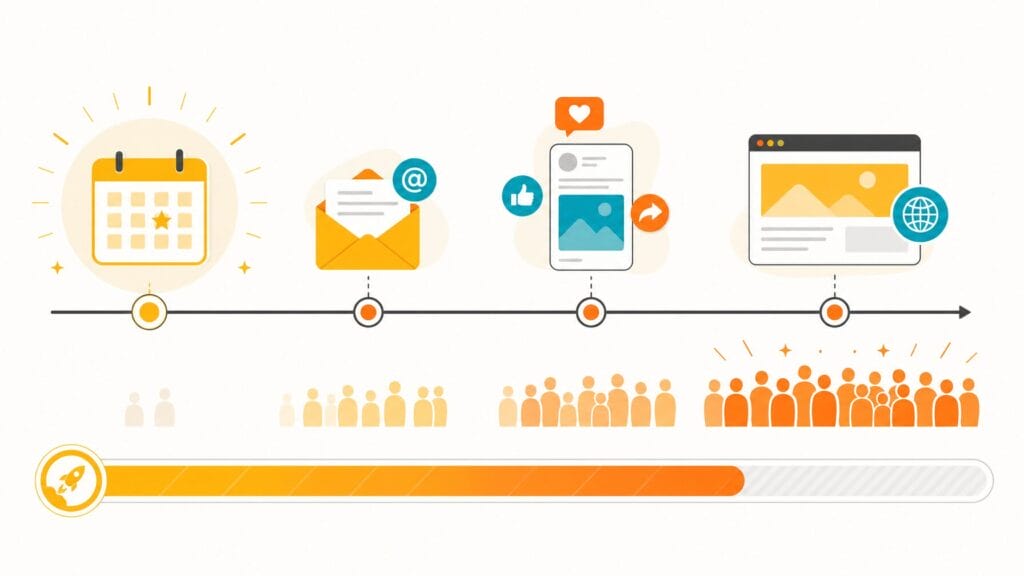
To maximize attendance, the timing of your registration launch is critical. The "open-early" strategy is a proven method for securing a core base of attendees who provide the social proof necessary to convince the hesitant majority.
The Early-Bird Window
Opening registration as soon as your core details—date, venue, and a preliminary agenda—are locked is essential. For large-scale international conferences, this should occur three to six months out. For regional or smaller events, a four-to-eight-week window is standard.
Building Momentum
The most engaged segments of your audience—loyal members, past attendees, and brand advocates—are usually the first to sign up. By capturing them early, you satisfy internal stakeholders’ needs for early registration metrics and create a "buzz" that signals demand to the rest of the market.
The Countdown Cadence
Marketing should follow a three-touch cadence during the early-bird period:
- The Announcement: Immediate notification to your subscriber list and social channels.
- The One-Week Reminder: A mid-period nudge to maintain visibility.
- The Final-Hours Alert: A high-urgency message sent on the final day of the early-bird tier.
3. Supporting Data: The Impact of Friction Reduction
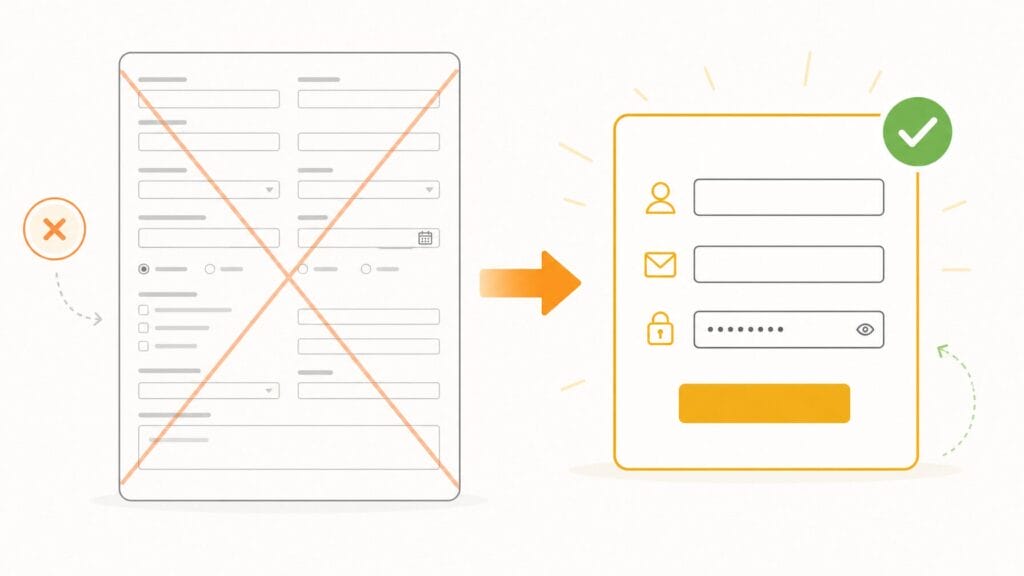
Data indicates that every unnecessary field on a registration form creates friction that leads to abandonment. Industry benchmarks suggest that forms with five or fewer fields see significantly higher completion rates than those that demand extensive biographical data at the point of sign-up.
The Case for Minimalism
Audit your registration form field-by-field. If you are asking for data that isn’t strictly necessary for admission—such as job titles, dietary specifics, or marketing survey questions—move these to a post-registration survey or collect them during on-site check-in.
Utilizing Conditional Logic
For events with diverse attendee types (e.g., speakers, sponsors, general attendees), utilize conditional logic. If a user selects "Speaker," the form should dynamically display fields for "Bio" and "Presentation Title." If they select "General Attendee," those fields remain hidden. This keeps the user experience clean and relevant to their specific persona.
4. Official Best Practices: Strategic Placement and Content
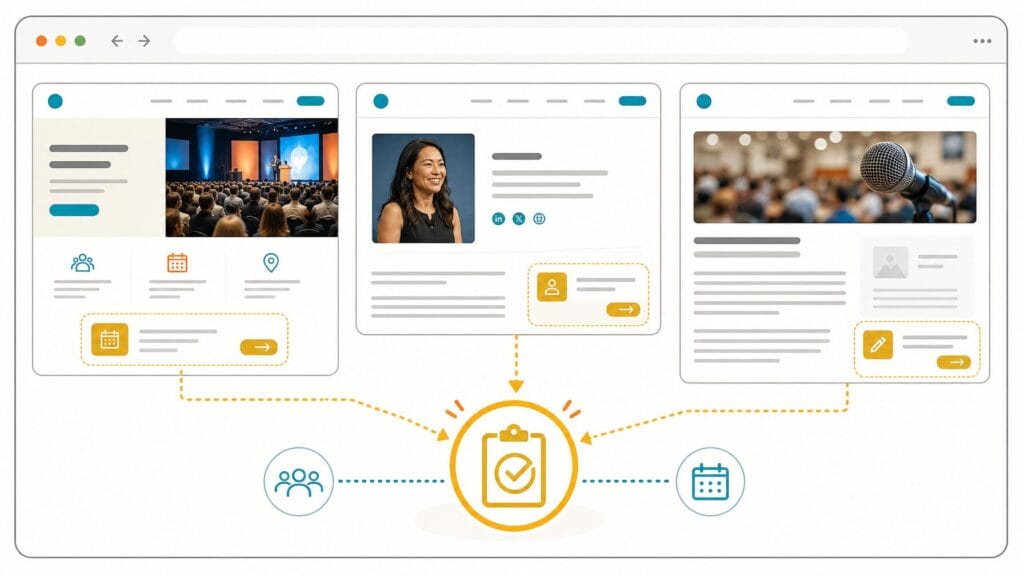
A common error is siloing the registration process on a standalone, isolated URL. Instead, registration must be accessible from the highest-traffic pages of your primary website.
Integrating the User Journey
Your homepage, speaker profiles, and blog posts should all feature prominent, consistent CTAs. A user reading an insightful blog post about a keynote speaker should be able to "Claim Their Seat" without having to navigate to a separate, disconnected registration portal.
The Content-Rich Event Website
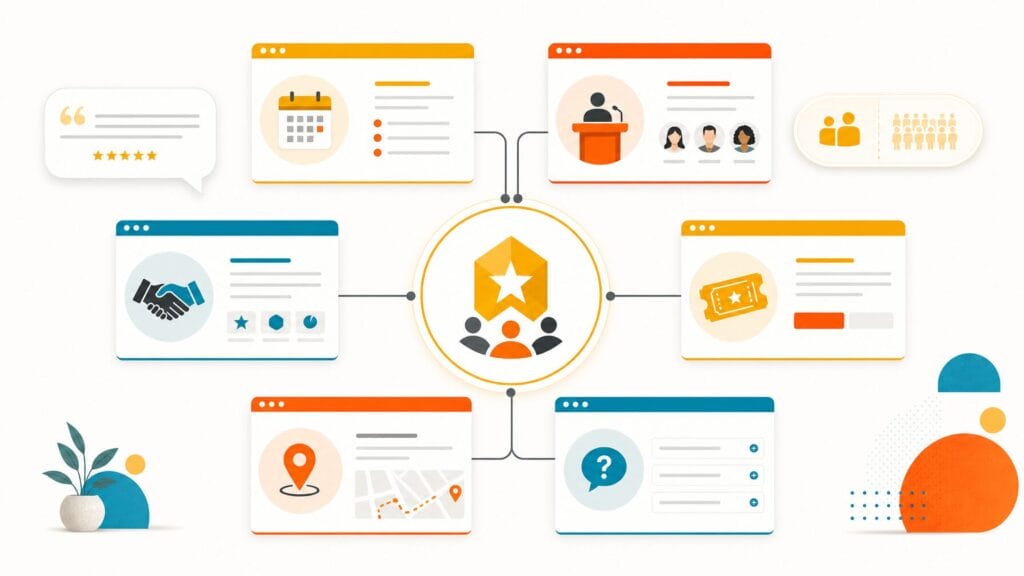
A dedicated event website serves as the ultimate sales asset. It must answer the fundamental questions that precede a purchase:
- Who is speaking? (Include bios and video clips).
- What will I learn? (Detailed, searchable agenda).
- Why is this valuable? (Testimonials and past event highlights).
- What are the logistics? (Venue, travel, and accommodation).
By treating the event website as a destination rather than just a form, you build the trust necessary for a visitor to commit their time and budget.
5. Segmenting for Success: The Power of Targeted Messaging
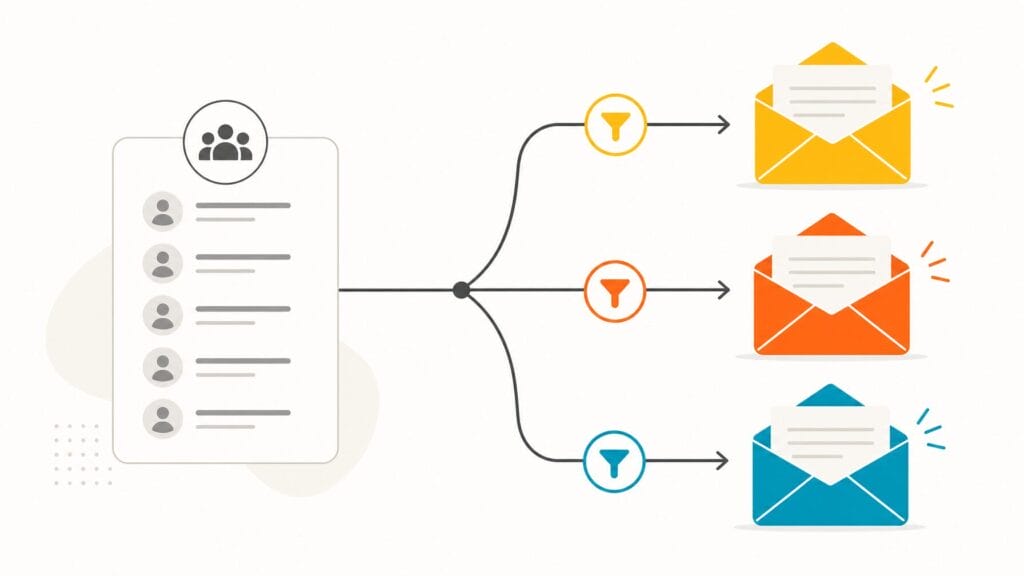
Sending a generic "Register Now" blast to your entire database is an outdated practice. Instead, segment your audience by their registration status to deliver relevant content.
High-Impact Segmentation Groups
- The Non-Starters: Focus on "What’s in it for me?" with value-driven messaging and clear benefits of attendance.
- The Abandoners: This is your highest-intent audience. Send a direct, personalized link back to their incomplete form. If your platform allows, consider a small, limited-time incentive to nudge them across the finish line.
- The Confirmed: Stop asking them to register. Start building their excitement with logistics, networking opportunities, and "know-before-you-go" content.
6. Emerging Technologies: The AI Concierge
The rise of AI has introduced a game-changing tool for event organizers: the AI registration concierge. Unlike static FAQs, which are often overlooked, an AI concierge is interactive and available 24/7.
Removing Barriers to Entry
Visitors often abandon registration because of a specific question—e.g., "Is there a refund policy?" or "Are there group discounts?" An AI bot trained on your event’s specific data can answer these queries in real time, preventing the user from leaving the site to find answers elsewhere. By embedding this support directly into the registration flow, you can significantly reduce the abandonment rate, particularly for international audiences operating in different time zones.
7. Implications: The Long-Term Value of Data
When you treat registration as a funnel, you gain access to critical data that informs your broader event strategy.
Measuring Success
The most successful teams track:
- Conversion Rate: The ratio of page visitors to registrations.
- Form Abandonment Rate: Identifying which specific fields cause the most friction.
- Attribution: Using UTM parameters to determine which channels (social, email, partner links) deliver the highest-quality registrants.
This data allows for iterative improvements. If you notice a high drop-off rate on a specific day, you can re-examine your messaging or check for technical issues. If certain promo codes drive higher volume, you can double down on those partnerships for future events.
The Role of Privacy and Compliance
As you collect more data and track user behavior, it is imperative to maintain strict adherence to global privacy standards like the GDPR and CCPA. Transparency in how you collect and use attendee data not only keeps you compliant but also builds long-term trust with your audience.
8. Summary of Strategic Wins
To summarize, the path to a higher conversion rate is not through a single "silver bullet" tactic but through the diligent application of several best practices:
- Start Early: Secure your core audience to build momentum.
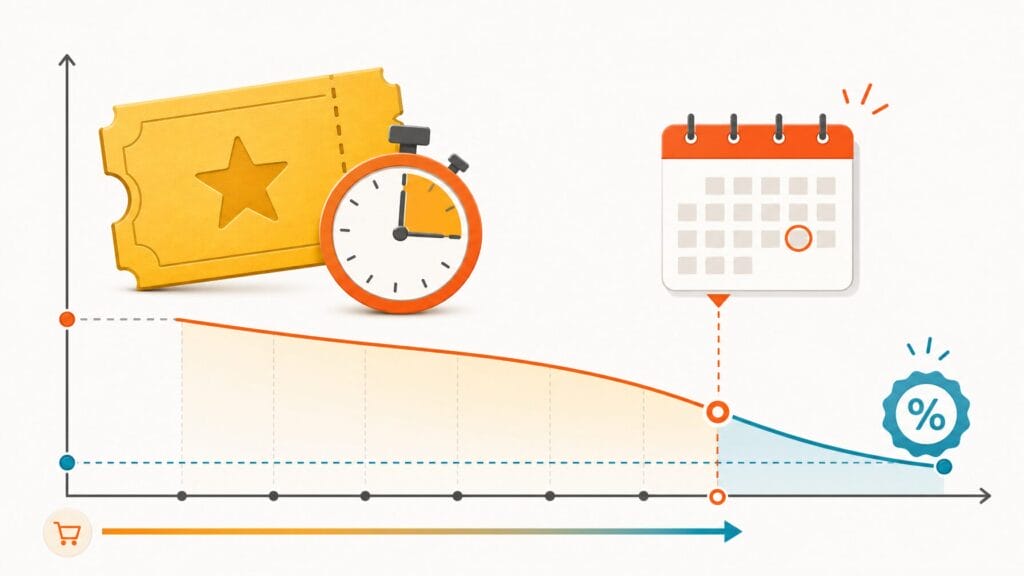
- Create Urgency: Use time-bound early-bird pricing to force a decision.
- Simplify the Path: Remove every unnecessary barrier to form completion.
- Be Accessible: Place registration widgets where your traffic lives.
- Segment Your Outreach: Send the right message to the right person.
- Use Smart Tools: Leverage AI concierges to answer questions instantly.
Registration is the "first handshake" of your event. By refining this process, you are not just capturing data; you are creating a professional, seamless, and inviting entry point that sets the tone for the entire event experience. As the industry continues to evolve, those who treat registration as a sophisticated conversion funnel will consistently outperform their peers, filling more seats and delivering greater value to their attendees.

Whether you are hosting an intimate executive forum or a global conference, the principles remain the same: reduce friction, provide value, and always, always make it easy for your audience to say "yes."
Related posts: