Beyond the Keynotes: The Candid Realities Shaping the Future of the Restaurant Industry

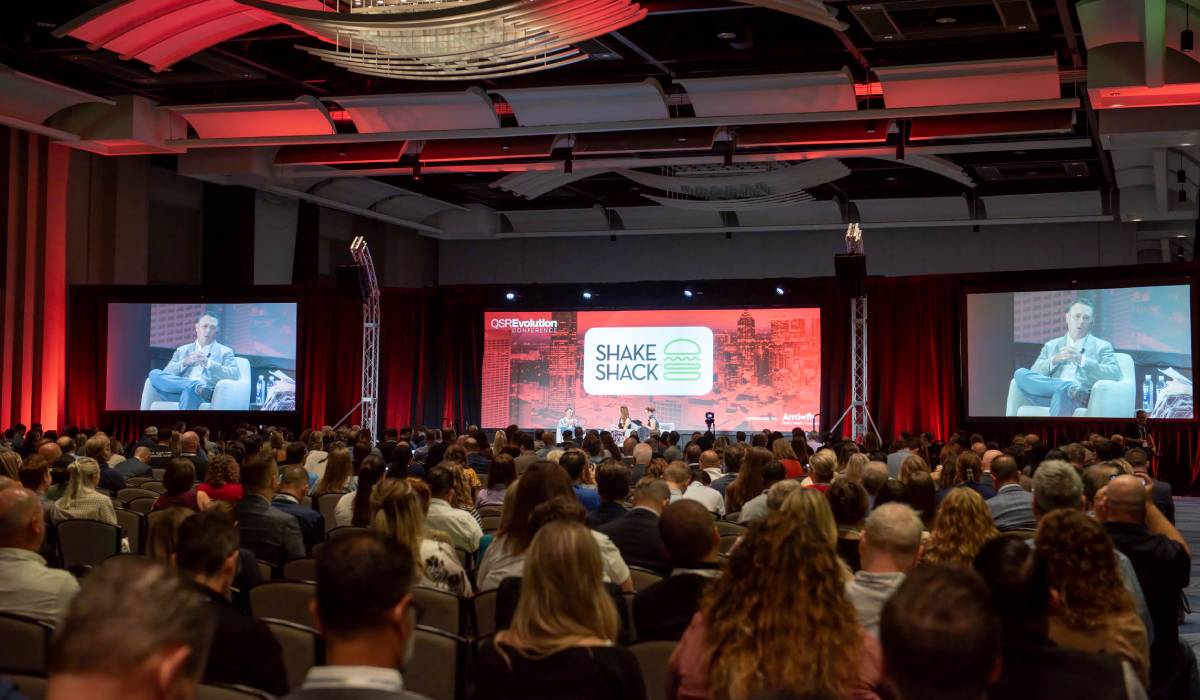
The QSR Evolution Conference, held in partnership with the FSR NextGen Restaurant Summit in Atlanta, serves as a bellwether for the broader foodservice industry. However, for those behind the scenes—the moderators, the panelists, and the strategists—the true value of the event did not lie in the polished slide decks or the rehearsed stage performances. It resided in the candid, often uncomfortable truths shared in the periphery: the hallway conversations, the private exchanges, and the quiet admissions of where the industry is failing and where it is succeeding.
As I moderated three panels over two days, I found myself in a unique position. Before a single delegate walked through the doors, I had the private thoughts of 12 industry executives sitting in my inbox. These were not the curated bios found on conference websites; they were honest appraisals of what these leaders would protect, what they would sacrifice, and what they desperately wished their operators understood.
This article synthesizes those behind-the-scenes insights into a framework for the future, offering a sober look at labor, capital shifts, and the evolving frontline culture of the restaurant sector.
The Strategic Imperatives: Listening, Learning, and Leading
The conference revealed that while many brands claim to be "customer-centric," the reality is often far more superficial. The divide between collecting data and acting on intelligence is where many organizations lose their way.
1. Listening as an Operational Discipline
The most compelling turnaround story of the conference centered on a fundamental shift in perspective. As noted by Tom Curtis during his keynote, the difference between listening to be polite and listening to learn is the difference between stagnation and growth. Most companies collect feedback; they treat it as a box-ticking exercise for their CRM systems. The industry leaders, however, use feedback as a diagnostic tool to determine what is truly broken and what is worth restoring. They realize that when customers criticize a brand, they are often still "rooting for it"—they are providing the blueprint for their own return.
2. The Internal Brain Trust
A recurring theme was the underutilization of internal expertise. There is a prevailing, dangerous assumption that the "smartest" ideas originate in the corporate support center. In reality, the best ideas are already in the system. Franchisees possess an intimate knowledge of the brand that corporate often lacks; GMs understand their specific markets better than district managers; and line-level staff interact with the guest more consistently than any executive. When these individuals decide their opinions do not matter, the company suffers. Systematically tapping into this frontline wisdom is the most cost-effective—and most overlooked—strategic move a restaurant company can make.
Challenging the "Turnover as Weather" Narrative
For too long, the industry has treated high turnover as an unavoidable environmental factor, akin to the weather. It is something that happens to you, rather than something you can influence.
3. The 19-Year Benchmark
Lisa Ingram of White Castle shattered this fatalism when she revealed that the company’s average general manager tenure is 19 years. In a sector defined by churn, this number stands as a defiant outlier. It proves that the "ceiling" of employee retention is significantly higher than most operators believe. If a fourth-generation operator can cultivate managers who stay for two decades, the issue is not the segment—it is the culture.
4. Friction, Not Hardship
I convened a panel of five operators to discuss whether restaurants are "easy to work in." Not one suggested making the work itself lighter. They acknowledged the inherent difficulty of the industry. Instead, they pointed to the "friction" stacked on top of the work:
- Arbitrary Layouts: Designs forced upon stores without staff input.
- Legacy Systems: Prep flows that have not been redesigned in a decade.
- Disconnected Rollouts: Initiatives launched without context or proper integration.
The work is hard, but it is the unnecessary administrative and structural weight that drives people to leave. The question for operators is not whether the job is hard, but whether it is easy from the line.
Growth, Identity, and the Cost of Purpose
As brands expand, they often suffer from an identity crisis. Whether driven by acquisition or organic growth, the danger lies in losing the "why" behind the brand.
5. Healthy Stress vs. Toxic Drift
Rob Lynch, CEO of Shake Shack, provided a critical distinction between healthy, purpose-driven stress and the toxic anxiety of rapid expansion. Unhealthy growth is expansion that outpaces the team, the system, and the brand’s identity. Many companies, particularly those post-acquisition, find themselves so buried in KPIs, board reports, and forecasts that they stop discussing "hospitality" entirely. Growth does not necessarily threaten identity; a lack of clarity regarding that identity does.
6. The Price of Purpose
Perhaps the most challenging panel discussion of the week focused on mission and values. The consensus was clear: if your purpose has never caused you to turn down money, it is not a purpose; it is a "wall decal."
True purpose requires a cost. It means closing at 2:30 p.m. so staff can have evenings off, refusing growth capital that demands a dilution of quality, or paying above-market wages even when the labor math suggests otherwise. If a mission statement leaves every option open, it is simply "founder cosplay." Real hospitality is defined by the hard choices made when no one is watching.
The Capital and Technological Shift
The industry is currently undergoing a massive structural transformation, characterized by shifting ownership and a more realistic, albeit cautious, view of technology.
7. The New Capital Structure
The industry is witnessing a trend where franchisees are buying the franchisors. With major moves—from Denny’s going private to Sun Holdings acquiring Uncle Julio’s and Bar Louie—the balance of power is shifting. This is no longer just a trend; it is the new structural reality of the restaurant sector. For the employees in these systems, this creates a quiet, persistent anxiety: What happens to our culture under this new ownership?
8. Technology as a Tool, Not a Religion
The conversation surrounding AI has matured. The debate is no longer about whether AI "works," but about the gap between a successful pilot and a successful network-wide rollout. Implementing a solution in one store is a vastly different challenge than scaling it across a network with disparate POS systems and local operational habits. Furthermore, technology is being rightfully demoted from its status as a "sacred" entity to its proper place: a tool. The goal remains a personal, effortless, and human experience. Brands that treat tech as an end-goal rather than a means to better hospitality will inevitably falter.
Implications for the Future: The Coaching Discipline
What does this mean for the leaders, coaches, and operators returning to their stores after Atlanta?
The industry does not suffer from a lack of ideas. It suffers from a lack of follow-through. The transition from a profound insight heard on a conference stage to a repeated, standard behavior on the restaurant floor is the greatest challenge facing the industry today.
Coaching is not a "soft skill" layered on top of operations; it is the fundamental muscle of the business. It is the mechanism that ensures that when the pressure is on and no one is watching, the right decisions are made.
Final Reflection for Operators
As we analyze the lessons from the QSR Evolution Conference, we must ask ourselves the difficult question: Of these ten insights, which one, if fully integrated into our operations, would yield the greatest change—and what is currently stopping us from implementing it?
The gap between where we are and where we want to be is not a lack of data, nor a lack of capital. It is a lack of discipline. The winners of the next decade will be the operators who move past the "wall decal" version of purpose and commit to the expensive, difficult, and human-centric work of genuine hospitality.
Jason E. Brooks is a hospitality coach, author, and consultant with more than 30 years of industry experience. He has worked with six of the top 100 restaurant brands in the United States, helping leaders and operators boost profitability and build high-performing teams through coaching-driven systems.