Beyond the Like: Transforming Facebook Analytics into a Growth Engine for Small Businesses

For the modern small-to-medium business (SMB), Facebook has evolved from a simple social networking site into a critical infrastructure for survival. With over two billion daily active users utilizing the platform to discover local services, vet brands through reviews, and initiate customer service inquiries, the stakes for a well-managed presence have never been higher.
However, many business owners remain trapped in a cycle of "vanity metrics." They measure success through likes, followers, and reactions—data points that are easily visible but rarely offer a clear picture of return on investment (ROI). To turn a Facebook page into a genuine growth engine, SMBs must pivot toward data-backed decision-making. By focusing on metrics that correlate with actual business outcomes, entrepreneurs can move away from guesswork and toward a strategic, measurable marketing framework.
The Evolution of Social Data: Why Metrics Matter
Facebook analytics provide a high-definition lens into consumer behavior. They reveal not just who is looking at your content, but how they are interacting with your brand, what drives them to click, and where they encounter friction in the customer journey.
For the resource-strapped small business, time is the most valuable commodity. Analytics serve as a guide for efficient content creation. By analyzing historical performance, business owners can identify which formats, topics, and publishing times yield the highest engagement. This shifts the marketing strategy from a "spray and pray" approach to a precision-based model where every post serves a specific business goal.
Bridging the Gap: Linking Engagement to Revenue
The primary challenge for most SMBs is translating digital engagement into tangible revenue. A post may garner hundreds of likes, but if it doesn’t move a customer toward a purchase, a demo booking, or a store visit, its business value is limited.
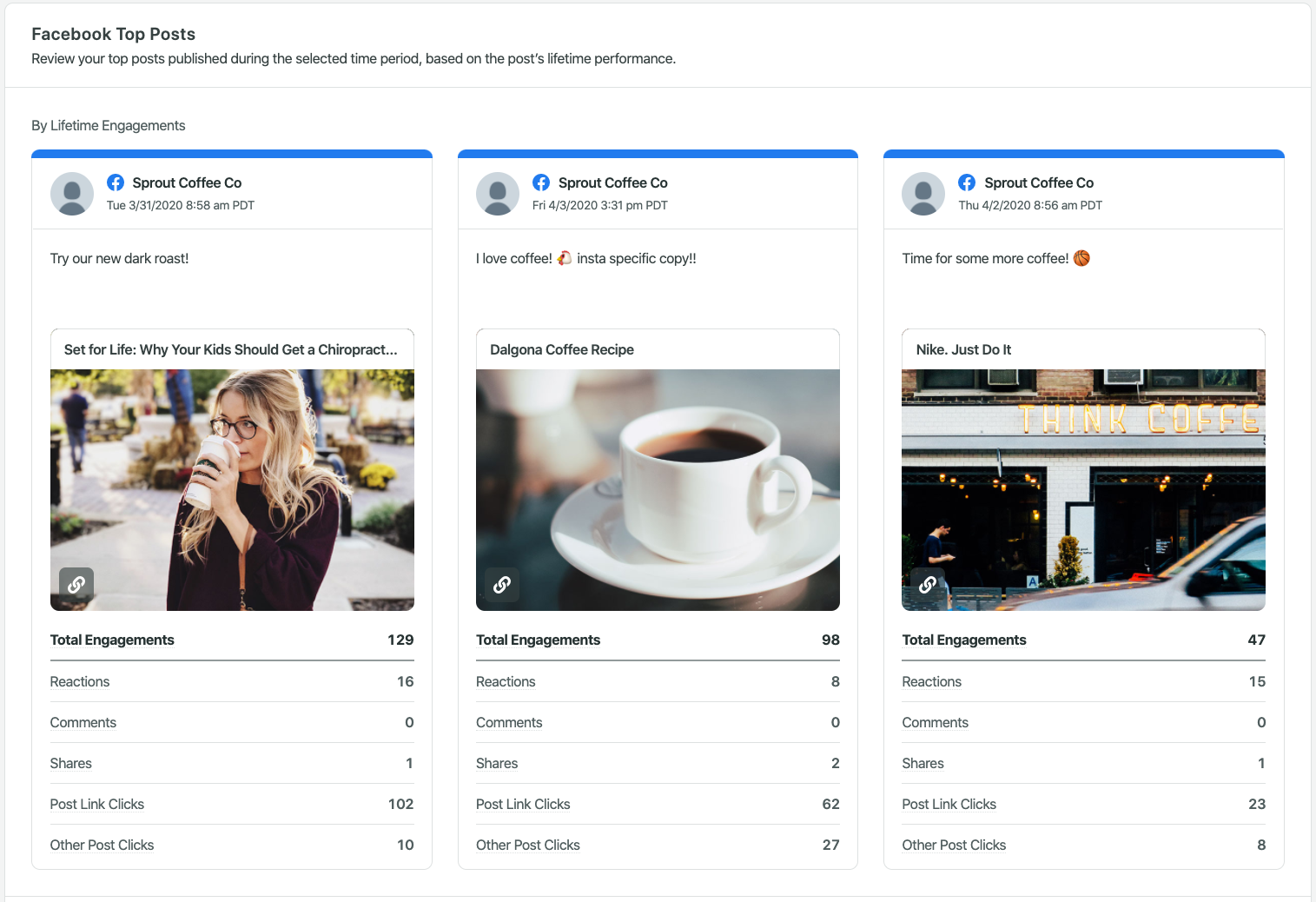
The most effective way to close this gap is through the strategic use of trackable links. Unlike platforms with restricted URL sharing, Facebook allows brands to drop direct links into posts, comments, and stories. By using shortened, trackable URLs—often managed through tools like Bitly or integrated social media management suites—businesses can monitor exactly how many users click through to a product page or booking portal.
The Power of Attribution
Consider a local boutique jewelry store launching a new collection. By posting a unique, trackable link to the specific product page, the business owner can move beyond "vanity" counts. Instead of simply noting a high view count, the owner can state with empirical certainty: "This specific post drove 50 qualified shoppers to our online store." This level of attribution allows for a feedback loop where the business can replicate the exact creative format, messaging, and promotional offer that successfully converts browsers into buyers.
The Great Divide: Paid vs. Organic Performance
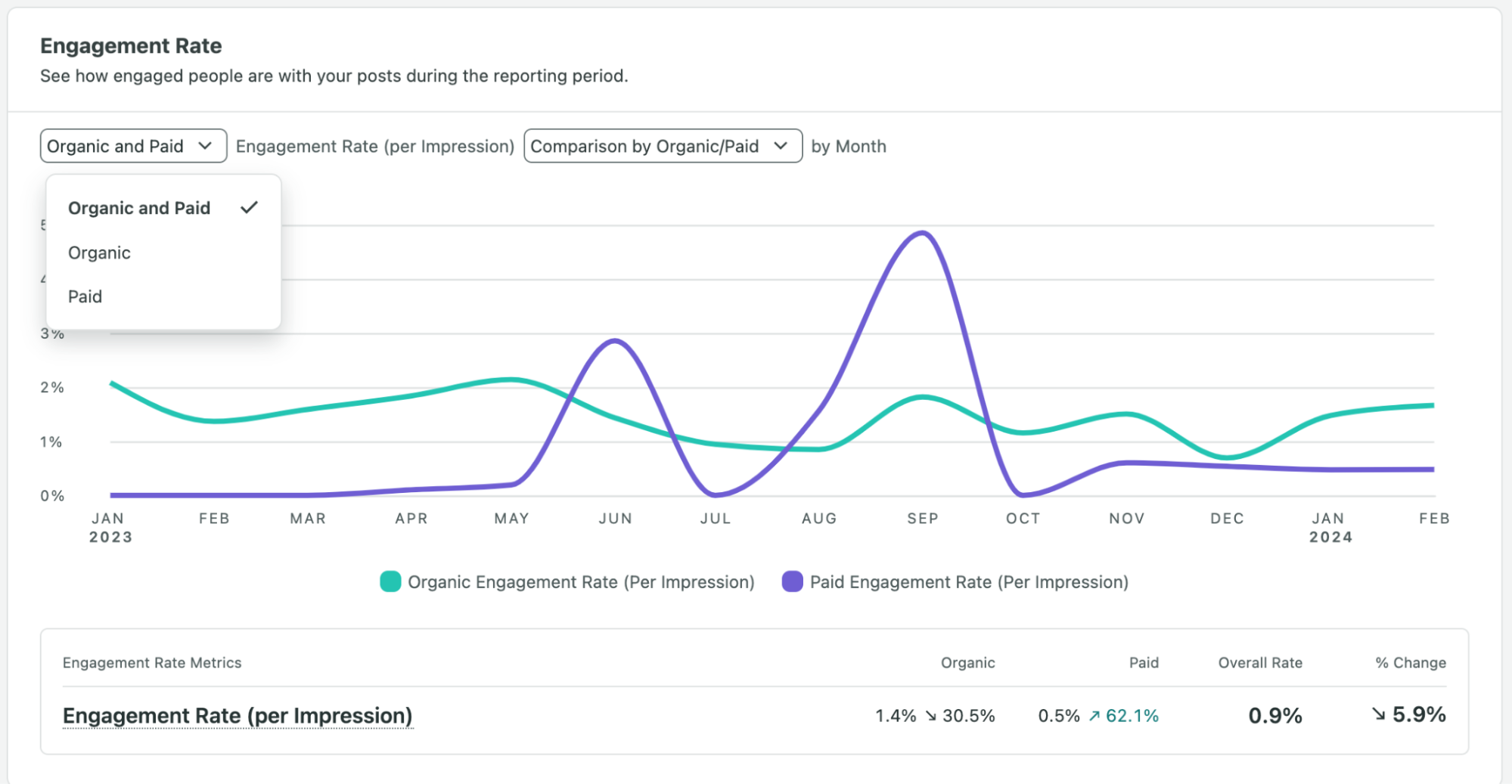
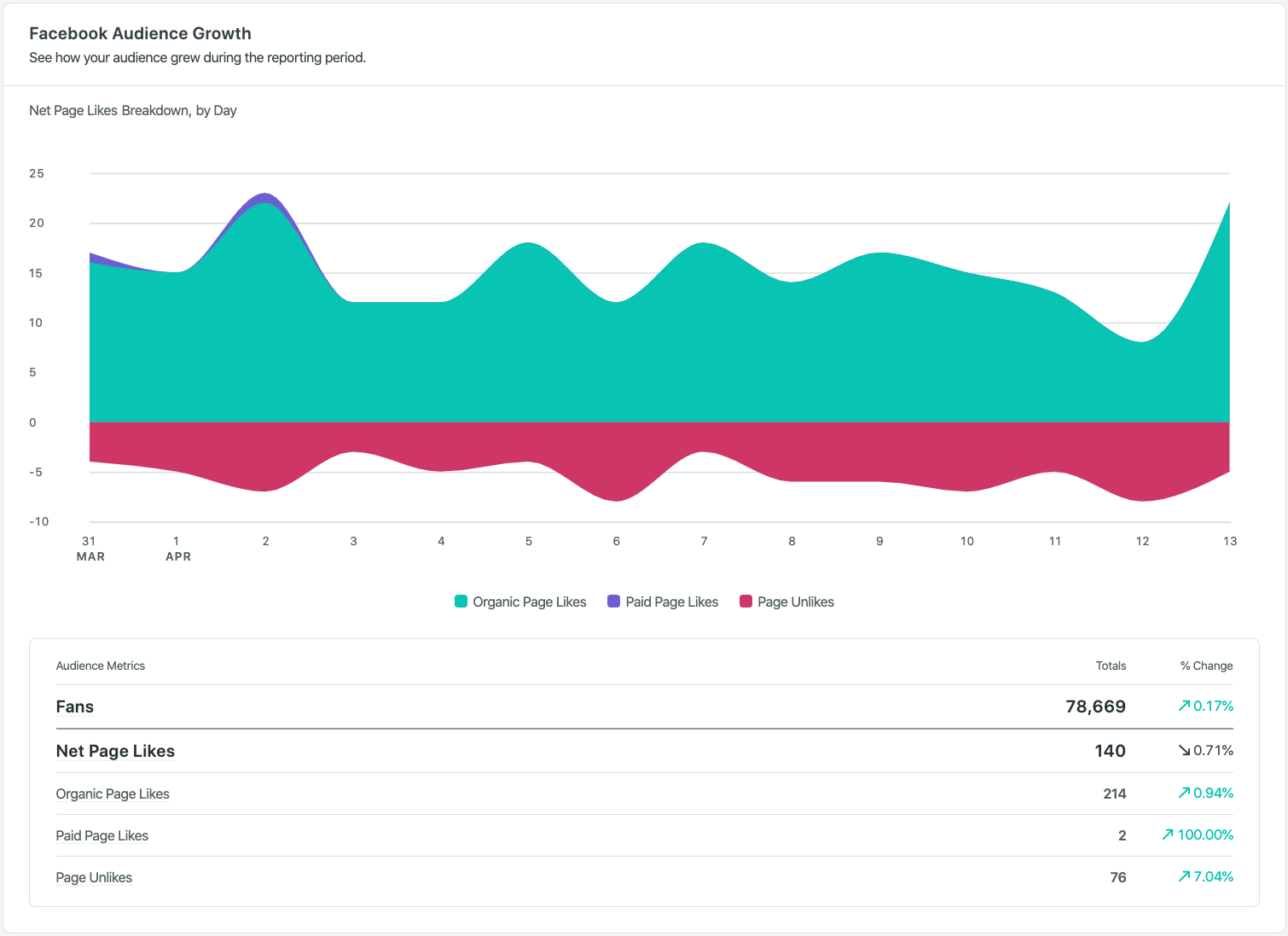
One of the most common pitfalls in social media reporting is the tendency to combine "paid reach" and "organic reach" into a single, misleading number. Organic reach represents the audience you have earned through community building and authentic engagement; paid reach represents the audience you have purchased through boosted posts and targeted ads.
If a business lumps these together, they lose the ability to measure the health of their organic brand. A smart strategy requires keeping these buckets separate. If a post performs exceptionally well organically, it is a prime candidate for an ad spend boost—you already have evidence that the audience resonates with that content. Conversely, if a post requires a paid budget just to achieve minimal engagement, it is a clear signal that the content strategy needs an immediate audit before more capital is wasted.
Key Metrics: What Truly Impacts the Bottom Line
Not all data is created equal. While many dashboards prioritize "likes," small businesses should shift their focus toward metrics that indicate intent and connection.
1. Link Clicks and Referral Traffic
Link clicks are the strongest indicator of a user’s desire to move from the social platform to your digital storefront. By cross-referencing these clicks with website referral traffic, businesses can determine if their Facebook audience is truly "high-intent." If a high volume of users clicks a link but immediately "bounces" from the website, the problem isn’t the social media content—it is the landing page.
2. Video Performance and Watch Time
Short-form video, such as Facebook Reels, remains the dominant content format. However, simply looking at "views" is insufficient. Advanced metrics like "average watch time" and "retention rate" reveal the efficacy of your video hooks. If users drop off after three seconds, your intro is likely too slow; if they watch to the end, you have successfully captured their attention.
3. Audience Demographics and Peak Activity
Content is only as good as the audience it reaches. For a local business, reaching a million people globally is worthless if none of them are within your service area. Monitoring age, location, and gender demographics ensures that your messaging remains hyper-relevant. Combined with "peak activity hours," this data ensures that your content is published when your specific target audience is most likely to be scrolling, maximizing your organic reach without extra cost.
The Limitations of Native Tools
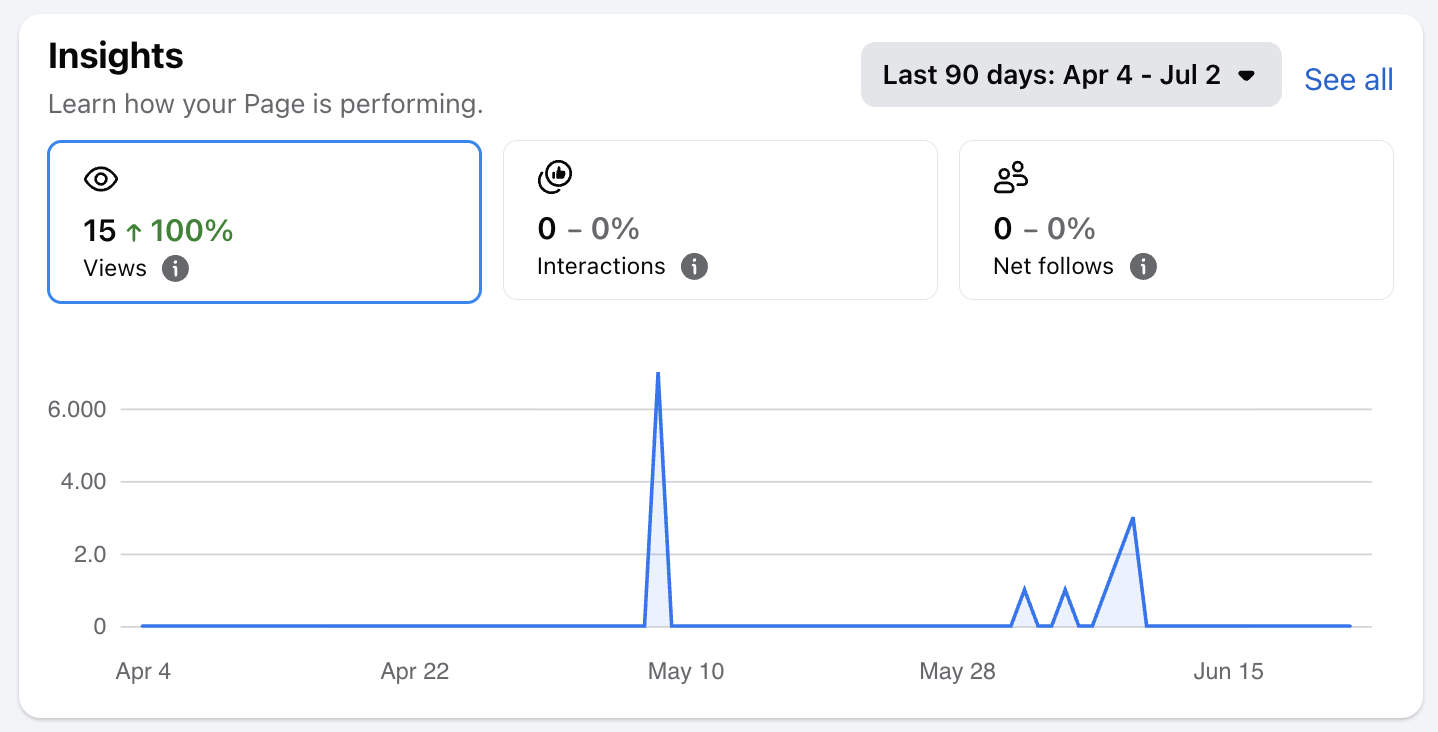
While Meta provides a robust Professional Dashboard, it is often designed for individual content creators rather than scaling businesses. The primary issue with native tools is data fragmentation. A business owner often finds themselves switching between Meta Business Suite, Ads Manager, Messenger, and their own website analytics just to get a holistic view of their performance.
This "tab-hopping" creates a significant administrative burden. Time spent taking screenshots, exporting CSVs, and manually calculating month-over-month growth is time stolen from high-value activities like creative development and customer engagement.
The Pivot to Third-Party Management
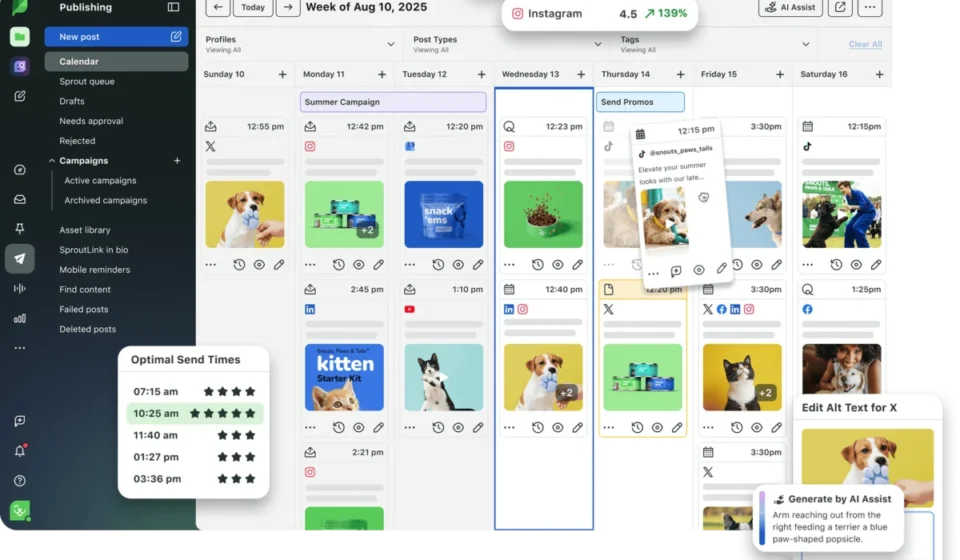
For growing businesses, "graduating" to a third-party social media management platform is often the turning point for professionalization. Platforms like Sprout Social act as a unified command center, consolidating analytics, publishing, and community management into one dashboard.
The Strategic Advantages of Unified Reporting
By automating performance reports, SMBs can replace manual labor with actionable insights. A unified platform allows for:
- Cross-Channel Comparison: Viewing Facebook performance alongside Instagram, TikTok, or LinkedIn to see where your brand finds the most success.
- Sentiment Analysis: Monitoring customer reviews and recommendations from Facebook, Google, and Yelp in a single feed to protect the brand’s reputation.
- Content Calendar Optimization: Using historical performance data to automatically schedule posts during peak engagement times.
Implications for Future Growth
The transition from reactive to proactive analytics is more than just an operational upgrade; it is a fundamental shift in business philosophy. When a small business stops guessing what its audience wants and starts observing what the data dictates, it gains a competitive advantage that no amount of ad spend can replicate.
By focusing on the metrics that matter—link clicks, watch time, and local demographics—and utilizing the right tools to interpret them, SMBs can ensure their social presence is not just a digital billboard, but a thriving, interactive, and revenue-generating ecosystem. In an era where digital noise is constant, the businesses that win are those that treat their social data as a roadmap to their customers’ needs, preferences, and long-term loyalty.