Beyond the Metrics: How Sentiment Analysis is Redefining Brand Strategy in the Age of AI

In the modern digital landscape, a brand’s reputation is no longer defined solely by its advertising campaigns or corporate press releases. Instead, it is forged in the digital fires of real-time conversations, customer support threads, and social media reviews. While businesses have long tracked vanity metrics like "follower counts" and "likes," these numbers rarely tell the full story. To truly understand the pulse of their market, organizations are increasingly turning to sentiment analysis—a sophisticated application of artificial intelligence that decodes the human emotion embedded in digital text.
Decoding the Digital Pulse: What is Sentiment Analysis?
At its core, sentiment analysis—often referred to as opinion mining—is an AI-driven process that interprets and categorizes the emotional tone of text data. By leveraging Natural Language Processing (NLP), software can analyze thousands of social media posts, reviews, and customer feedback entries at a speed and scale that no human team could ever hope to replicate.

The technology works by dissecting language for tone, intent, and "polarity"—a classification of whether a statement is positive, negative, or neutral. In a world where irony, sarcasm, and slang frequently cloud communication, these tools serve as a translator between raw, unstructured human chatter and actionable business intelligence.
A Chronology of Sentiment: From Manual Tracking to Predictive AI
The evolution of sentiment analysis has been a rapid transition from manual, error-prone processes to high-fidelity AI models.
- The Early Days (Pre-2010s): Businesses relied on manual surveys and focus groups. This provided deep, albeit slow and expensive, insights that were often outdated by the time they reached the boardroom.
- The Rise of Keyword Monitoring (2010-2015): As social media matured, companies began using "listening" tools to alert them when their brand name was mentioned. However, these tools lacked nuance; a mention was a mention, regardless of whether it was a glowing recommendation or a blistering critique.
- The NLP Revolution (2016-2020): With the introduction of sophisticated machine learning, tools began to understand context. They could distinguish between a complaint about a product and a question about shipping, allowing for the first real attempts at "emotional" tracking.
- The Modern Era (2021-Present): Today’s sentiment analysis platforms are predictive. They don’t just report on what happened; they identify emerging trends, forecast PR crises, and provide real-time suggestions for customer engagement.
The Anatomy of Insight: How Sentiment Drives Marketing Strategy
Sentiment analysis transforms raw text into a strategic roadmap. By identifying the "why" behind brand mentions, companies can move away from reactive crisis management toward proactive brand building.
1. Uncovering the "Hidden" Narrative
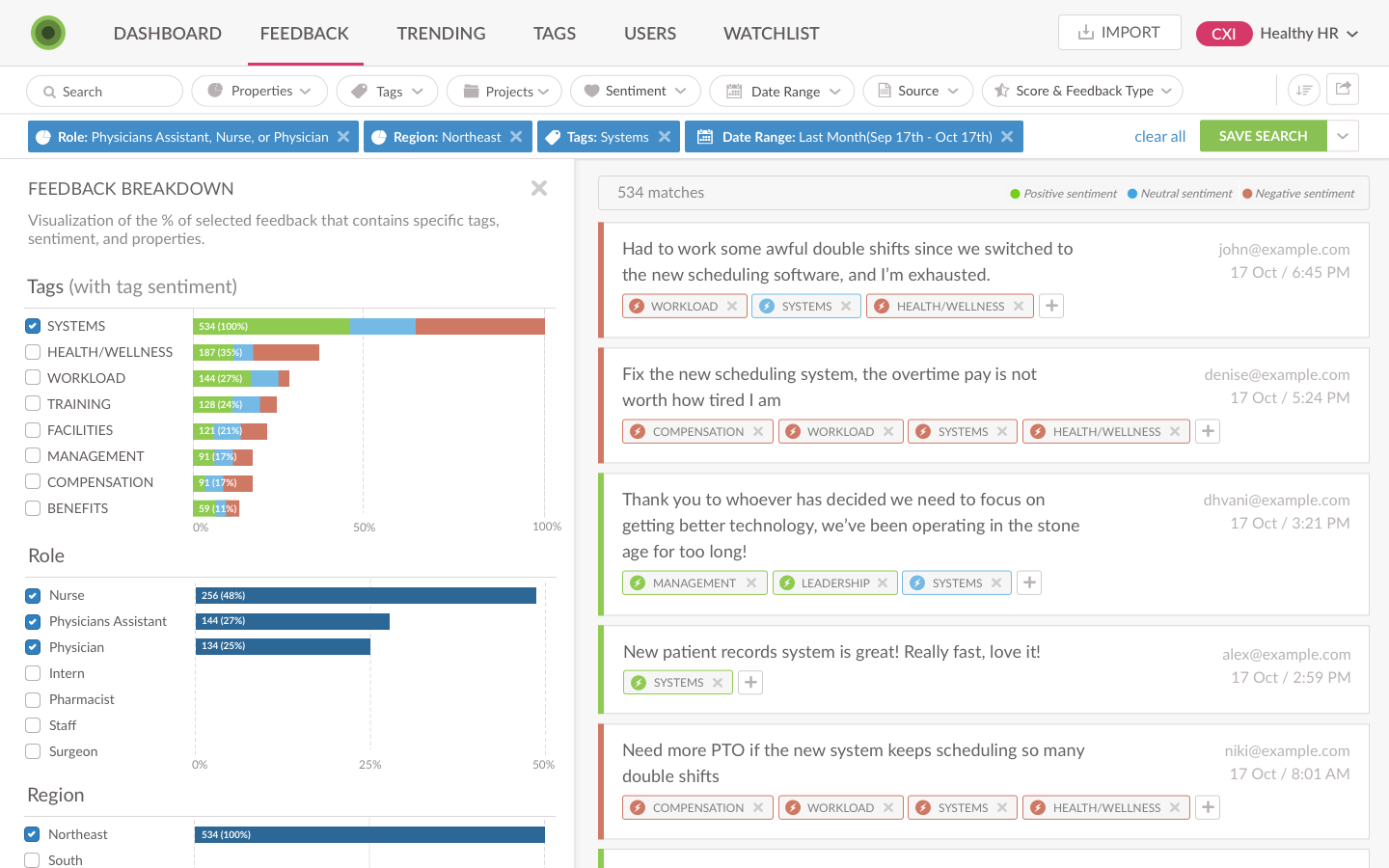
A customer saying, "Thanks a lot," could be expressing genuine gratitude or dripping with condescension. Without sentiment analysis, this nuance is lost. By decoding these signals, businesses can adjust their communication style, ensuring that marketing messaging aligns with the actual emotional state of their audience.
2. The Speed of Decision-Making
On social media, the window of relevance is razor-thin. Sentiment analysis provides the "early warning system" brands need. If a new product launch is being met with confusion, sentiment data triggers an alert, allowing marketing teams to pivot their messaging or address concerns before a minor issue spirals into a brand-damaging wildfire.
3. Benchmarking Brand Health
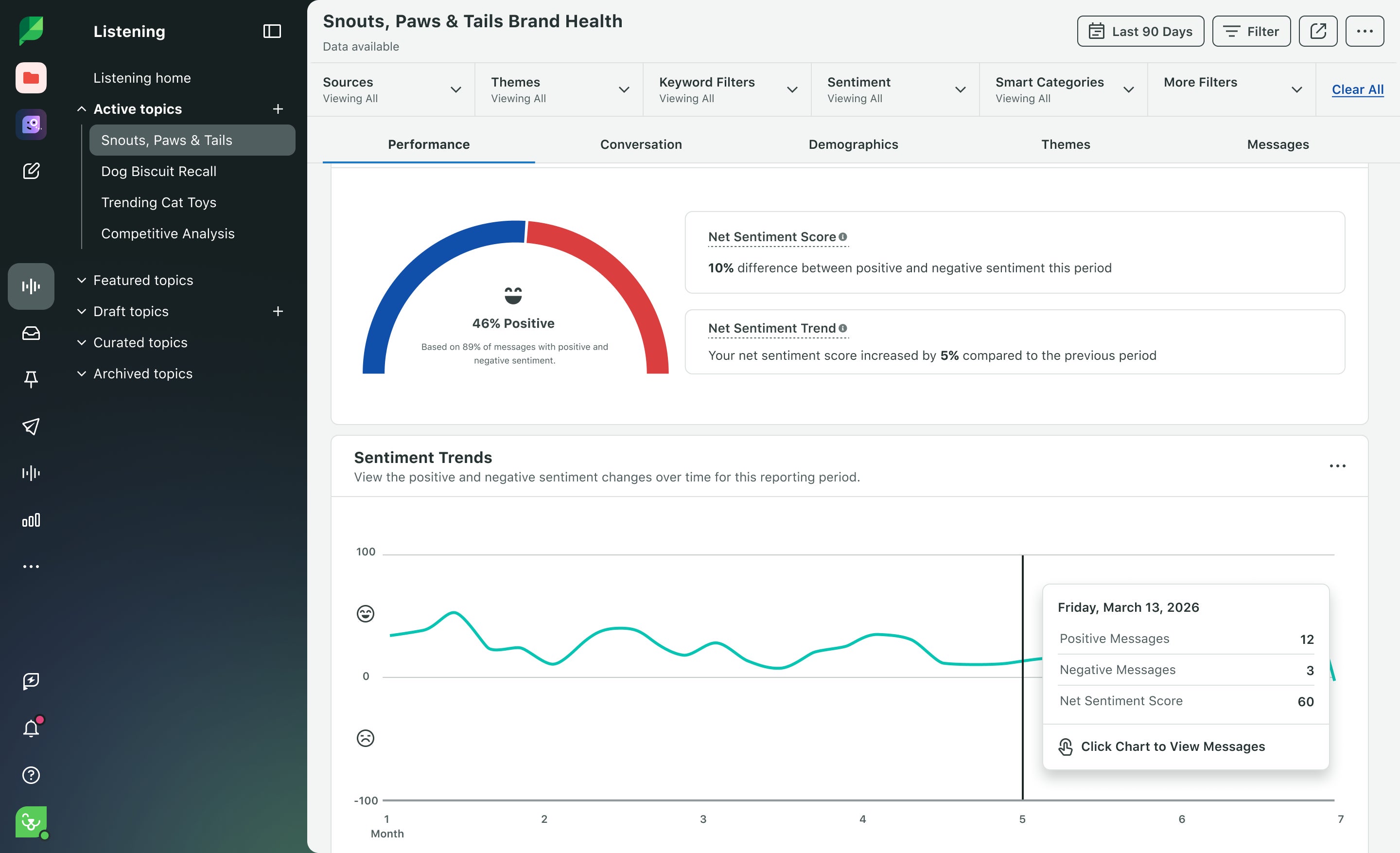
Trust is not a static state; it is a trajectory. By tracking sentiment over months and years, brands can see how their reputation evolves in response to market shifts, product updates, or service failures. This turns qualitative "vibes" into quantitative KPIs that can be presented to stakeholders.

Categorizing the Tools: The Landscape of Sentiment Software
To choose the right tool, it is essential to understand the different classes of software available:
Full-Stack Platforms
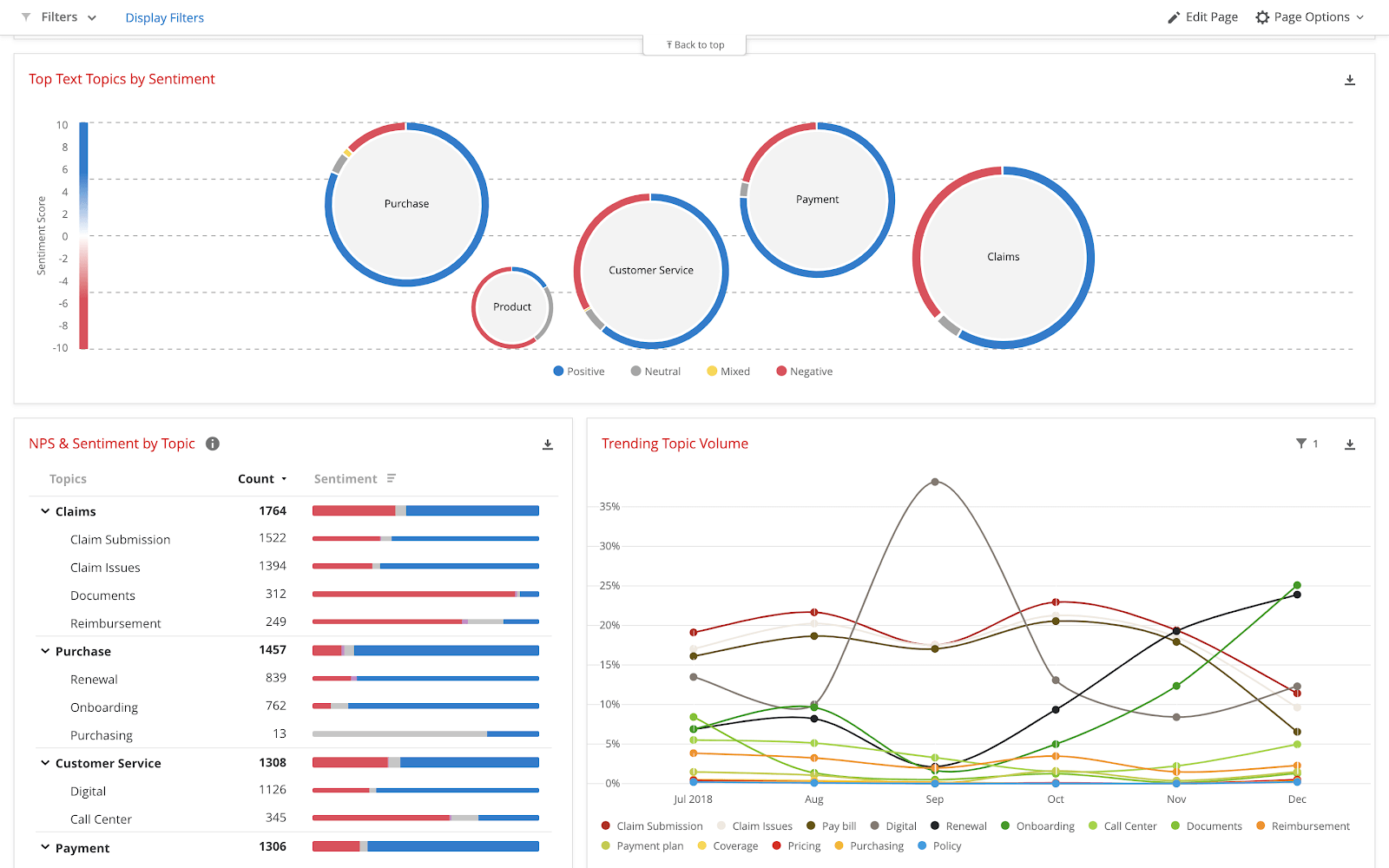
These are the enterprise powerhouses. Sprout Social, for example, combines social media management with deep-listening and AI-driven sentiment analysis. It allows brands to monitor multiple platforms simultaneously, turning chaotic, multi-lingual social chatter into clear, actionable insights. Other leaders in this space include InMoment, Medallia, Qualtrics (Clarabridge), and Chattermill, all of which excel at unifying data from surveys, support tickets, and social media.
Social Media Specialized Tools
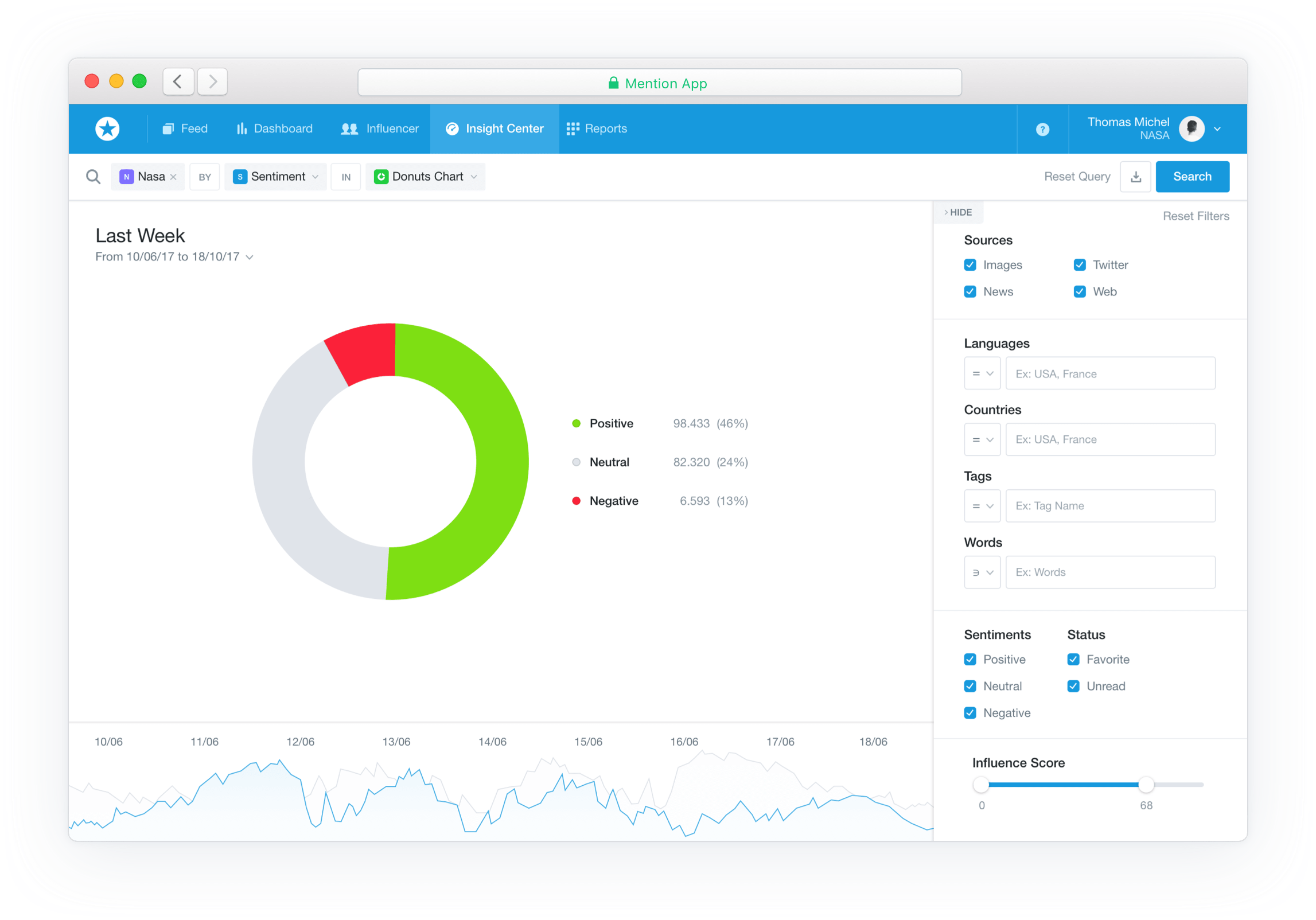
For teams focused primarily on community management and PR, tools like Brandwatch, Buffer, and Agorapulse provide the necessary functionality to evaluate incoming audience commentary and prioritize engagement based on emotional urgency.
Media & News Monitoring
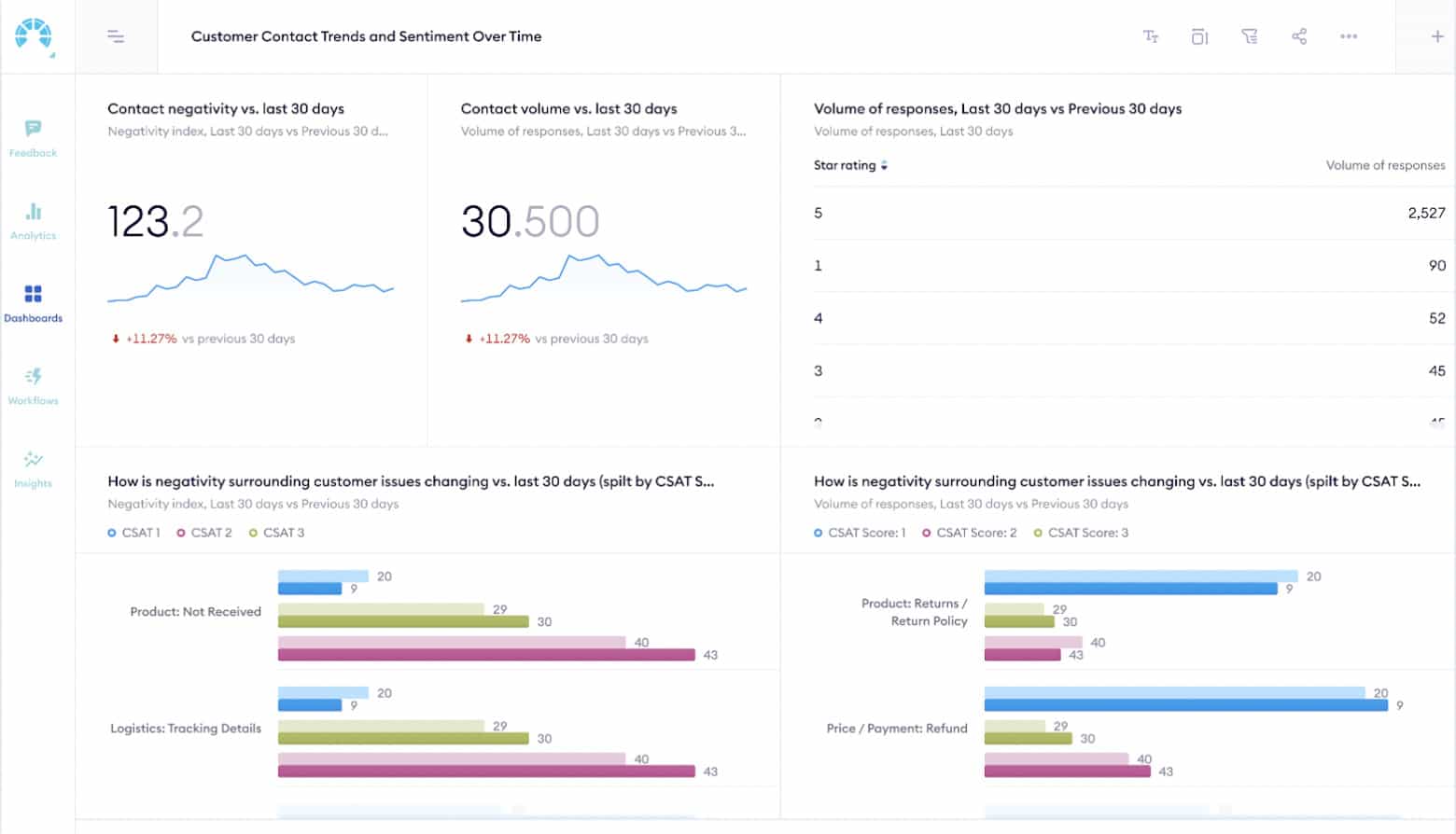
PR teams often require a broader view. Brand24 and Meltwater specialize in monitoring news outlets and blogs, using deep-learning technology to analyze how the press—and the public—portray a brand, which is critical for managing reputation during high-stakes events.
Developer-Focused NLP APIs
For companies with custom tech stacks, Google Cloud NLP API and Amazon Comprehend offer robust, programmable endpoints that allow businesses to build their own sentiment-driven applications, complete with the ability to redact sensitive data and train custom classification models.
Case Study: The Atlanta Hawks’ Digital Engagement Strategy
The Atlanta Hawks represent the gold standard for using sentiment analysis to drive business results. Faced with the challenge of engaging a young, digital-native fan base, the team integrated Sprout Social into their operations.

By utilizing the platform’s "Sentiment Summary" and "Topic Insights," the Hawks were able to gauge exactly how fans felt about specific content pillars—such as jersey launches or game-day recaps. When they noticed a 99% positive sentiment for a specific design, they doubled down on that aesthetic. The results were quantifiable: a 127.1% increase in video views and a 170.1% growth in their Facebook audience. This wasn’t just "good content"; it was a data-driven strategy backed by the emotional approval of their community.
Navigating the Challenges: Accuracy and Context
Despite the power of these tools, they are not infallible. The primary challenge of sentiment analysis is contextual ambiguity. Sarcasm, cultural idioms, and platform-specific slang (e.g., "this is fire" meaning "this is excellent") can confuse basic algorithms.
To mitigate this, industry-leading platforms employ "human-in-the-loop" machine learning, where the AI is trained on vast datasets to recognize nuanced human speech. When selecting a tool, businesses should prioritize:
- Data Integration: Can the tool pull from your CRM, helpdesk, and social platforms simultaneously?
- Multi-language Support: Does the tool understand the linguistic nuances of your global customer base?
- Customization: Can you train the AI to recognize industry-specific terminology or slang?
Implications for the Future: A More Empathetic Business Model
The shift toward AI-powered sentiment analysis marks a fundamental change in the relationship between brands and consumers. We are moving toward an era of empathetic marketing. In the past, companies spoke at their customers; now, they must learn to listen to them.

As these tools become more sophisticated, the gap between a customer’s unspoken needs and a company’s product roadmap will continue to shrink. The businesses that succeed in the next decade will be those that view every tweet, review, and comment not just as noise, but as a critical piece of data that informs their next move.
In the final analysis, sentiment analysis is more than just a software category—it is the digital nervous system of the modern brand. By turning raw emotion into intelligence, companies can stop guessing what their customers want and start delivering exactly what they feel.