
For professional associations, chambers of commerce, and non-profit organizations, the event calendar is the heartbeat of member engagement. Unlike corporate enterprises that might host a handful of massive trade shows, a mid-sized association frequently manages a high-velocity, high-volume calendar. With annual conferences, regional chapter meetups, specialized educational workshops, and exclusive member-appreciation dinners, it is not uncommon for these organizations to juggle more than 20 distinct events every year.
Each of these events requires its own registration workflow, a unique attendee list, and a tailored communications strategy. When an association relies on generic ticketing tools or basic web forms, the administrative burden quickly becomes unsustainable. To navigate this landscape, associations need specialized registration software that acts as an operational foundation rather than just a digital checkout counter.
The Unique Registration Challenges Associations Face
Associations operate under a set of constraints that most off-the-shelf event tools were never built to handle. These challenges are not merely matters of convenience; they are fundamental to the organization’s ability to serve its members and maintain accurate, unified data.
Tiered Pricing and Verification Logic
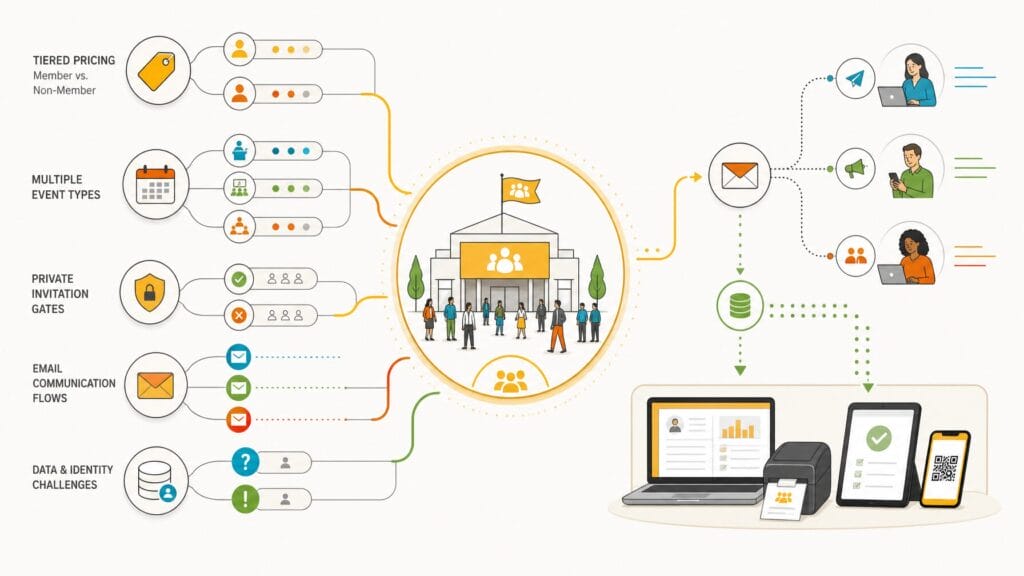
The most persistent challenge is the "Member vs. Non-Member" pricing dynamic. Associations typically manage a complex matrix of ticket types: active members, non-members, students, corporate partners, sponsors, and honorary guests. A generic tool might require the creation of separate registration pages for each tier. This is a recipe for disaster: it doubles the administrative workload, forces the organization to manage fragmented databases, and makes unified reporting—essential for board meetings—nearly impossible.
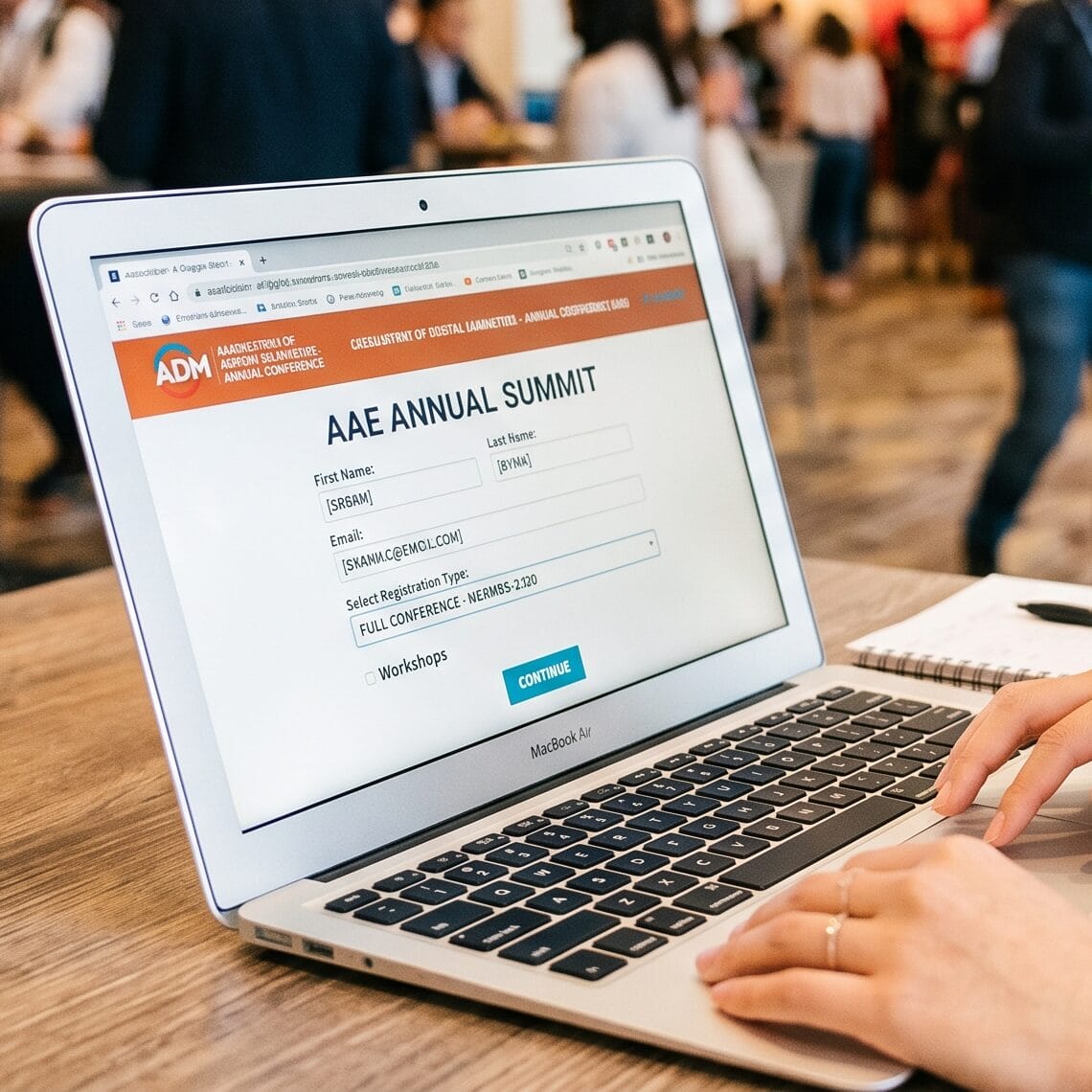
The ideal solution is a single, intelligent registration form. Using advanced conditional logic and promo codes, the system should be able to "unlock" member-only rates when a user inputs a valid membership number or organizational email domain. This keeps the entire attendee dataset in one place, allowing for cleaner data and more accurate financial reconciliation.
Multi-Event Program Management
Many associations struggle with the "per-event" pricing model. If an organization runs 25 small webinars, chapter meetings, and board retreats throughout the year, paying a per-ticket fee or a per-event setup fee for each of them is fiscally irresponsible. Associations require a subscription-based model that allows for an unlimited or high-volume event capacity under a single contract. This ensures that the branding remains consistent, the subscription costs are predictable, and the data architecture is unified across the entire fiscal year.
Chronology of an Association Event Lifecycle
To understand the necessity of specialized software, one must examine the typical lifecycle of an association event. The process rarely begins and ends with a ticket sale; it is a long-tail engagement cycle.
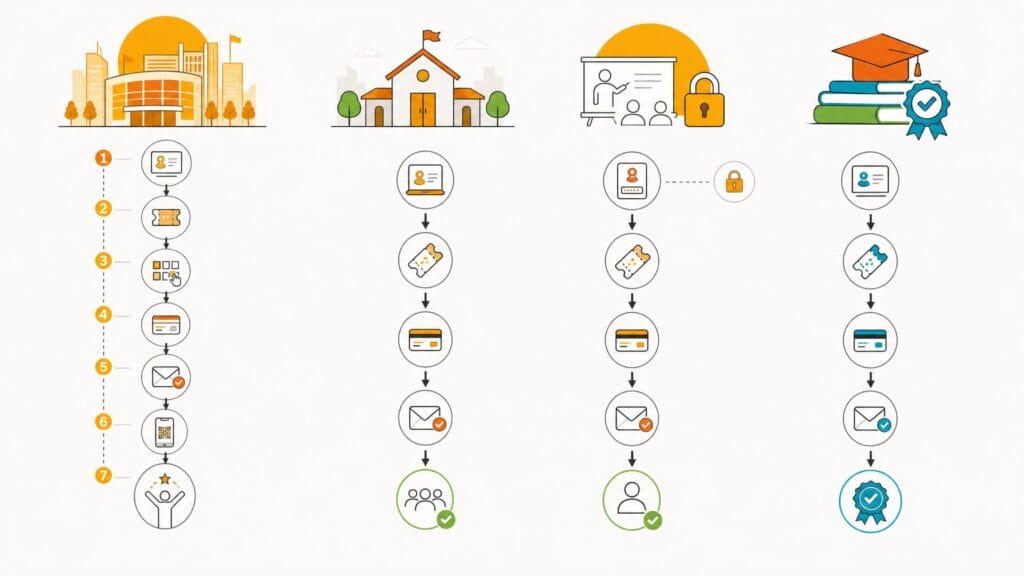
- The Planning Phase: Months before the event, the focus is on "early bird" promotions and internal marketing. The registration platform must handle complex pricing schedules that automatically toggle based on set dates.
- The Invitation Phase: For private events—such as leadership summits or board retreats—the software must support invitation-only gating. This requires the ability to upload CSV lists, gate access to specific users, and track RSVP statuses without ever publishing a public-facing URL.
- The Engagement Phase: As the event nears, communication shifts to logistics. Attendees need updates on session changes, hotel blocks, or speaker bios. A disconnected system, where email marketing lives in one tool and registration in another, leads to manual list exports and high error rates.
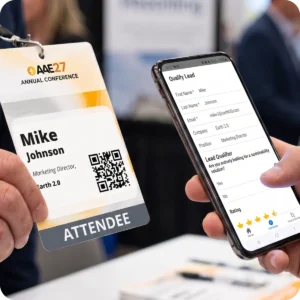
- The Onsite Phase: When the event begins, the data must "flow." Information collected during registration—dietary requirements, session selections, and continuing education (CE) credential numbers—must automatically populate the onsite badge-printing system and the mobile event app.
- The Post-Event Phase: The final stage involves reporting and continuing education verification. The platform must be able to export attendance data in formats that sync directly with the association’s internal certification database.
Supporting Data and Operational Implications
Data from recent industry surveys suggests that associations using integrated, all-in-one platforms reduce administrative "data wrangling" time by approximately 30–40%. When registration, email, and attendee management are unified, the potential for human error—such as miscounting total registrants or mislabeling member tiers—drops significantly.
Furthermore, the rise of AI-powered concierge bots has changed the support landscape. Associations with small, overworked staff teams are increasingly turning to AI to answer the "Four Ws" (Who, What, Where, When) of event logistics. By integrating an AI bot into the registration page, associations can deflect up to 60% of routine inbound support queries, allowing their staff to focus on high-value member interactions rather than answering emails about ticket pricing.
Professional Perspectives: The "Connected Platform" Mandate
Industry experts emphasize that the "connected platform" is no longer a luxury; it is a requirement for survival. "When you decouple registration from the onsite experience, you are essentially building a manual bridge that will eventually break," says one industry analyst. "For an association, where member trust is the currency, a seamless, professional experience from the first email to the final CE certificate is non-negotiable."
Official responses from platform vendors echo this sentiment. The modern expectation is that registration software should act as a "Single Source of Truth." If a member changes their address or updates their membership status in the main system, that data should reflect across all upcoming event registrations.
Implications for Future Growth
For associations looking to modernize, the decision-making process for new software must go beyond current features. It must account for scalability. An association that grows its membership base by 15% year-over-year will quickly find that a "lightweight" tool no longer satisfies their data security or reporting needs.
Key Evaluation Criteria for Decision Makers
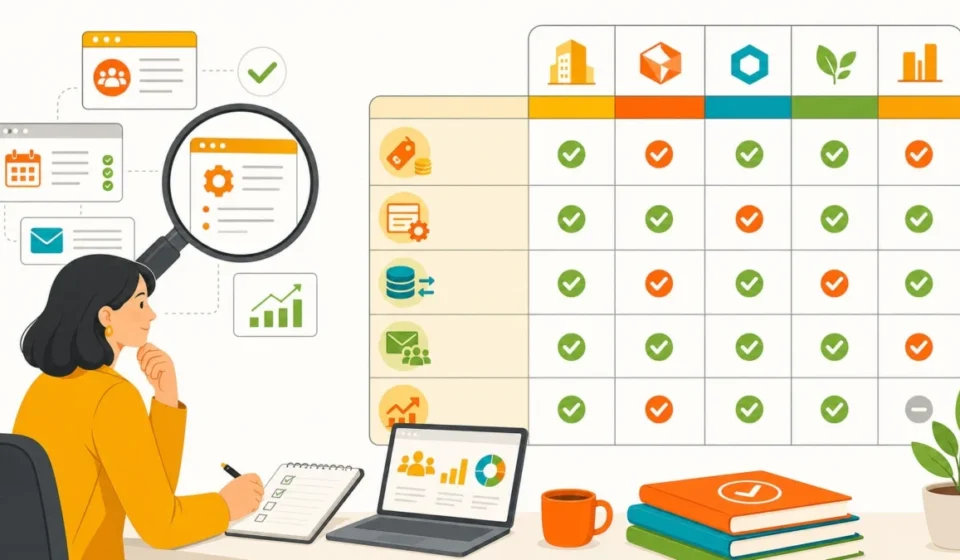
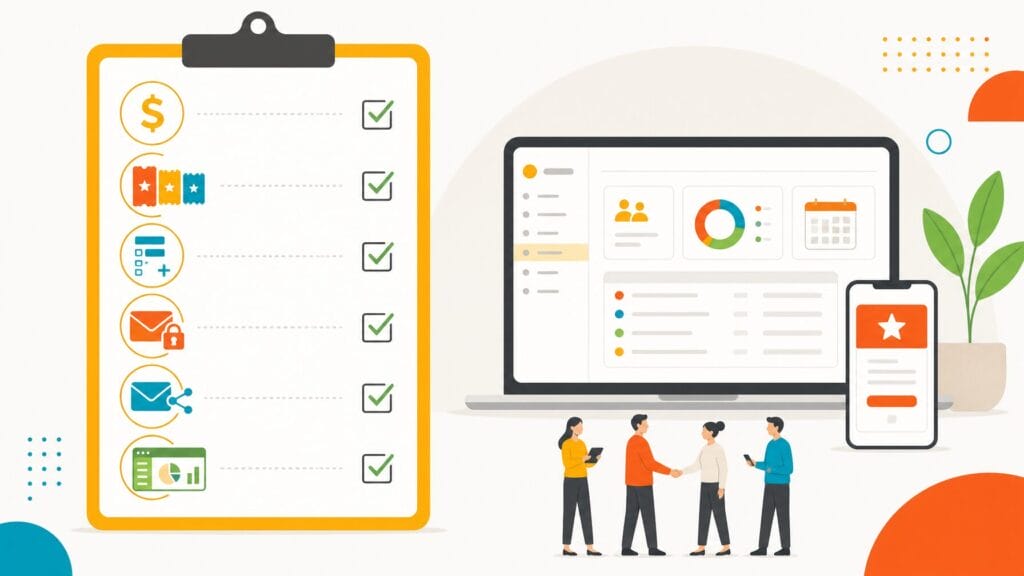
When evaluating a new platform, committees should demand a "stress test" that covers these five pillars:
- Financial Structure: Does the platform offer a flat-rate annual subscription? Avoid platforms that penalize your growth with per-ticket transaction fees.
- Integrated Communication: Can you segment your email lists based on registration status or custom form fields without leaving the platform?
- Conditional Logic: Does the form builder allow for dynamic field visibility? (e.g., Only show the "Certification ID" field if a specific "CE Credit" ticket type is selected.)
- Onsite Ecosystem: Does the platform offer native, plug-and-play integrations for badge printing and mobile apps?
- AI Support: Does the vendor provide an AI-driven concierge to handle attendee FAQs?
The Bottom Line: Moving Toward Efficiency
Associations are unique in their mission. They do not just sell tickets; they build communities, foster professional development, and certify expertise. Because of this, their event registration software must be as professional and multifaceted as the organizations themselves.
By moving away from fragmented, low-cost tools and toward an integrated, purpose-built association event platform, organizations can reclaim hundreds of staff hours annually. This shift allows teams to stop acting as data entry clerks and start acting as experience architects. Whether it is an intimate chapter dinner or a massive annual convention, the registration process should be the first, most reliable touchpoint in a member’s journey.
In the competitive landscape of professional membership, the quality of your event infrastructure is a direct reflection of your commitment to your members. Choosing the right platform is the most effective way to ensure that your events are remembered for their content, not for their logistics.
Five Must-Haves Before You Buy
Before signing any contract, ensure your chosen vendor can provide:
- Uniform Data Architecture: All events, regardless of size, must live in a single, searchable database.
- Advanced Segmentation: The ability to target attendees based on their specific history, interests, and membership status.
- Automated CE Management: Systems that can verify attendance and issue credits automatically.
- Branded Flexibility: The ability to customize the registration experience to match the specific branding of different chapters or events.
- Transparent Scalability: A pricing model that rewards your success rather than penalizing your growth.
By prioritizing these elements, associations can build a resilient, efficient, and member-centric event strategy that stands the test of time.