Breaking the Noise: How Brands Can Overcome Peak Social Media Saturation Through Intentional Content Strategies

Main Facts: The Anatomy of Social Media Saturation
The modern digital ecosystem is facing an unprecedented crisis of excess. Across the globe, more than 5.5 billion people actively use social media networks, dedicating an average of two hours and twenty minutes of their daily lives to scrolling through feeds. However, this massive audience engagement is colliding with an unsustainable surge in content production. According to recent industry benchmarks, brands publish an average of 9.5 posts per day across networks, with certain consumer-facing sectors and media organizations multiplying that figure exponentially.
This relentless output has created a phenomenon known as social media saturation—a tipping point where the sheer volume of published material vastly outpaces the human capacity to consume it. Human attention spans, compressed by fast-moving trends and short-form video formats, have plummeted from an average of 2.5 minutes in 2004 to a mere 47 seconds in recent years. Compounding this issue is the exponential rise of automated content and generative AI "slop," which has flooded feeds with low-effort material, pushing audiences and digital marketers toward profound burnout.
Rather than doubling down on mindless volume, industry leaders are beginning to pull the ripcord on content-for-content’s sake. The mandate for modern social media professionals is shifting away from frantic, high-frequency posting toward insight-driven storytelling, originality, and genuine audience resonance.

Chronology: How the Digital Feed Became Overcrowded
To understand how the social media landscape reached its current state of saturation, it is necessary to examine the evolutionary timeline of platform algorithms, consumer behavior, and technological disruption:
- The Early Era of Human Connection (Pre-2015): Social networks primarily served as digital bridges connecting real-life friends, family members, and acquaintances. Chronological feeds meant that content consumption was manageable and directly tied to personal social graphs.
- The Algorithmic Shift (2015–2020): Platforms transitioned from chronological feeds to recommendation engines driven by user interests. While this maximized screen time, it decoupled content visibility from tangible social relationships, opening the floodgates for brands and creators to compete for global attention rather than localized networks.
- The Short-Form and Trend Acceleration Boom (2020–2023): The meteoric rise of short-form video formats accelerated the speed of cultural trends and meme culture. Human attention spans shrank rapidly, forcing brands to increase their posting frequency to maintain algorithmic relevance, inadvertently sparking early signs of professional burnout.
- The Fragmentation of the Ecosystem (2023–2024): The social ecosystem splintered across diverse platforms—featuring the rapid emergence and decline of apps like BeReal alongside the steady growth of alternatives like Threads, Bluesky, and Mastodon. Brands felt pressured to expand their presence everywhere simultaneously, further diluting their resources.
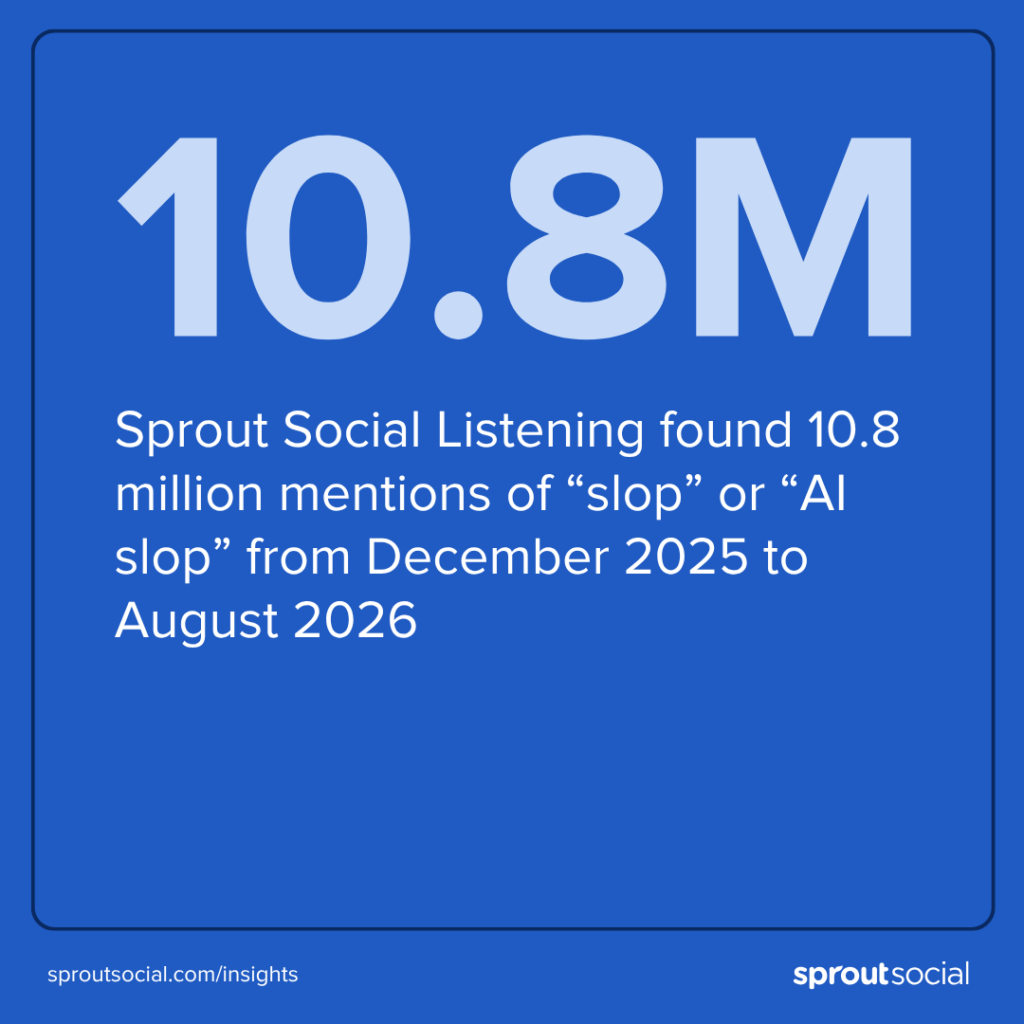
- The Generative AI Inundation (2025–Present): The mass adoption of generative AI tools introduced an unprecedented wave of automated, low-quality content into feeds. By late 2025 and into 2026, social listening tools recorded millions of mentions concerning "AI slop," prompting major platforms like LinkedIn to introduce dedicated reporting features that flagged over a million pieces of subpar content in less than a month.
Supporting Data: The Metrics Driving the Shift
Data from comprehensive industry reports underscore the urgent need for a strategic overhaul in digital marketing. The numbers reveal a stark disconnect between aggressive corporate posting habits and the actual preferences of modern consumers:
- 9.5 Posts Per Day: According to Sprout Social’s benchmarks, this is the average volume of posts published daily by brands across various social networks, with media companies scaling up to 64 posts daily.
- 10.8 Million Mentions: Social listening data tracked a massive surge in public frustration regarding "AI slop" on social feeds, signaling widespread audience fatigue with automated, low-quality content.
- 1 Million Flagged Posts: In less than a month following the launch of LinkedIn’s "seems like AI slop" button, users flagged more than 1 million pieces of content, demonstrating an active consumer revolt against junk posts.
- One-Third Rule for Originality: Recent pulse surveys indicate that one-third of consumers rank the originality of a brand’s content as the primary factor that makes it stand out as a favorite on social media—second only to the overall quality of products and services.
- 44% Engagement Window: Despite shrinking attention spans, 44% of consumers report they will willingly watch video content longer than one minute if the initial five seconds successfully capture their interest. Furthermore, Gen Z audiences are the least likely demographic to instantly skip longer-form videos in their feeds.
Official Responses and Industry Case Studies
Faced with declining engagement rates and mounting audience fatigue, forward-thinking enterprises are redefining their approach to social media management. Moving away from arbitrary daily quotas, these organizations are leveraging social intelligence to build resonant, high-quality campaigns.
BMC’s Shift to Insight-Led Storytelling
A prime example of strategic adaptation is enterprise software leader BMC. When social data revealed that their thought leadership content consistently outperformed one-off product promotions, the marketing team re-evaluated their channel strategy. Recognizing that their audience craved deep industry perspectives, customer stories, and structured insights, BMC transitioned away from a high-frequency daily posting model.
Instead, they launched The BMC Briefing, a monthly editorial experience packaged as a LinkedIn newsletter. This insight-led storytelling framework allowed BMC to deepen relationships with its core audience, proving that intentional, high-value curation yields far better returns than high-volume noise.
Pinterest’s Analog Coachella Activation
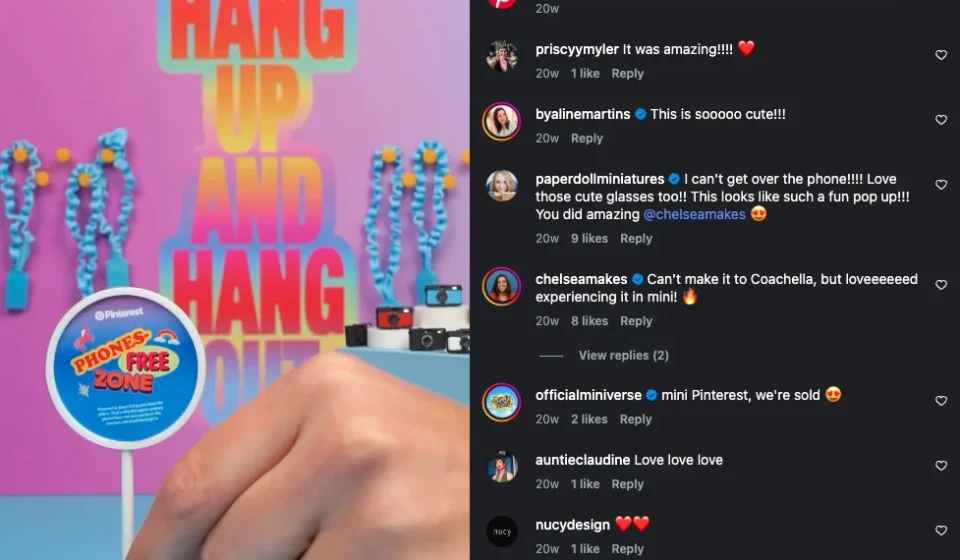
Trendjacking often falls flat when brands force themselves into cultural conversations without a strategic fit. However, data-first brands are finding immense success by aligning audience interests with authentic offline experiences. Pinterest utilized its own internal search data—which showed a 260% increase in searches for the "analog aesthetic"—to design a phone-free, analog-focused activation at Coachella. By offering custom charm-making, beauty touch-ups, and junk journaling, Pinterest successfully translated an online trend into a physical, brand-aligned experience that resonated deeply with attendees.
Implications: The Future of Social Media Strategy
The transition away from volume-based posting carries profound implications for digital marketers, creative agencies, and platform developers alike. Social media saturation is no longer a temporary hurdle; it is the permanent baseline of the modern digital economy. Consequently, brands must adapt to several critical realities:
- Redefining Success Metrics: Marketers must shift their focus away from vanity metrics such as raw reach and impressions. True digital impact lies in community engagement, meaningful conversations, and targeted interactions—such as a user tagging a friend in the comments because a piece of content genuinely resonated.
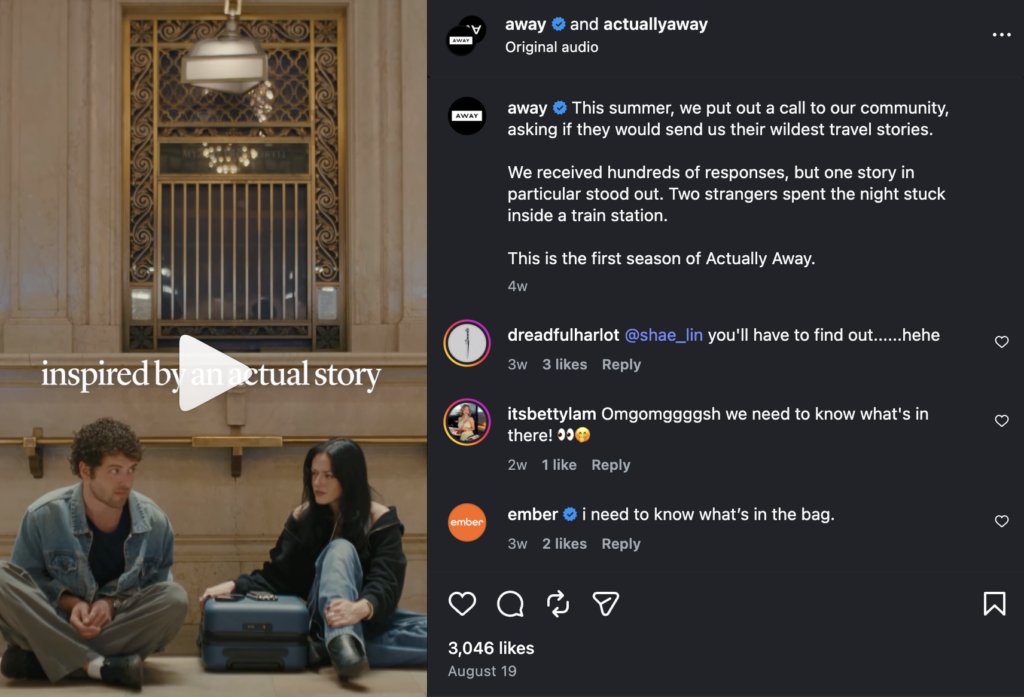
- Combating AI with Human Creativity: As generative AI continues to democratize content creation, volume loses its competitive edge. Original thought, authentic storytelling, and unique microdramas (such as those produced by brands like Away and Nuuly) serve as essential antidotes to automated monotony.
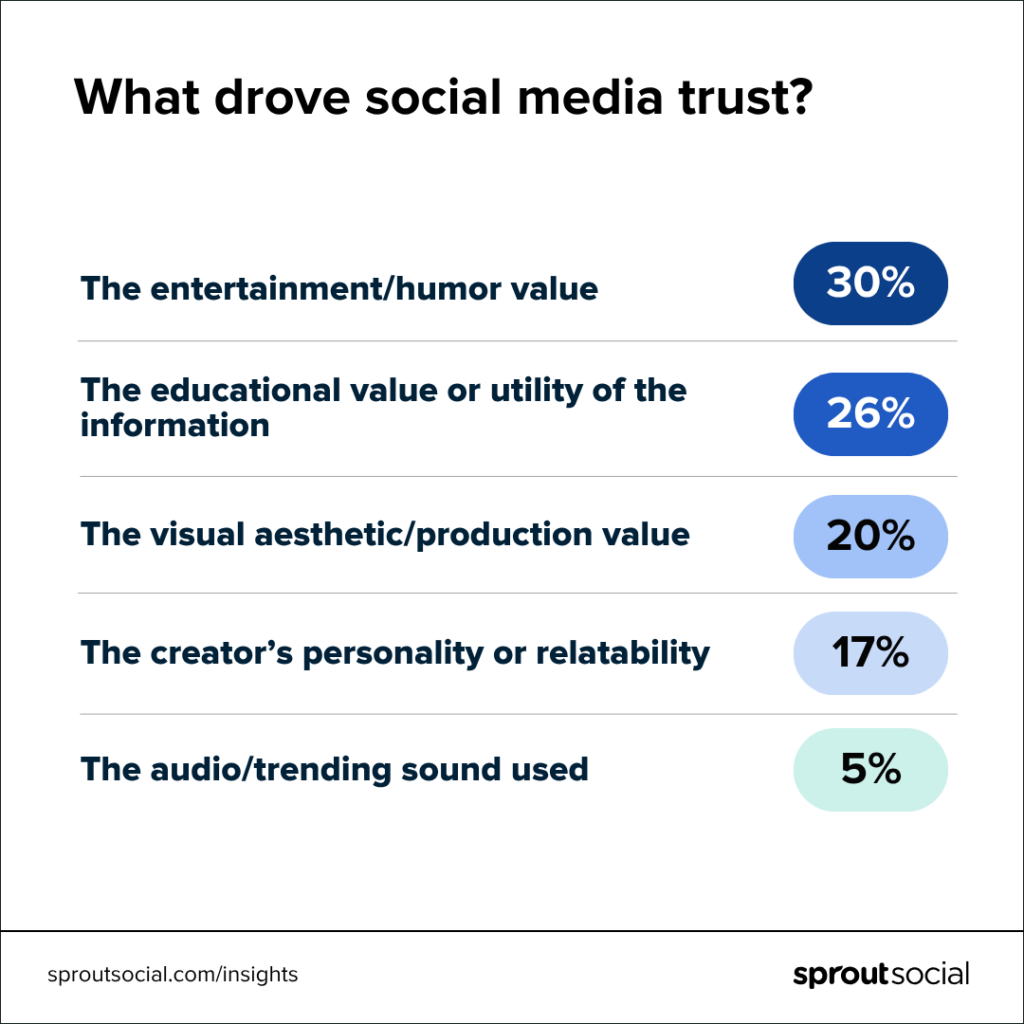
- Adopting Agile Experimentation: Brands must grant their social media teams the operational freedom to run short-term experiments. Lowering production volume to focus on high-production-value, educational, or entertaining ("edutainment") content can instantly revitalize a stagnant channel.
Ultimately, while social media algorithms may be governed by complex code, achieving lasting success in an oversaturated market requires a deeply human touch. By prioritizing quality over quantity, brands can successfully cut through the noise and build lasting connections with their audiences.
Frequently Asked Questions (FAQs)
What is social media saturation?
Social media saturation occurs when the volume of content published to digital feeds vastly outpaces audiences’ capacity and willingness to consume it. This results in hyper-competitive feeds, plummeting attention spans per post, and diminishing returns on high-frequency publishing strategies.
Is social media marketing saturated?
Yes, organic social media is undeniably oversaturated by nearly every per-post return metric. Average engagement rates have declined across major networks while corporate publishing volumes remain high or increase. However, saturation does not render social marketing ineffective; rather, it raises the cost of consumer attention, meaning undifferentiated content no longer clears the bar for success.
How much content are brands publishing on social media?
According to industry benchmarks, brands publish an average of 9.5 posts per day across various networks. Consumer-facing brands and media organizations frequently exceed this baseline, with some media entities publishing upwards of 64 posts daily.
How can brands overcome social media saturation?
Brands can overcome saturation by abandoning the race for high content volume in favor of specificity and quality. Effective tactics include investing in original thought leadership, creating serialized content featuring recognizable human personalities, fostering genuine two-way community engagement, and measuring success through audience resonance rather than broad, passive reach.