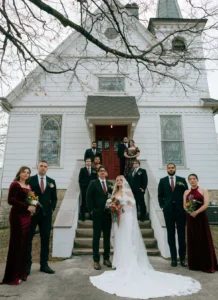
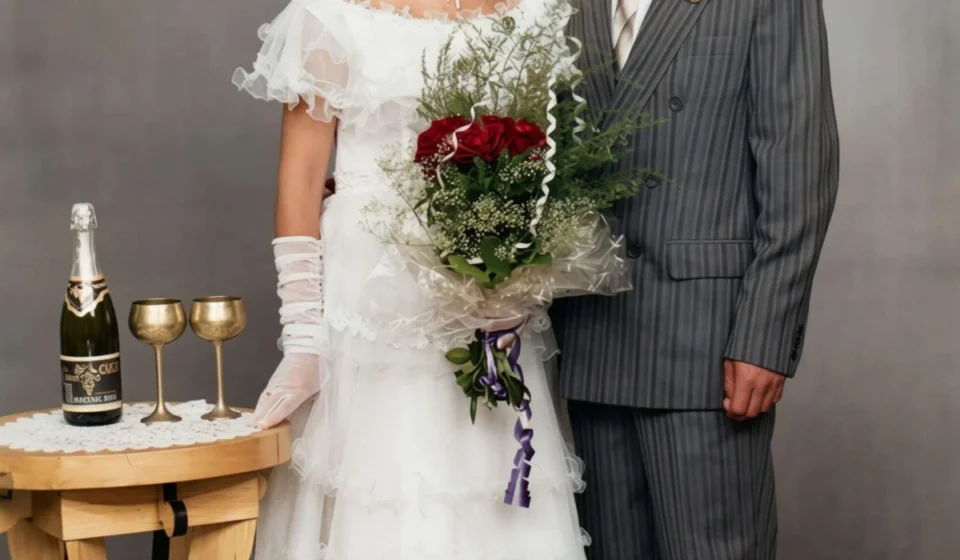
Breathing New Life into Memories: The Art and Science of Restoring Your Wedding Heritage

There is a unique, melancholic joy in stumbling upon a long-forgotten wedding photograph tucked away in the back of a junk drawer or hidden inside an attic box. These artifacts serve as tangible portals to our history—a snapshot of a promise made, a fashion era captured in time, or a glimpse of loved ones who may no longer be with us. Yet, time is a cruel editor. Physical prints fall victim to yellowing, creases, and water damage, while the early digital era—often characterized by low-resolution sensors and aggressive flash—has left us with a legacy of pixelated, washed-out images that struggle to meet the aesthetic demands of modern high-definition displays.
Fortunately, the digital revolution has democratized photo restoration. What was once the exclusive domain of high-end professional studios and expensive, proprietary software is now accessible to anyone with a smartphone. By leveraging Artificial Intelligence (AI) tools like the Wink Image Enhancer, families can bridge the gap between fragile memories and high-quality keepsakes.
The Evolution of Memory: Why Restoration Matters
The motivation for restoring a wedding photo is rarely about creating a flawless, "Instagram-perfect" image. Rather, it is about clarity and preservation. When we look at a hazy, low-resolution photo from the early 2000s, our brain struggles to connect with the emotional weight of the moment because the visual fidelity is insufficient.
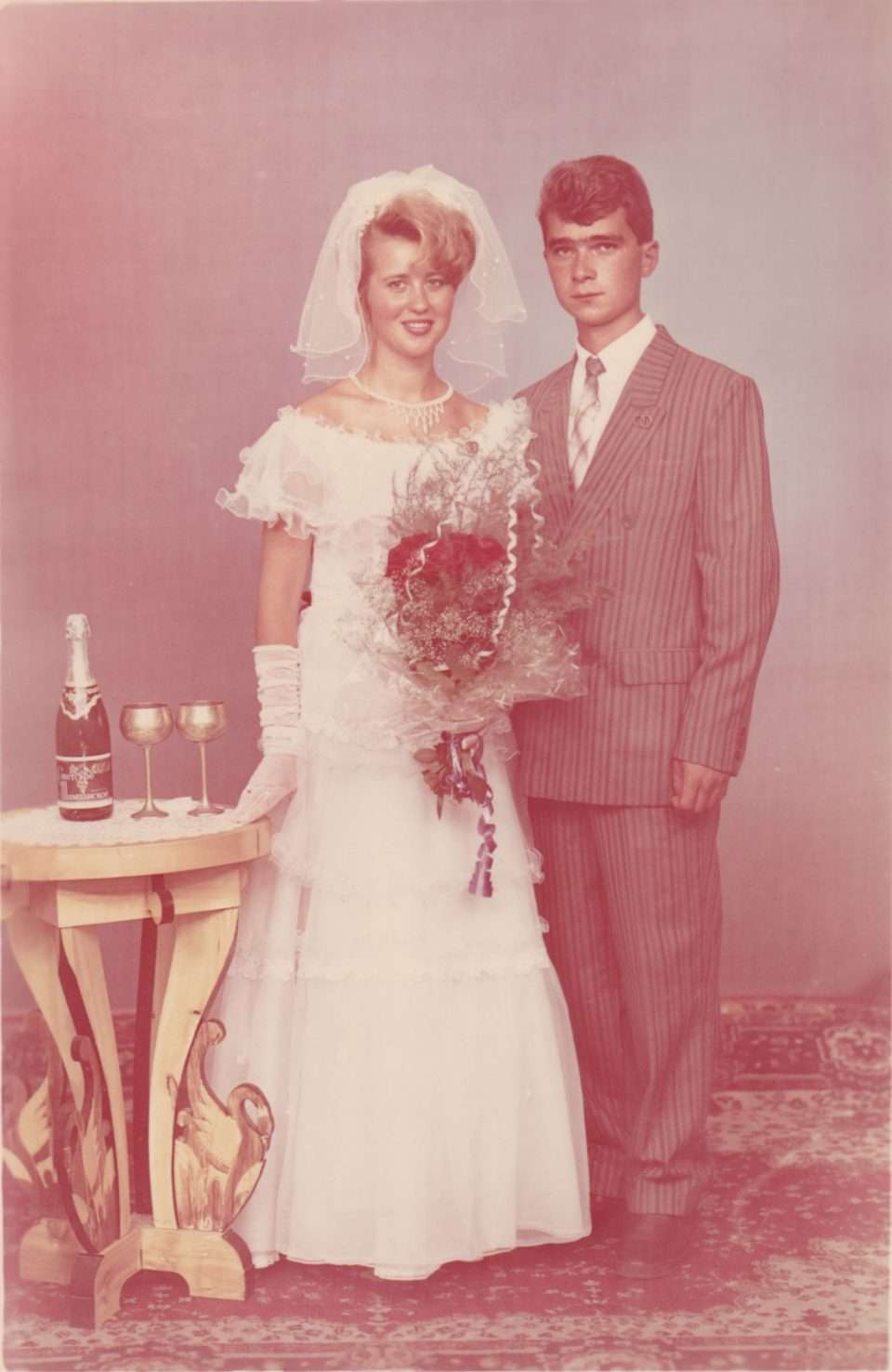
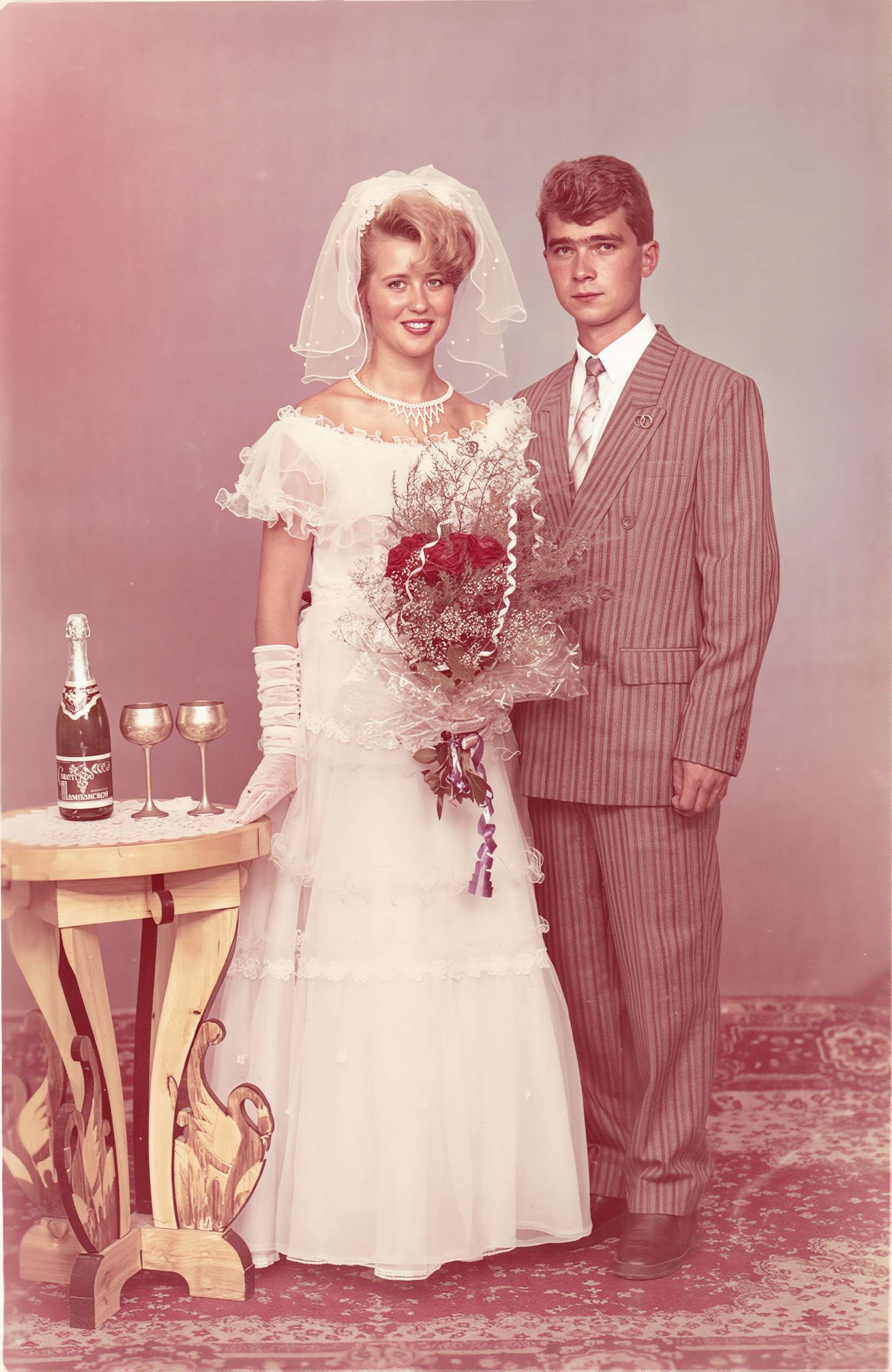
Restoration is not about airbrushing the past into something unrecognizable; it is about "revelation." It is the process of removing the veil that time and technology limitations have placed over the subjects. Whether it is removing the dreaded "red-eye" effect common in early digital flash photography, sharpening a soft focus, or restoring the vibrancy of a faded color palette, these interventions allow the essence of the wedding day to shine through with renewed vitality.
Chronology of Preservation: A Step-by-Step Methodology
Restoration is a delicate process that requires discipline. Before embarking on any technical editing, one must adopt a systematic approach to ensure that the original "source of truth" remains intact.
Phase 1: The Preservation Protocol
Before you touch a single slider or apply an AI filter, you must secure the original. If you are dealing with a physical photograph, the first step is digitizing. Use a high-quality scanner—not a smartphone camera—if possible, to capture the image at a minimum of 600 DPI. Once digitized, this file becomes your master copy. Never edit the master file. Always create a duplicate file for your restoration work. If you are starting with a digital file, save it in a separate folder labeled "Restoration Projects" so the original file remains pristine and untouched.
Phase 2: Utilizing AI for Enhancement
Once your digital base is established, platforms like the Wink Image Enhancer come into play. These tools utilize complex neural networks to "fill in the gaps" of missing data. When working with wedding photos, users can toggle between specific modes:
- HD and Ultra HD: Designed for general cleanup and noise reduction.
- Portrait Mode: Specifically calibrated to recognize human facial structures, sharpening eyes and textures without distorting the underlying bone structure.
- AI UHD: The gold standard for high-end upscaling, ideal for prints that need to be blown up for a gallery wall.
Phase 3: The Philosophy of Moderation
The most common mistake amateur restorers make is "over-processing." In an effort to make an image look "new," users often max out the sharpening and color saturation sliders. This results in an image that looks synthetic, plastic, or, as professionals call it, "airbrushed." The goal should be subtle correction. Use the adjustable enhancement strength features to find the "sweet spot" where the photo looks crisp but retains its vintage character.
Supporting Data: Addressing the Digital "Tiny" Problem
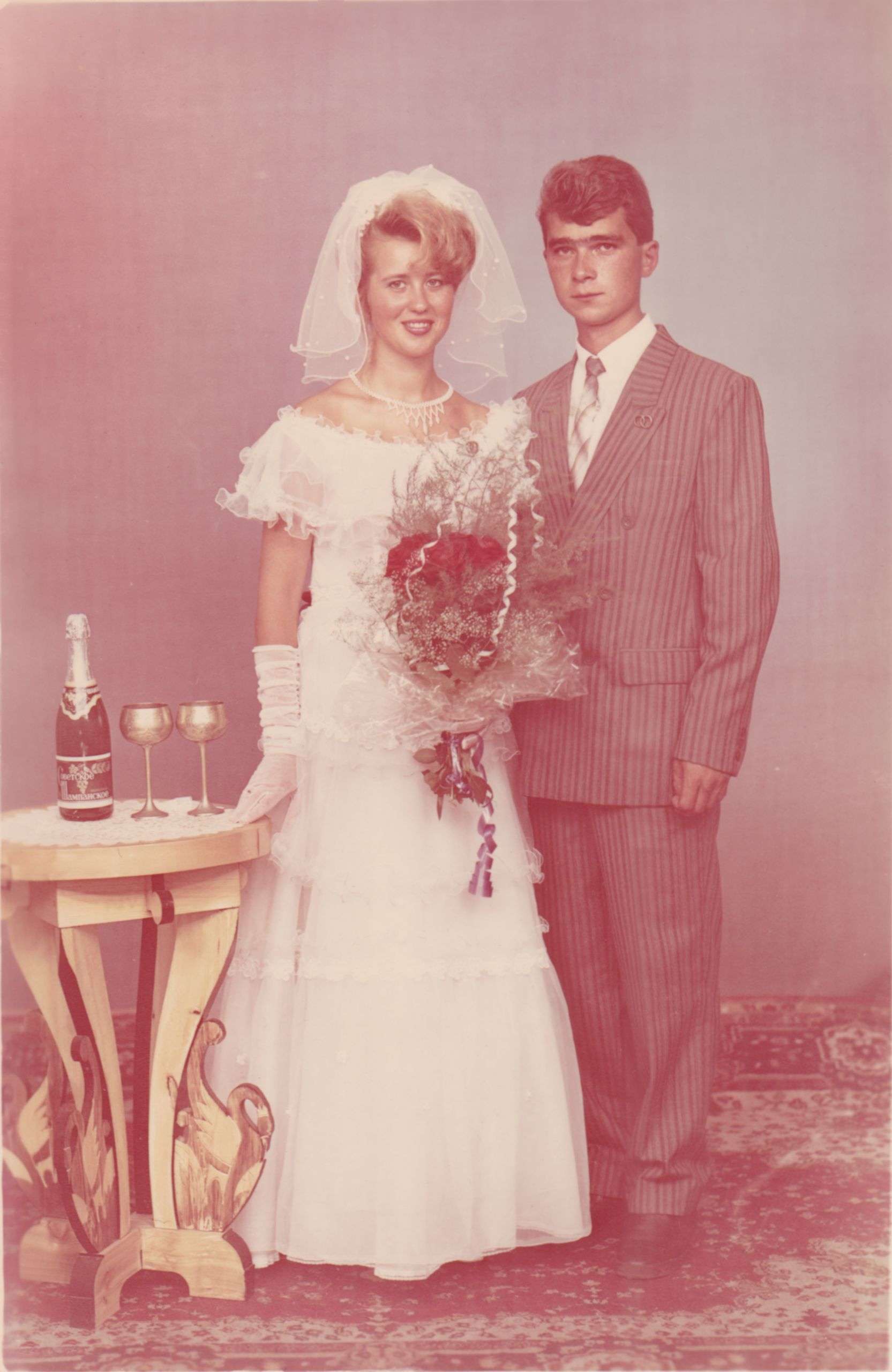
A significant hurdle for many people is the "megapixels gap." A wedding photo taken on a digital camera from 2004 might have been captured at a resolution that is barely thumbnail-sized by today’s standards. When you attempt to enlarge these images in standard software, the result is "pixelation"—a blocky, jagged look that destroys the integrity of the image.
AI upscaling technology functions differently than traditional zooming. By using machine learning, the software analyzes the pixels and predicts the missing detail, effectively "inventing" the data required to display the image at 2K or 4K resolution. This allows you to take a tiny, unusable file and scale it for a large-format wedding print without the tell-tale blur of legacy enlargement methods.
Official Perspectives and Industry Standards
Industry experts and archivists emphasize that photo restoration should be treated as a form of historical conservation. While consumer AI tools are incredibly powerful, they are not infallible.
"The best restoration is the one that respects the grain of the original film or the texture of the print," notes Sarah Jenkins, a digital imaging specialist. "When using AI, you are essentially asking a computer to interpret history. That is why it is vital to keep the original. If the AI hallucinates a detail—like a stray eyelash or a fabric pattern—you need to be able to refer back to the original to ensure the history remains accurate."
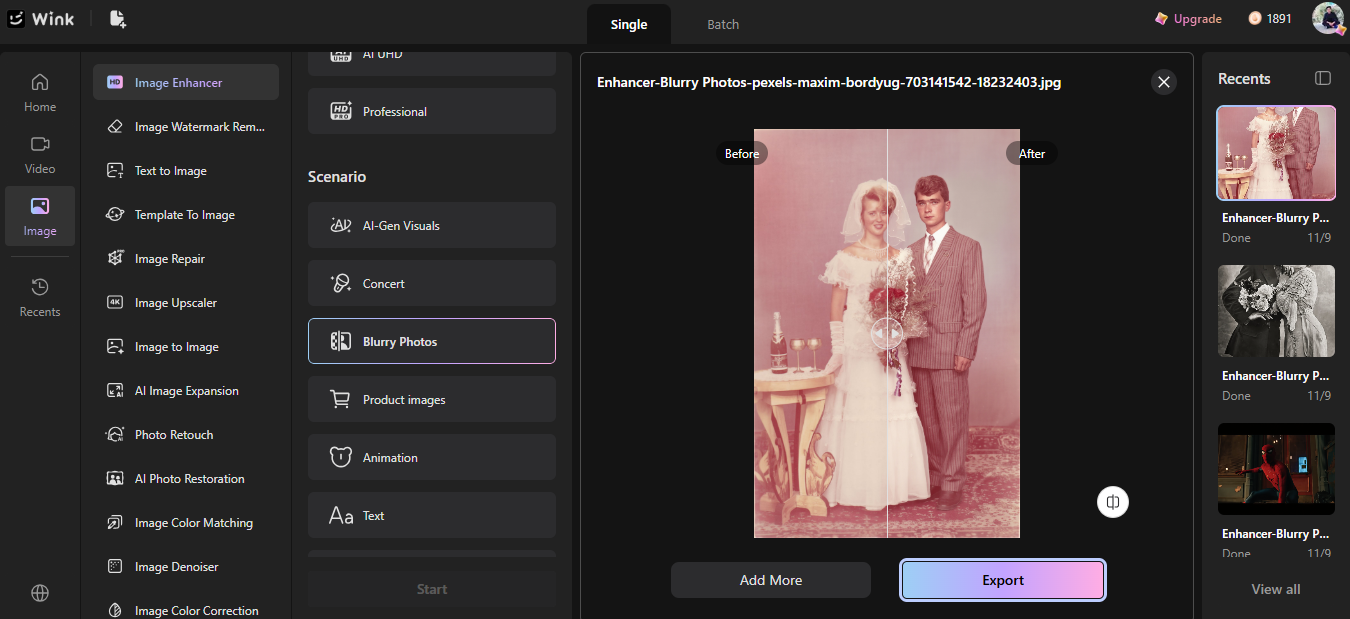
Furthermore, developers at platforms like Wink suggest that users should always perform a "batch test" before committing to a massive overhaul. By running three or four photos through various settings, you establish a consistent "look" for your entire wedding album. This ensures that when the images are printed together in a book, the color balance and sharpening levels are uniform, preventing a jarring visual transition from one page to the next.
Implications for Future Generations
The ability to restore these images has profound implications for how we pass down family legacies. Previously, damaged photos were often relegated to the back of a drawer because they were considered "ruined." Today, those same photos can be restored to a state of near-original quality and shared via digital galleries, cloud storage, and high-quality printed photo books.
This accessibility changes the way we engage with our family history. We are no longer limited by the state of the physical print; we are limited only by our desire to preserve the story. By investing time in this process, we are essentially acting as curators of our own personal museums, ensuring that future generations can see the smiles, the attire, and the atmosphere of a wedding day exactly as it felt, rather than through the fog of decay.
Best Practices Checklist for the Aspiring Restorer
To ensure your restoration project yields professional results, adhere to these four foundational rules:
- The Integrity Rule: Always maintain a raw, untouched copy of the original scan or file. If you make a mistake, you must have a safe path back to the beginning.
- The Critical Review: After applying an AI enhancement, examine the image at 100% zoom. Pay close attention to the eyes, teeth, and intricate details like lace or jewelry. AI can sometimes "smooth" these areas into a blur if the strength is set too high.
- Batch Processing for Consistency: If you are working on a set of photos from the same ceremony, try to keep your settings consistent. This creates a cohesive narrative flow for the final album.
- The Output Strategy: Think about your final destination. Are you sharing this on social media, or are you printing a large canvas? If printing, ensure you are exporting your files in the highest possible resolution (typically 300 DPI for print) and in a format that supports high color depth, such as PNG or high-quality JPEG.
In conclusion, the act of restoring a wedding photo is an act of love. It is a commitment to the idea that the past is worth keeping, and that our memories deserve to be seen with the clarity they deserve. With the right tools and a disciplined, respectful approach, those long-lost wedding photos can once again take their rightful place in your home, serving as a vibrant reminder of the day your family story began.