Bridging the Gap: Why Social Teams Need Data Storytelling to Drive Enterprise Impact

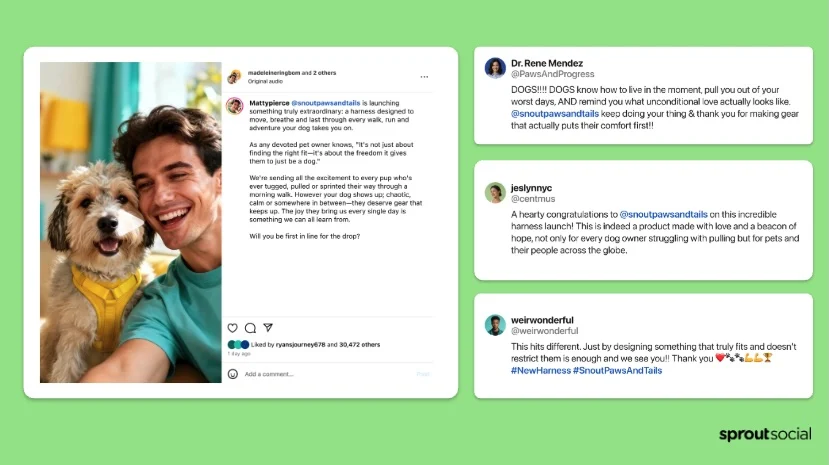
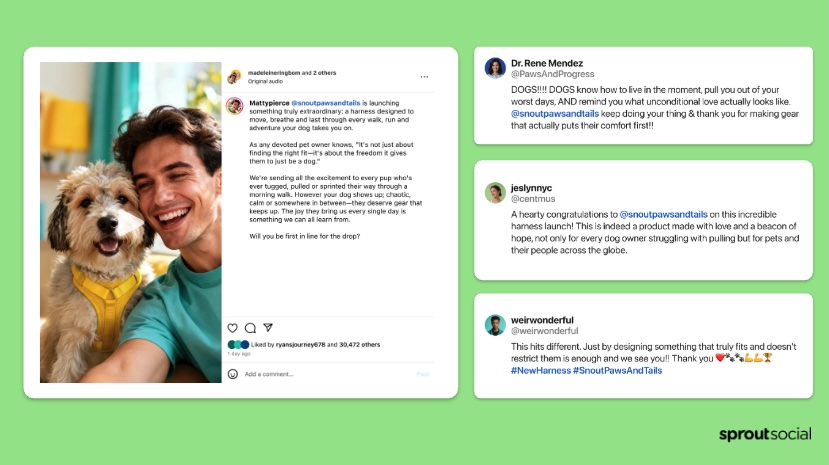
In the modern corporate ecosystem, social media metrics are often a double-edged sword. Engagement is soaring, brand mentions are spiking, and sentiment analysis paints a glowing picture of public perception. Perhaps a viral community hack has organically accelerated the adoption of a newly launched product.
For social media teams, these are undeniably positive milestones. Yet, a persistent bottleneck remains: if these metrics cannot be translated into actionable business intelligence, the numbers remain trapped within marketing dashboards. The momentum generated online dissipates, leaving overarching business strategies completely unchanged.
Main Facts: The Social Intelligence Dilemma
According to the 2026 Social Intelligence Report, social media departments possess access to some of the freshest, most unfiltered market data available. Serving essentially as the world’s largest, unprompted focus group, social channels capture raw consumer reactions, grievances, and praise long before those sentiments ever register in a customer relationship management (CRM) system or support ticket queue.
Despite this immense strategic value, the report reveals a glaring operational disconnect: only 36% of organizations are currently able to leverage social insights to regularly inform decisions outside of the marketing department.

This disconnect highlights a systemic failure. The hurdle is rarely a lack of data; rather, it is a failure of translation. When organizations fail to connect metrics to real-world business outcomes, a pure data challenge quickly transforms into a storytelling failure. Without a compelling narrative that contextualizes the numbers for cross-functional stakeholders—such as product development, customer success, and executive leadership—valuable market signals remain siloed.
Chronology and Evolution: From Static Reports to Dynamic Narratives
Historically, social media reporting followed a rigid, retrospective blueprint. Teams would compile end-of-month spreadsheets detailing impressions, follower growth rates, and share-of-voice percentages, distributing them as static attachments to uninterested department heads. These reports answered the question "What happened?" but completely failed to address "Why it matters" or "What we should do next."
The evolution toward modern data storytelling began as businesses realized that data volume does not equal data comprehension. As digital channels matured and real-time social listening tools advanced, the sheer velocity of data overwhelmed decision-makers.
- The Siloed Era: Social teams operated in isolation, treating metrics as proof of marketing efficacy rather than enterprise-wide market intelligence.
- The Dashboard Era: The rise of advanced analytics platforms centralized data into dense, real-time dashboards. While comprehensive, these dashboards often overwhelmed non-marketing executives with raw figures.
- The Data Storytelling Era (Present): Forward-thinking organizations are now bridging the gap by merging data science, narrative structure, and deliberate visualization. This transition treats data not as an endpoint, but as the foundational plot point of a strategic business narrative.
Supporting Data: The Cost of Siloed Insights
The consequences of failing to contextualize social data are substantial. Data from recent enterprise studies emphasize the risks of keeping insights locked within marketing silos:
- 86% of organizations report having missed significant business opportunities over the past two years simply because social insights were delayed, siloed, or underutilized.
- Only 36% of companies successfully translate social data into cross-departmental decision-making.
- Up to 33% of quarterly customer acquisition can sometimes be traced back to single, highly specific organic touchpoints—such as a viral influencer post—data that remains invisible unless purposefully mined and narrated to sales and executive teams.
These figures illustrate that the gap between raw data and commercial execution is largely driven by governance and communication structures. When insights are packaged as stories rather than spreadsheets, they travel much farther across the organization.
Official Perspectives and Industry Insights
Industry experts emphasize that social data represents an unheralded goldmine for enterprise strategy. Unlike traditional quantitative data sources that reflect customer behavior after a transaction or active engagement has occurred, social platforms capture preemptive intent.
"Every other data source reflects what customers do once they are already actively engaged with you," industry analysts note. "Social captures live reactions from a much wider audience, with unprompted takes that show up there before anywhere else."
When a wave of consumer commentary questions a recent pricing update, or when a community celebrates a legacy feature that engineering planned to deprecate, those signals carry immediate strategic value. However, ensuring that executive leadership or product teams sit up and take notice requires deliberate framework design.
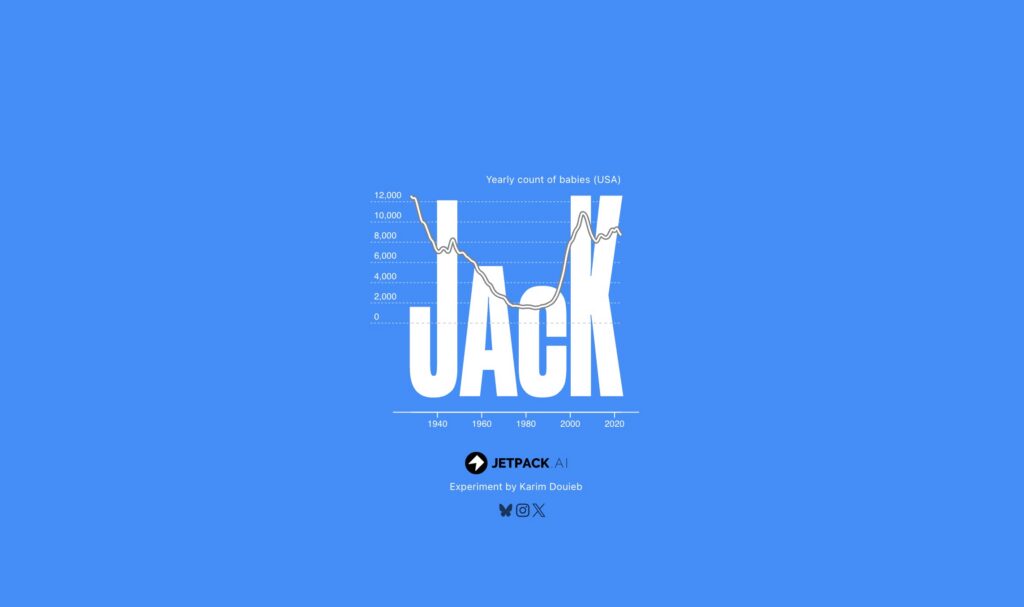
Cross-functional translation is critical. Executives naturally gravitate toward quantitative data because it maps cleanly to the bottom line—revenue, acquisition costs, and retention. Conversely, qualitative data—customer quotes, video testimonials, and unprompted feedback—adds the vital color required to transform abstract percentages into human-centric realities.
Implications: Building a Resilient Data Storytelling Framework
To shift from passive reporting to active enterprise influence, social teams must adopt rigorous data storytelling frameworks. A compelling data narrative follows a deliberate structural arc: establishing context, introducing operational obstacles, hitting a data-driven climax, and concluding with a clear resolution.
The 7-Step Framework for Effective Data Stories
- Identify the Core Insights: Define the primary objective—whether justifying a budget increase or validating a product pivot—and isolate the qualitative and quantitative data points that support it.
- Lead with Your Second Most Interesting Point: Command immediate attention without showing your entire hand. (e.g., "As you know, sales are up this quarter. What you may not realize is that this trend directly correlates with our surge in social traffic.")
- Integrate Visual Aids Purposefully: Use dynamic visualizations as overlays rather than decorative filler, allowing graphs and charts to visually corroborate verbal insights.
- Anticipate and Pre-empt Challenges: Proactively address audience skepticism by incorporating slides or data points that answer logical counter-arguments (e.g., separating correlation from causation).
- Save Your Best Point for Last: Conclude the analytical body with your most striking discovery—such as tracing a third of new customer acquisitions to a specific influencer endorsement.
- Close with the "So What?": Explicitly define how the insights tie back to broader business goals and outline concrete next steps for operational execution.
- Avoid Common Pitfalls: Steer clear of information overload, misleading graph scaling, jargon-heavy terminology, and failing to provide actionable takeaways.
Conclusion: Crafting a Story That Travels
A successful data story commands attention inside the boardroom during a live presentation. A great data story, however, travels far beyond that room. It is the narrative that executives quote in strategy sessions, and the insight that product teams reference when mapping out future feature developments.
Reaching that level of organizational influence requires moving past raw metrics and charts. By deeply understanding the target audience, pairing quantitative metrics with qualitative human context, and concluding every analysis with actionable recommendations, social teams can finally unlock the true value of their data, transforming digital momentum into lasting enterprise growth.
Related posts: