Capturing the C-Store Consumer: Turning Fuel Stops into Culinary Destinations

The modern convenience store is undergoing a structural evolution. For decades, the industry model was predicated on a simple transactional exchange: fuel for the vehicle, a quick snack for the driver, and a rapid exit. However, as consumer habits shift and the demand for high-quality, on-the-go nourishment intensifies, the traditional "gas-and-go" stop is becoming a relic of the past.
A significant portion of convenience store revenue is currently being diverted to quick-service restaurant (QSR) drive-thrus, often located just down the road from the fueling station. Retailers are now faced with a critical challenge: how to capture the meal-time spending that currently slips through their fingers. By leveraging operational efficiencies and rethinking in-store food offerings, convenience operators can transform their locations into destination-worthy culinary hubs.
The Market Reality: Plugging the Profit Leak
Data from industry analysts highlights a troubling trend for the convenience sector. Research indicates that nearly 29 percent of convenience shoppers consciously plan a separate fast-food stop within 30 minutes of their fuel purchase. This represents a massive leakage of potential revenue. When a customer finishes pumping gas, they are already in the "consumption mindset," yet they feel compelled to drive elsewhere to satisfy their appetite.
The opportunity cost is staggering. Foodservice currently accounts for nearly 39 percent of in-store gross profit for high-performing retailers. Yet, despite this, many operators continue to view food as a secondary convenience rather than a primary driver of traffic. The primary barriers cited by operators include perceived quality gaps and the logistical burden of maintaining consistent, fresh inventory.
However, as highlighted in a new industry playbook sponsored by Ruiz Foodservice, the barrier to entry is lower than many retailers believe. Through strategic menu planning and the optimization of existing assets, operators can convert these "lost" meal dollars into high-margin profit centers without the need for massive, capital-intensive kitchen buildouts or specialized culinary labor.
Chronology of a Transformation: From Fueling to Feeding
To understand the shift in the convenience landscape, one must look at the progression of the customer journey over the last two decades.
Phase 1: The "Snack-Only" Era (2000–2010)
During this period, the convenience store was viewed strictly as a provider of impulse items—candy, soda, and tobacco. Hot food was largely limited to roller-grill hot dogs and pre-packaged sandwiches with a long shelf life. The consumer expectation was low, and retailers were content with the thin margins provided by fuel and impulse retail.
Phase 2: The Rise of the Freshness Mandate (2010–2020)
As health consciousness rose and the "foodie" culture permeated mainstream society, consumers began demanding higher-quality ingredients. Retailers responded by introducing fresh-made coffee programs and expanded grab-and-go refrigerated sections. During this time, the "foodservice" component began to climb as a percentage of total gross profit, though it remained inconsistent across the industry.
Phase 3: The Current Integration Phase (2020–Present)
The post-pandemic landscape accelerated the demand for high-quality, prepared meals. With labor shortages hitting the QSR sector hard, convenience stores found themselves in a unique position. By adopting "off-premise" strategies and utilizing streamlined equipment, retailers are now successfully competing with fast-casual restaurants. The focus has shifted from merely stocking food to curating a menu that justifies a dedicated stop.
Supporting Data: The Economics of the Meal Stop
The case for elevating in-store foodservice is supported by compelling operational data. When a customer enters a store for a meal, their average "basket size" increases significantly compared to a customer purchasing only fuel or a beverage.
- Margin Expansion: Prepared food items typically command significantly higher gross margins than traditional retail items like packaged snacks or tobacco products.
- The 30-Minute Window: Marketing data confirms that the "30-minute window" is the critical period where a driver’s hunger is at its peak. By placing high-quality, enticing food options at the point of sale, retailers can interrupt the impulse to drive to a nearby QSR.
- Operational Efficiency: Industry insights from experts at Ruiz Foodservice suggest that retailers do not need a five-star kitchen to succeed. Many of the most profitable programs rely on "hot-holding" technology and high-quality, pre-prepared proteins that require minimal handling, reducing both labor costs and the risk of food safety incidents.
Official Perspectives: The Operational Roadmap
Industry leaders and supply chain experts, including the team at Ruiz Foodservice, emphasize that success in the foodservice category is as much about process as it is about product.
"The goal is not to become a restaurant; the goal is to become a high-efficiency food destination," notes a spokesperson for the initiative. The core strategy involves three pillars:
- Product Consistency: Customers will not return if the quality of a breakfast burrito or a sandwich varies wildly from visit to visit. Standardized, high-quality ingredients are non-negotiable.
- Labor Optimization: By utilizing solutions that require "assembly" rather than "preparation," retailers can maintain a high-quality menu using existing staff, avoiding the need for dedicated chefs or expensive culinary certifications.
- Visibility: If the food is not visible, it does not exist in the mind of the customer. Merchandising, menu boards, and the strategic placement of warming units are vital to driving the "impulse" meal purchase.
Retailers are encouraged to download comprehensive playbooks that detail how to audit their current footprint to identify the "low-hanging fruit"—the specific product categories that offer the highest return on investment with the lowest operational complexity.
Implications for the Future of Convenience Retail
The shift toward foodservice is not merely a trend; it is a fundamental survival strategy for the modern convenience operator. As electric vehicles (EVs) become more common, the traditional "gas-and-go" model faces an existential threat. If a customer spends 20 to 30 minutes at a charging station, they will inevitably need something to occupy their time—and their appetite.
The EV Connection
The rise of EVs actually presents a unique opportunity for convenience retailers. Unlike traditional gas pumps, which encourage a 5-minute stop, charging stations necessitate longer dwell times. This creates a "captive audience" that is prime for a sit-down or elevated grab-and-go dining experience. Retailers who invest in their food programs today will be the ones who dominate the charging infrastructure market tomorrow.
Competitive Positioning
By capturing the meal-time dollar, convenience stores can insulate themselves from the volatility of fuel margins. When fuel prices spike, traffic often drops; however, if a store has established itself as a go-to destination for lunch or dinner, it can maintain a steady flow of high-margin traffic regardless of the energy market.
The Technology Barrier
Future growth will also rely on digital integration. The ability to order through a mobile app and have food ready upon arrival at the pump is the next frontier. Retailers who successfully integrate their fuel loyalty programs with their foodservice menu will create a "sticky" ecosystem that keeps customers coming back, effectively building a moat against QSR competitors.
Conclusion: A Call to Action for Operators
The data is clear: the modern driver is looking for a better way to eat on the road, and they are willing to spend more for quality and convenience. The retailers who succeed will be those who stop viewing themselves as "gas stations that sell snacks" and start seeing themselves as "food destinations that provide fuel."
The operational roadmap is available, the consumer demand is present, and the potential for increased profit margins has never been higher. The path forward requires a shift in mindset, a focus on consistent execution, and the willingness to leverage modern food solutions to turn every fuel stop into a culinary win.
For retailers ready to capitalize on this shift, the time to audit operations and implement a robust foodservice strategy is now. By reclaiming the lunch hour, convenience stores can secure their place as the true center of the American travel experience.
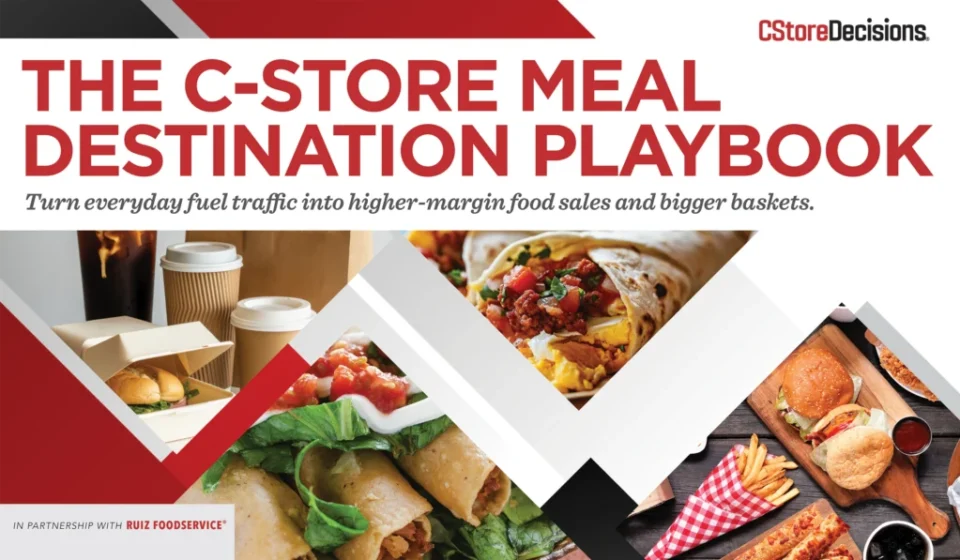
For those looking to deepen their operational knowledge, the latest report from Ruiz Foodservice offers a comprehensive guide to menu optimization and asset utilization, designed to help retailers win the meal-time battle. To download the full report and access the complete playbook, visit Ruiz Foodservice.