Darden Restaurants Navigates Shifting Consumer Habits as Q1 Growth Outpaces Expectations

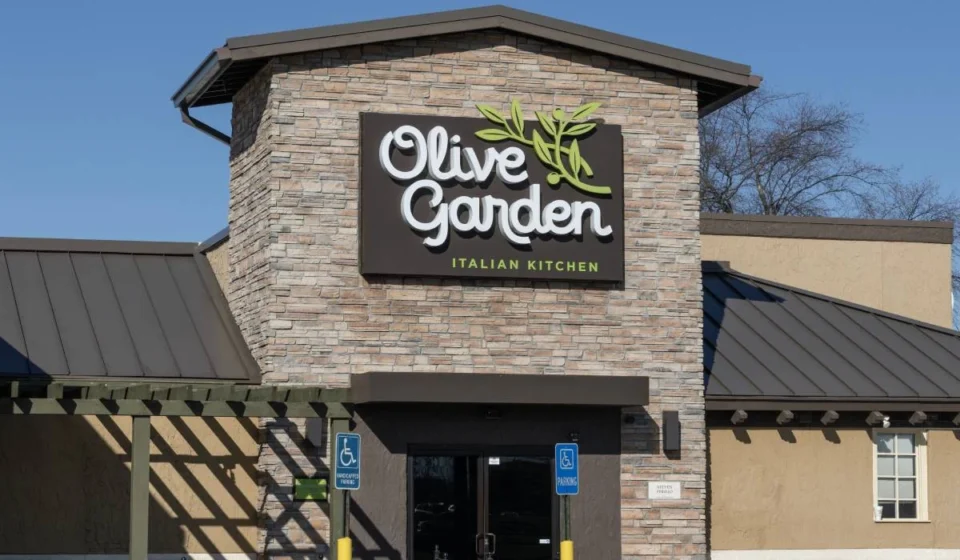
Darden Restaurants, the parent company behind some of the most recognizable names in casual dining, has officially kicked off fiscal 2027 with a robust performance. In a market landscape characterized by unpredictable consumer spending and fluctuating commodity costs, Darden’s diversified portfolio—ranging from the iconic Olive Garden to the high-energy Yard House—has demonstrated notable resilience.
The company reported a 5.1 percent increase in total sales, reaching $3.2 billion for the first quarter. This growth was fueled by a combination of aggressive physical expansion, with 53 net new restaurant openings, and a steady 3.2 percent increase in same-restaurant sales. Despite these gains, the leadership team at Darden is not resting on its laurels. Instead, the company is doubling down on a strategic pivot aimed at reclaiming its footprint in the weekday lunch market, a daypart that has struggled to fully recover since the pandemic.
A Chronology of Q1 Performance and External Pressures
The first quarter of fiscal 2027 was a tale of two halves, with sales momentum accelerating as the period progressed. According to CFO Raj Vennam, the company observed a distinct improvement in sales patterns throughout the quarter, with performance gaining significant traction in September.
However, the quarter was not without its headwinds. Darden leadership pointed to the World Cup as a significant, albeit uneven, factor in its quarterly results. The tournament acted as a double-edged sword: while it provided a substantial 180-basis-point tailwind for Yard House, where sports-centric environments naturally attracted viewers, it effectively drew traffic away from the rest of the Darden portfolio. Companywide, the tournament was estimated to have reduced same-restaurant sales by approximately 80 basis points.
Beyond the World Cup, Olive Garden faced a secondary challenge: consumer anxieties regarding food safety, specifically concerns surrounding lettuce. This forced the chain to hit the pause button on its planned marketing efforts for the signature unlimited soup, salad, and breadsticks lunch promotion. Combined with the "lighter portion" entrée options—which created a 50-basis-point headwind to the average check—the brand saw same-restaurant sales rise by only 1 percent.
Supporting Data: By the Numbers
The financial health of Darden’s individual segments remains the bedrock of its success.
LongHorn Steakhouse: The Consistent Performer
LongHorn Steakhouse continues to be the crown jewel of the Darden portfolio. The chain posted a 6.8 percent increase in same-restaurant sales, marking its 22nd consecutive quarter of growth. Total sales for the segment jumped 10.9 percent, while the segment profit margin expanded by 60 basis points to 18 percent. Notably, LongHorn has achieved a 17 percent increase in same-restaurant sales over the past three years with minimal reliance on traditional advertising, proving the strength of its core menu and operational execution.
Yard House: Crossing the Billion-Dollar Threshold
Yard House has officially cemented its status as a major player within the Darden ecosystem, recently surpassing $1 billion in trailing 52-week sales. With a 10 percent same-restaurant sales increase in Q1, the brand is now the third in Darden’s stable to cross the $1 billion milestone. With average unit volumes (AUVs) hitting $10.5 million, the company plans to open 13 new locations this fiscal year, including five strategic conversions of existing Bahama Breeze sites.
Fine Dining and Emerging Concepts
Darden’s Fine Dining segment, which includes brands like The Capital Grille and Eddie V’s, saw a 1 percent increase in same-restaurant sales. While business travel-related spending remains slightly sluggish compared to the previous year, private dining has emerged as a key growth driver. Meanwhile, the integration of Chuy’s remains a primary focus, as the company works to resolve technical hurdles related to a new point-of-sale system implementation. Despite these operational growing pains, Chuy’s has maintained positive same-restaurant sales under Darden’s stewardship.
Official Responses: Addressing the Lunch Deficit
Perhaps the most significant revelation from the Q1 earnings call was the candid assessment of the weekday lunch daypart. For Olive Garden, weekday lunch accounts for roughly 20 percent of total traffic, yet its performance is lagging behind pre-pandemic levels by hundreds of basis points.
"We’ve seen a little bit more deterioration at lunch than we have in any other place," CEO Rick Cardenas remarked. "We thought it was time, and it was already in our five-year plan to work on lunch."
Darden is not merely hoping for a return to normalcy; it is actively restructuring its lunch offering. The company is currently testing a new weekday lunch platform designed to offer greater variety and value, aiming to lure back office workers and budget-conscious diners. Furthermore, the return of the "Never-Ending Pasta Bowl" at the start of Q2 has already exceeded internal expectations. By raising the base price for the first time in five years—while maintaining the $4.99 unlimited protein add-on—Darden has successfully tapped into a consumer desire for premium, protein-forward dining experiences.
The company is also leaning into the "lighter portion" trend. While these items initially suppressed the average check, data suggests that diners who order these portions visit more frequently than those who do not. Darden views this not as a margin-diluting measure, but as a long-term customer acquisition strategy.
Strategic Implications: Looking Toward Fiscal 2027
Darden’s leadership remains optimistic about the broader consumer environment. Despite inflation, fluctuating gas prices, and shifting economic sentiments, Cardenas noted that the composition of their casual-dining customer base has remained remarkably stable.
"If the consumer is wavering, we’re not seeing it," Cardenas stated, emphasizing that traffic improved throughout the quarter despite external economic noise.
Operational Efficiencies and Future Growth
The company is moving forward with a multifaceted growth strategy:
- Menu Innovation: Beyond the Pasta Bowl, Olive Garden is testing "protein-forward" dinner items following the success of the Calabrian Steak & Shrimp Bucatini.
- Expansion Prototypes: For brands like Yard House and Cheddar’s Scratch Kitchen, Darden is rolling out smaller restaurant prototypes. These designs are intended to lower construction and real estate costs, allowing for a broader range of site selection and faster, more sustainable unit growth.
- Pricing Strategy: Darden anticipates that its current pricing strategy—which averaged 3.7 percent in Q1—will ease to the low-to-mid 2 percent range by the fourth quarter of the fiscal year. This deceleration is intended to help the company remain competitive as it navigates the latter half of the year.
The Macro View
The primary takeaway from Darden’s Q1 report is a company that has successfully insulated itself against short-term volatility through extreme brand diversification. By balancing the high-volume, value-oriented nature of Olive Garden with the upscale, high-AUV performance of Yard House and the consistent, growth-focused model of LongHorn, Darden is creating a structural buffer.
As Darden enters the remainder of fiscal 2027, the focus will remain on the "three pillars" of its operational philosophy: food, service, and atmosphere. By leaning into its strengths—such as the massive popularity of the Never-Ending Pasta Bowl—while proactively fixing structural weaknesses like the lunch daypart, Darden is positioning itself to remain a bellwether for the casual dining industry.
For investors and industry observers alike, the next few quarters will serve as a litmus test for whether these strategic adjustments can translate into sustained, long-term traffic growth. If the current trajectory holds, Darden’s ability to "meet the guest where they are"—whether that is through a high-protein dinner or a revamped weekday lunch menu—will likely ensure its continued dominance in a crowded, competitive market.