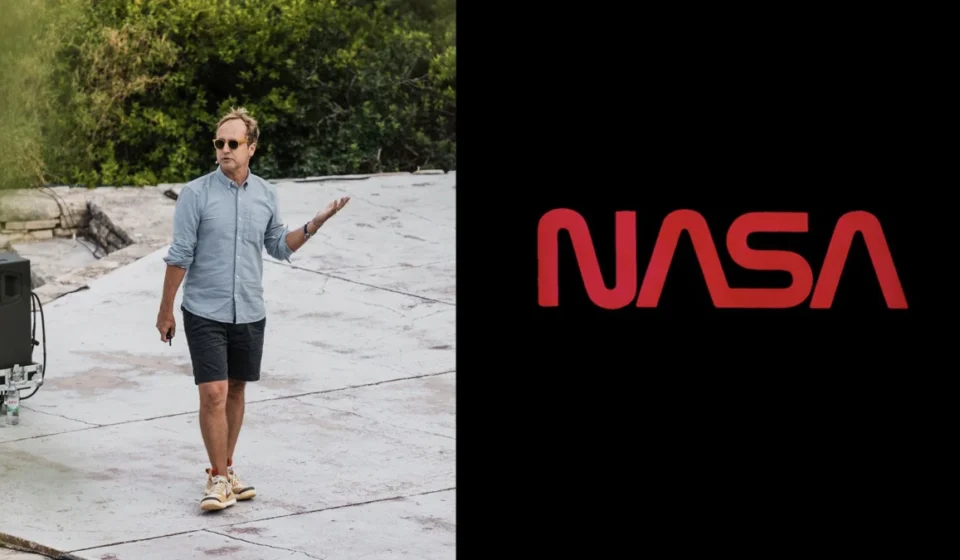
Designing the Future: How NASA’s Creative Director is Safeguarding Truth in the Age of AI

Last week, on the serene, sun-drenched shores of Obanjan Island in Croatia, the design community gathered for Frontify’s Paradigms 2026 conference. Amidst a sea of global design leaders, creative directors from top-tier agencies, and tech visionaries, one presentation stood out not for its aesthetic novelty, but for its profound cultural responsibility.
David Rager, the Creative Director of NASA, took the stage to discuss a mandate far weightier than mere visual identity: maintaining the integrity of one of humanity’s most trusted symbols. Rager, who has become the steward of the agency’s iconic visual legacy, shared the complex reality of managing a brand that acts as the global face of scientific truth.
The Architect of the Agency’s Visual Soul
David Rager’s trajectory to the helm of NASA’s creative department is anything but conventional. Far from the rigid career paths typically associated with federal bureaucracy, Rager’s background is rooted in the gritty, collaborative world of music.
"My beginning in graphic design came through music," Rager explained during our exclusive sit-down following his keynote. "I was always in bands. In college, I was the one making the flyers, the posters, and the album covers—first for my own band, then for friends."
This DIY spirit eventually translated into a diverse career spanning agency life, museum branding, and even hospitality architecture in Paris. When he eventually landed in Los Angeles and began working with Disney, he found himself living in the shadow of NASA’s Jet Propulsion Laboratory (JPL). "I started discovering all these creative roles within NASA," he recalled. "They were going through a reorganization and needed a design leader."
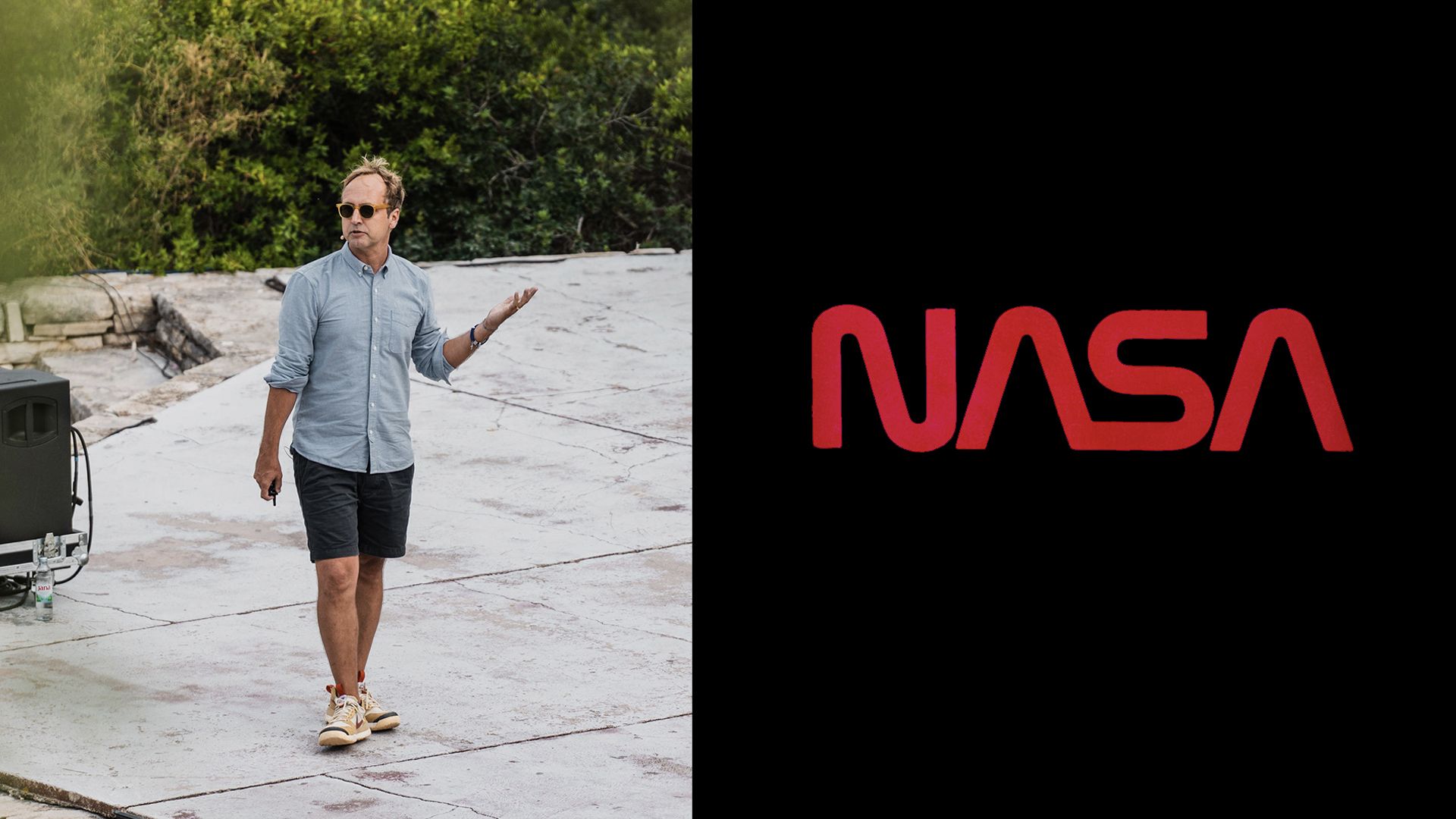
What began as a consultancy role to help bridge the gap between JPL’s output and NASA Headquarters’ overarching brand strategy quickly evolved. By 2019, Rager was embedded at JPL, and by 2023, he had transitioned to a full-time role at Headquarters, tasked with the monumental job of unifying the agency’s fractured visual identity.
A Chronology of the ‘Worm’ and the ‘Meatball’
To understand the gravity of Rager’s current mission, one must understand the tug-of-war that has defined NASA’s visual history for decades.
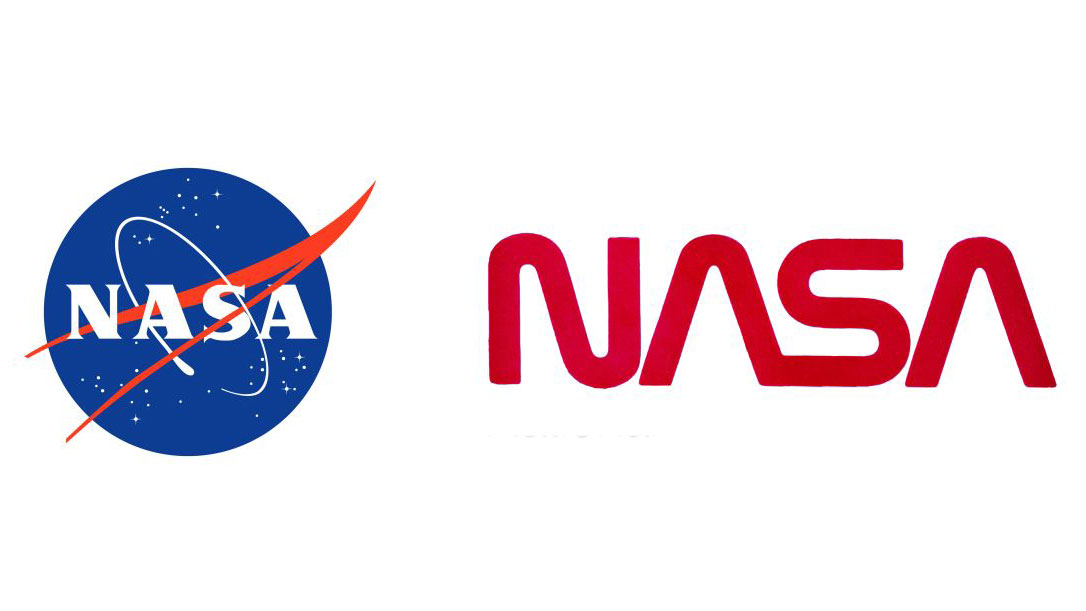
- 1959: The "meatball" insignia—the classic blue sphere—is established, representing the agency’s aeronautical and astronautical roots.
- 1975: In a bid for modernization, the "worm" logotype—a sleek, minimalist typeface—is introduced as part of the Federal Graphics Improvement Program.
- 1992: Under a new administration, the "worm" is abruptly retired in favor of the "meatball," reflecting a desire to reclaim the nostalgic energy of the Apollo era.
- 2020: Responding to public outcry and a renewed cultural appreciation for 1970s minimalism, NASA officially resurrects the "worm" as a secondary, celebratory logotype.
- 2023–Present: Under Rager’s leadership, the agency initiates a "peace treaty" between the two logos, codifying their usage to ensure the brand remains coherent, historical, and forward-looking.
The "worm," once discarded, has seen a miraculous resurgence. It is now so culturally significant that the Museum of Modern Art (MoMA) in New York has acquired it for its permanent collection, cementing its status as a pinnacle of American design.
The Challenge of Internal Perception
One of the most surprising insights from Rager’s tenure is the challenge of "brand apathy" within the agency itself. NASA is an organization of scientists, engineers, and mathematicians—individuals whose primary focus is often the cold, hard data of space exploration rather than the nuances of typography or color theory.
"If you’ve been at NASA for 30 years, the brand becomes like wallpaper," Rager noted. "You stop seeing it. A lot of my job has been internal education—reminding our teams that there is actual, tangible value in consistent communication."
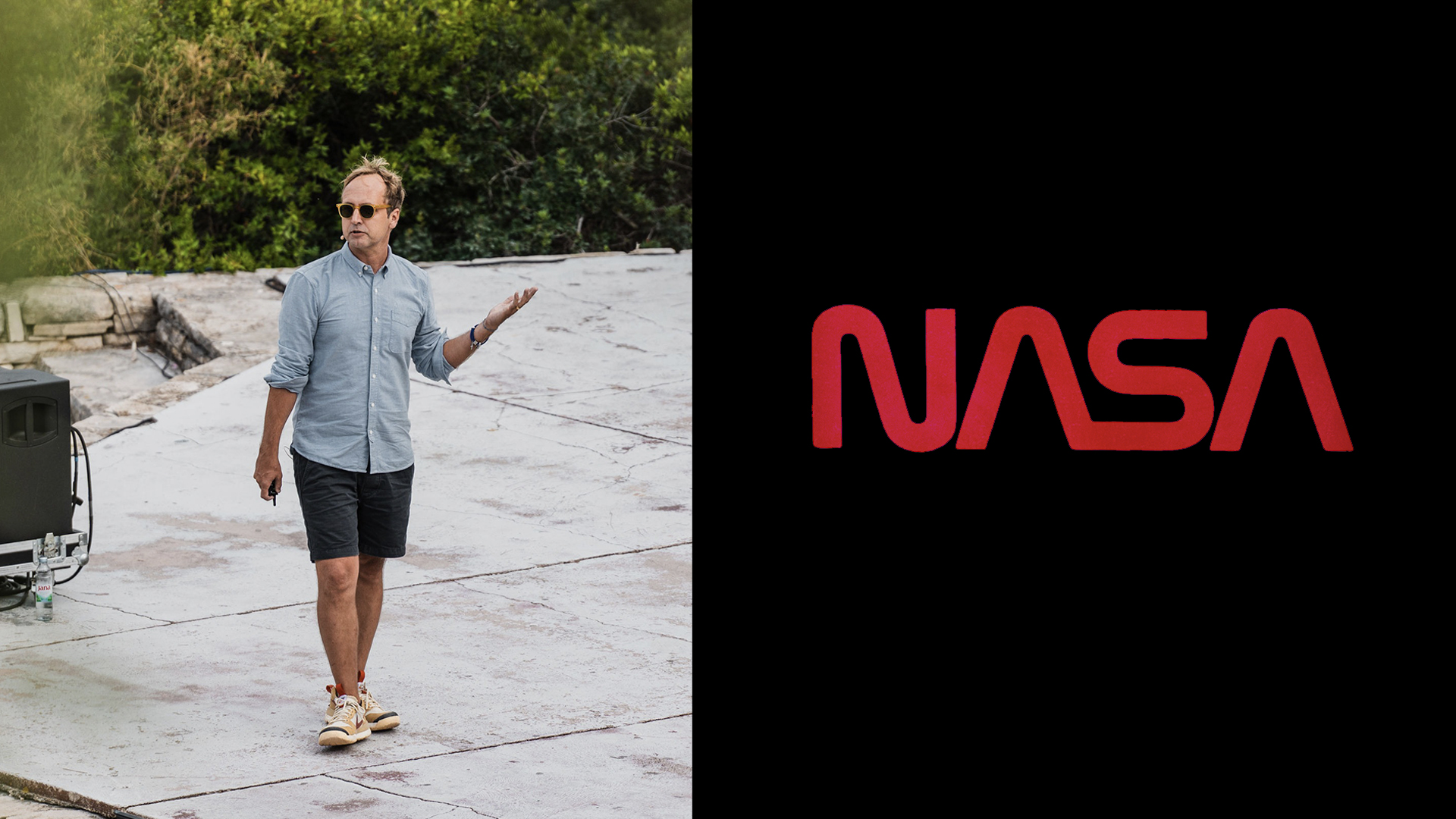
Rager’s strategy involves workshops and presentations that go beyond aesthetics, framing design as a tool for public accountability. "We are funded by the public," he emphasized. "When we communicate, we aren’t just selling a product; we are selling optimism and the idea that our work is a worthy investment for all of humanity."
Safeguarding Truth in the Age of Synthetic Media
Perhaps the most critical aspect of Rager’s current role is his firm stance on the use of Artificial Intelligence (AI) in official NASA communications. In an era where deepfakes and AI-generated imagery have blurred the lines between fact and fiction, Rager has implemented a strict moratorium on AI-generated visuals for official NASA branding.
"I prohibited using AI imagery," Rager stated flatly. "I got pushback from people who were eager to use these new, high-speed tools. But my response was simple: our brand is built on trust."
For an agency that documents the birth of stars, the surface of Mars, and the expansion of the universe, visual evidence is the bedrock of their legitimacy. Rager argues that by introducing synthetic imagery, the agency risks delegitimizing its own scientific findings.
"There are already enough people out there looking for excuses not to believe in science," Rager explained. "We don’t need to fuel that fire. Our manifesto is clear: we must use images that exist first. We have a library of genuine photographs and art that is superior to anything an algorithm can hallucinate. AI wishes it could make the kind of things we capture."
Implications for Future Branding
Rager’s approach offers a masterclass in modern brand management. His tenure proves that a "heritage brand" does not have to be a static entity. By treating the NASA brand as a living, breathing component of the agency’s scientific mission, he is ensuring that the organization remains as relevant to the public in 2026 as it was during the Apollo missions.
The implications for the broader design industry are clear: in a digital landscape saturated with AI-generated content, the ultimate luxury and the most potent asset a brand can possess is provenance. By tying every visual to a real-world reference—a photograph, a mission, a piece of tangible data—Rager is building a protective moat around NASA’s reputation.
Conclusion: A Legacy for the Next Frontier
As NASA prepares for the Artemis missions and the eventual goal of crewed Mars exploration, the visual narrative of the agency will be as vital as the rocket fuel powering the ships. David Rager’s "peace treaty" between the meatball and the worm is not just a branding exercise; it is an act of storytelling that anchors the agency’s future in its rich, storied past.
In a world increasingly skeptical of digital imagery, NASA’s commitment to the "real" serves as a beacon. As Rager aptly put it, the agency is selling something far more valuable than merchandise or corporate identity—it is selling the collective hope of the human race. And for that, the brand must be as ironclad as the heat shields on a space capsule.