
Elevating Your Workspace: Why Sihoo’s Latest Deals Are a Game-Changer for Remote Professionals

The modern workspace has undergone a radical transformation over the past five years. As the boundary between the office and the home continues to blur, the importance of ergonomic furniture has shifted from a "nice-to-have" luxury to an essential component of professional longevity. Among the manufacturers navigating this shift, Sihoo has consistently emerged as a standout, particularly for those seeking high-performance ergonomics without the premium price tag associated with heritage brands like Herman Miller or Steelcase.
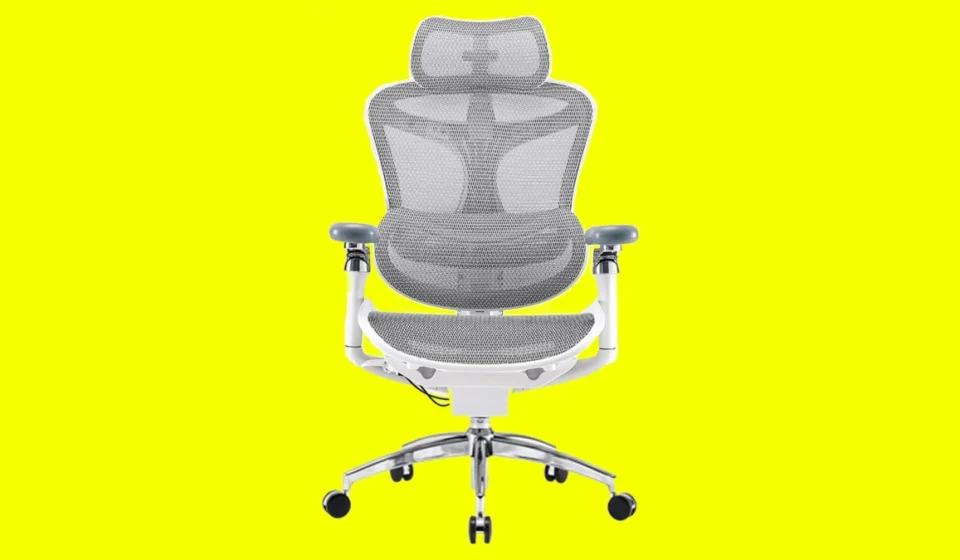
With significant price drops currently hitting Amazon, Sihoo is positioning its two most popular models—the entry-level M18 and the premium-tier Doro C300 Pro—as the definitive choices for professionals looking to upgrade their home setups.
Main Facts: The Current Market Landscape
Ergonomic chairs are an investment in health. Poor posture, often exacerbated by static, long-duration sitting, is a primary driver of chronic back pain and musculoskeletal strain. Sihoo has successfully democratized high-end features such as dynamic lumbar support, breathable mesh architecture, and multi-directional armrests.
Currently, the company is making waves with two strategic promotions:
- The Sihoo M18: Often cited by reviewers as the gold standard for budget-conscious ergonomics, the M18 is now available for $132.53, reflecting a reduction of over $30. This model remains the most accessible entry point for those seeking a professional-grade experience.
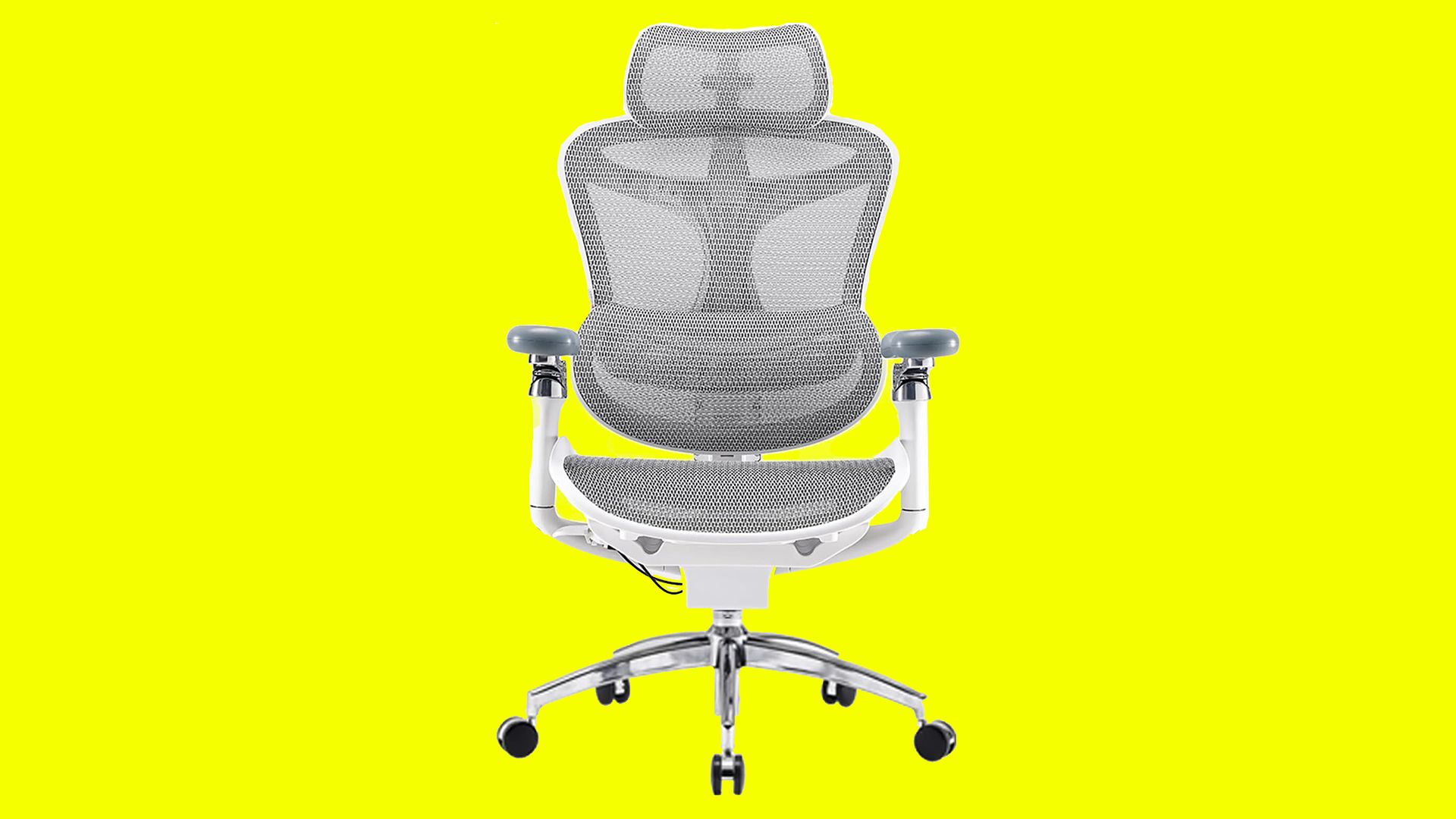
- The Doro C300 Pro: For those seeking a more sophisticated, "luxury-lite" experience, the Doro C300 Pro has seen an $80 price reduction, bringing the cost down to $379 from its original $459. This chair is engineered for those who spend eight or more hours a day at their desks, featuring a wider seat pan and more intuitive adjustment controls.
A Chronology of Ergonomic Evolution
The rise of Sihoo mirrors the broader shift in office culture. Two decades ago, ergonomic chairs were largely restricted to corporate headquarters, with individual home-office workers left to rely on stationary dining chairs or generic, poorly designed "task chairs."
- 2010–2015: The "Big Box" era. Ergonomics were largely ignored in the consumer market, with price-per-unit being the only metric that mattered.
- 2016–2019: The emergence of direct-to-consumer (DTC) furniture brands. Companies like Sihoo began leveraging global manufacturing chains to provide high-end features—such as synchro-tilt mechanisms and adjustable headrests—at a fraction of the cost of legacy brands.
- 2020–2022: The "Pandemic Pivot." As the world moved to remote work, the demand for high-quality office chairs surged. Sihoo became a market leader by focusing on the "middle ground"—chairs that were better than mass-market big-box store models but significantly more affordable than $1,500 designer chairs.
- 2023–Present: The focus on "Pro" models. With the release of the Doro C300 Pro, Sihoo moved beyond simple entry-level chairs, introducing advanced materials, refined aesthetic profiles, and sophisticated tension-control systems, signaling a maturation of their product line.
Supporting Data: Why Adjustability Matters
When choosing between the M18 and the Doro C300 Pro, it is helpful to look at the metrics that define "ergonomic success."
The Case for the M18 (The Budget Benchmark)
The M18 is designed for the high-volume user who needs reliable support. Key metrics include:
- Adjustable Lumbar Support: Crucial for maintaining the natural S-curve of the spine.
- Breathable Mesh: Essential for temperature regulation during long work sessions.
- Value-to-Performance Ratio: At its current price point, it remains one of the few chairs in the sub-$150 range that meets rigorous ergonomic standards.
The Case for the Doro C300 Pro (The Premium Experience)
The Doro C300 Pro represents an evolution in design, offering features that justify its higher price tag:
- Dynamic Lumbar Support: Unlike static supports, the C300 Pro’s system shifts with the user, providing constant contact as the user leans back or shifts weight.
- 4D Armrests: These can be adjusted for height, width, depth, and angle, ensuring that the user’s shoulders and neck remain relaxed regardless of desk height.
- Seat Architecture: The wider, more cushioned seat pan caters to a broader range of body types, preventing the "pinching" sensation common in smaller, more restrictive chairs.
Official Responses and Industry Reception
In the design and ergonomics community, Sihoo has been praised for its transparency in manufacturing and its willingness to integrate feedback from the remote-work community.
Representatives from Sihoo have frequently noted that their goal is to "eliminate the pain point of sedentary work" for everyone, not just those with large corporate budgets. By maintaining a lean operational model and focusing on high-traffic retail platforms like Amazon, they are able to pass significant savings onto the consumer. Professional reviewers have consistently noted that while Sihoo may not offer the proprietary, high-end materials used by $2,000-chair manufacturers, the "functional ergonomics" provided are 90% comparable at 20% of the cost.
Implications: The Long-Term Impact on Productivity
The decision to invest in a quality office chair like the Sihoo Doro C300 Pro or the M18 has profound implications for a worker’s long-term health and daily output.
The Cost of Inaction
Ignoring poor seating posture leads to "cumulative trauma disorders." Over a decade, the cost of treating chronic back pain—through physical therapy, chiropractic sessions, or medication—far outweighs the cost of a premium office chair. By investing $379 today in a chair like the Doro C300 Pro, the user is essentially buying an insurance policy against the long-term degradation of their musculoskeletal system.
Productivity Gains
There is a direct correlation between comfort and focus. A chair that requires constant fidgeting or that causes numbness in the legs due to poor blood flow is a massive "focus tax." A chair that fits the user properly acts as a neutral foundation, allowing the mind to focus entirely on the task at hand—whether that is design, coding, or administrative management.
Expert Advice: How to Sit Properly
A chair, regardless of its quality, is only as effective as the user’s posture. To maximize the value of your new Sihoo chair, follow these industry-standard guidelines:
- The 90-Degree Rule: Your knees should be at a 90-degree angle, with your feet flat on the floor. If your chair is too high, use a footrest.
- Elbow Alignment: Your elbows should be at a 90-to-100-degree angle while typing, with your wrists remaining in a neutral position.
- Lumbar Positioning: Ensure the lumbar support is firmly nestled in the curve of your lower back. It should provide enough resistance to prevent you from slouching, but not so much that it pushes your spine into an unnatural arch.
- Movement is Key: Even the best chair cannot negate the damage of sitting for eight hours straight. Implement the "20-20-20" rule: every 20 minutes, get up and move for 20 seconds.
Final Verdict
The current discounts on the Sihoo M18 and Doro C300 Pro represent an excellent opportunity for remote workers, freelancers, and students to upgrade their infrastructure. While the M18 remains the undisputed champion of the budget category, those who can afford the extra investment in the Doro C300 Pro will find that the additional adjustability and premium features offer a substantial improvement in daily comfort.
As we continue to navigate the demands of a digital-first world, the tools we choose to work with are a reflection of how we value our time and our bodies. Investing in a proper office chair is not just a purchase; it is a commitment to a healthier, more productive professional life.
For more information on selecting the right chair for your specific needs, see our comprehensive guides on the best office chairs for back pain and our expert tips on maintaining optimal ergonomic health.