Evolution and Expansion: Good To Go Charts a Bold Course for Its 85th Year

With eight and a half decades of operational history behind it, the convenience store chain Good To Go is entering a transformative period. Under new leadership and a refreshed strategic vision, the company is moving beyond its roots as a regional player to become a modernized, standardized retail powerhouse. By marrying a legacy of customer trust with a forward-thinking approach to store design, branding, and energy diversification, Good To Go is signaling its readiness to compete in an increasingly sophisticated retail landscape.
The Foundation: A History of Strategic Growth
For 85 years, the Good To Go brand—operating under the parent company Good Oil—has been a staple of its local markets. However, the recent trajectory of the company represents a distinct shift in pace. Historically, the brand expanded through a series of tactical, small-scale acquisitions, a method that allowed it to build a footprint of 19 stores. While this approach provided steady growth, it also resulted in a diverse collection of store layouts and branding identities that reflected the specific origins of each location rather than a unified corporate image.
The turning point occurred in May of last year, when Good Oil acquired five Big Mike’s convenience stores in Ohio. This acquisition was not merely an expansion of geography; it served as a catalyst for a broader rebranding effort. By converting these stores to the Good To Go banner, the company increased its Midwest retail presence by 33%, demonstrating a new appetite for aggressive growth. Now, with five additional ground-up construction projects in the pipeline, the company is poised to expand its retail footprint by another 26% within the next 24 months.
Chronology of Transformation
The transformation of Good To Go is a carefully staged process, balancing the management of legacy assets with the ambitious rollout of new, state-of-the-art facilities.
- The Foundation Years: For decades, Good Oil operated as a reliable, traditional retailer, largely focused on regional stability and organic growth through existing site acquisitions.
- May 2023: The acquisition of five Big Mike’s locations in Ohio marked the beginning of a modern growth strategy. The subsequent rebranding established a new momentum for the Good To Go banner.
- Late 2023 – Early 2024: The leadership team, led by CEO Nikki Earp, began the process of commissioning a comprehensive brand audit. This included the development of a new logo and a standardized, cohesive interior design language.
- The Upcoming 12–24 Months: The company is scheduled to break ground on five new builds. These stores, measuring approximately 4,800 square feet, will serve as the first prototypes for the company’s standardized "cookie-cutter" layout, which will then be retrofitted into legacy stores.
- The Future Horizon: Plans for the integration of EV charging technology at the I-65 location signify the brand’s transition into a multi-modal energy provider, catering to the evolving needs of the modern traveler.
Standardization: The "Cookie-Cutter" Strategy
Perhaps the most significant shift in Good To Go’s operations is the move toward a standardized store prototype. In the convenience retail industry, consistency is a powerful tool for building brand loyalty. Customers who know exactly what to expect from a store—from the flow of the aisles to the placement of the beverage station—are more likely to make that retailer their first choice.
Wyatt Good, VP of Transportation at Good Oil, emphasized the lessons learned from the Big Mike’s acquisition. "We liked what the Big Mike’s stores offered over in Ohio, as far as the footprint and the layout on some of those facilities," Good noted. "We are going to look at incorporating some of that into our store models going forward and, more or less, have a cookie-cutter layout and design based off of the market and what we feel those volumes are or the revenue that store is going to generate."
By adopting a flexible, scalable prototype, Good To Go can optimize its construction costs and operational efficiency. The 4,800-square-foot footprint for new builds provides ample space for a modernized foodservice offering and a comfortable, clean shopping environment, which is increasingly vital as c-stores move away from being simple "gas-and-go" stops toward becoming destination retailers.
A Visual Evolution: Branding and Interior Identity
Branding is the outward expression of a company’s internal health, and Good To Go is currently undergoing a visual overhaul. CEO Nikki Earp, who is spearheading this cultural and aesthetic transition, understands that a logo is more than just a graphic—it is a promise of quality to the consumer.
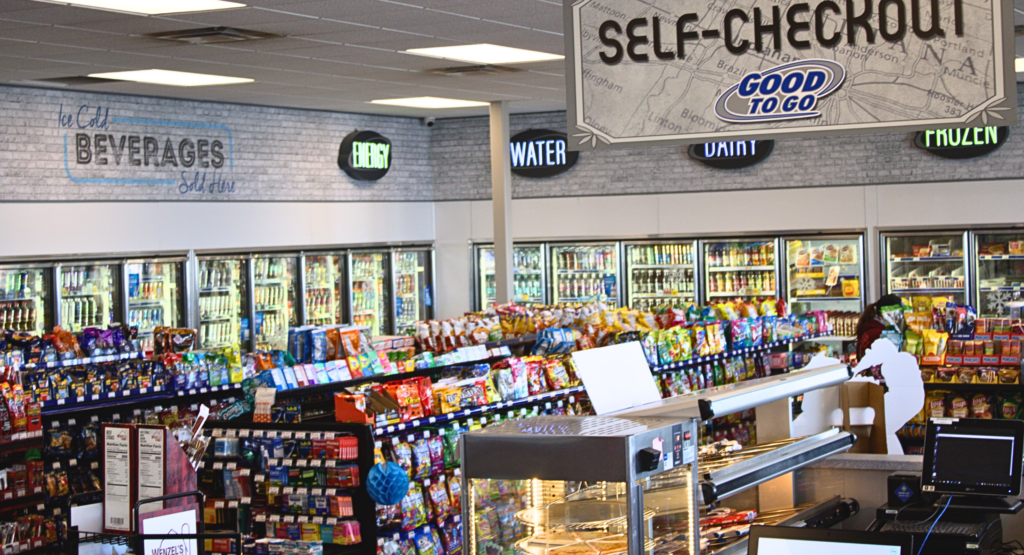
"We worked with an outside marketing company and re-imaged our logo, so that will be coming to the stores soon," Earp stated. Beyond the logo, the company is finalizing a new interior theme. While details remain under wraps until the unveiling at the new builds, Earp describes the design as a differentiator. The goal is to create an interior atmosphere that feels contemporary, clean, and distinct from competitors, ensuring that when the new look is rolled out to legacy stores, the entire chain feels like a cohesive, modern brand.
Supporting Data: Diversification and Infrastructure
Good To Go’s retail strategy is built on a diverse portfolio of services that insulate it from market volatility. The company operates at the intersection of fuel, food, and convenience.
Fuel Partnerships
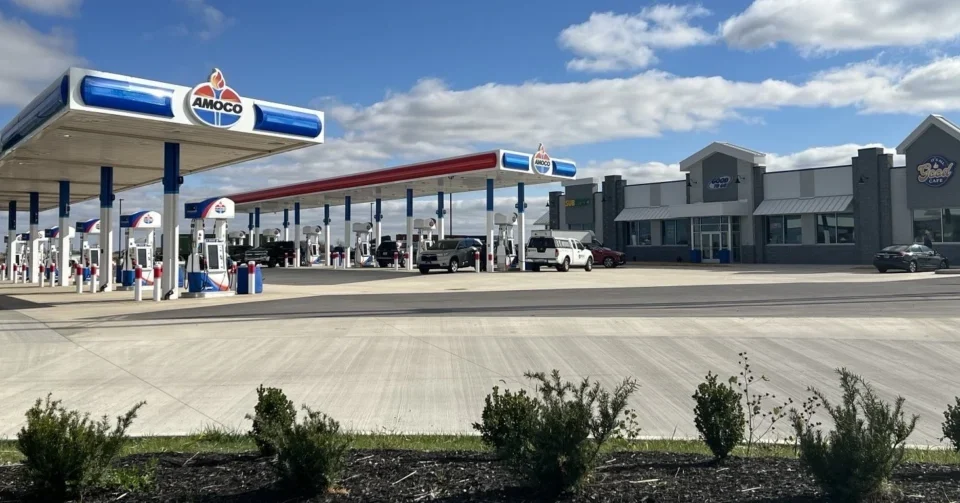
The company maintains a flexible approach to its forecourt, partnering with major industry players such as BP, CITGO, Phillips 66, Marathon, and Shell. This strategy allows Good To Go to leverage the brand recognition and loyalty programs of these major oil companies while maintaining its own unique identity within the store. Furthermore, the company manages its own diesel fuel branding at its four dedicated truck stops, capturing the lucrative professional driver market.
Beyond the Fuel Pump
The company’s commitment to service goes beyond gasoline. It currently operates four car washes, an essential high-margin service for many c-store patrons. Looking ahead, the company is addressing the inevitable shift toward electric vehicles. The planned installation of EV charging stations at its I-65 location is a strategic move, specifically targeting long-distance interstate travelers who require more than just a quick fuel stop.
"With that location, it could be helpful to have EV, being right off the interstate," Earp explained. "We’re trying to provide the customers with the services they need. We have two foodservice offerings at that site, so it would just be a convenient place for them to stop."
Implications for the Convenience Industry
The path Good To Go is taking is emblematic of a broader trend in the convenience industry. As the retail sector faces pressure from both digital-first competition and shifting consumer demographics, retailers that fail to innovate are being left behind. Good To Go’s strategy highlights three critical pillars of success for independent and mid-sized chains:
- Professionalization through Standardization: By moving away from a patchwork of acquisitions and toward a unified prototype, the company is lowering its operational complexity and enhancing its brand equity.
- Investment in Foodservice: By acknowledging that the convenience store of the future is a food destination, the company is securing a higher profit margin and longer dwell times for its customers.
- Future-Proofing Energy Assets: By cautiously but decisively entering the EV charging space, the company is ensuring that it remains a relevant stop for the next generation of vehicles, regardless of how they are powered.
Conclusion: A Legacy Reimagined
As Good To Go enters its 85th year, it is proving that longevity does not have to mean stagnation. By embracing a new generation of leadership and a willingness to overhaul both its visual identity and its operational model, the company is setting the stage for a new era of growth.
The transition from a collection of acquired stores to a unified, modernized chain is never easy, but Good To Go’s clear focus on standardization, customer-centric services like EV charging, and a refreshed brand image suggests that the company is well-prepared for the challenges ahead. As these new stores break ground and the updated interior designs begin to appear in legacy locations, the industry will be watching to see how successfully this regional retailer can scale its vision into a dominant market presence. With a strategy that balances historical stability with modern innovation, Good To Go is living up to its name—positioned, prepared, and ready for what lies down the road.