
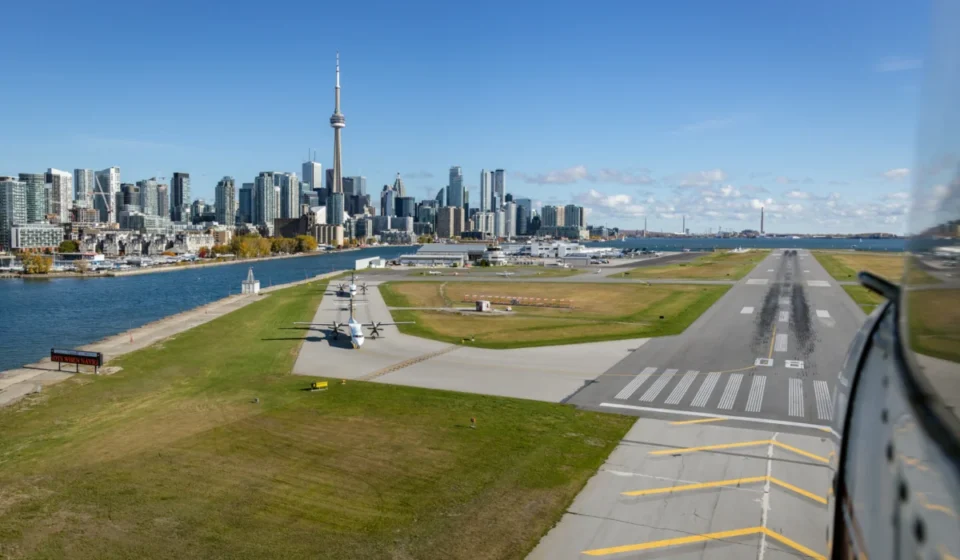
Federal Government Rejects Billy Bishop Expansion: A Victory for Local Residents and Urban Planning

By Travelweek Staff
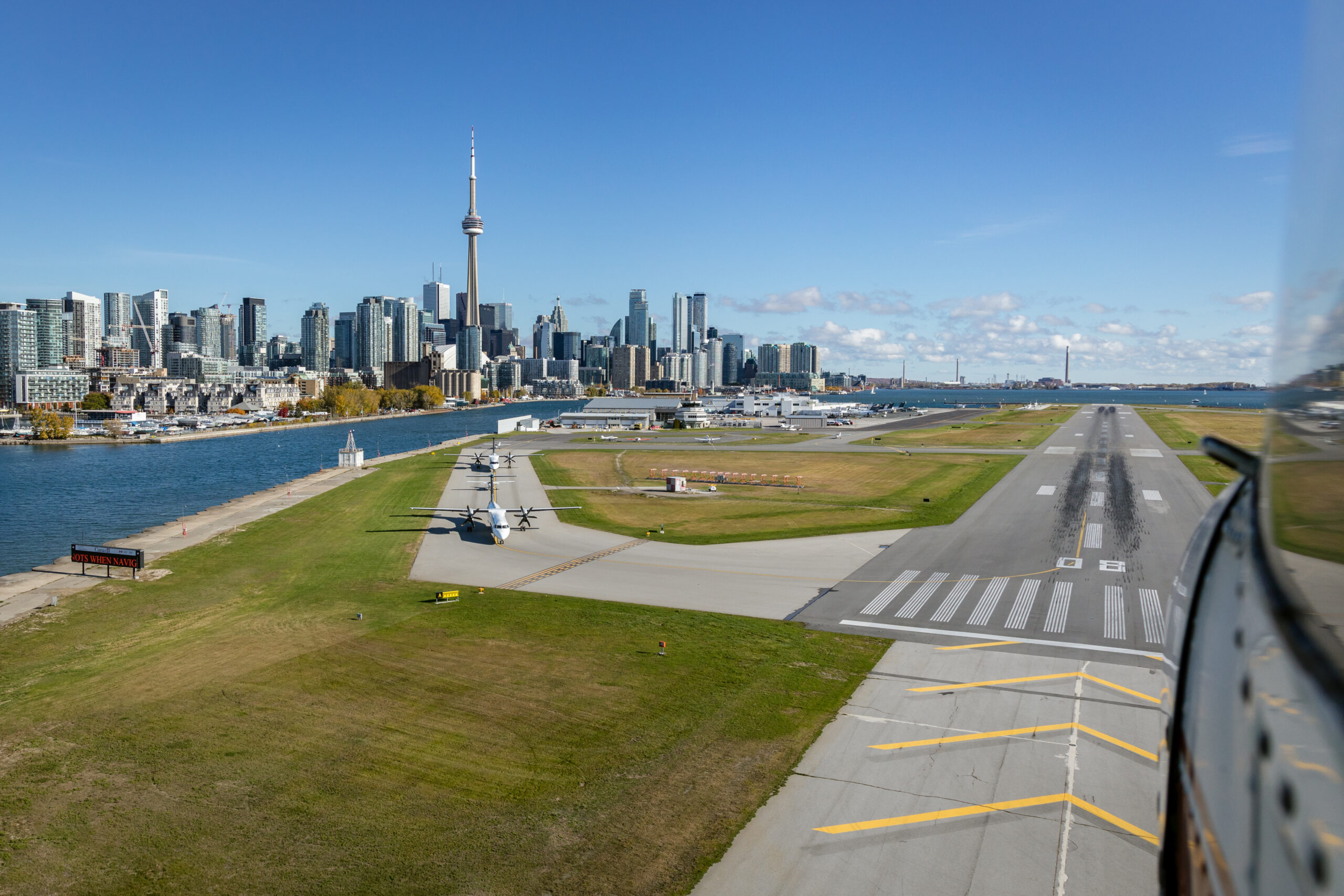
In a decisive move that halts years of speculation and political posturing, the federal government has officially rejected the Ontario government’s aggressive proposal to expand the Billy Bishop Toronto City Airport (YTZ). The decision, delivered via a late-night statement from Transportation Minister Steven MacKinnon, signals a prioritize-the-status-quo approach, emphasizing safety over commercial growth and local quality of life over regional aviation ambitions.
The announcement brings a sudden, if not entirely unexpected, end to a heated debate that has pitted provincial political figures against federal oversight and local community advocates for over a decade. By formally closing the door on expansion, Ottawa has affirmed its commitment to protecting Toronto’s waterfront, preserving public parkland, and addressing the city’s urgent housing crisis.
The Core Conflict: Infrastructure vs. Community
The proposed expansion of Billy Bishop Airport has long been a "hot potato" in Ontario politics. While supporters—most notably Premier Doug Ford—argued that the introduction of jet aircraft and expanded terminal facilities would bolster Toronto’s status as a global business hub, opponents painted a starkly different picture.
Critics of the expansion, including local residents, environmental groups, and urban planners, warned that accommodating jet traffic would necessitate significant changes to the airport’s infrastructure. These changes, they argued, would inevitably lead to increased noise pollution, environmental degradation, and the encroachment upon cherished public assets such as Little Norway Park and the ecologically sensitive areas surrounding Hanlan’s Point Beach.
Minister MacKinnon’s statement was clear: the federal government is not prepared to sacrifice these public amenities. "We will not pursue any plans that infringe on treasured public spaces like Little Norway Park or Hanlan’s Point Beach, result in elevated noise, have significant environmental impacts, or hinder Toronto’s ability to build much-needed housing," the Minister stated.
A Chronology of the Expansion Saga
To understand the significance of this decision, one must look at the timeline of the "Jet Debate," which has spanned several years and multiple political administrations.
- 2013–2015: The Initial Push. The debate first gained national attention when plans were floated to introduce CSeries (now Airbus A220) jets to the island airport. The controversy became a key municipal election issue, eventually leading to a stalemate that persisted for years.
- Spring 2026: The Fever Pitch. As passenger demand returned to pre-pandemic levels, the discussion reignited with newfound intensity. Premier Doug Ford, in a high-profile move, declared that jets were coming to Billy Bishop "one way or another," signaling a provincial determination to bypass local federal hesitation.
- May 2026: Carney Weighs In. As the rhetoric intensified, Prime Minister Mark Carney characterized the Premier’s vision for the airport as "a very interesting vision," a non-committal response that kept all parties guessing until the federal review process could be completed.
- June 2026: The Public Consultation. Recognizing the public interest, the federal government launched a comprehensive public consultation process to gauge the sentiment of Torontonians and Canadians at large regarding the future of the airport.
- July 24, 2026: The Deadline and the Decision. Following the receipt of over 87,000 public submissions, the federal government closed the consultation period and, within hours, issued its formal rejection of the expansion plans.
Public Sentiment and the Data
The consultation process was one of the most extensive of its kind for a domestic transportation project. With over 87,000 responses, the federal government was forced to reckon with a highly polarized yet clearly defined public opinion.
According to preliminary briefings from the Department of Transport, the feedback covered a spectrum of concerns. While a segment of the business community supported the expansion for increased connectivity to major North American hubs, the vast majority of local Toronto voices prioritized the preservation of the waterfront.
"Toronto voices will shape any future plans for Billy Bishop Airport," Minister MacKinnon noted. The data suggests that the "quality of life" argument—the impact of noise and the physical footprint of the airport—weighed more heavily in the public consciousness than the perceived economic benefits of jet-capable runways.
Official Responses and Political Repercussions
The decision has sent shockwaves through Queen’s Park. Premier Ford’s administration, which had staked a significant amount of political capital on the promise of an expanded, modernized island airport, now faces the reality of a stalled project.
The Federal Stance
Minister MacKinnon’s statement, posted to X (formerly Twitter) shortly after 8:00 p.m. on a Friday, was strategically framed. By moving the conversation away from "expansion" and toward "approved safety enhancements," the federal government is attempting to signal that the airport will remain operational, but that its footprint is effectively capped.
"The federal government’s focus for the Toronto airport for now lies exclusively on YTZ’s approved safety enhancements," the Minister stated. This phrasing suggests that while the government acknowledges the airport’s role in the city’s transport ecosystem, it is unwilling to grant the necessary regulatory approvals for commercial growth that would fundamentally alter the island’s character.
The Provincial Reaction
While the Premier’s office has not yet issued a formal rebuttal, the tension between the provincial government’s "get it done" development philosophy and the federal government’s regulatory and environmental oversight is expected to continue. The rejection serves as a stark reminder of the limitations of provincial influence over federal crown lands and aviation infrastructure.
Implications for Toronto’s Future
The rejection of the Billy Bishop expansion has wide-reaching implications for the city of Toronto, particularly regarding urban development and environmental policy.
1. Housing and Urban Density
Perhaps the most critical factor mentioned in the Minister’s rejection was the impact on housing. The Toronto waterfront is currently a hotbed for residential development. Expanding the airport’s flight paths or operational hours would have imposed strict zoning and noise-mitigation requirements on new residential towers, potentially rendering several housing projects unfeasible. By blocking the expansion, the federal government has effectively cleared the path for high-density residential development in the downtown core that might otherwise have been stifled by airport-related zoning restrictions.
2. Environmental and Noise Standards
For the residents of the Waterfront, Queens Quay, and the Island, the decision is a major victory. The prospect of jet aircraft—significantly louder than the current fleet of turboprops—had mobilized community groups for years. The government’s acknowledgment of "environmental impacts" suggests a shift toward a more sustainable approach to urban aviation, one that favors quiet, smaller-scale regional transport over the noise-intensive requirements of jet travel.
3. The Future of YTZ Operations
With the expansion plans officially off the table, the focus now shifts to how the airport will function under its current constraints. The airport remains a vital piece of infrastructure for regional commuters, providing rapid access to the city’s financial district. The "approved safety enhancements" mentioned by the Minister will likely be the extent of the capital investment in the near future. This may mean that while the airport is safe, it will eventually face capacity limitations, leading to a natural cap on passenger growth.
Conclusion: A New Era of Waterfront Governance
The federal government’s decision to reject the expansion of Billy Bishop Airport marks a turning point in the governance of Toronto’s waterfront. It represents a victory for collaborative urban planning over unilateral commercial expansion.
As the city looks to the future, the challenge will be to balance the connectivity needs of a growing metropolis with the preservation of the urban environment. The 87,000 voices that participated in the consultation have sent a clear message: the citizens of Toronto are no longer willing to sacrifice their public spaces, their peace, and their housing potential for the sake of aviation growth.
For now, the jets will not be coming to Billy Bishop. The island airport remains a unique, if constrained, asset—a vestige of a different era that must now find a way to coexist with a modern, dense, and increasingly environmentally conscious city. The debate, which has dominated headlines for more than a decade, may finally be settling into a period of relative quiet, much like the skies over the Toronto Islands are expected to remain under the current flight restrictions.