
Across the United States, a quiet revolution is transforming the scars of the industrial age into the lungs of modern cities. Former landfills, abandoned steel mills, and exhausted mines—once considered environmental liabilities—are being meticulously reclaimed. This movement, often referred to as "brownfield revitalization," is not merely about clearing away trash; it is a sophisticated marriage of environmental engineering, urban planning, and community vision.
Today, these sites are reborn as vibrant public spaces, hosting everything from bird sanctuaries and native prairies to world-class arts venues. As urban density increases, the reclamation of these "forgotten" spaces provides a blueprint for a more sustainable, equitable future.
The Evolution of Land Reclamation: A Chronology
The transition from industrial neglect to public utility has been a decades-long process, evolving alongside our changing understanding of environmental health.
- The 1970s – The Birth of the Landfill Park: The concept took root as environmental awareness peaked. Mount Trashmore in Virginia Beach, established in 1973, served as a pioneering experiment, proving that municipal solid waste could be capped and safely integrated into recreational use.
- The 1990s – The Post-Industrial Pivot: With the collapse of heavy manufacturing, cities like Bethlehem, Pennsylvania, faced the challenge of what to do with massive, decommissioned steel plants. The focus shifted from simple "greening" to "adaptive reuse," preserving historic industrial architecture as cultural assets.
- The 2000s – Ecosystem Restoration: The focus moved beyond aesthetics to ecological restoration. Projects like the Tifft Nature Preserve in Buffalo, New York, shifted the priority toward biodiversity, demonstrating that human-damaged land could once again support native wildlife.
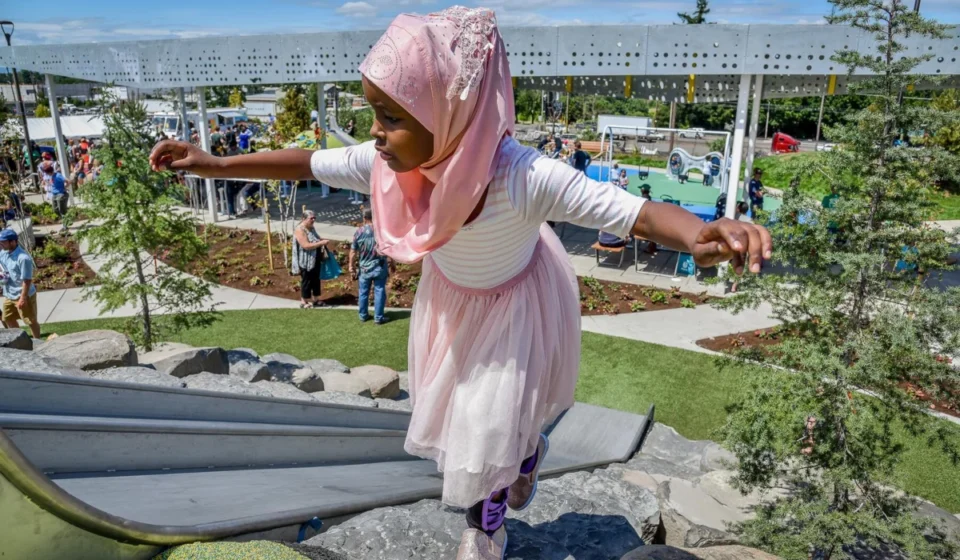
- 2010s to Present – Integrated Urban Planning: Modern projects like Portland’s Cully Park and San Antonio’s San Pedro Creek Culture Park exemplify current best practices. These developments are built with community input, cultural sensitivity, and high-tech environmental monitoring, ensuring that the park serves as both a social hub and a functional piece of municipal infrastructure.
Case Studies in Remarkable Reinvention
1. Albany Bulb (Albany, California)
Rising from the edge of San Francisco Bay, the Albany Bulb is a testament to the power of organic transformation. Originally a construction-debris landfill, the site has evolved into a rugged, artistic sanctuary. It is defined by its "wonderfully weird" driftwood art and graffiti-adorned concrete. With $125 million in state funding currently fueling expansion efforts, the area is poised to become a vital link in a massive continuous shoreline park stretching from Oakland to Richmond.
2. San Pedro Creek Culture Park (San Antonio, Texas)
Few transformations are as drastic as that of the San Pedro Creek. Once a neglected concrete drainage ditch, a $300 million project completed in 2025 has converted it into a 2.2-mile linear park. Beyond the murals and waterfalls, the project serves as an archaeological treasure trove; it unearthed the foundation of the historic St. James AME Church, now protected within an open-air memorial pavilion.
3. Freshkills Park (Staten Island, New York)
Perhaps the most ambitious project in the nation, Freshkills is a masterclass in scale. Once the world’s largest landfill, the 2,200-acre site is being converted into a park three times the size of Central Park. By 2036, it will offer extensive bike trails and wetlands, successfully replacing armies of seagulls with ospreys and eagles.
4. SteelStacks (Bethlehem, Pennsylvania)
SteelStacks proves that industry and art are not mutually exclusive. By preserving the massive, rust-colored blast furnaces of the former Bethlehem Steel plant, the city created an industrial cathedral for concerts and film festivals. The elevated Hoover-Mason Trestle allows visitors to walk through the heart of the former factory, offering a unique perspective on the grit that built 20th-century America.
Supporting Data and Environmental Implications
The transformation of these sites is supported by sophisticated engineering. Modern landfill parks utilize advanced methane management systems, often camouflaging vents as flagpoles or sculptures. At Mount Trashmore, the 640,000 tons of waste remain beneath a thick cap of clean soil, with gas-monitoring technology ensuring air quality for visitors.
Ecological data confirms the success of these efforts. Tifft Nature Preserve in Buffalo, for instance, has been designated an "Important Bird Area." The presence of great egrets and peregrine falcons signals that the soil remediation and water purification efforts have successfully restored the food chain, allowing a complex ecosystem to flourish where coal and iron ore once dominated.

Official Responses and Strategic Planning
Government agencies and non-profits, such as The Trust for Public Land, have identified brownfield reclamation as a cornerstone of "Green Infrastructure." The rationale is twofold:
- Equity: Many of these industrial sites are located in underserved neighborhoods. Reclaiming them provides essential green space to communities that historically lacked access to parks.
- Climate Resilience: Restored wetlands—such as those at Freshkills—act as sponges for flood mitigation and carbon sinks, providing a critical buffer against the impacts of climate change.
Public officials emphasize that these projects are not one-off investments but long-term commitments. "We aren’t just cleaning up the past," says one urban planner involved in the Albany Bulb project. "We are engineering the future resilience of our cities."
The Human Element: Community Stewardship
The most successful projects share a common trait: they were driven by local advocacy. Whether it was the residents of Buffalo who fought to protect Tifft in the 1970s, or the Portland neighbors who helped conduct soil testing for Cully Park, public engagement is the catalyst for success.
These parks are not "sanitized" versions of history; they are transparent about their origins. At Cully Park, the Indigenous gathering space serves as a reminder of the land’s deeper, pre-industrial history, while the "mountain" at Mount Trashmore remains a cheeky, permanent reminder of the city’s growth.
Implications for the Future of Urbanism
The trend of reclaiming brownfields suggests a shift in how we value land. As the availability of "pristine" land decreases, the ability to heal damaged landscapes becomes a premium skill set for architects, environmental scientists, and urban planners.
The economic implications are equally significant. Areas surrounding these new parks often see an uptick in property values, local business development, and increased social cohesion. However, planners warn that this must be balanced with anti-displacement policies to ensure that the communities who advocated for these parks are not priced out of their own neighborhoods.
A Call to Explore
For the modern traveler, these sites offer a unique form of tourism—one that rewards curiosity and appreciation for the resilience of nature. Whether you are walking the elevated promenades of Bethlehem, searching for sea glass at the remnants of Fort Bragg’s former dump, or watching the sunset over the San Francisco skyline from the Albany Bulb, you are witnessing a profound dialogue between human progress and natural reclamation.
As we look toward 2036 and beyond, the list of reclaimed lands will only grow. These parks serve as a powerful reminder that while human industry may leave deep scars, nature—aided by human ingenuity—has an unparalleled capacity to heal. So, the next time you find yourself near an industrial zone, look closer. You might just find that the most beautiful park in the city is hidden right beneath your feet.
Quick Reference: Site Quick-Facts
| Park | Original Use | Current Feature |
|---|---|---|
| Albany Bulb | Construction debris | Coastal trails & Art |
| San Pedro Creek | Concrete drainage | Cultural plazas & Murals |
| Tifft Nature Preserve | Coal/Iron waste | Urban wildlife habitat |
| Mount Trashmore | Municipal landfill | Sports & Skate park |
| SteelStacks | Steel plant | Arts & Concert venue |
| Glass Beach | Dumping grounds | Sea glass shoreline |
| Erlanger Park | Foundry/Foundry | Baseball stadium |
| Freshkills Park | Landfill | Grasslands & Wetlands |
| Red Rock Canyon | Quarry/Landfill | Rock climbing & Hiking |
| Cully Park | Gravel mine/Landfill | Native gathering garden |