
The landscape of global travel is shifting rapidly, marked by a convergence of environmental volatility, administrative policy changes, and archaeological revelations. From the central plains of the United States to the historic gymnasiums of Northern Greece, travelers and officials alike are navigating a complex week of news. This briefing synthesizes the most significant developments impacting the current travel climate.
I. Meteorological Disruptions: A Pacific-Driven Crisis
A series of volatile Pacific tropical systems has created a cascade of travel hazards across multiple continents. The resulting flooding and dangerous surf conditions are currently complicating transit, damaging infrastructure, and forcing emergency declarations.
The Impact on the Americas and Hawaii
Hurricane Rachel, currently situated approximately 200 miles west-southwest of Cabo Corrientes, Mexico, has become a focal point for disaster management teams. With sustained winds hovering near 90 mph, the storm’s trajectory poses a significant threat to the Mexican coastline. While the eye of the storm is projected to remain offshore, the outer bands are expected to deliver up to 12 inches of rain to the states of Guerrero, Michoacán, Colima, and Jalisco. In a proactive measure to safeguard the population, authorities in Jalisco have shuttered schools across 30 municipalities.
Further inland, the remnants of Hurricane Polo have wreaked havoc on the central United States. Amarillo, Texas, recently experienced over 3.5 inches of rainfall in a single deluge, leading to localized street flooding and confirmed tornado sightings. In New Mexico, the situation has reached a critical threshold as the Rio Grande continues to overflow its banks. Acting Governor Howie Morales has formalized an emergency response, unlocking $3.75 million in state funds to facilitate recovery and infrastructure repair.
In the central Pacific, the focus has shifted to Tropical Storm Nolo. Following a weekend of intense saturation across Hawaii’s Big Island, the storm is now tracking toward the Papahānaumokuākea Marine National Monument with sustained winds of 50 mph, posing a significant risk to maritime travel and ecological preservation efforts in the region.
II. The TSA Mandate: A Shift in Checkpoint Culture
In a move that has sparked significant internal debate, the Transportation Security Administration (TSA) has officially prohibited officers from sitting while manning airport identification and boarding pass checkpoints.
Administrative Rationale and Union Opposition
The directive, which is currently being implemented at commercial airports nationwide, represents a pivot toward what the agency describes as a "more professional and welcoming" checkpoint environment. The agency asserts that requiring officers to stand increases alertness and maintains the high level of vigilance necessary for national security.
However, the policy has met with fierce resistance from the American Federation of Government Employees (AFGE) TSA Council 100. Union representatives argue that the decision was finalized without meaningful consultation with those on the front lines. The primary grievance concerns ergonomics; TSA officers typically spend long, grueling shifts on their feet, and the union contends that chairs provided essential support to mitigate the physical strain of standing on concrete floors for hours at a time. The union has advised its members to escalate their concerns to congressional representatives, signaling that this policy change may face continued legislative scrutiny.
This transition occurs during the early months of TSA Administrator David Cummins’ tenure. Following his confirmation in August, Cummins introduced the "Horizon 25 Strategy," an ambitious roadmap aimed at modernizing the agency’s infrastructure and improving the passenger experience. Whether this "standing-only" mandate will be viewed as a success in modernization or a failure in labor management remains to be seen.
III. Infrastructure Maintenance: The Alcatraz Closure
Travelers planning a visit to the historic Alcatraz Island in late 2026 will need to adjust their itineraries. The National Park Service (NPS) has announced a significant, multi-week closure of the site to facilitate critical infrastructure repairs.
A History of Dock Instability
Beginning October 26, 2026, Alcatraz will cease operations to allow crews to replace two primary pilings securing the island’s ferry dock. The project is tentatively scheduled to conclude on November 18, 2026, though the NPS warns that potential weather delays could extend this timeline.

This work is part of a broader effort to secure the island’s access points, which have suffered from aging infrastructure. Alcatraz experienced a nine-day closure in January due to a structural failure in a piling, followed by a six-day closure in April for preventative reinforcements. The upcoming autumn project is designed to provide a permanent solution, with officials estimating that the new system will remain functional for the next 20 to 30 years.
The timing of the project is constrained by a strict regulatory window. The San Francisco Bay Conservation and Development Commission prohibits in-water pile-driving after November 30 to protect marine life. Alcatraz City Cruises, the official concessioner, is funding the repairs. Travelers impacted by the closure are entitled to full refunds or the opportunity to rebook for later dates.
IV. Animal Welfare: Japan’s New Regulatory Frontier
Japan has initiated its first comprehensive nationwide survey of "animal cafes," a burgeoning industry that has long faced criticism regarding animal welfare and public health risks.
The Scope of the Investigation
Launched in September, this government-led survey aims to quantify the number of operating facilities and evaluate the conditions of the species kept within them. The scope is broad, encompassing traditional cat and dog cafes as well as those featuring exotic species such as owls and otters.
Current data remains sparse, as the Environment Ministry notes that there are currently no specific national standards governing exotic animal cafes. Research conducted by the World Wildlife Fund and Hokkaido University has already highlighted alarming trends:
- Species Endangerment: 27% of animals surveyed in a sample of Tokyo and Osaka cafes belonged to threatened species.
- Public Safety: Over 90% of the cafes studied housed animals that pose a high risk of injury to human customers.
- Biological Risks: Environmental sampling at four facilities revealed the presence of enterohemorrhagic E. coli (EHEC), underscoring the potential for zoonotic disease transmission.
The government intends to leverage this survey to build a public awareness campaign regarding the dangers of interacting with exotic animals. While some business owners fear excessive red tape, others, such as Syaina Nozaki of the Owl Otter Cafe, view the move as a positive step toward professionalizing the industry and weeding out profit-driven operators who disregard animal well-being.
V. Archaeology: The School of Greatness
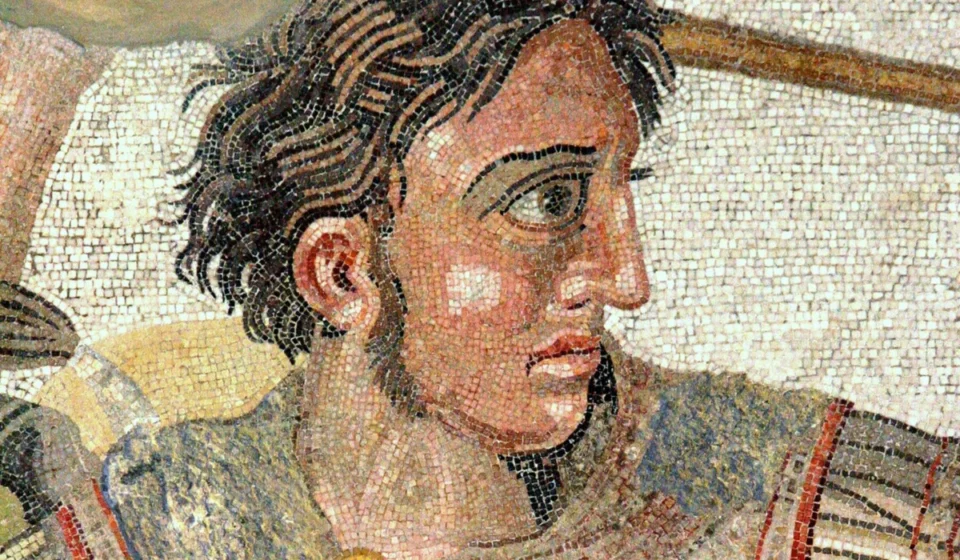
In Northern Greece, a discovery at the royal gymnasium of ancient Mieza is providing scholars with a deeper understanding of where history’s most famous pupil, Alexander the Great, was educated by the philosopher Aristotle.
Unearthing the Didaskaleion
Excavations led by archaeologist Angeliki Kottaridi have revealed the "Didaskaleion," a large teaching complex that served as the centerpiece for the education of young Macedonian nobles. The discovery of stone desks and writing styluses offers a tangible link to the daily academic life of the era.
The significance of the site is further bolstered by the discovery of two elaborate banquet halls adjacent to the teaching area. The architectural finishes and mosaic floors bear a striking resemblance to those found at the palace of Philip II in Aigai. These findings support the long-standing theory that King Philip commissioned the Mieza complex specifically to provide a world-class education for his son.
While the 30-acre complex—which includes a stadium, wrestling area, and running track—is definitively linked to the period of Aristotle’s tenure, researchers remain appropriately cautious. While the site is almost certainly where the education took place, confirming the specific rooms where the philosopher and the young Alexander spent their time remains a challenge for the archaeological team. Nevertheless, the site stands as a monumental landmark in the history of Western education.
Summary of Implications
The diversity of these stories reflects the multifaceted challenges of modern travel. Environmental shifts remind us of the fragility of infrastructure, the Alcatraz repairs highlight the ongoing need for heritage conservation, and the regulatory efforts in Japan demonstrate an evolving global commitment to ethical tourism. As travelers move across these changing landscapes, they are encouraged to remain informed of local conditions, respect regulatory shifts, and appreciate the historical contexts that define their destinations.