Global Travel Briefing: Fuel Surcharges, Climate Policy, and Emerging Health Crises

The landscape of international travel is currently defined by a confluence of economic, environmental, and social challenges. From the boardrooms of major U.S. carriers to the health ministries of the Pacific, the industry is grappling with a series of stressors that are beginning to fundamentally alter the passenger experience. Whether through the rising cost of a holiday ticket or increased vigilance required in tourist hotspots, the modern traveler is navigating an increasingly complex global environment.
I. Economic Headwinds: U.S. Airlines Navigate Skyrocketing Fuel Costs
The aviation industry, sensitive to the volatility of global energy markets, is currently facing a significant operational hurdle. Major U.S. airlines—including American Airlines, United Airlines, and Southwest—have begun recalibrating their capacity plans in response to the sharp increase in jet fuel prices, a trend accelerated by geopolitical instability in Iran.
The Impact on Capacity
The fiscal burden is substantial. American Airlines has publicly warned that the current fuel price surge could add an estimated $1 billion to its fourth-quarter operating costs. As a result, the carrier is actively trimming its flight schedules to ensure that only the most viable, high-demand routes remain in operation.
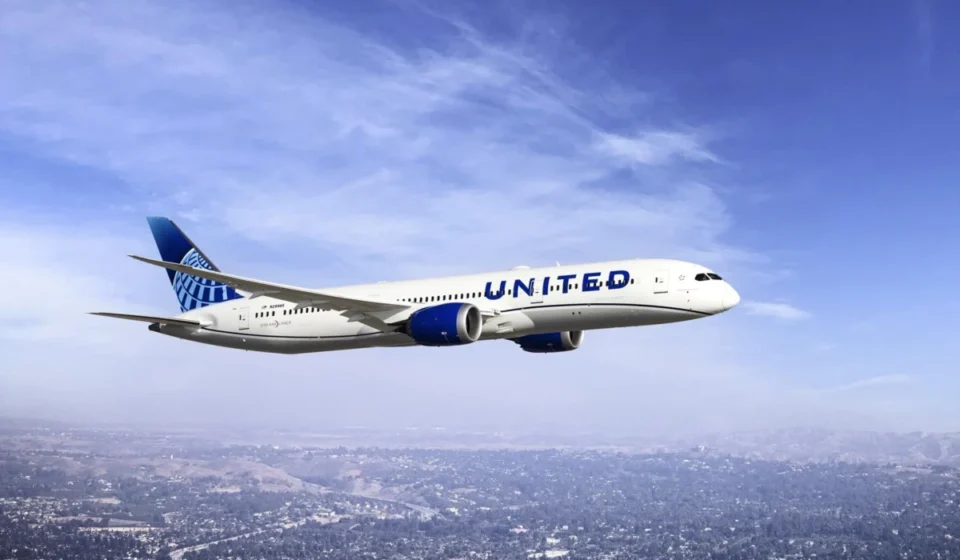
United Airlines has adopted a similar stance, preemptively removing select December flights from its schedule. The carrier has signaled that if these energy prices remain elevated through early 2027, more drastic reductions will be unavoidable. Southwest Airlines, focusing on long-term sustainability, has taken a more aggressive approach by slashing its planned 2026 capacity growth by nearly 50%.
The Passenger Perspective
While airlines are bracing for lower margins, the immediate impact on travelers is largely manifesting as a reduction in choice rather than a collapse in service. Despite the rising cost of operations, consumer demand remains resilient. Both American and United have reported robust booking volumes across domestic and international sectors, spanning both economy and premium cabins. For the average traveler, this means that while flights may remain expensive, the primary inconvenience will be a decrease in the frequency of service on "marginal" or secondary routes.
II. The Future of Aviation: Heathrow’s Climate Dilemma
As the aviation industry faces pressure to lower its carbon footprint, the debate surrounding the expansion of London’s Heathrow Airport has reached a critical juncture. The U.K.’s Climate Change Committee (CCC) has issued a stern warning: the proposed third runway cannot be reconciled with Britain’s current net-zero climate commitments unless radical systemic changes are implemented.
The Cost of Carbon
The CCC is advocating for a framework that forces the aviation industry to internalize the costs of its environmental impact. This would include mandates for the use of Sustainable Aviation Fuel (SAF) and, more controversially, a requirement for airlines to pay for the permanent removal of carbon dioxide from the atmosphere to offset the emissions generated by new flights.
The financial implications for passengers are stark. The committee estimates that these environmental levies could, by 2050, add approximately £150 to a round-trip ticket to Alicante, and a staggering £400 to a long-haul flight to New York. While these costs would be phased in gradually over two decades, they represent a fundamental shift in the economics of air travel.
Industry Pushback
Airlines UK has vehemently opposed the proposal, arguing that such surcharges would render air travel a luxury reserved for the elite, effectively pricing out the average consumer. While the British government is not legally bound to follow the CCC’s recommendations, the Department for Transport has noted that any future expansion at Heathrow must align with the nation’s legally binding net-zero targets, suggesting that "green" surcharges may eventually become a standard component of international airfare.
III. Public Safety: Scams and Health Emergencies
The "Miracle Herb" Scam in Pattaya
Thailand, a premier destination for global tourism, is currently contending with a surge in deceptive sales practices in Pattaya. Local police are investigating a series of complaints regarding "miracle herb" scams, where unsuspecting tourists are lured into small, unmarked shops by street touts.
In a recent incident, a Sri Lankan visitor was coerced into paying 3,300 baht (approximately $100 USD) for a bottle of basic coconut oil, marketed falsely as a potent treatment for hair loss. This incident follows a similar complaint from an Indian tourist who was pressured into paying 11,000 baht for the same product. Authorities have identified a pattern: tourists are often approached near Pattaya Beach or Second Road, promised a "discount," and then subjected to aggressive sales tactics inside private premises. The Thai Tourist Police have issued a warning to visitors: avoid unmarked herbal shops and report any instances of intimidation immediately.
Fiji’s National HIV Crisis
In a more somber development, the nation of Fiji has officially declared a national crisis regarding the spread of HIV. The statistics are alarming: 2,016 new cases were diagnosed in 2025 alone—a sixteenfold increase from 2019 figures. UNAIDS reports that Fiji is currently experiencing one of the fastest growth rates of new HIV infections globally.
The drivers of this crisis are multi-faceted. Health officials point to a combination of high-risk sexual behavior and a rising trend in injecting drug use, particularly crystal methamphetamine. With roughly one in every 60 adults in Fiji now living with HIV, the government is scrambling to overhaul its public health response. The newly established Cabinet subcommittee is tasked with scaling up access to PrEP (Pre-exposure prophylaxis) and implementing needle-and-syringe exchange programs. The crisis has triggered a regional call for cooperation, as Fiji’s deep-rooted travel and family ties with neighboring Pacific island nations create a high risk of cross-border transmission.
IV. Incident Report: In-Flight Disturbance and Legal Consequences
The volatility of the air travel experience was underscored on September 3, when an American Airlines flight from Dallas to Newark was forced to divert to Baltimore/Washington International (BWI) due to a violent passenger disturbance.
Layne Lundeen, 67, of Tucson, Arizona, reportedly began shouting racial slurs and profanities before physically assaulting his seatmate, the author and rabbi Jonathan Cahn. The situation escalated to the point where fellow passengers were forced to restrain Lundeen using duct tape and zip ties.
Legal and Professional Fallout
In a subsequent court hearing, Lundeen claimed to have no memory of the event, citing the consumption of two "screwdriver" cocktails prior to the incident. He expressed profound surprise when the details of his alleged behavior were read into the record. Following the incident, his employer, Long Realty, moved swiftly to terminate his affiliation, citing the gravity of the allegations. Lundeen now faces formal charges of second-degree assault and disorderly conduct. This incident serves as a stark reminder of the "zero tolerance" policy currently enforced by major airlines regarding passenger conduct.
V. Implications: The Path Forward
The common thread linking these disparate stories is the increasing pressure on the "infrastructure" of travel—whether it be the physical infrastructure of an airport, the economic infrastructure of fuel markets, or the social and health infrastructure of a nation.
- For the Traveler: The era of "cheap, easy, and invisible" travel is facing headwinds. Expect higher prices due to climate levies and fuel surcharges, as well as an increased need for personal vigilance in popular tourist hubs.
- For the Industry: Airlines are being forced into a leaner, more conservative operational model. The focus is shifting from volume to value, as the costs of maintaining global connectivity rise.
- For Governments: The intersection of public health, environmental policy, and tourism management requires a more proactive, coordinated response. As evidenced by Fiji’s health crisis and Heathrow’s climate mandate, the externalities of global connectivity are no longer something that can be deferred to the future; they are impacting the present.
As we move toward the end of 2026 and into 2027, the travel sector remains a resilient, yet deeply transformed industry. The lessons of the current year—ranging from the necessity of rigorous public health surveillance to the economic reality of fuel costs—will dictate the trajectory of international mobility for years to come. Travelers are advised to remain informed, check flight status updates regularly, and exercise caution in high-traffic tourist zones.