IMEX 2026: A Visionary Opening at Mandalay Bay Sets the Tone for the Future of Events

The global meetings and events industry descended upon Las Vegas this week for IMEX 2026, with the Mandalay Bay Convention Center serving as the vibrant epicenter of innovation, education, and networking. "Smart Monday" set a high bar, blending high-level strategic discourse with immersive experiences that challenged the status quo. From the integration of artificial intelligence to a newfound emphasis on attendee wellness and sustainable, intentional design, this year’s opening day underscored a pivot toward more human-centric event planning.
The Evolution of the Event Experience
The opening of IMEX 2026 was defined by a shift away from traditional logistics toward "experience architecture." Whether through the unveiling of massive, multi-functional stadium venues or the intimate, meditative silence of a rooftop sound bath, the theme was clear: the modern event professional is no longer just a coordinator—they are an experience designer.

As the industry grapples with the "digitally layered landscape," keynote speakers and panelists alike urged planners to stop viewing technology and wellness as "add-ons." Instead, the call to action was for deep integration—building wellness into the agenda and using technology to amplify, rather than replace, human connection.
Chronology of Smart Monday: A Day in Motion
The day began well before the doors of the main exhibition hall opened, with a focus on future-ready infrastructure and collaborative problem-solving.
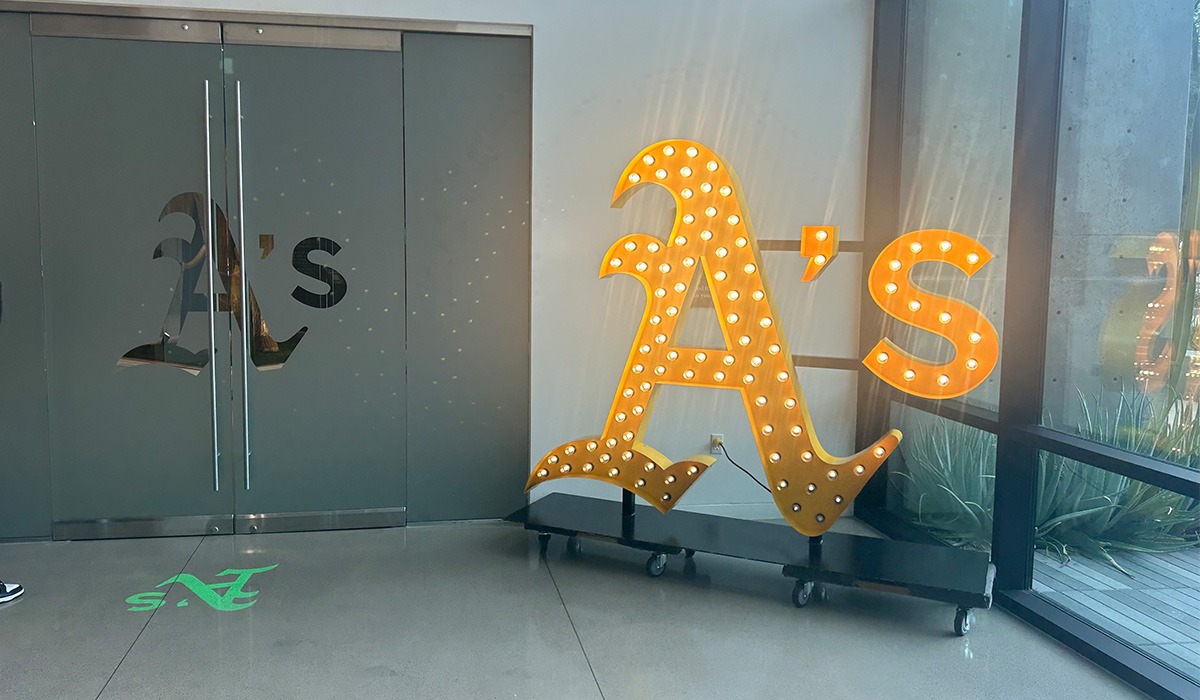
- Early Morning: The A’s Ballpark Experience. Before the bustling trade show floor saw its first attendee, a select group explored the A’s Ballpark Experience Center at UnCommons. This served as a masterclass in venue design, showcasing how a 33,000-capacity stadium is being built specifically for the MICE (Meetings, Incentives, Conferences, and Exhibitions) sector.
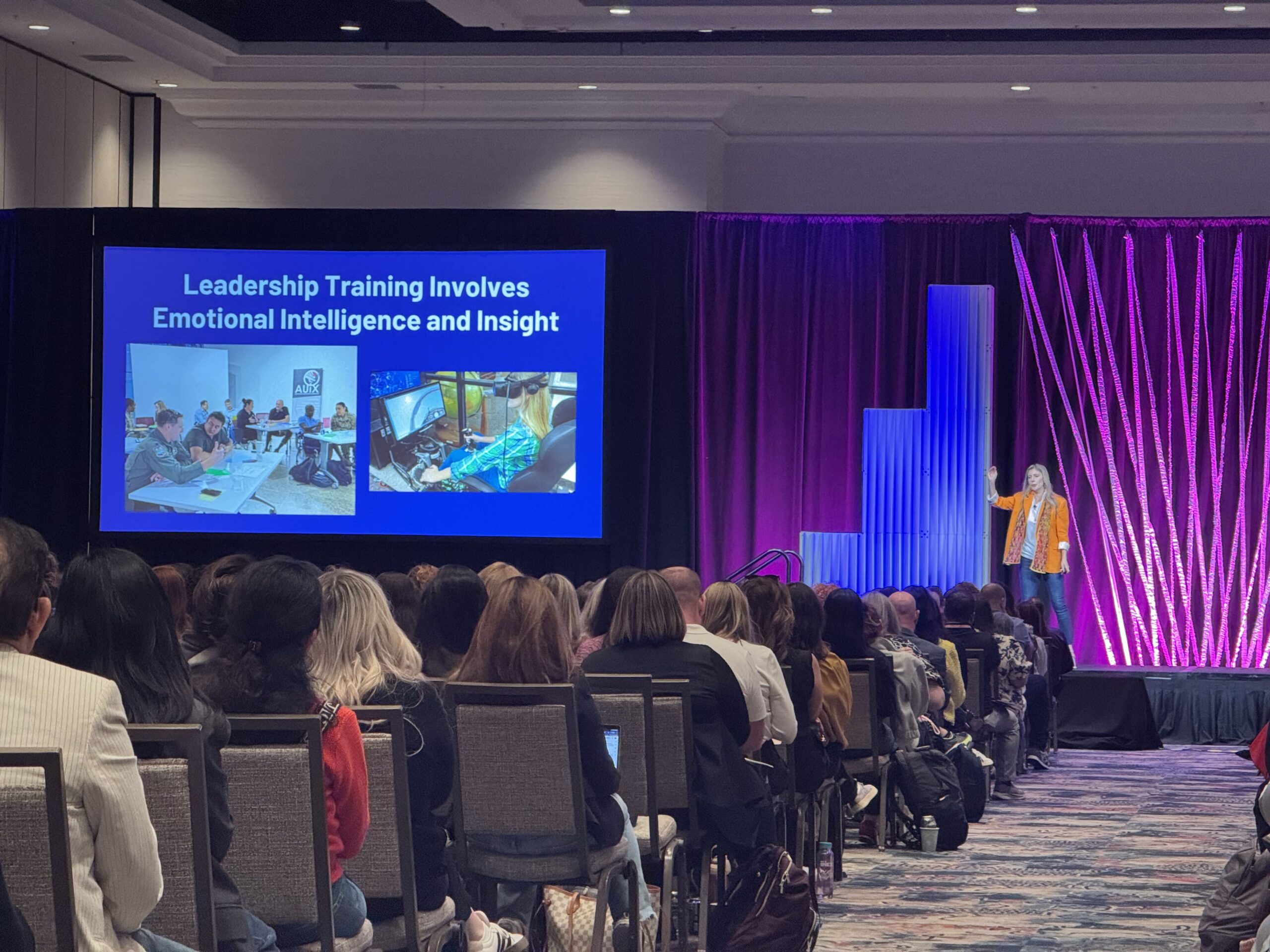
- Mid-Morning: Keynote and Certification Launch. Caitlin Krause opened the day’s formal proceedings with a meditation on "Empowered Connection." This was followed by a major industry announcement from Olympian Meeting and MPI: the debut of the Certified Event Wellness Professional (CEWP) designation.
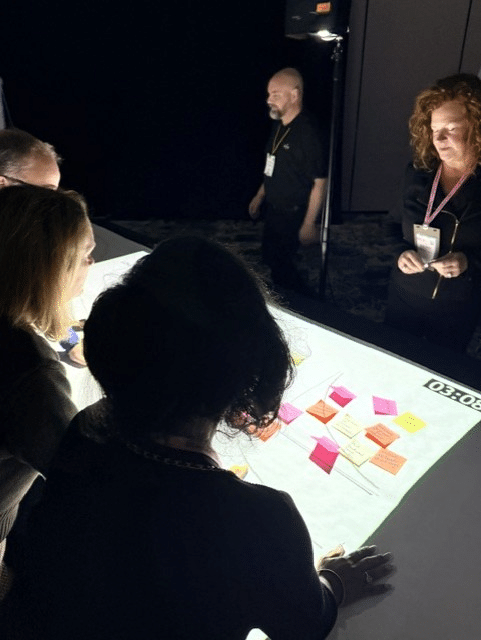
- Afternoon: Strategic Deep Dives. The Catalyst Lab challenged participants to move beyond surface-level brainstorming, using sensory deprivation and collaborative pathways to solve foundational industry challenges. Concurrently, panels on AI and F&B trends broke down the "business of the meeting," focusing on data-driven results and the art of hospitality.
- Evening: Recognition and Reflection. The day concluded with the EIC 2026 Global Awards at the MGM Grand, followed by a grounding sound bath experience at the Soleia Rooftop, bringing the frantic pace of the trade show to a tranquil close.
Venue Innovation: The A’s Ballpark Experience
The A’s Ballpark Experience Center in southwest Las Vegas offered a glimpse into the future of sports-meets-events infrastructure. The center, which features interactive exhibits and historical memorabilia, highlighted the stadium’s "built-for-events" DNA.
The facility’s Immersive Cube—a 270-degree projection space—demonstrated the venue’s extreme versatility. With dedicated spaces like the Barrel Room, the speakeasy-style Athletic Club, and various dugout suites, the stadium is designed to scale. For smaller groups, the southside parking garage entry offers a seamless, private arrival experience for groups under 500, while the integration of skybridges connecting to the Luxor and MGM Grand signals a new era of connectivity on the Las Vegas Strip.
Official Responses and Industry Shifts
The Rise of the Certified Event Wellness Professional (CEWP)
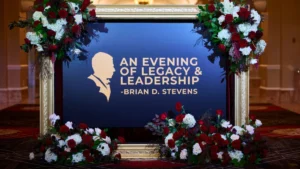
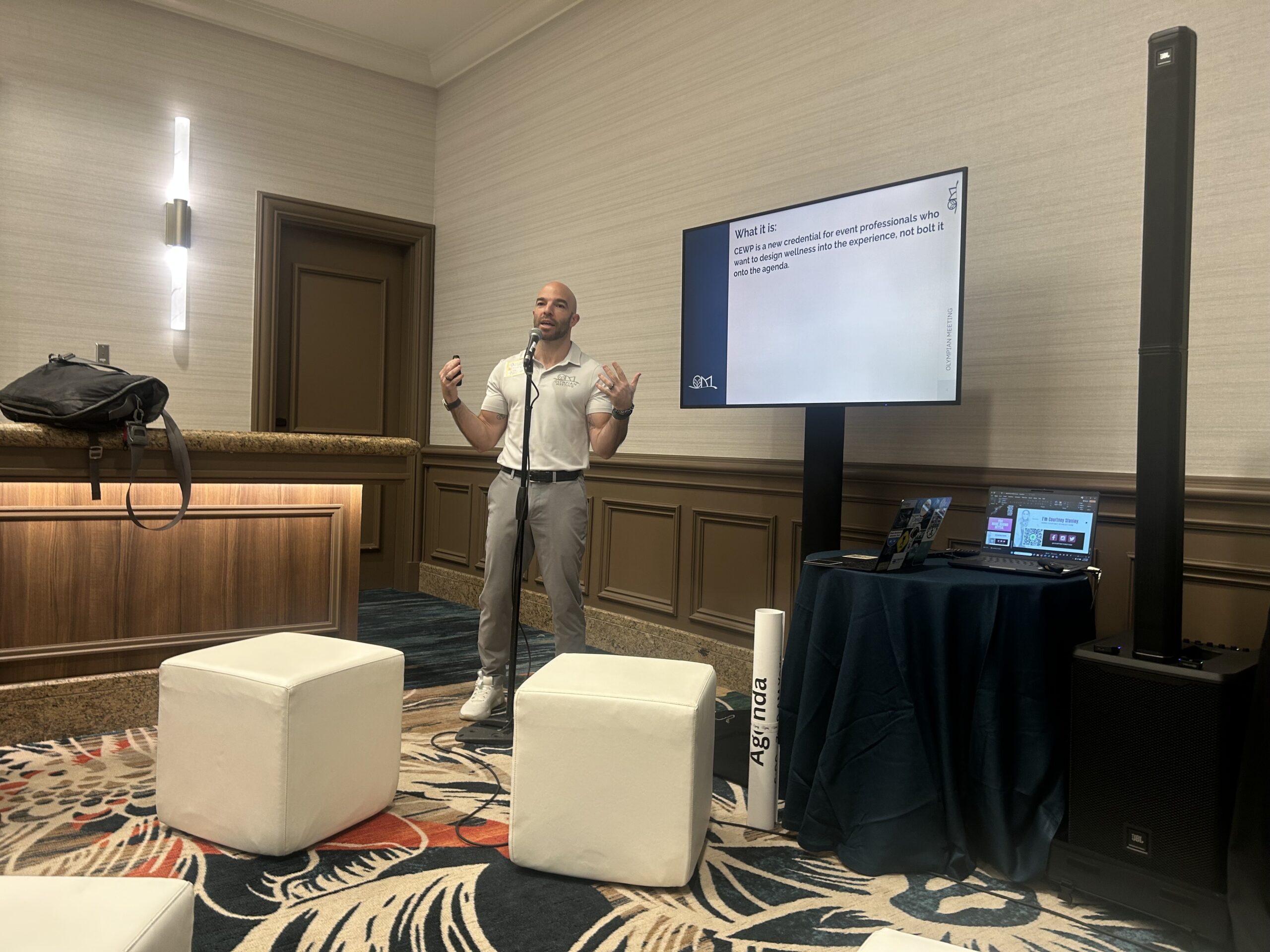
David T. Stevens, co-founder of Olympian Meeting, took to the stage to address a critical gap in the industry: the superficial treatment of wellness. "It’s for event professionals who want to design wellness into the experiences, not bolt it onto the agenda," Stevens noted.
The new CEWP certification is built upon the "4 Ms" framework: Mindfulness, Movement, Meaning, and Meals. By partnering with MPI to vet experts in these fields, the industry is moving toward a standard of practice that prevents "wellness-washing." As Stevens aptly pointed out, "Everyone claims to be an expert, but few actually are." This certification aims to provide the framework for planners to source credible, effective wellness programming that creates tangible benefits for attendees.
AI: Less Mindless, More Meaningful
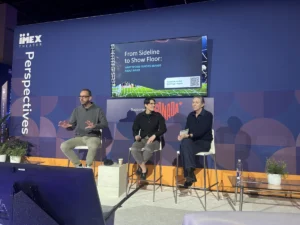
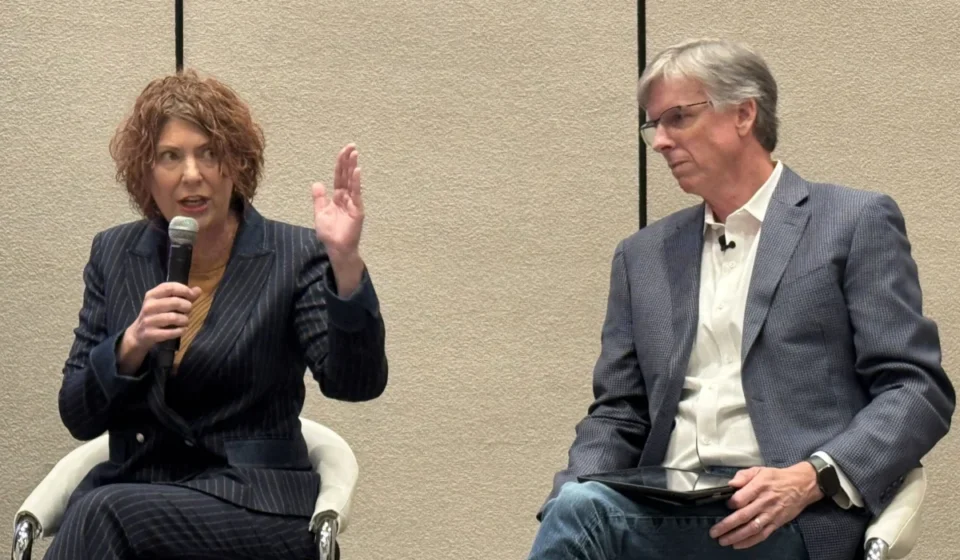
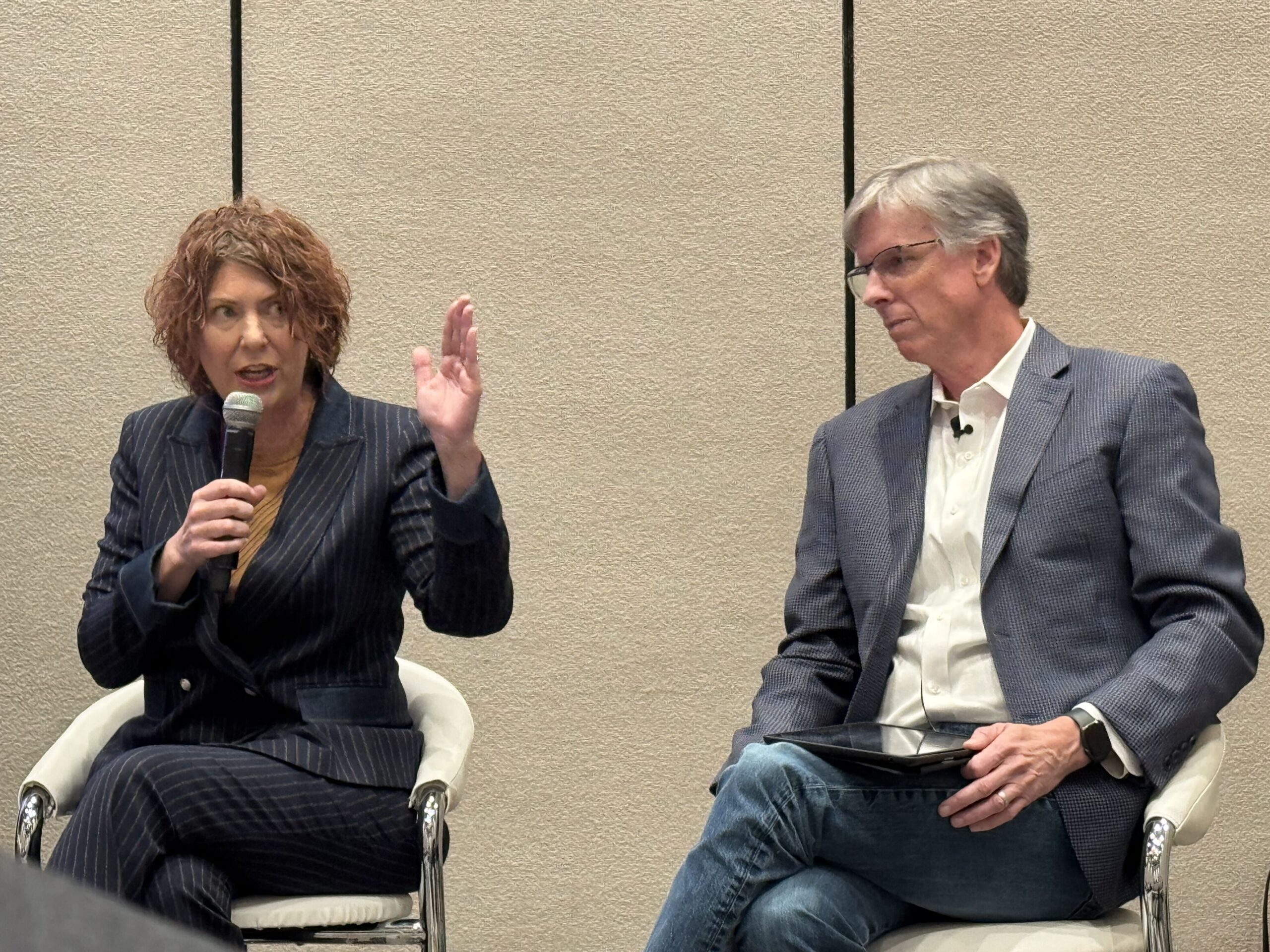
The panel "Less Mindless, More Meaningful," featuring MPI’s Jessie States and Cvent’s Mike Dietrich, provided a pragmatic look at the role of AI in the events world. Moderated by Courtney Stanley, the discussion moved past the hype cycle to focus on the business of automation.
Dietrich emphasized that "what’s easy and what’s valuable are not the same things." The panel argued that planners should identify repeatable, data-heavy tasks—such as registration processing or logistics coordination—and allow AI to manage those, thereby freeing up human capital for high-level strategy and community building. States reinforced this by calling it a "business problem," noting that documenting internal processes is the first step toward effective AI adoption.
F&B: The Balance of Abundance and Hospitality
The "Feed the Experience" panel tackled the perennial challenge of rising costs versus rising expectations. With a panel featuring experts from Caesars Entertainment, Resorts World Las Vegas, and the Viticus Group, the discourse centered on the shift from "abundance" to "intentionality."
David Tapper of Resorts World noted that planners often mistake quantity for quality. By focusing on memorable, high-impact culinary moments rather than massive, wasteful spreads, planners can maintain a premium feel on a restricted budget. Additionally, the shift toward non-alcoholic "mocktail" culture and customizable food stations reflects a broader societal shift toward inclusivity and health-conscious event catering.
Implications for the Future of Meetings
The primary implication of Smart Monday at IMEX 2026 is that the industry is entering an era of "Radical Intentionality."
- Human Connection as a Commodity: In a world saturated with digital interfaces, the physical event is becoming a premium product. Keynote speaker Caitlin Krause emphasized that technology should act as a supporting layer to human connection, not a replacement.
- Wellness as a Core Competency: With the launch of the CEWP, wellness has officially graduated from a "nice-to-have" yoga session to a professional discipline requiring specialized knowledge.
- Data-Driven Hospitality: The discussions around AI and F&B reveal that planners are expected to be more analytical than ever. Success in 2026 and beyond will be measured by a planner’s ability to interpret attendee data to provide personalized, efficient, and meaningful experiences.
Closing Reflections: The Power of the Pause
As the sun set on the first day, the sound bath experience at the Soleia Rooftop served as a potent metaphor for the entire day’s themes. Svetlana Esposito, who led the session, posed a question that resonated with every exhausted planner in the room: "Everybody is taking care of the others, but who is taking care of them?"
The inclusion of such restorative programming at the highest level of industry conferences is a clear indicator that the MICE sector is acknowledging the burnout inherent in the profession. By building "pauses" into the agenda—whether through meditation, sound therapy, or intentional design—the industry is beginning to treat the mental and physical well-being of the planner as an essential component of the event’s success.
As IMEX 2026 continues, these threads—AI, wellness, infrastructure, and human-centric design—will undoubtedly weave together to define the strategic roadmap for the coming year. For now, the takeaway is clear: the future of events is not just about where we meet, but how deeply we connect once we arrive.