
Deep in the southwestern reaches of Brazil lies a realm that defies conventional terrestrial logic. The Pantanal, a sprawling 75,000-square-mile UNESCO Biosphere Reserve, is the world’s largest tropical wetland—a seasonal mosaic of flooded plains, dense forests, and meandering river systems. Unlike the dense, impenetrable canopy of the nearby Amazon, the Pantanal is an open stage where the theater of nature plays out in high definition. It is a place where jaguars, the apex predators of the Americas, are frequently spotted swimming through river channels, and where the hierarchy of the food chain is as fluid as the rising and falling waters.
The Opening Act: A Rare Encounter
The narrative of a journey into this wilderness often begins long before one reaches the interior base camps. For many, the transition from civilization to the wild is instantaneous. As visitors pass the threshold of the reserve, the landscape shifts, and the wildlife reveals itself with startling proximity.
On a recent 11-day expedition led by the eco-tourism specialist Natural Habitat Adventures, the group experienced a rare, pulse-pounding encounter mere minutes into their transit. Along a muddy embankment, a yellow anaconda—a formidable constrictor—was engaged in a life-or-death struggle with a caiman. The sheer spectacle of the massive snake coiled around the armored reptile, with the caiman thrashing in a desperate bid for survival, served as a potent reminder of the Pantanal’s untamed essence.
Lejania Malheiros, a veteran guide known affectionately as "Lele," noted the significance of the sighting: "I’ve never seen anything like it in years of doing this job." Such encounters are not merely incidental; they are the hallmarks of a region where biodiversity is so concentrated that the unexpected becomes the standard expectation.
Chronology of the Wild: A Seasonal Rhythm
The Pantanal is governed by a rhythmic pulse of water. To understand the ecosystem, one must view it through the lens of its dual seasonal personality.
- The Wet Season (December–March): During these months, heavy rains transform the region into an immense inland sea. Travel becomes restricted to boats and small aircraft. While this period is challenging for human logistics, it is the lifeblood of the wetland, recharging the aquifers and facilitating the dispersal of aquatic life.
- The Transition (April–May): As the waters begin to recede, fish are trapped in shrinking pools, creating an "all-you-can-eat" buffet for birds, caimans, and giant river otters.
- The Dry Season (June–November): This is the window for optimal wildlife viewing. As the water level drops, the landscape dries, and the fauna congregates around the remaining permanent water bodies. It is during this time that the jaguars, typically elusive, are most often seen stalking the banks, prowling for caiman or capybara.
For the intrepid traveler, this chronology dictates the experience. Each phase offers a different vantage point into the survival strategies of the region’s inhabitants.
The Pantanal Ecosystem: By the Numbers
The scale of the Pantanal is difficult to conceptualize without data. Its biodiversity is unmatched in the Americas, serving as a critical refuge for species that are increasingly threatened elsewhere.
- Geographic Scope: Covering approximately 75,000 square miles, it is larger than the state of Florida.
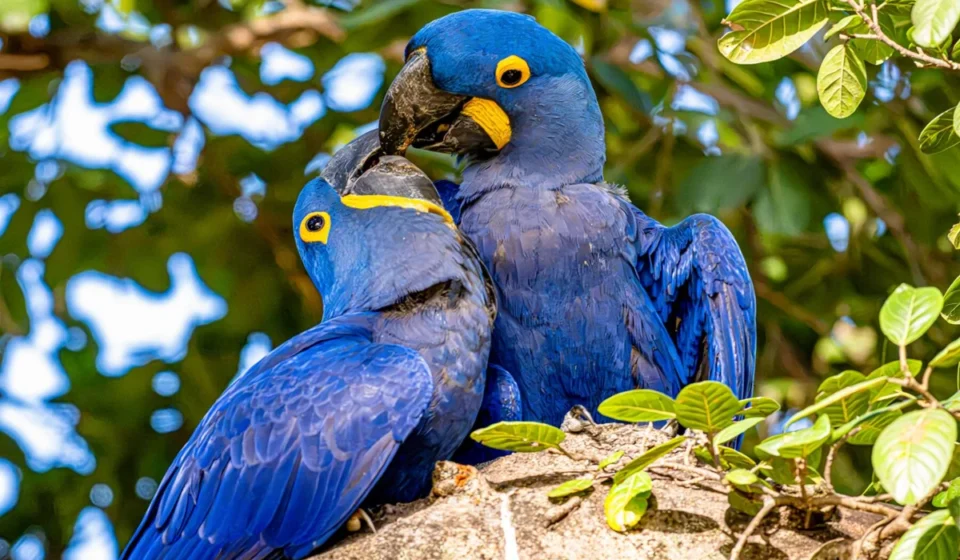
- Avian Abundance: Home to over 650 bird species, including the iconic hyacinth macaw and the jabiru stork, which serves as the unofficial symbol of the region.
- Mammalian Density: The Pantanal boasts the highest density of jaguars in the world. Research indicates that individual jaguars in this region have adapted to be larger and more comfortable in water than their Amazonian counterparts.
- Reptilian Population: Estimates suggest there are upwards of 10 million caimans in the Pantanal, a testament to the region’s incredible biomass.
These figures underscore why conservationists view the Pantanal as a non-negotiable priority. It is not merely a tourist destination; it is a vital carbon sink and a biological reservoir that sustains the regional climate of South America.
Conservation and the Role of Eco-Tourism
The presence of organizations like Natural Habitat Adventures in the Pantanal represents a shift in how the region is valued. Historically, the Pantanal was viewed primarily through the lens of agriculture, particularly cattle ranching. However, in recent decades, the economic value of a "living" Pantanal has begun to outweigh the benefits of extraction.
Official Perspectives on Sustainable Management
Government bodies and international NGOs, including the UNESCO World Heritage Committee, have increasingly focused on the Pantanal’s vulnerability to climate change and human encroachment. The 2020 fire season, which saw catastrophic losses of habitat, served as a global wake-up call.

"The Pantanal is a resilient system, but it is not invulnerable," notes a representative from a regional conservation NGO. "The integration of eco-tourism into the local economy has provided a tangible incentive for landowners to preserve the wetlands. When a jaguar is worth more alive to a local guide and lodge owner than as a target for a rancher, the entire ecosystem benefits."
The model being promoted is one of low-impact, high-value tourism. By strictly controlling the number of visitors and ensuring that local communities benefit financially from the influx of travelers, the region creates a self-sustaining cycle of conservation.
Implications for the Future
As we look toward the next decade, the survival of the Pantanal hinges on two primary factors: water management and climate resilience.
1. Water Security:
The health of the Pantanal depends on the rivers that feed it. Upstream deforestation and the construction of hydroelectric dams threaten the delicate flow of water that sustains the wetlands. Regional stakeholders are now pushing for cross-border cooperation to ensure that the headwaters remain protected.
2. Climate Adaptation:
Extreme weather events, including prolonged droughts, have become more frequent. The shift in rainfall patterns directly impacts the breeding cycles of countless species. Conservationists are now prioritizing the creation of "wildlife corridors" that allow animals to migrate to higher ground or more stable water sources during extreme events.
3. The Role of the Visitor:
Travelers who venture into the Pantanal are no longer just passive observers; they are participants in a broader effort of environmental stewardship. By choosing operators that prioritize wildlife welfare over proximity—and by supporting lodges that invest in renewable energy and local employment—tourists are helping to underwrite the cost of protection.
A Final Reflection: The Human Connection
Returning to the image of the anaconda and the caiman, one realizes that the Pantanal is not a place that caters to human comfort. It is a place that demands humility. It asks the visitor to wait, to watch, and to accept that they are a peripheral observer in a story that has been unfolding for millennia.
Whether it is the haunting call of the howler monkeys at dawn or the sight of a jaguar emerging from the reeds like a ghost, the Pantanal leaves an indelible mark on those who witness it. It is a testament to the idea that there are still corners of this planet where the wild reigns supreme. As human development continues to expand, the existence of such places becomes ever more precious. The Pantanal is not just a destination; it is a global heritage, a vital component of the earth’s biological engine, and a reminder that when we protect the wild, we are ultimately protecting ourselves.
For those planning to visit, the advice from veterans like Lele is simple: bring patience, high-quality binoculars, and an open mind. The Pantanal does not show itself to the hurried or the distracted. It reveals its secrets only to those who are willing to sit quietly by the riverbank and watch the world go by, one ripple at a time.