Love, Whimsy, and a $6,500 Budget: How Alishia and JC Redefined the Modern Wedding

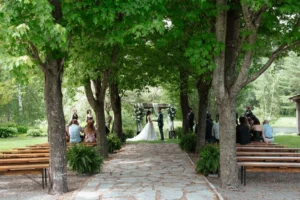
In an era where the average wedding cost often balloons into five-figure territory, Alishia and JC have emerged as a beacon of inspiration for couples seeking to balance personality, style, and financial prudence. Their recent celebration at the Longwood Historic Community Building was more than just a ceremony; it was a defiant, joyful statement that love does not need to be expensive to be unforgettable. By focusing on personal narratives rather than industry-standard checklists, the pair managed to execute a wedding that felt profoundly authentic, proving that a modest budget can actually be the catalyst for the most creative and heartfelt celebrations.
The Whirlwind Romance: From Grocery Aisle to Altar
The story of Alishia and JC is one of serendipity. They first crossed paths in the most mundane of settings—a local grocery store—only to discover that fate had placed them in the same apartment complex. This shared proximity acted as a catalyst for a whirlwind romance; three months after that initial meeting, they were married.
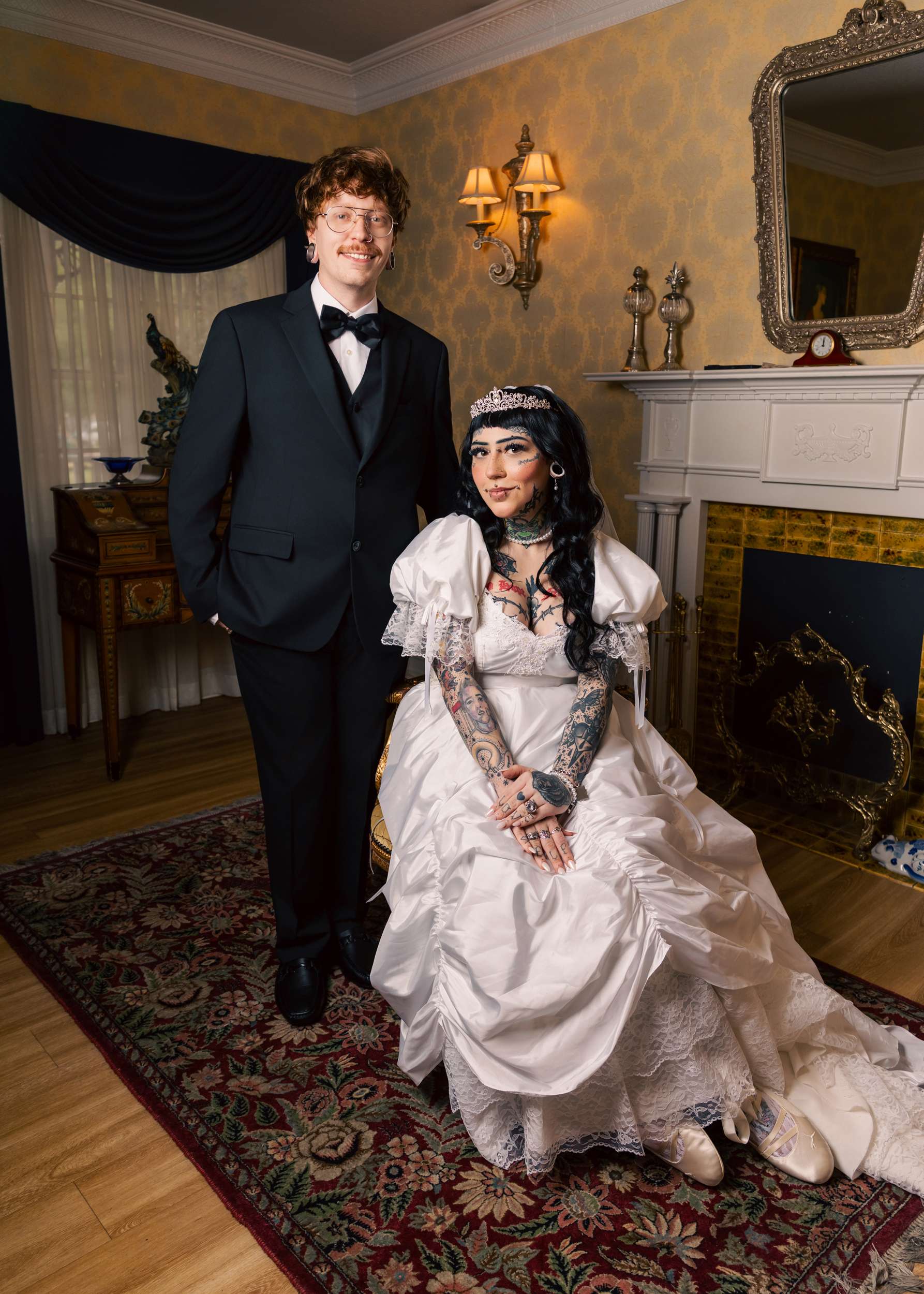
However, they chose to postpone the "big day" until they could properly celebrate with their inner circle. A year later, they returned to their roots, hosting a full wedding celebration that perfectly encapsulated their journey from casual acquaintances to life partners. The event served as a testament to their spontaneity and the deep bond they forged in such a short window of time.

Chronology of a Non-Traditional Celebration
The wedding was a carefully curated blend of vintage aesthetics and modern, unconventional choices. The day was structured around personal comfort and genuine enjoyment rather than rigid, centuries-old traditions.
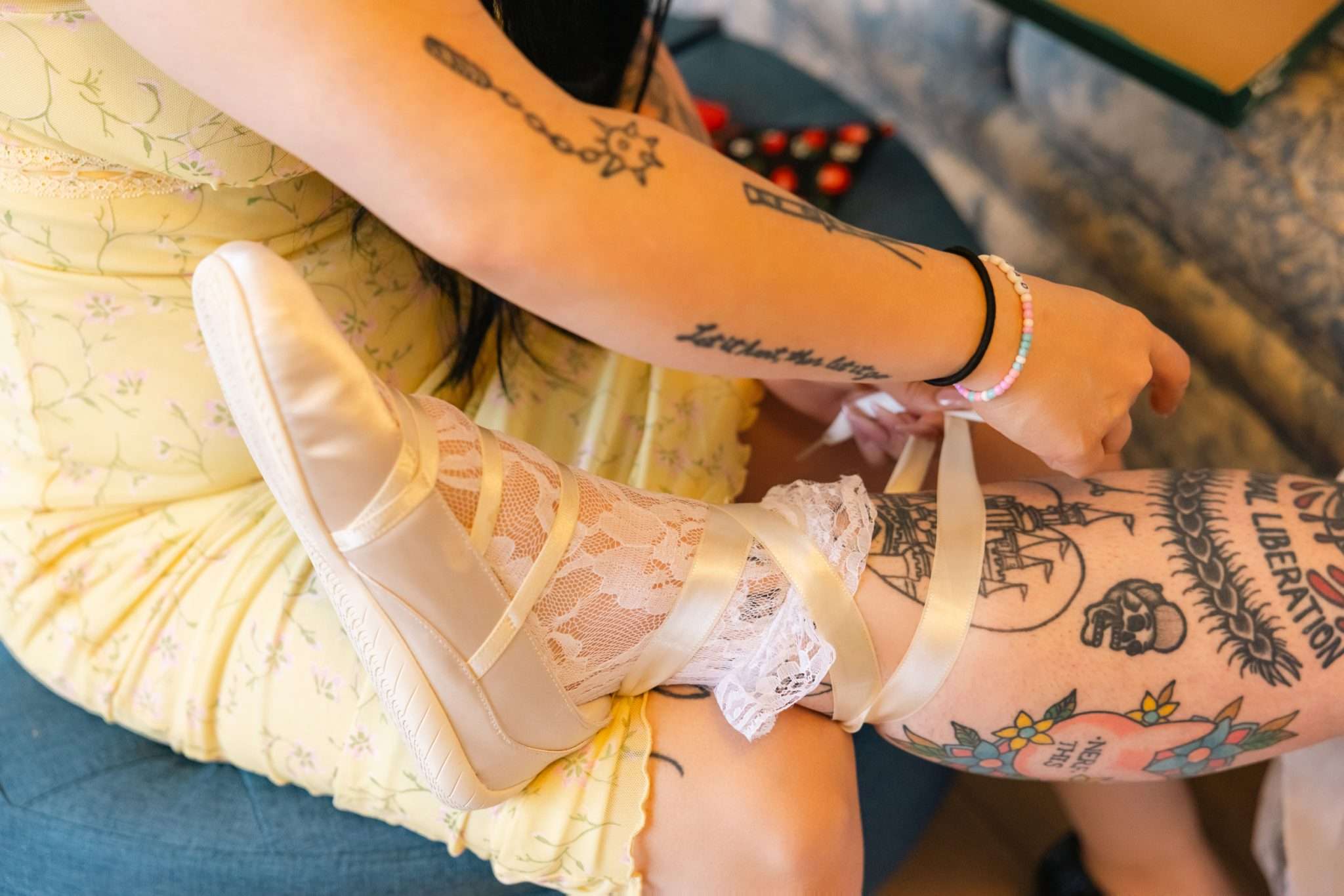
The Morning Preparation: Vintage Elegance
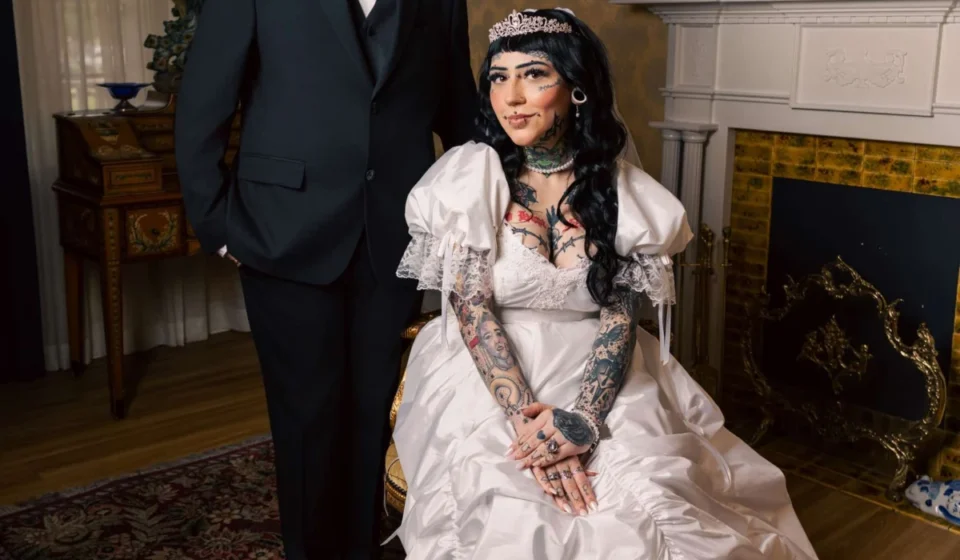
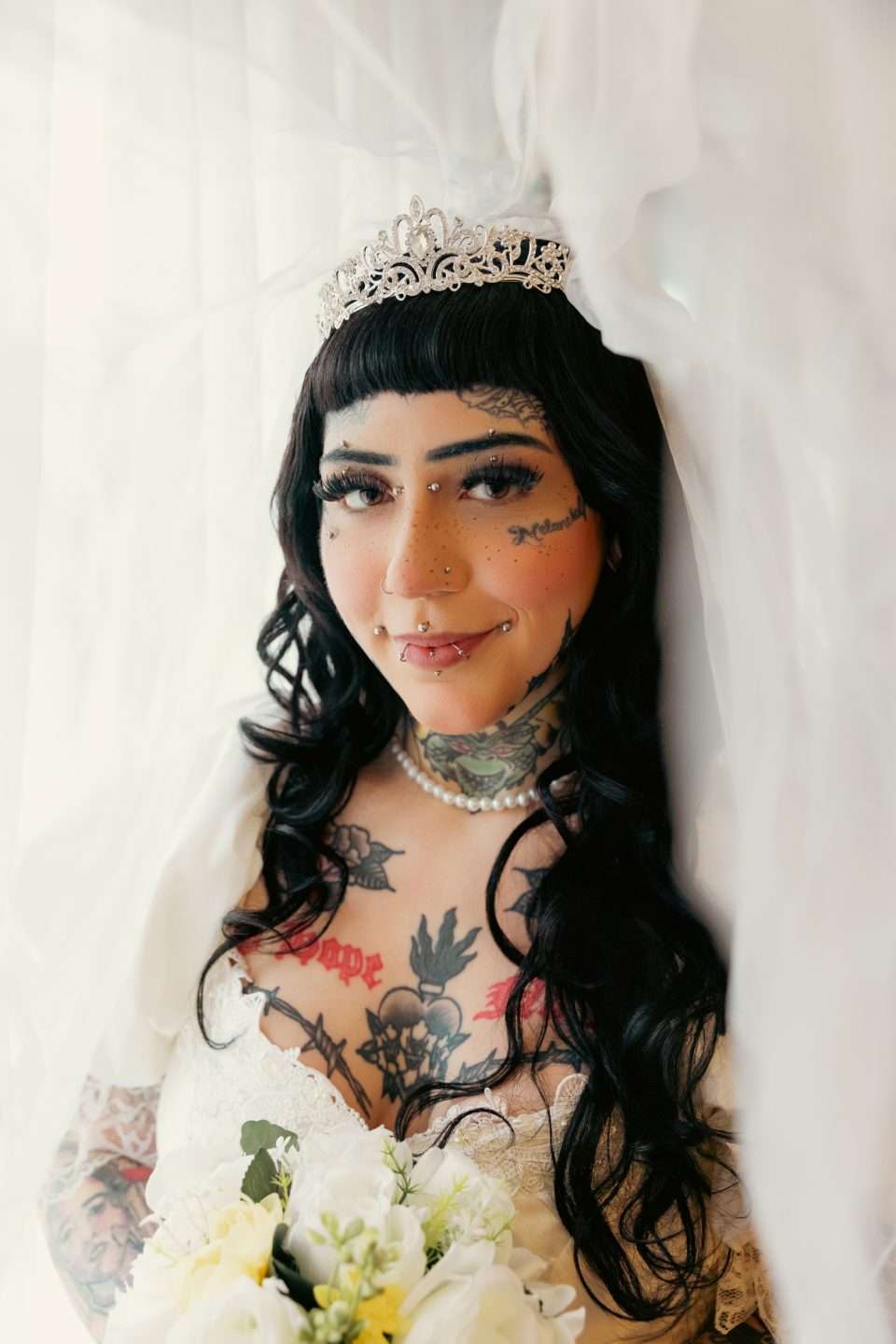
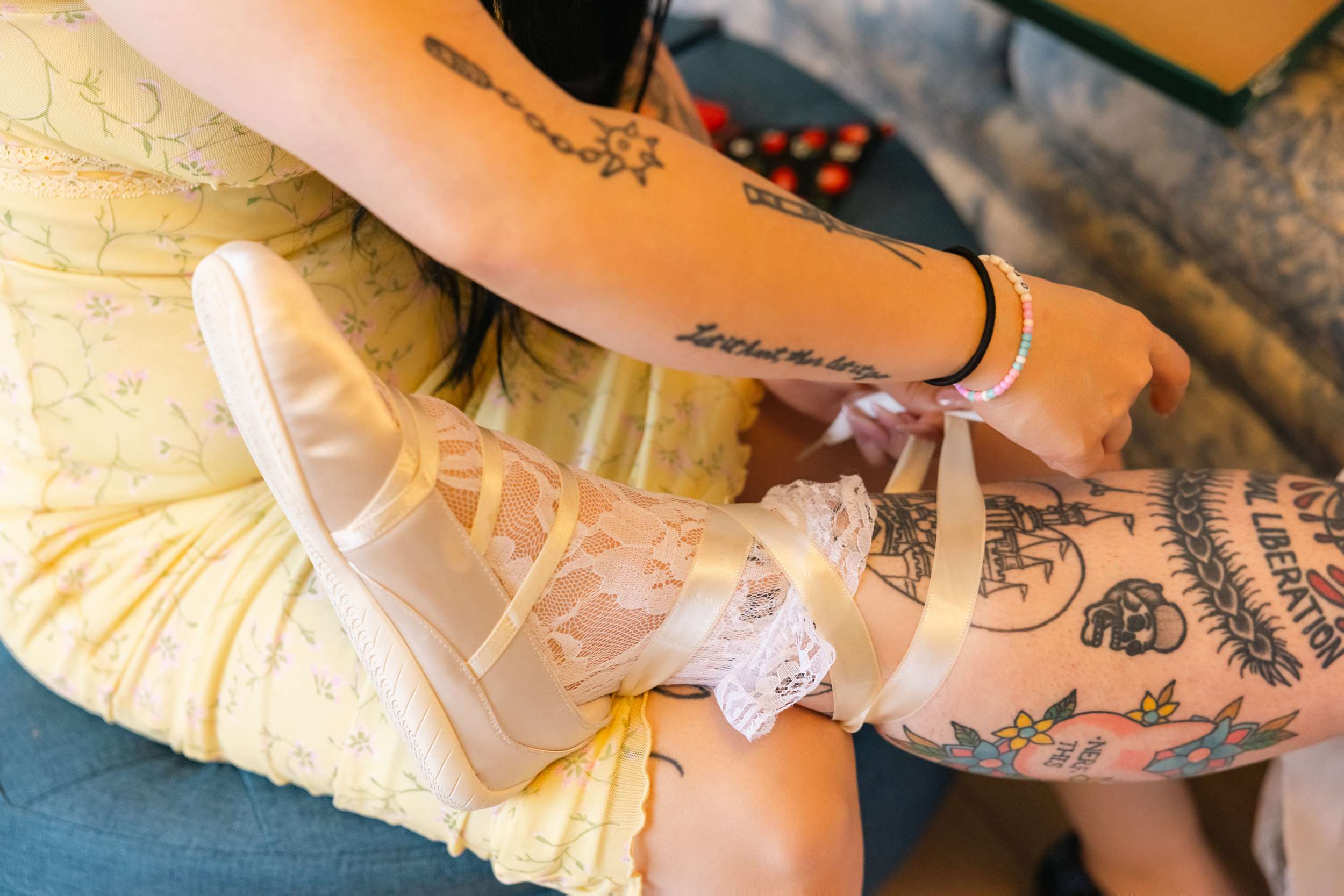
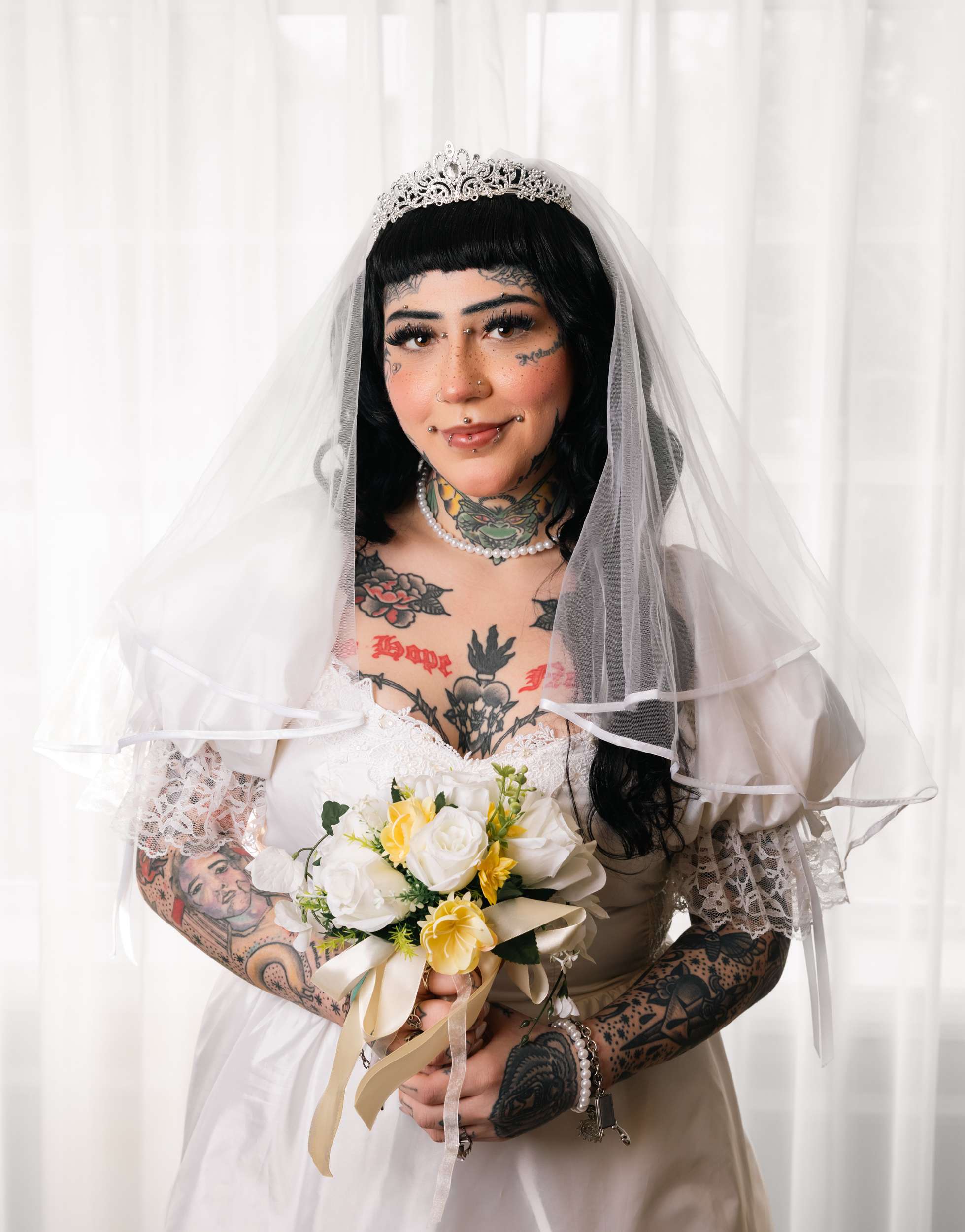
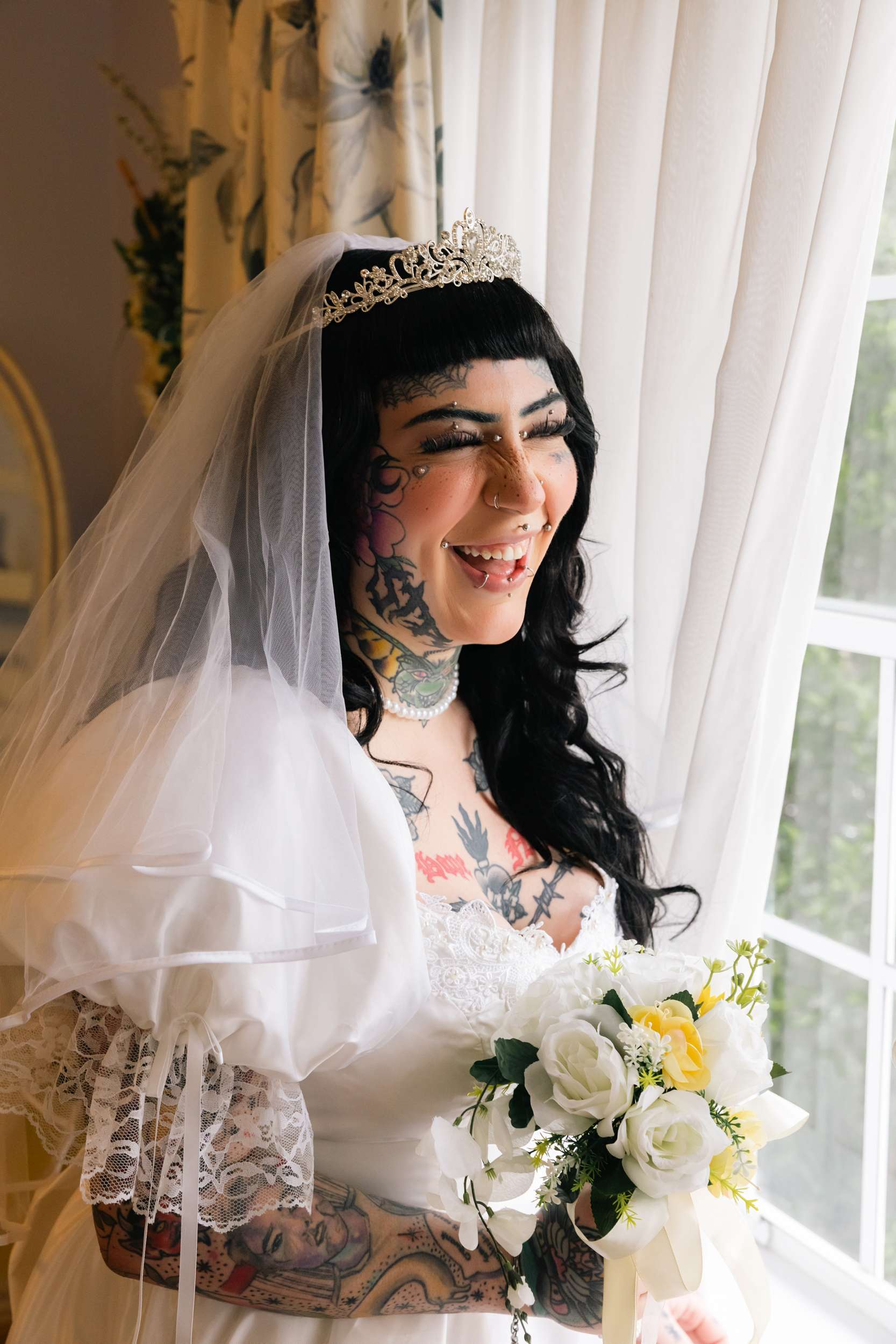
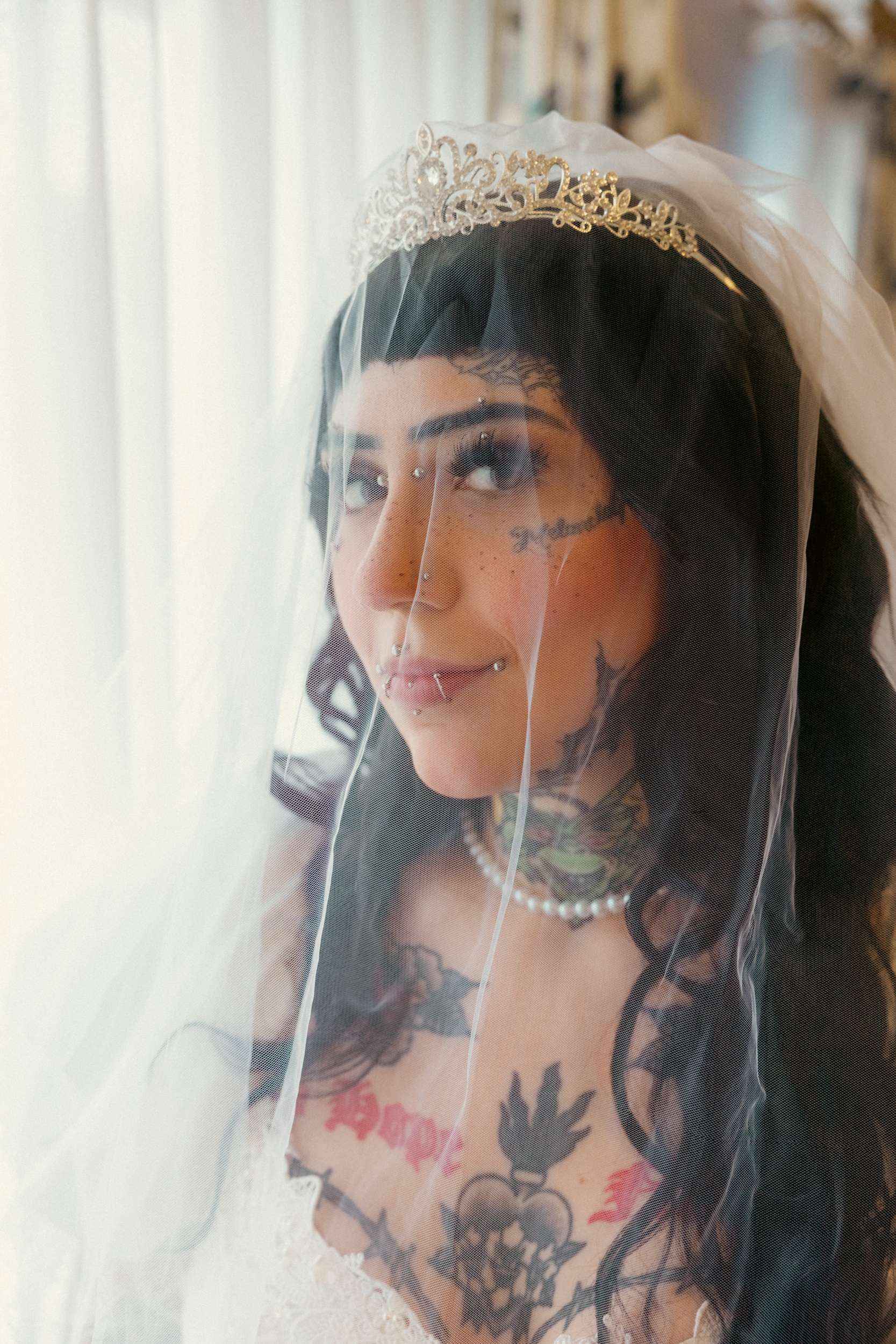
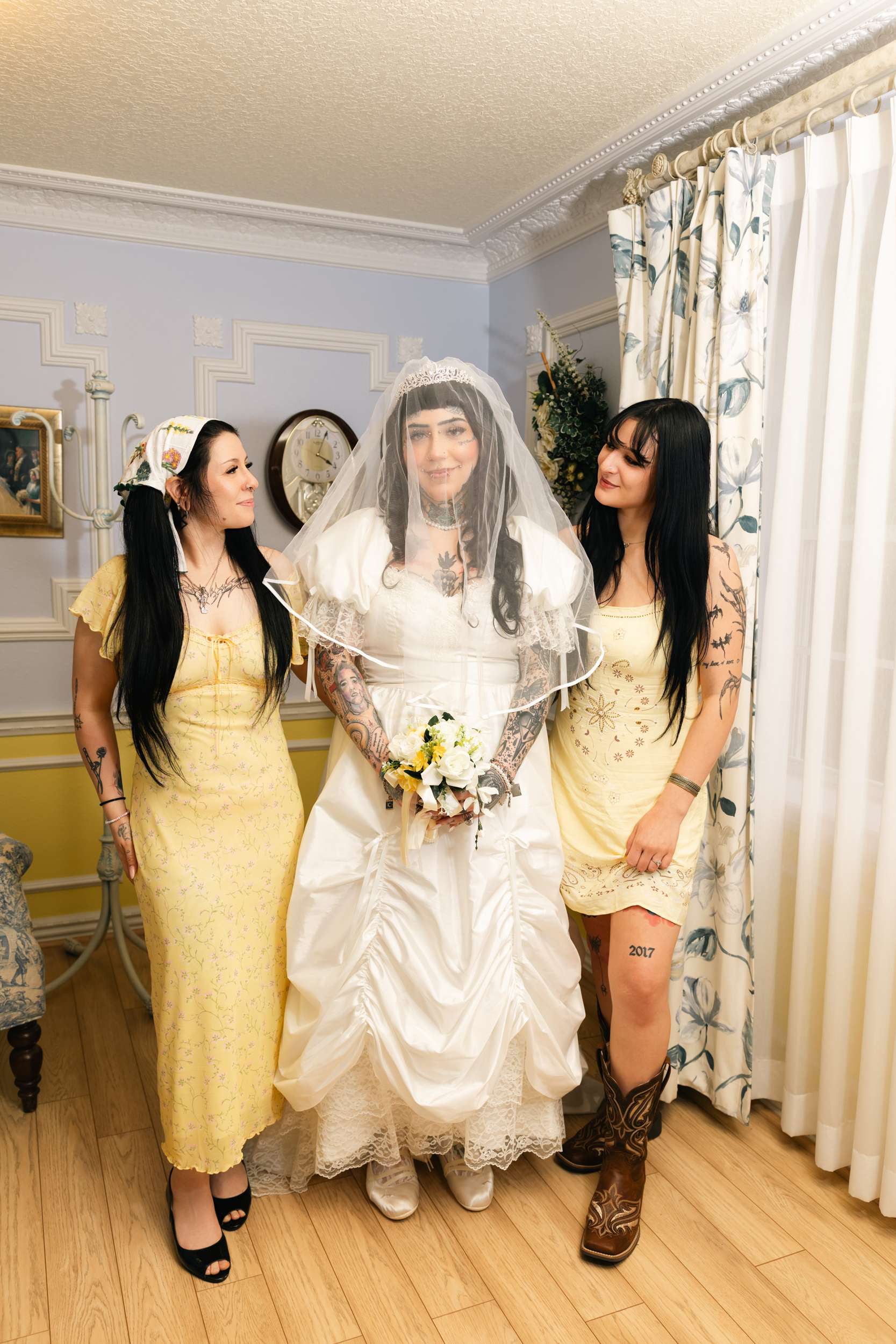
The bride’s aesthetic was a masterclass in "vintage whimsy." Eschewing the modern trend of buying a brand-new designer gown, Alishia opted for a piece of family history: an original 1980s gown belonging to JC’s mother. The dress was lovingly altered to suit her frame, serving as a nostalgic bridge between generations. She paired the vintage silhouette with a delicate tiara, heirloom-style jewellery, and, in a sharp departure from traditional bridal heels, PUMA Speedcat Ballet shoes.
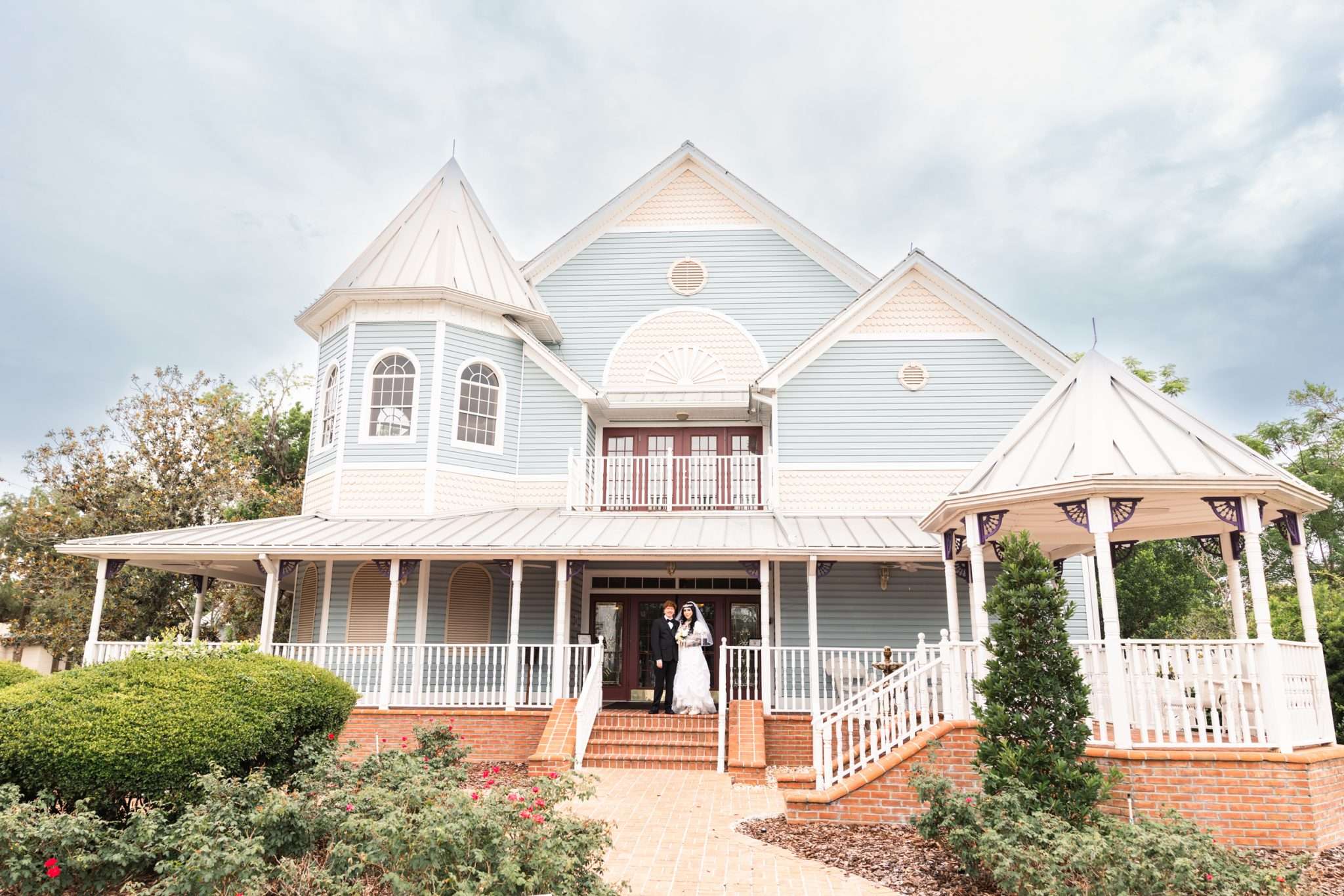
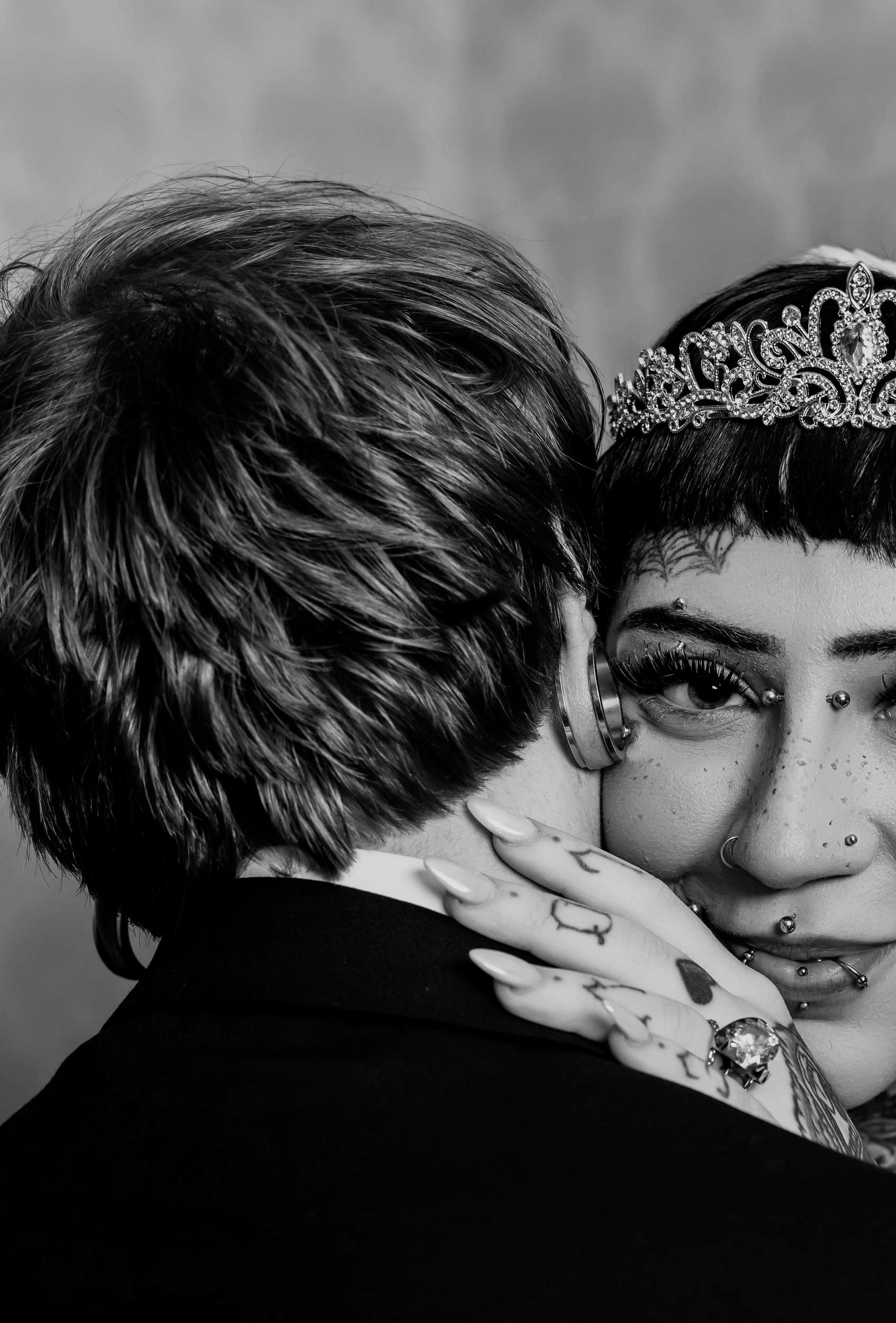
Notably, Alishia made it clear that her tattoos and piercings were non-negotiable accessories. Throughout the planning process, she resisted any pressure to "cover up" or conform to a conservative bridal look, standing firm in her identity.
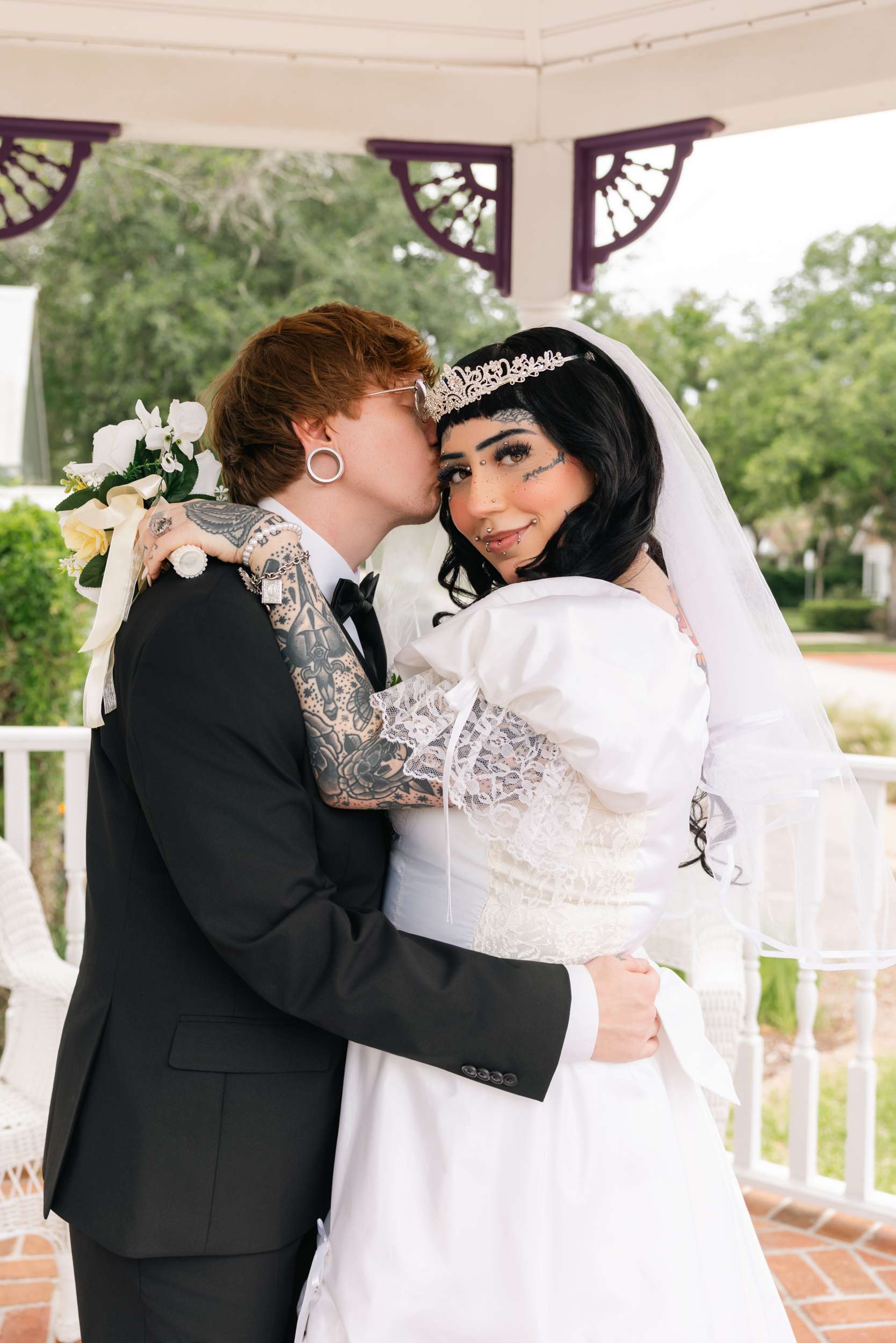
The Ceremony: Customizing the Ritual
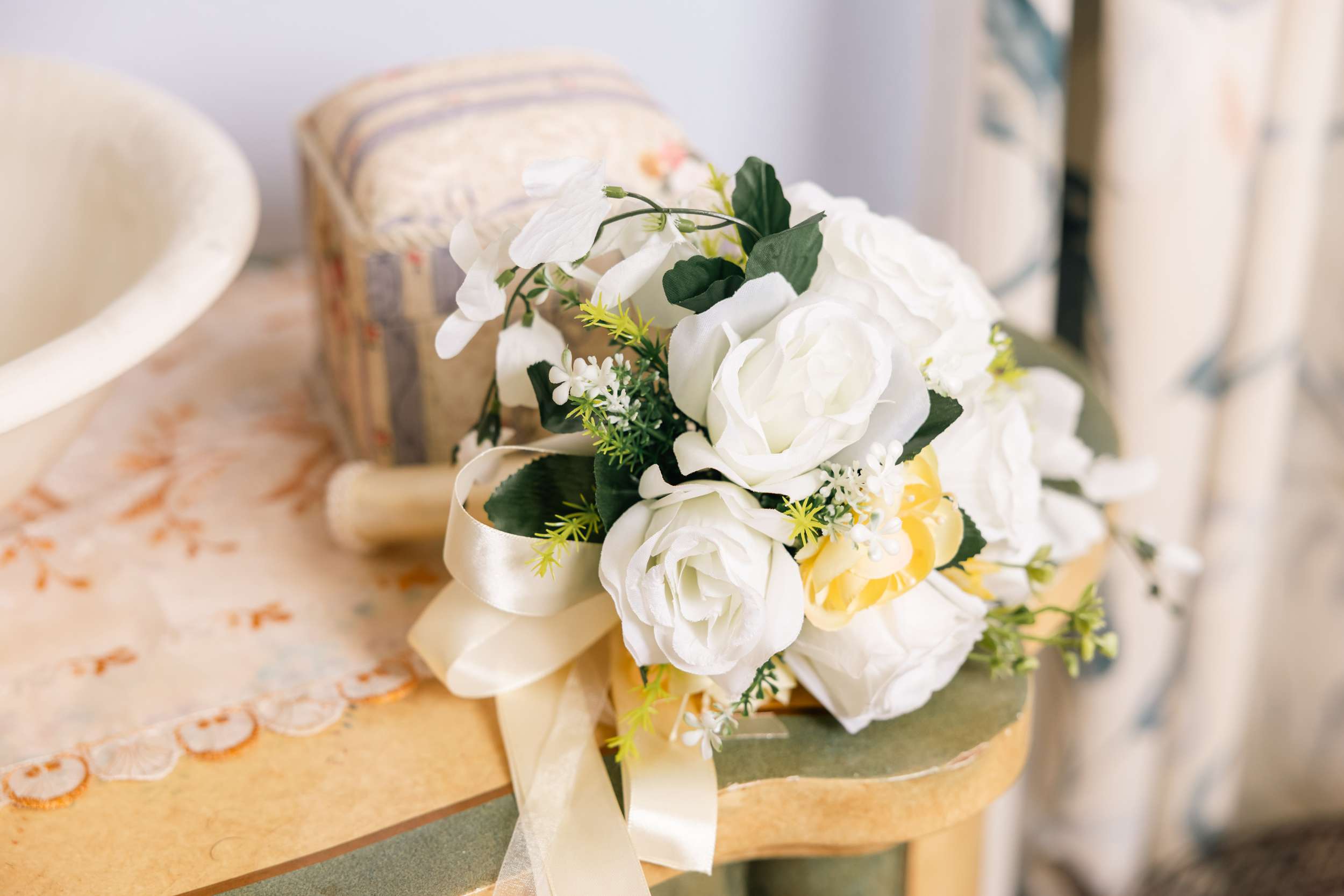
The ceremony itself reflected the couple’s desire to strip away unnecessary formality. In a playful yet significant break from custom, Alishia chose to stand on the right side of the altar, simply because she felt it was her "good side." The ceremony arch, a focal point of the vows, was a collaborative project built by JC’s mother and adorned with the bride’s favorite florals, adding a layer of intimacy to the proceedings.
The Reception: A Celebration of "Us"
The reception was where the couple’s true colors shone brightest. Moving away from formal plated dinners, the couple utilized the space for an evening of shared experiences. The playlist was an eclectic mix of their favorite musical influences—including beabadoobee, Deftones, Linkin Park, M83, Tigers Jaw, Turnover, and Harry Styles—setting a high-energy tone that prioritized their personal taste over wedding-guest radio favorites.
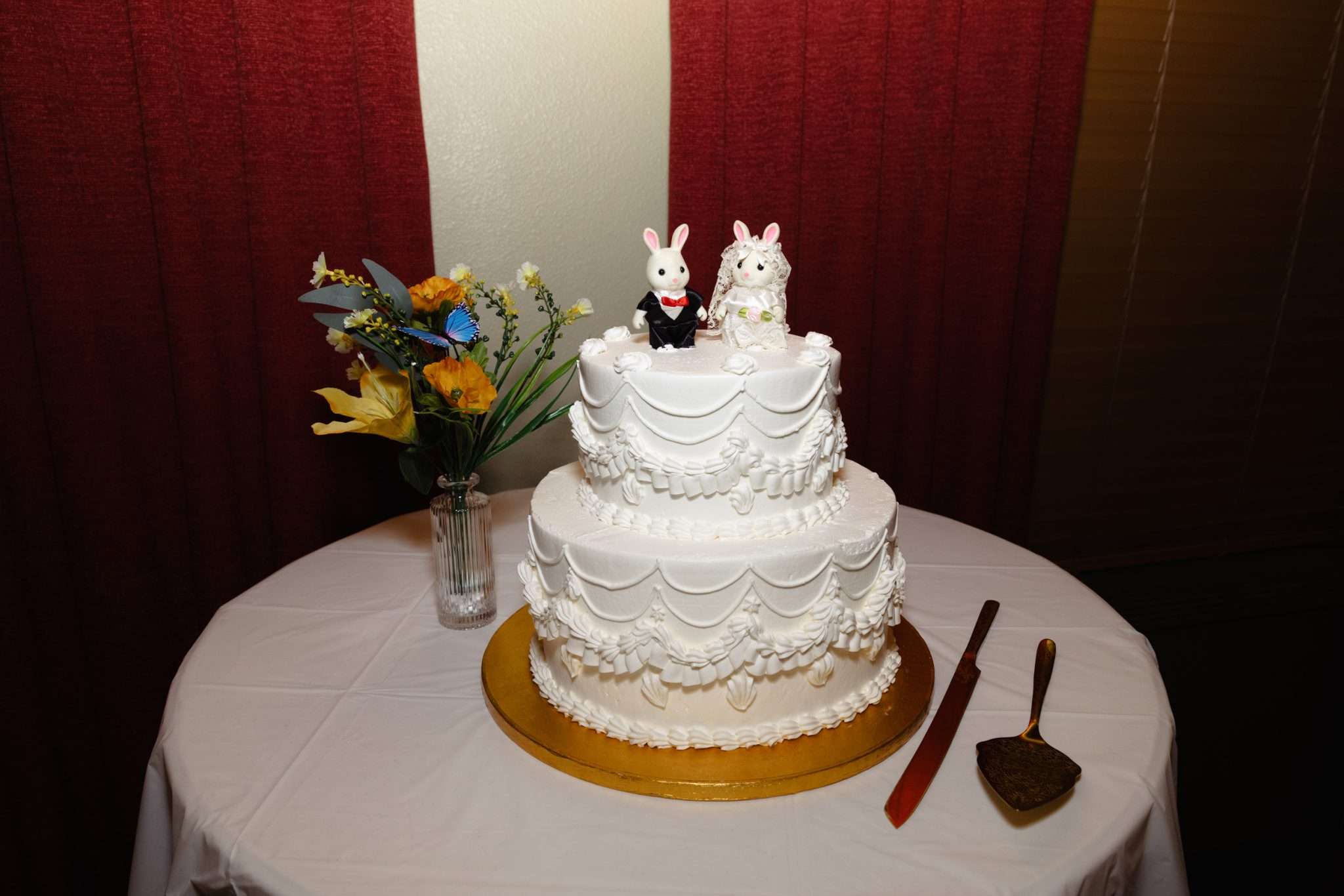
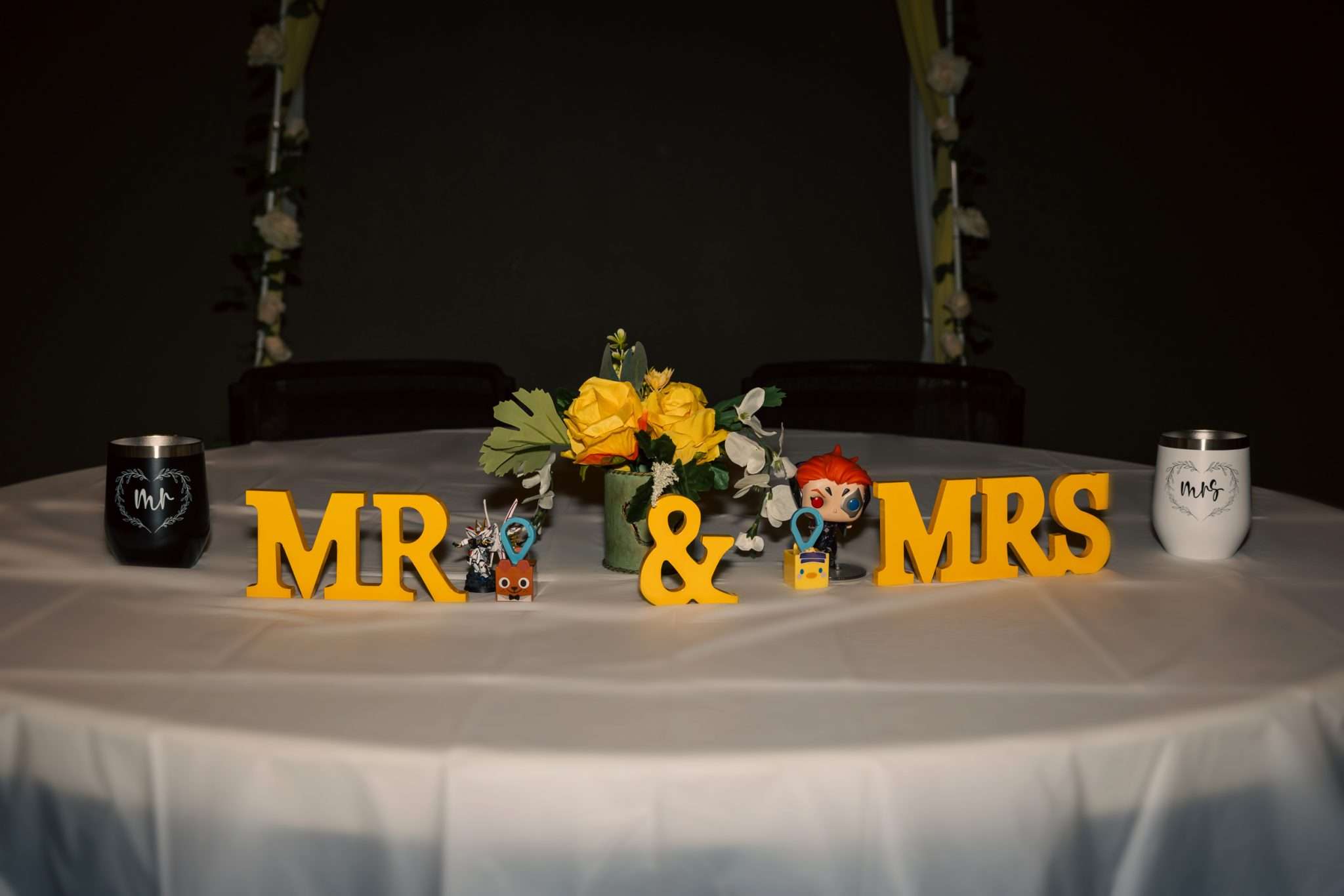
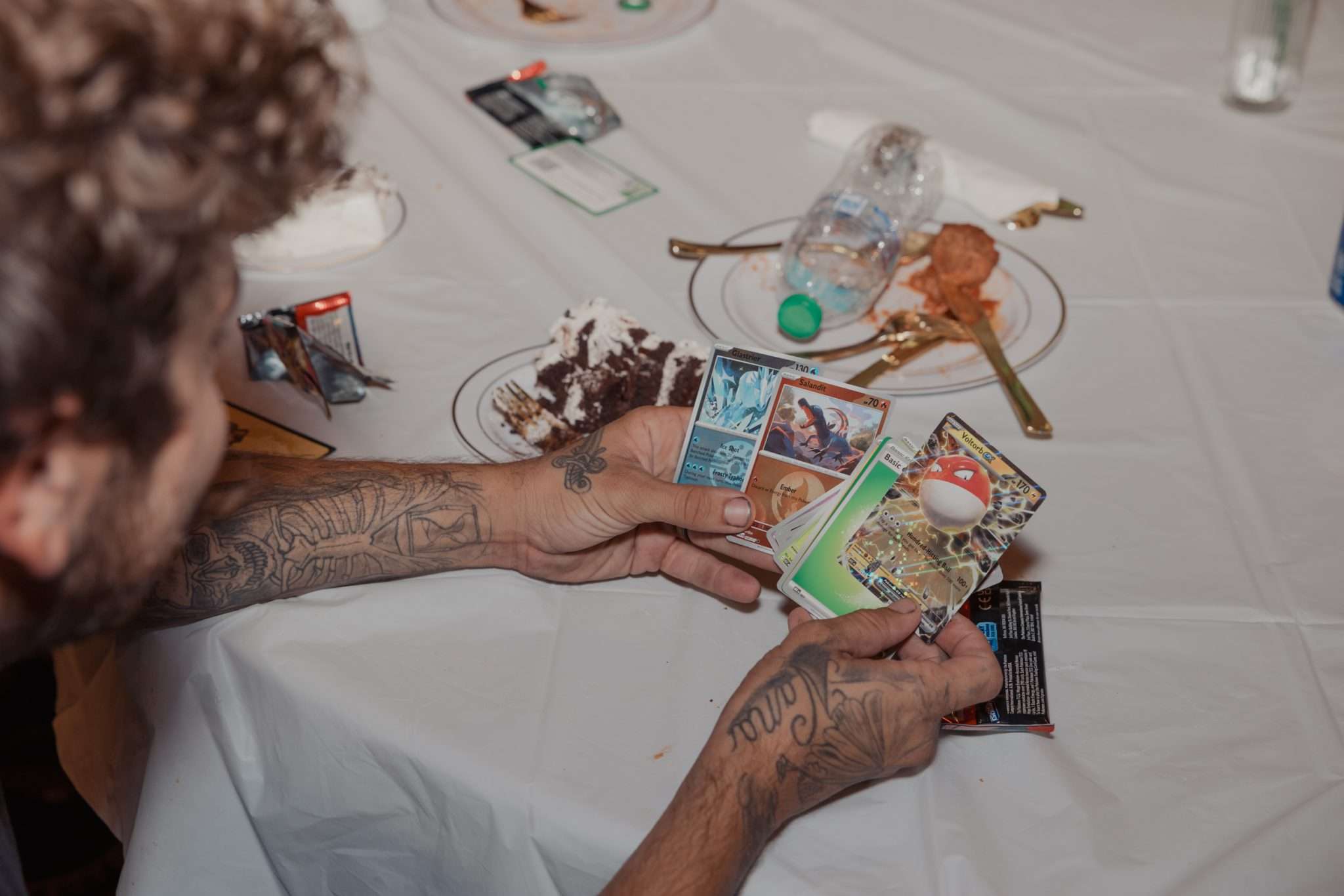
The tablescape served as a physical scrapbook of their relationship. Included were small toy clips from Happy Meals—a nod to their very first date—as well as Calico Critters and various other trinkets collected throughout their first year of marriage. The traditional garter toss was humorously replaced by a Pokémon booster box toss, inviting guests into their world of collecting and gaming.
Supporting Data: The Financial Breakdown
For many couples, the $6,500 budget is a daunting constraint. However, for Alishia and JC, it was an empowering tool that forced them to prioritize what truly mattered.
- Venue: By selecting the Longwood Historic Community Building, the couple secured a venue with character and history at a fraction of the cost of luxury banquet halls.
- Catering: Much of the catering was handled by family, specifically JC’s mother, which significantly reduced labor and food costs while adding a personal touch that catering companies often lack.
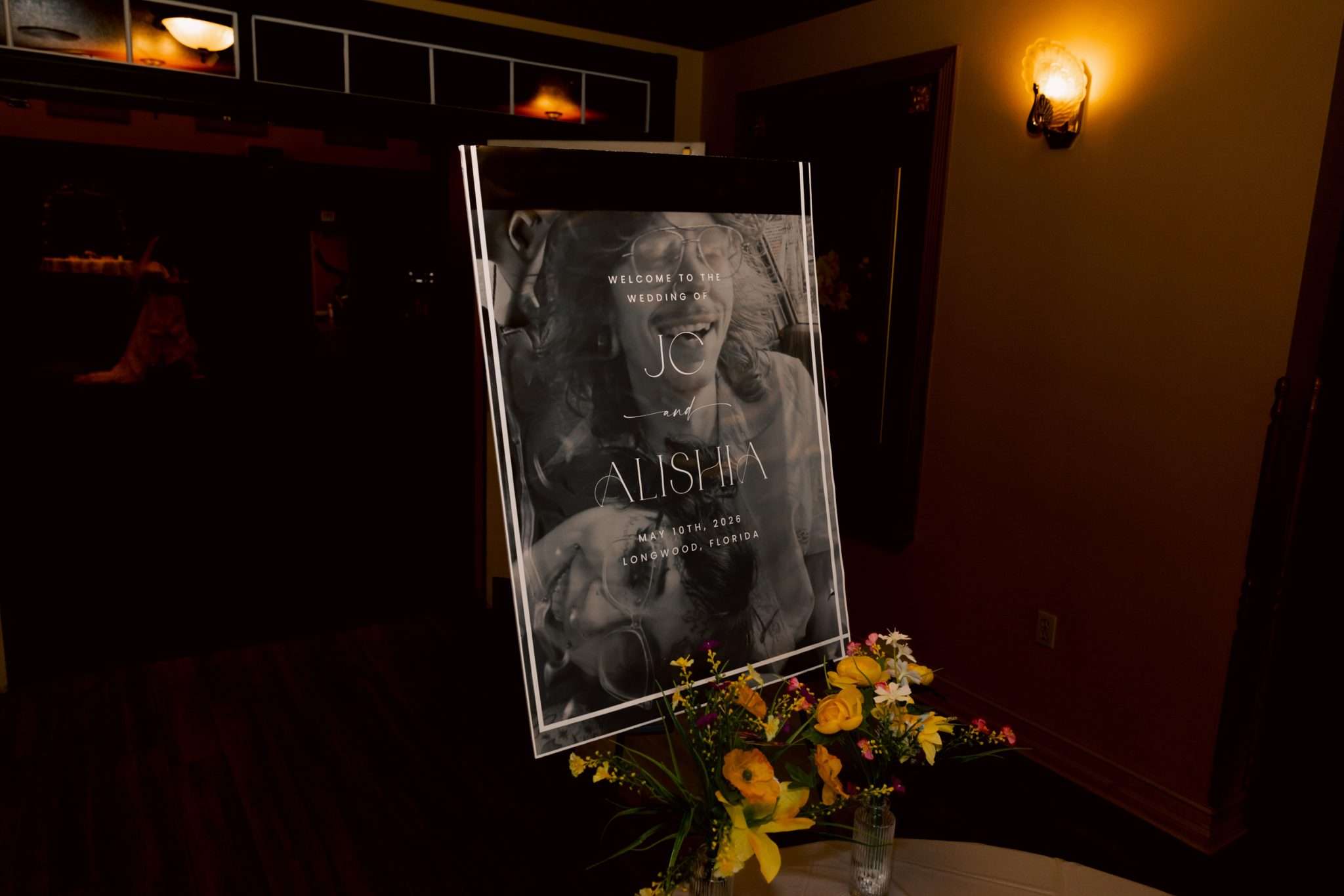
- DIY Elements: From the hand-crafted welcome sign to the floral arrangements on the arch, the couple leaned into DIY. This not only saved thousands of dollars but ensured that every element of the décor held personal significance.
- Entertainment: The choice of karaoke as the evening’s primary entertainment provided hours of engagement without the high price tag of a live band or a specialized DJ.
The couple’s financial strategy was simple: spend money only on what contributes to the experience and memories, and eliminate everything else.
Official Reflections: A Call for Authenticity
When asked about their experience, Alishia was adamant about the importance of staying true to oneself. She addressed the common anxieties that brides face, particularly regarding their appearance.
"To anyone who feels like they need to hide their tattoos for their wedding, take out their piercings, or dial down their unique look… don’t!" she stated. "I do not regret a single thing about how I portrayed myself."
This perspective extends beyond just appearance. The couple faced significant pressure from the industry’s "must-have" lists—the endless suggestions of favors, tiered cakes, and professional videographers that many feel are mandatory for a "real" wedding. Alishia noted that navigating these lists was the most stressful part of the planning process. Her advice to future couples is clear: "It’s your day, and you should prioritize what you and your partner enjoy. A lot of people would be very hesitant to do half of what we did, but that’s exactly what makes it ‘us’!"

The Broader Implications: Redefining the Wedding Industry
The wedding of Alishia and JC highlights a growing shift in the wedding industry, often referred to as the "de-commercialization" of marriage. As more couples face economic pressures and a growing desire for individualism, the industry is seeing a retreat from the "cookie-cutter" wedding model.
1. The Value of the "Unconventional"
Their celebration proves that a wedding is a rite of passage, not a stage production. By incorporating Pokémon cards, karaoke, and thrifted trinkets, the couple successfully signaled to their guests that this was a celebration of their specific dynamic. It serves as a reminder that guests are there to witness the couple’s union, not to evaluate the table linens or the opulence of the centerpieces.
2. Family and Community as Resources
The involvement of JC’s mother in the building of the arch and the preparation of the food highlights the role of community in modern marriage. Instead of outsourcing every service to vendors, many couples are finding that involving friends and family in the creation of the day leads to a more cohesive, warm, and memorable event.
3. Empowerment Through Boundaries
Perhaps the most significant implication of their wedding is the assertion of boundaries. By refusing to cover her tattoos or change her style, Alishia demonstrated that a wedding should be a celebration of who the couple is, not who they are expected to be. This level of authenticity is increasingly becoming the new gold standard for young couples who value self-expression over rigid social compliance.
Conclusion
Alishia and JC’s wedding was, in every sense, a triumph of personality over price. By rejecting the notion that a wedding must be expensive or conventional to be valid, they created a blueprint for future couples to follow. Their day was filled with music they loved, symbols of their unique history, and the unwavering support of their loved ones—all while keeping their financial health intact.
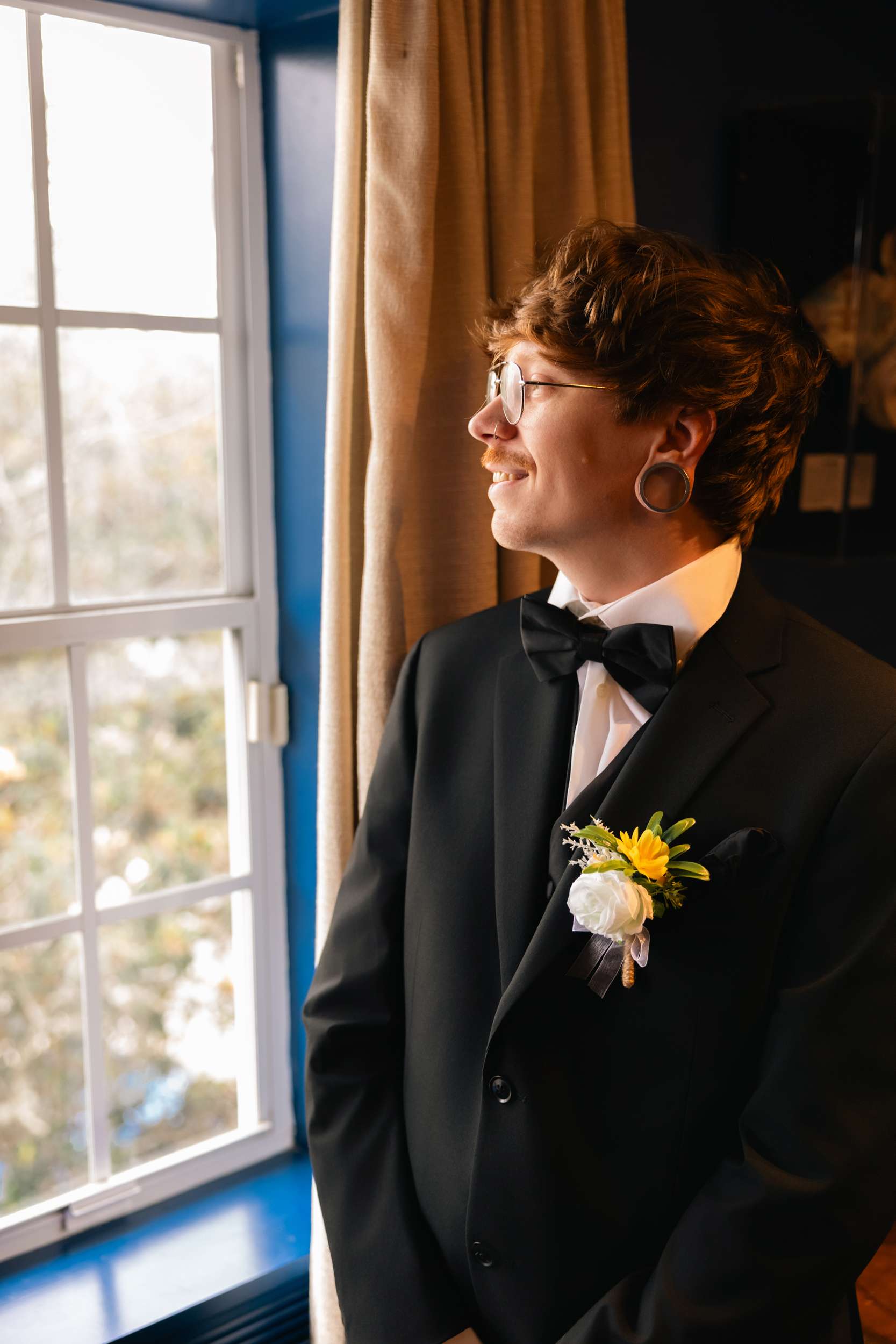
For those currently staring down the barrel of a stressful wedding planning process, take heart from their story. Whether it is a vintage dress from the 80s, a Pokémon toss, or simply standing on your "good side" at the altar, the most important element of any wedding is the couple themselves. In the end, the trinkets, the songs, and the low-cost choices didn’t just save them money—they gave them a wedding that was, above all else, honest.