Navigating the 2026 Holiday Shopping Season: The Shift Toward Early Timelines, Price Sensitivity, and Social Commerce

By the Global Business & Retail Desk
Published: November 2026
Main Facts
As retail shelves transition from Halloween displays to winter holiday decor, consumer habits are undergoing a profound structural shift. According to data from the Sprout Social Q3 2026 Pulse Survey, holiday shopping in 2026 is defined by three converging forces: tightened consumer budgets driven by economic anxieties, an extended shopping window starting as early as August, and the dominance of social media as both a discovery engine and a transaction hub.
Key findings from the data reveal:
- The Spending Crunch: Over half of all consumers (56%) expect to reduce their holiday spending this year due to ongoing economic pressures, including inflation, the cost of living, and the looming impact of tariffs.
- The Tariff Factor: More than a third of shoppers (36%) are intentionally initiating their holiday shopping earlier specifically to get ahead of anticipated tariff-related price hikes.
- Social Discovery Parity: Social media has officially reached parity with physical brick-and-mortar storefronts, with 46% of consumers turning to social platforms for holiday gift ideas and inspiration.
- The Rise of Social Commerce: 57% of shoppers are open to completing purchases directly within social media apps this holiday season, signaling a major evolution in digital retail expectations.
Chronology of the 2026 Holiday Retail Season
The traditional holiday shopping timeline—traditionally anchored between Black Friday and Christmas Eve—has officially dissolved. The modern holiday shopping calendar now stretches across a multi-month arc, demanding a segmented approach from brands and retailers.
Phase 1: August and September (The Awareness Window)
Far from being "too early," late summer has emerged as a critical testing ground for brands. Data shows that 49% of consumers are more likely to buy when campaigns launch as early as August (with 19% stating they are much more likely). Younger demographics lead this trend, with 66% of Gen Z shoppers responding positively to early August marketing.
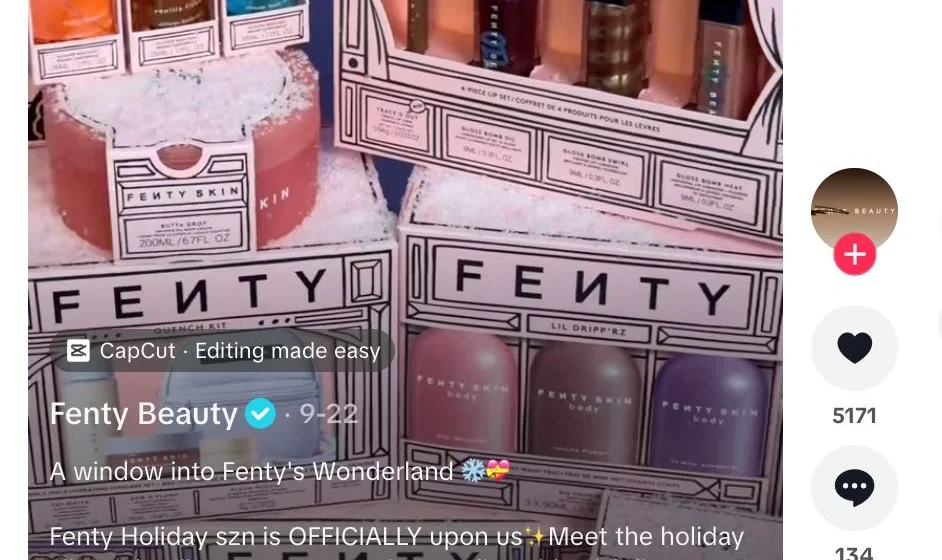
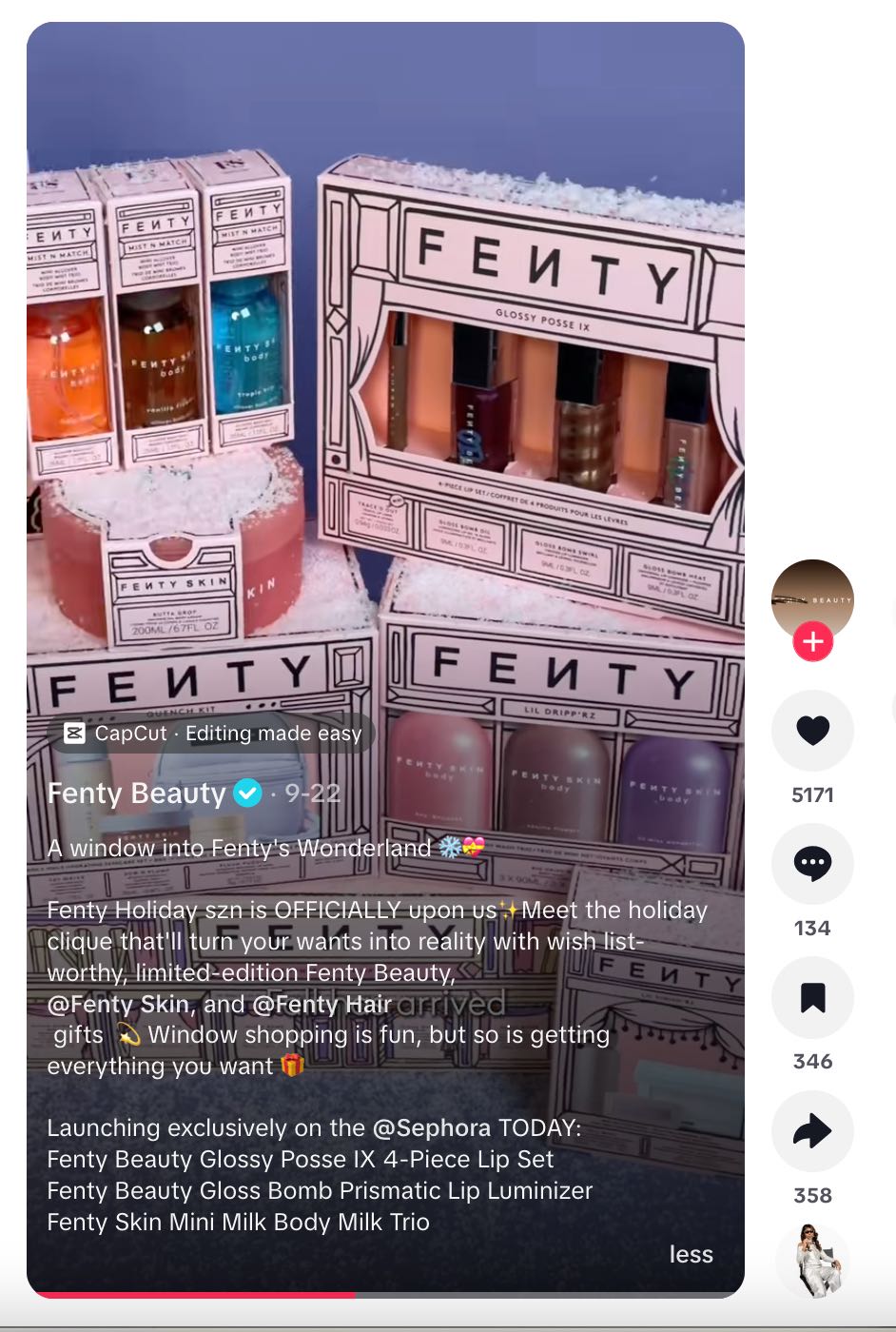
Brands like Fenty Beauty capitalized on this shift in September 2026 by dropping limited-edition holiday collections early to test consumer engagement and secure early-bird mindshare.
Phase 2: October and November (The Core Campaign Ramp-Up)
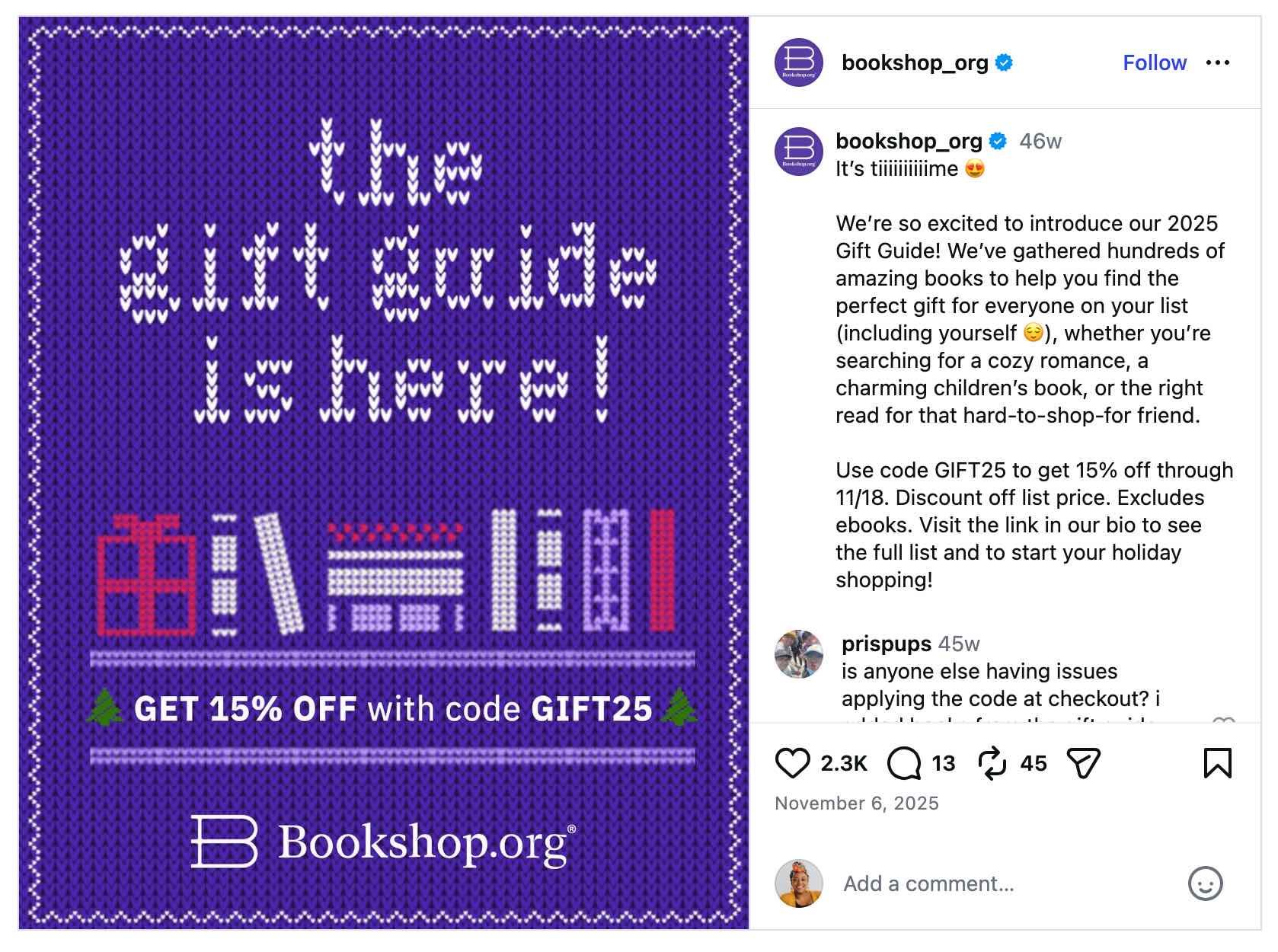
While consumers are receptive to August inspiration, 50% of shoppers still view October and November as the ideal window for formal holiday marketing campaigns to launch. During this period, successful brands transition from general awareness to targeted promotional content, organizing gift guides by price point, recipient, and interest to capture budget-conscious buyers.
Phase 3: December (The Urgency and Service Phase)
While only 12% of consumers believe brands should wait until December to begin marketing, this final month is defined by last-minute fulfillment, shipping inquiries, and intense customer service demands. Social inboxes and direct messaging channels experience peak traffic during this phase as shoppers seek immediate answers regarding inventory, sizing, and delivery timelines.
Supporting Data and Market Insights
The Sprout Social Q3 2026 Pulse Survey breaks down consumer sentiment across three critical pillars: campaign timing, price sensitivity, and channel preference.
1. The Timing Paradox: Early Inspiration vs. Heavy Messaging
Consumers exhibit a nuanced relationship with early holiday marketing. While nearly half appreciate early inspiration in August and September, they resist being bombarded with aggressive holiday-themed advertisements too soon.
- Preferred Launch Windows:
- August/September: 21%
- October/November: 50%
- December: 12%
- Strategic Takeaway: The "sweet spot" for marketers is to use late summer for subtle brand awareness and product teasers, reserving full-scale holiday campaigns for the autumn months.
2. Economic Pressures and Price Sensitivity
Economic anxieties are directly reshaping purchasing decisions in 2026.
- Budget Reductions: 56% of consumers plan to spend less this year. Only 30% intend to maintain or increase their spending.
- The Tariff Effect: 36% of shoppers are buying earlier explicitly to bypass anticipated tariff price increases, while another 27% express acute concern over rising costs even if they haven’t started shopping yet.
- What Drives Purchases: Because budgets are constrained, value must be explicit. Promo codes shared by brands or influencers stand as the top purchase driver at 30%, closely followed by brand posts demonstrating products in action (28%), original holiday content (26%), and peer recommendations (22%).
3. The Dominance of Social Discovery
Social media is no longer just a top-of-funnel branding tool; it is a primary shopping destination.
- Where Consumers Find Gifts: Social media and physical retail stores are tied at 46% as the primary sources for holiday gift discovery.
- Growing Reliance: Compared to the 2025 holiday season, 28% of consumers plan to use social platforms more frequently for gift discovery, while 50% expect their usage to remain steady.
Official Responses and Industry Perspectives
Retail analysts and brand strategists emphasize that the 2026 holiday landscape requires agility rather than rigid adherence to legacy playbooks.
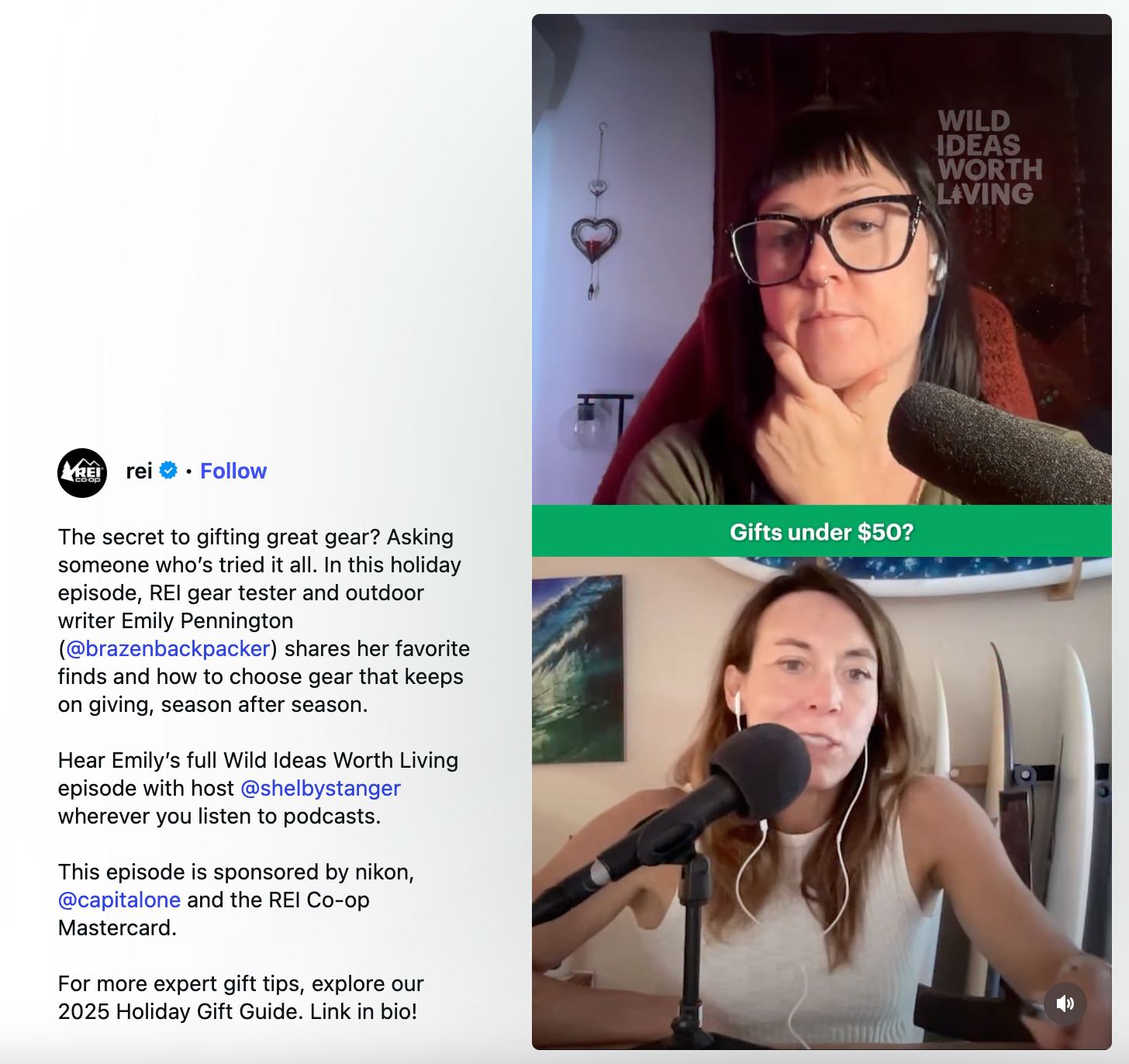
Industry experts note that price sensitivity does not automatically mean a race to the bottom. Instead, brands must articulate clear value propositions—highlighting product quality, durability, and versatility. Furthermore, brands utilizing tiered pricing strategies (such as REI’s curated gift guides featuring items under $50) are successfully capturing budget-conscious consumers without devaluing their core product lines.
On the customer service front, retail strategists stress that commerce and care have officially merged. With 27% of consumers planning to use social media more extensively for customer service inquiries compared to last year, brands are being forced to treat social inboxes as critical revenue-conversion tools rather than mere support desks.
Implications for Brands and Marketers
As organizations finalize their Q4 strategies for 2026, the data points to three absolute priorities for survival and growth:
- Stagger Your Campaign Timing: Do not hold all your holiday messaging until November. Leverage August and September to test creative assets, build early product awareness, and capture Gen Z and early-bird shoppers, then ramp up promotional depth in October.
- Lean into Social Commerce and Frictionless Checkout: With 57% of consumers willing to complete purchases directly within social apps, brands must audit their social checkout infrastructure. Ensure product catalogs are synced, inventory levels are accurate, and links are free of technical friction.
- Bridge the Gap Between Care and Commerce: Expect high volumes of customer inquiries across social channels throughout the entire fourth quarter—long before and long after Black Friday and Cyber Monday. Providing rapid responses to questions regarding shipping times, return policies, and stock availability will often be the deciding factor between a completed sale and an abandoned cart.
By aligning campaign timing with consumer patience, acknowledging economic pressures through transparent pricing and promotions, and meeting buyers directly where they discover and purchase products on social media, brands can successfully navigate the complexities of the 2026 holiday shopping season.
Related posts: