
Dress codes were designed to alleviate the pressure of event preparation, acting as a shorthand for the formality, setting, and emotional tenor of a celebration. Yet, for many, deciphering these sartorial cues can feel more like a riddle than a roadmap. As we move through 2026, the intersection of traditional etiquette and modern, individualistic style has evolved, requiring a more nuanced approach to how we dress for weddings, corporate galas, and social milestones.
Whether you are preparing for a destination wedding on a windswept beach, a high-stakes investor board meeting, or a festive holiday gala, understanding the underlying language of dress codes is essential. This guide serves as a comprehensive resource for decoding these expectations, ensuring you arrive not only appropriately dressed but feeling entirely confident in your choices.
The Evolution of the Modern Dress Code
At its core, a dress code is a set of social guidelines aimed at creating a cohesive atmosphere. When a host specifies an attire, they are inviting guests into the vision of their event. In 2026, we see a shift toward greater clarity; hosts are increasingly moving away from ambiguous terms in favor of descriptive, helpful language on digital invitations and event websites.

Despite this trend toward clarity, confusion remains. If an invitation arrives without a specified dress code, the most effective strategy is to analyze the "Four Pillars of Context": the venue, the time of day, the season, and the nature of the host’s relationship with the guest. An evening gala at a historic museum inherently demands a higher level of formality than an afternoon birthday celebration in a backyard.
A Hierarchy of Formality: From Casual to White Tie
1. Casual to Dressy Casual
These categories prioritize comfort without sacrificing a sense of intention.
- Casual: The most relaxed tier, ideal for backyard gatherings or informal birthdays. For women, this includes mid-wash denim, knit tops, or midi dresses paired with clean sneakers or loafers. Men might opt for chinos, a polo shirt, or a high-quality sweater.
- Smart/Dressy Casual: A slight elevation. This is the go-to for rehearsal dinners and social work events. The goal here is "polished comfort." Think tailored trousers paired with a blouse for women, or dark denim and a blazer for men.
2. Business Professionalism: Business Casual vs. Business Formal
Professional settings demand a balance between individual personality and corporate decorum.
- Business Casual: The standard for internal meetings, conferences, and networking breakfasts. It allows for a relaxed professional look—blazers, tailored slacks, and button-downs. Ties are optional but can be a useful tool for those looking to project extra authority.
- Business Formal: Reserved for high-level events such as investor presentations or awards ceremonies. Here, the look is structured: dark, neutral suits for all genders, crisp button-down shirts, and conservative accessories. The focus is on looking composed and authoritative.
3. The Evening Standards: Semi-Formal and Cocktail
These are the most common dress codes for weddings and evening celebrations.
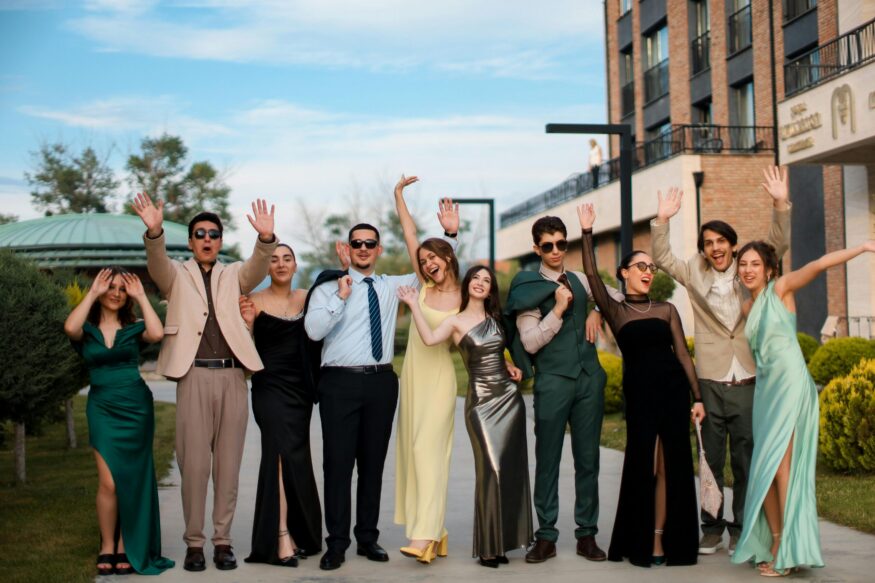
- Semi-Formal: A bridge between dressy casual and formal. It is polished and celebratory. Women might choose a jumpsuit or a midi dress, while men should reach for a dark suit, leather dress shoes, and an optional tie.
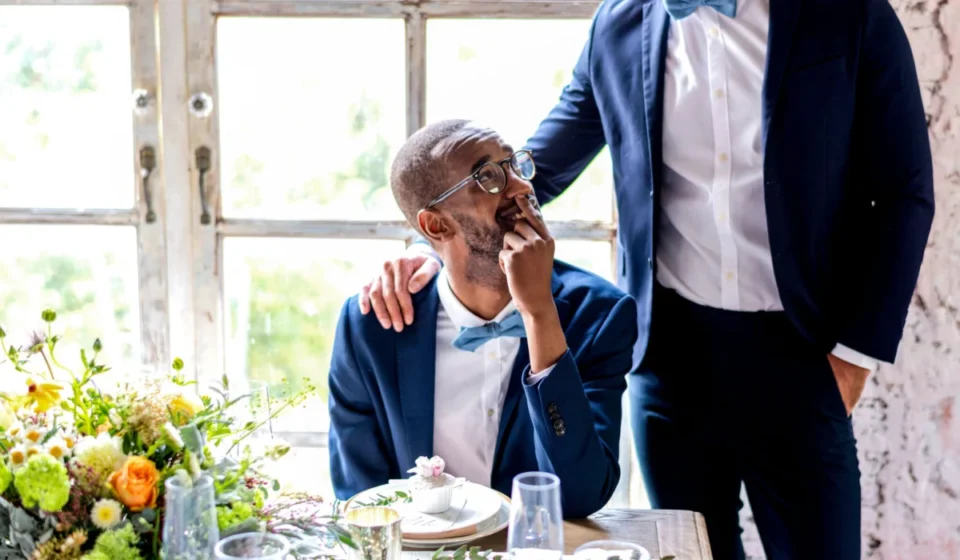
- Cocktail Attire: Defined by a festive, evening-focused aesthetic. It is the perfect venue for experimenting with texture—velvet, metallic, or chiffon. Men should stick to a sharp navy or charcoal suit with a tie or bow tie.
4. The Pinnacle: Black Tie and White Tie
These categories are reserved for the most formal milestones.
- Black Tie: The gold standard for formal evening events. For men, this necessitates a tuxedo with satin lapels and a black bow tie. For women, floor-length gowns are traditional, though elegant evening separates are becoming increasingly accepted.
- Black Tie Optional: A courtesy to guests who may not own a tuxedo. A dark, formal suit is perfectly acceptable here, though tuxedos are encouraged if available.
- White Tie: Extremely rare, reserved for state dinners and royal balls. It requires specific traditional wear: a black tailcoat, wing-collar shirt, and white pique waistcoat for men; a formal ball gown for women.
The Rise of Thematic and Seasonal Codes
Modern hosts are embracing creative freedom, often incorporating themes like "Garden Party," "Roaring ’20s," or "Festive." When faced with a thematic code, the key is to embrace the spirit of the event without resorting to a full costume. A subtle accessory—a velvet bow tie for a 1920s theme or floral patterns for a garden party—is often more effective than a literal interpretation.

Similarly, "Beach Formal" or "Resort Formal" is a response to the popularity of destination weddings. These codes allow for breathable fabrics like linen and lighter wools while maintaining a dressy silhouette. A crucial tip for outdoor events: consider the terrain. If the invitation mentions a lawn or sand, prioritize block heels or wedges over stilettos to ensure stability and comfort throughout the event.
Strategic Communication: Advice for Hosts
For those hosting an event, the way you communicate your dress code can significantly impact the comfort of your guests. Clear language is a kindness. Instead of simply writing "Cocktail Attire," add a brief, helpful explanation: "Cocktail attire: Dresses, jumpsuits, suits, and dressy separates are welcome."
For destination or outdoor events, providing a "pro-tip" can save your guests from a fashion faux pas. For example: "Our ceremony takes place on a grassy slope, so we recommend block heels or flats." By utilizing digital invitation platforms, you can link to an FAQ page where these details can be expanded upon, including suggestions for weather-appropriate footwear or layers for cooler evening temperatures.

Addressing Common Concerns and Etiquette
As dress codes evolve, questions regarding personal circumstances are inevitable.
- Can I wear jeans to a Smart Casual event? Yes, provided they are dark, non-distressed, and paired with elevated items like a blazer or silk blouse. However, always skip denim for formal ceremonies or funerals unless explicitly permitted.
- What if I don’t own a tuxedo for a Black Tie event? If it is "Black Tie Optional," a well-tailored dark suit is appropriate. If it is strictly "Black Tie," renting a tuxedo is the most respectful choice.
- How do I balance cultural traditions with Western dress codes? Cultural, religious, or traditional garments are almost always welcome and are often considered a respectful addition to any dress code. If you are uncertain about how a traditional piece fits into a specific formality level, a quick, polite inquiry to the host is standard and appreciated.
- What if I need to deviate for health or comfort? Your physical comfort, mobility, and health needs always take precedence. If you need to wear medical footwear or adapt an outfit due to pregnancy or disability, you are well within your rights to prioritize your well-being. A brief, polite note to the host ensures they understand your situation while demonstrating your respect for their event.
The Implications of Professionalism and Personality
Ultimately, the goal of any dress code is not to restrict individual expression, but to minimize social anxiety. When everyone arrives with a shared understanding of the event’s tone, the focus shifts from self-consciousness to connection.
In 2026, the etiquette of dressing is shifting toward a philosophy of "respectful participation." By taking the time to understand the expectations of the host and considering the logistical reality of the venue, guests can navigate any social landscape with grace. Whether you are leaning into the strict formality of a white-tie event or the relaxed elegance of a resort-style wedding, the most important accessory you can wear is confidence. When you feel prepared and appropriately dressed, you are free to engage fully in the celebration at hand, making memories that far outlast the clothes you wore to create them.