Navigating the Pump-to-Store Gap: How Convenience Retailers Can Retain Customers Amidst Economic Uncertainty

As fuel prices remain persistently high, the convenience store industry is facing a unique psychological hurdle. For years, the fuel island served as the primary lure for foot traffic, but in the current economic climate, the "sticker shock" experienced at the pump is bleeding into the store’s interior. Consumers, burdened by inflation across all household sectors, are becoming increasingly guarded with their discretionary spending. For convenience store operators, the challenge is clear: how do you prevent the frustration of a high fuel bill from souring the in-store experience?
According to recent data from Reach3 Insights, the vast majority of American consumers are not just concerned about inflation—they are actively altering their fundamental behaviors. With 97% of respondents expressing anxiety over rising gas prices, the modern consumer is now a more deliberate, cautious shopper. To survive this period, retailers must pivot from passive operation to active, strategic engagement.
Main Facts: The Psychology of the "Sting"
The core issue facing the convenience sector is a shift in consumer mindset. When a driver finishes fueling their vehicle and pays a premium price, they enter the store already in a defensive financial posture. They are looking for reasons to justify spending more money, rather than reasons to indulge.
The data confirms that the pain is pervasive. Beyond fuel, 66% of consumers report that rising grocery costs are their primary financial burden, followed by energy bills, dining out, and transportation. This cumulative pressure has resulted in a significant shift in lifestyle: 65% of Americans are cutting nonessential trips, 61% are driving less, and 57% are planning their errands with unprecedented precision. The convenience retailer is no longer just selling gasoline or snacks; they are competing for a dwindling share of the consumer’s "extra" dollars.
Chronology of the Economic Shift
To understand how to react, retailers must understand the timeline of the current consumer malaise:
- The Initial Spike: Rising energy costs initially impacted fuel prices, creating an immediate, visible point of friction for consumers.
- The Ripple Effect: As inflation hit grocery stores and utility providers, the average household began to view all expenditures—including the morning coffee or the midday snack—as potential areas for "belt-tightening."
- The Behavioral Pivot: Over the last several quarters, this has transitioned into a permanent change in habit. Consumers are no longer waiting for prices to drop; they are actively avoiding "luxury" convenience visits in favor of home-based planning.
- The Current Imperative: Retailers are now at a crossroads. The stores that ignore the change in consumer sentiment risk becoming an afterthought, while those that proactively address the pain at the pump are seeing retention rates stabilize.
Supporting Data: The Consumer Landscape
The Reach3 Insights report provides a clear roadmap of consumer sentiment that retailers can no longer afford to ignore.
Consumer Response to Rising Costs
| Category of Concern | Percentage Affected |
|---|---|
| Rising Gas Prices | 97% |
| Grocery Costs | 66% |
| Energy/Utilities | 39% |
| Dining Out | 38% |
| Transportation | 38% |
This data illustrates that the consumer is "price-aware" at every turn. When 57% of your customer base is intentionally planning their errands to be more efficient, the "impulse buy" culture of the convenience store is under direct threat. Operators who fail to recognize this shift—by maintaining standard pricing and failing to communicate value—are essentially signaling to their customers that their financial stress is irrelevant.
Strategic Responses: Three Pillars for Retailers
Elie Y. Katz, CEO and President of National Retail Solutions (NRS), argues that retailers must move beyond blanket price cuts, which only serve to erode profit margins without building long-term loyalty. Instead, he suggests three actionable moves.
1. Rebuild and Broadcast the Value Tier
Every convenience store maintains a specific set of "anchor" items—low-cost goods like fountain drinks, breakfast sandwich combos, or snack packs under $2. These items act as a psychological "value signal." When a customer sees that these items are still affordable, the entire store is perceived as being "on their side."
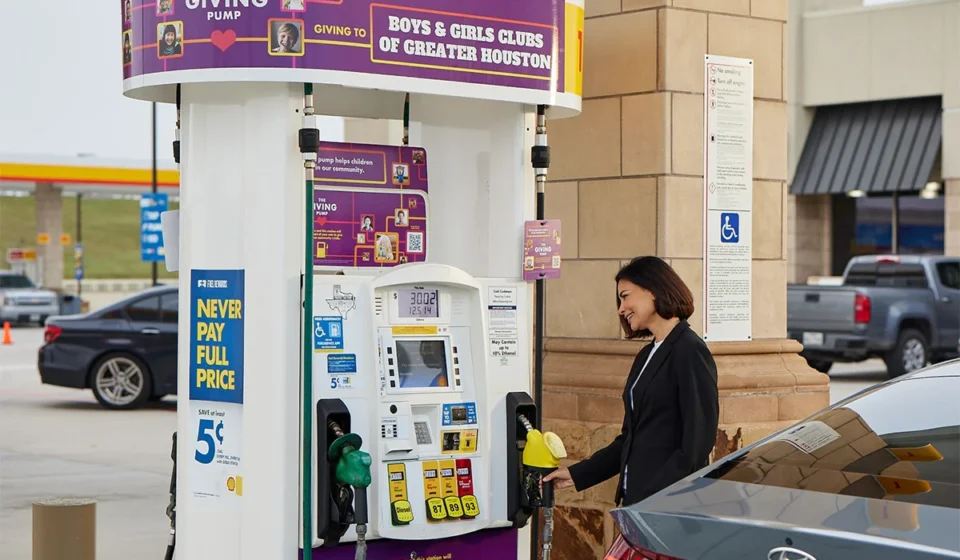
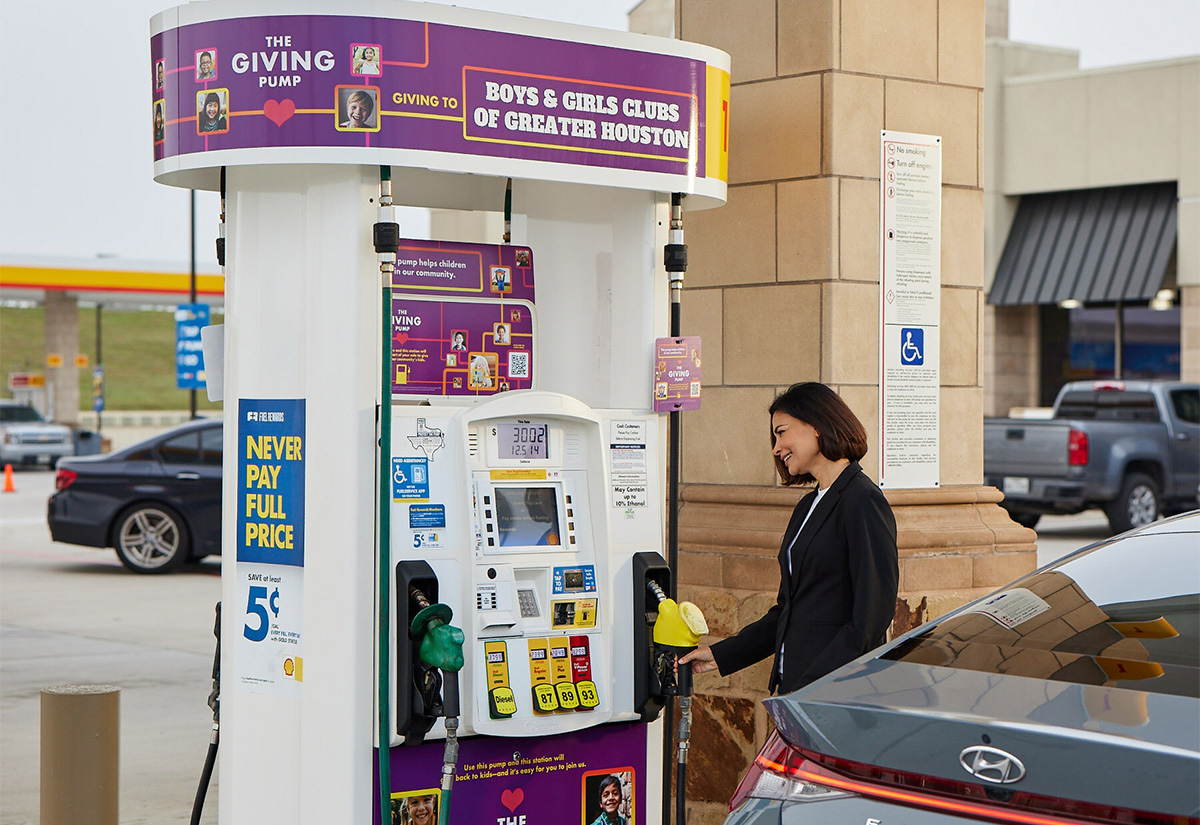
However, having these items is insufficient; they must be marketed aggressively. Retailers should utilize endcap signage, register promotions, and even pump-top advertising to highlight these deals. By making the value tier visible before the customer even crosses the threshold, the retailer resets the consumer’s expectation from "I’m about to be ripped off" to "This store respects my budget."
2. The Power of Bundling Over Discounting
Straight price cuts are a race to the bottom that rarely creates lasting brand affinity. Bundling, conversely, preserves per-unit margins while increasing the total "basket size."
By pairing a fountain drink with a snack at a set price, the retailer provides a "win" for the customer while maintaining the desired margin. Furthermore, these bundles can be used to bridge the gap between the fuel island and the store. A "fill up and fuel up" promotion—which links a car wash or a specific snack to a minimum fuel purchase—is a proven method for nudging the customer to walk into the store rather than driving away. The key is for foodservice and center-store merchandising teams to break out of their silos and collaborate on these bundles.
3. Leveraging Loyalty Programs
If a store is not using its loyalty platform to its full potential, it is leaving revenue on the table. In a high-inflation environment, a loyalty program is the ultimate "price-softener."
When a customer earns points or receives a personalized discount via an app, they feel a sense of agency over their spending. It changes the narrative from "prices are high" to "I am earning rewards." Furthermore, loyalty data allows for granular targeting. Instead of offering a discount to every customer, retailers can reach out specifically to their most price-sensitive segments with offers that keep them returning, thereby protecting the overall business model from the dangers of universal discounting.
Implications: The Road Ahead
The path forward for the convenience industry is not one of panic. Slashed prices across the board will only lead to financial instability for the operator. Instead, the retailers that succeed will be those that exercise "intention."
The Psychological Association
The most critical implication is the customer’s association with the brand. When a customer feels the "pain of the pump," they are subconsciously deciding which businesses understand their plight and which are indifferent to it. If a retailer ignores the broader economic environment, they risk becoming a "last resort" destination. If they acknowledge it through smart, visible value, they become a partner in the customer’s daily routine.
The Role of Data
The future of the convenience store lies in the intelligent use of existing data. Retailers are sitting on a goldmine of information regarding buying habits, yet many fail to use this data to inform their promotional strategies. The next few quarters will separate the operators who use their loyalty platforms to build relationships from those who use them as glorified mailing lists.
A Call for Strategic Agility
High gas prices are a macro-economic trend that individual retailers cannot control. However, the store-level response is entirely within their power. By integrating the pump-side experience with the in-store value proposition, operators can maintain their customer base and protect their margins.
As Elie Y. Katz emphasizes, the retailers who emerge from this period successfully will be the ones who didn’t simply wait for the economy to correct itself. They will be the ones who communicated value clearly, bundled products effectively, and leveraged data to personalize the customer experience. The goal is to move the customer from a mindset of "survival" to one of "continued loyalty," ensuring that even when wallets are thin, the local convenience store remains a trusted, necessary, and welcome stop in their daily journey.