
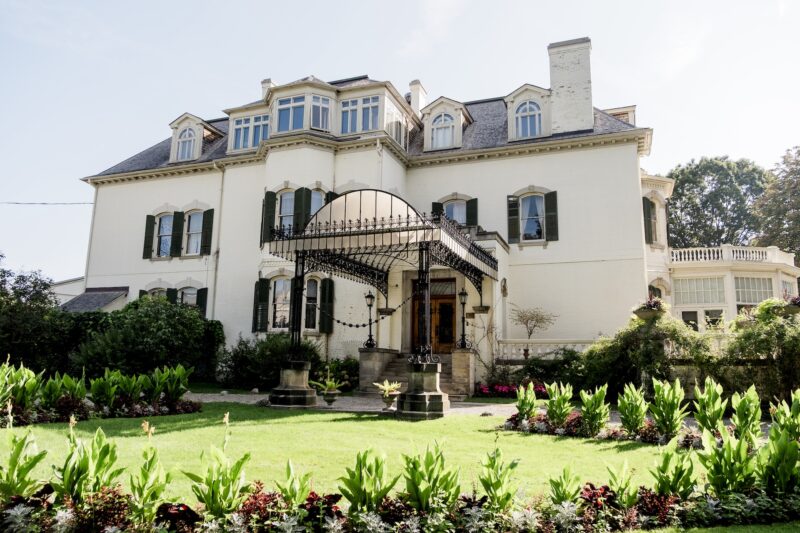
In the quiet, wood-paneled corridors of Toronto’s Spadina Museum—a grand 1866 mansion that serves as a time capsule of Canadian domestic history—a new, shimmering dialogue is unfolding. Interdisciplinary artist Ry Van Der Hout has transformed this historic site into a sanctuary of reflection and re-evaluation with their latest exhibition, In Broken Light. Running through October 18, the exhibition is not merely a display of art; it is a site-specific intervention that uses the physics of light and the fragility of glass to interrogate the ghosts, secrets, and forgotten narratives buried within the walls of the estate.
Main Facts: The Architecture of Memory
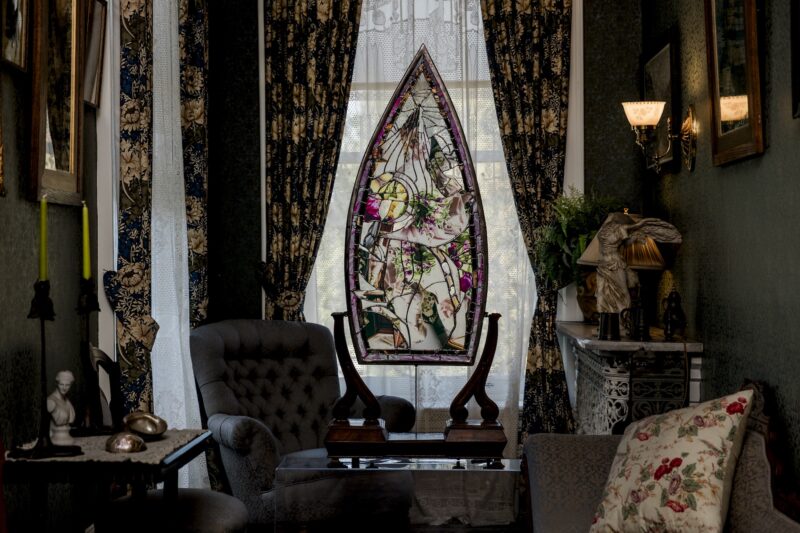
At its core, In Broken Light functions as a bridge between the rigid, aristocratic history of the Spadina Museum and the fluid, contemporary reality of the artist’s own queer identity. Van Der Hout employs a signature technique: the intentional shattering of mirrored and photographic glass, which is then painstakingly reconstructed using traditional Tiffany stained-glass methods.
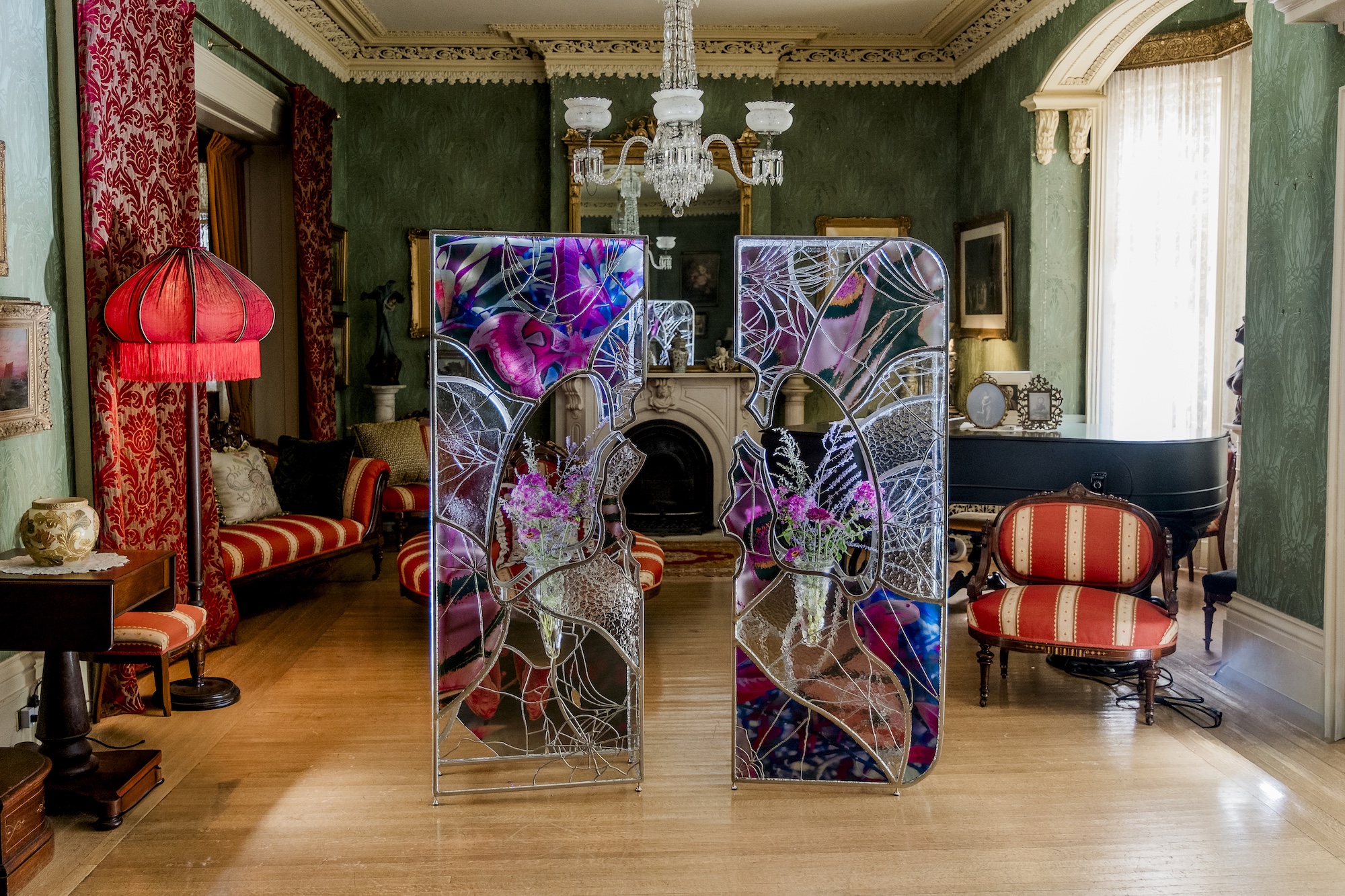
The result is a collection of five major sculptural interventions dispersed across the four stories of the mansion. By integrating photography, reclaimed materials, and light-manipulation, Van Der Hout compels visitors to look at the Spadina Museum not as a stagnant monument to the past, but as a living organism capable of holding multiple, often contradictory, truths. The exhibition asks a poignant question: what happens when we stop trying to preserve history in amber and instead allow it to fracture, reorganize, and reflect the present?
Chronology: A Trajectory of Transformation
The development of In Broken Light was a process of deep archival research and spatial dialogue. The project began long before the August 26 opening, characterized by months of immersion in the museum’s history.
- The Research Phase: Van Der Hout spent extensive time in conversation with spiritual leaders, historians, the museum’s dedicated conservation team, and the descendants of the families who once called the mansion home. These discussions unearthed narratives of forbidden love, terminal illness, and the unspoken domestic lives of staff—stories that were often relegated to the margins of official museum records.
- The Artistic Genesis: The physical creation of the works involved a serendipitous discovery. For the piece titled Tiber, Van Der Hout stumbled upon an antique dressing-table mirror holder in a studio dumpster. This discarded object became the frame for a stained-glass portrait of a current museum interpreter, bridging the gap between the mansion’s past residents and those who steward its memory today.
- Installation (August 2026): The staging process was designed to be as delicate as the medium itself. Each sculpture was placed to interact with the natural light of the mansion, ensuring that the "broken light" of the title is a literal experience for the viewer, as the sun travels across the house’s historic windows throughout the day.
- Public Opening (August 26 – October 18): Since its debut, the exhibition has invited visitors to traverse the basement, the living quarters, and the sunlit third-floor dome, effectively forcing a physical and emotional journey through the house’s layers of time.
Supporting Data: Materiality and Metaphor
The technical precision behind In Broken Light is essential to its thematic resonance. The artist’s process is a deliberate act of violence followed by an act of healing. By shattering the mirror, Van Der Hout disrupts the "perfect" reflection of a historical home, creating "apertures"—gaps through which the viewer can glimpse things that have been overlooked.
The Installations
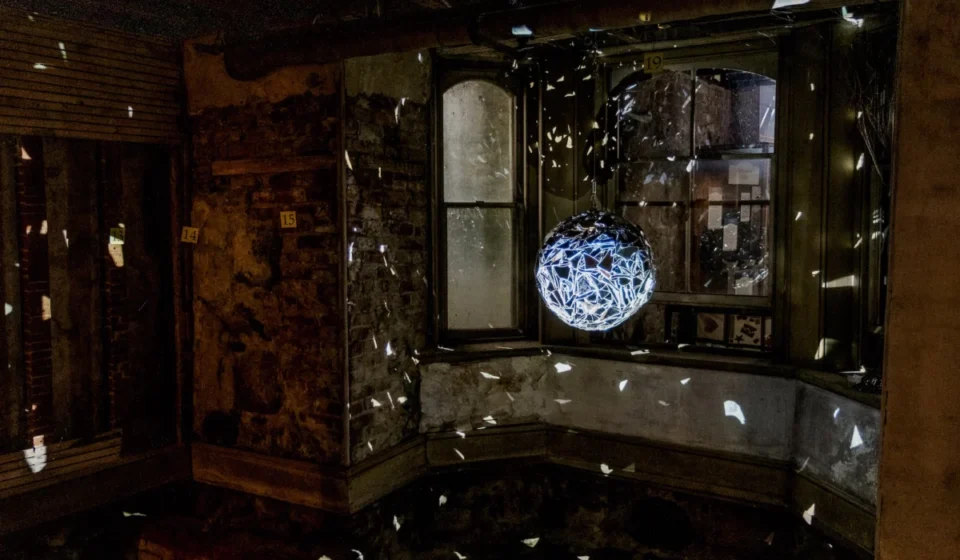
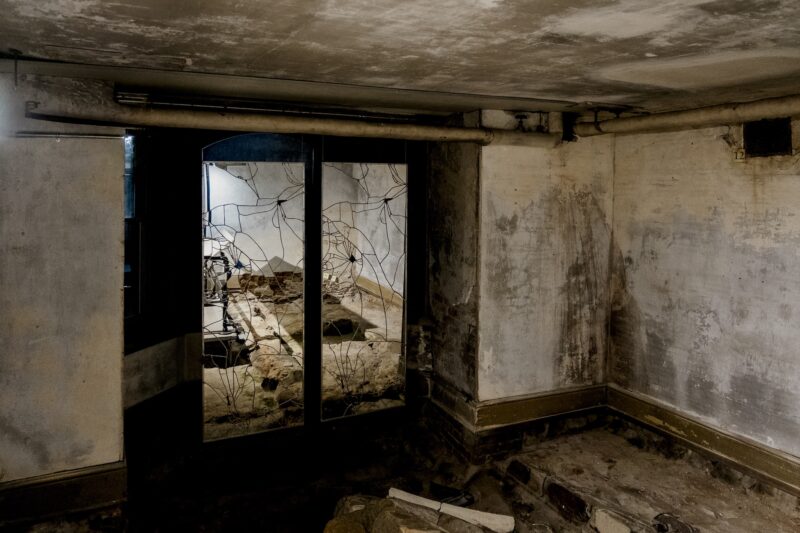
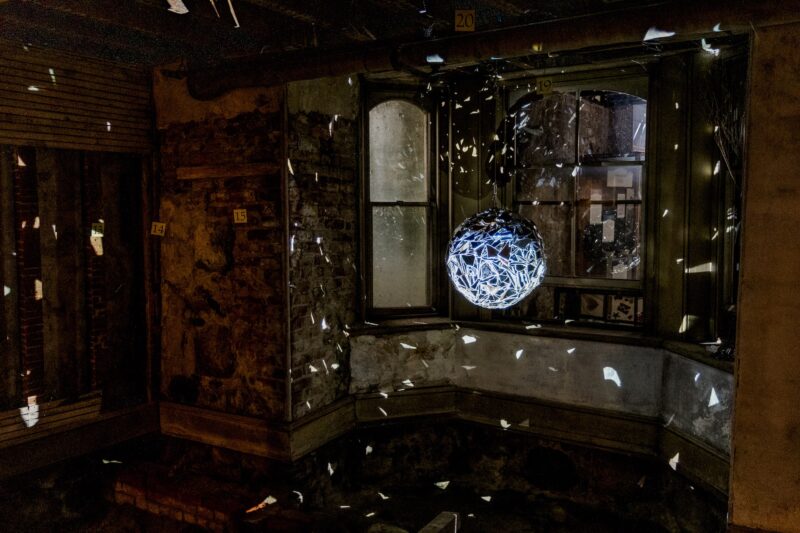
- The Basement Archaeological Site: Here, a fractured disco ball rotates, casting a chaotic, mosaic-like array of light onto the stone walls. Accompanied by a NASA-produced audio track, the piece feels like a cosmic interference in the subterranean history of the house, grounding the celestial in the mundane foundation of the museum.
- Tiber: Located in the upper reaches of the house, this piece utilizes the found mirror frame to hold a shattered, reassembled portrait. It serves as a totem for the act of historical interpretation, suggesting that we are all merely shards of the people who came before us.
- Orpheus Twice: This installation plays with the liminal spaces of the museum, using shattered glass doorways to invite viewers into a space of transition. It evokes the mythological tragedy of Orpheus—looking back, only to find that the object of one’s desire is already changing form.
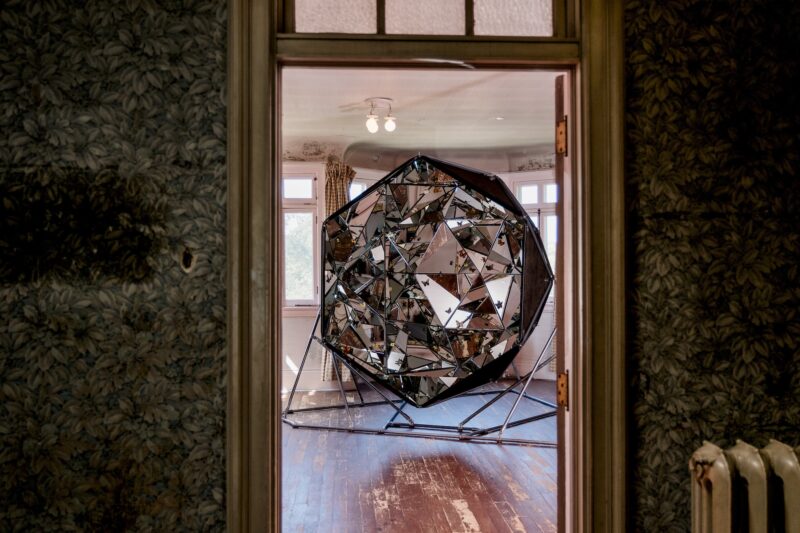
- Open Wing Death: Occupying the third-floor geodesic dome, this 12-foot structure is the exhibition’s centerpiece. Originally added in 1913 as a sunroom for a tuberculosis patient, the space was later relegated to the domestic staff. Van Der Hout’s dedication of this massive, mirrored ovoid to the household help is a profound reclamation of space. It forces the viewer to confront their own distorted reflection in the facets of the dome, creating a moment of "stranger-in-the-mirror" phenomenology.
Official Perspectives: The Curator’s Vision
Adrien Sun Hall, the curator of In Broken Light, views the exhibition as a critical intervention in museology. "At the heart of In Broken Light is the understanding that shattering isn’t the end of a story—it’s the beginning of a new narrative," Hall explains.
The curatorial intent was to move beyond the aesthetic. By working with Van Der Hout, the museum sought to highlight the concept of "queer becoming." In this framework, the fractures in the glass are not flaws; they are the necessary sites of transformation. "These intricately mended surfaces," Hall notes, "become metaphors for queer becoming and personal transformation. The fractures become apertures through which overlooked histories emerge, transforming the sculptures into contemporary reliquaries for lives remembered and forgotten."
Van Der Hout adds a personal dimension to this perspective, describing the feeling of being guided by the objects themselves. When discussing the serendipitous discovery of materials for the exhibition, the artist notes, "It felt like I got pulled into this story of an object guiding you to tell you that you are in the right place."
Implications: The Future of Site-Specific Art
The success of In Broken Light suggests a shift in how historic house museums can engage with the public. By allowing an artist to "break" the conventional sanctity of the museum space, the Spadina Museum has opened itself to a more honest, multifaceted history.
The Societal Impact
The exhibition challenges the notion of the "pristine" museum. By inviting the audience to see themselves reflected in broken, reassembled glass, Van Der Hout forces a reconciliation between the visitor and the history they are consuming. We are no longer passive observers looking at furniture behind ropes; we are participants in a cycle of memory.
The Artistic Legacy
Van Der Hout’s use of Tiffany-style soldering to mend broken mirrors is a commentary on the endurance of the queer experience. It suggests that while the structures of society—and even the structures of our personal lives—may undergo traumatic breaking, there is a possibility for a new, stronger, and more luminous whole to be constructed from the pieces.
As the exhibition prepares to conclude on October 18, its impact remains in the way it has altered the "reading" of the Spadina Museum. Visitors who walk through these rooms will no longer see just a 19th-century mansion; they will see the fissures in the walls, the light caught in the dust, and the persistent, beautiful evidence of lives that refused to be erased.
In a city that is rapidly changing and often erasing its own history, In Broken Light serves as a necessary reminder: history is not a static object to be guarded. It is a fragile, reflective surface that we are constantly in the process of breaking, mending, and, ultimately, defining for ourselves. Through this exhibition, Ry Van Der Hout has not only honored the ghosts of Spadina; they have given the living a new way to see the light.