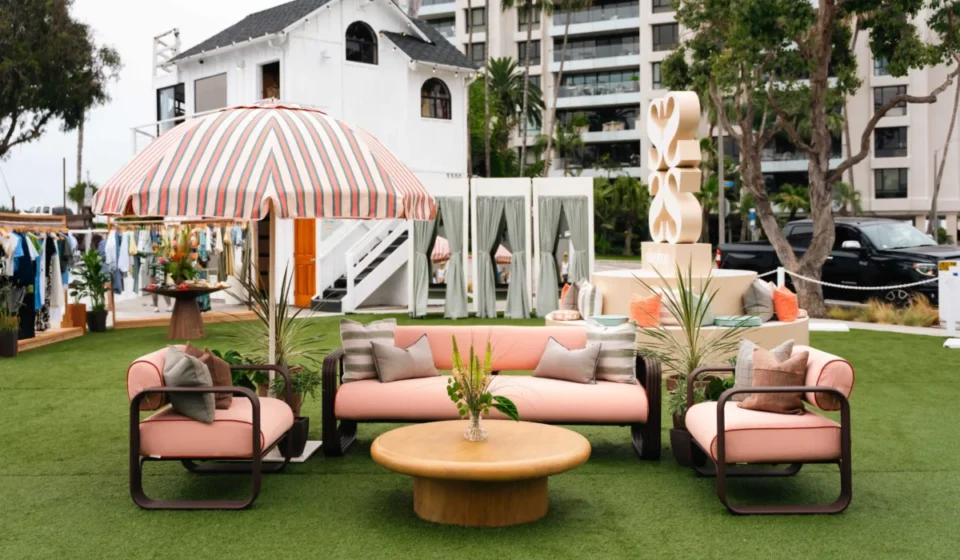

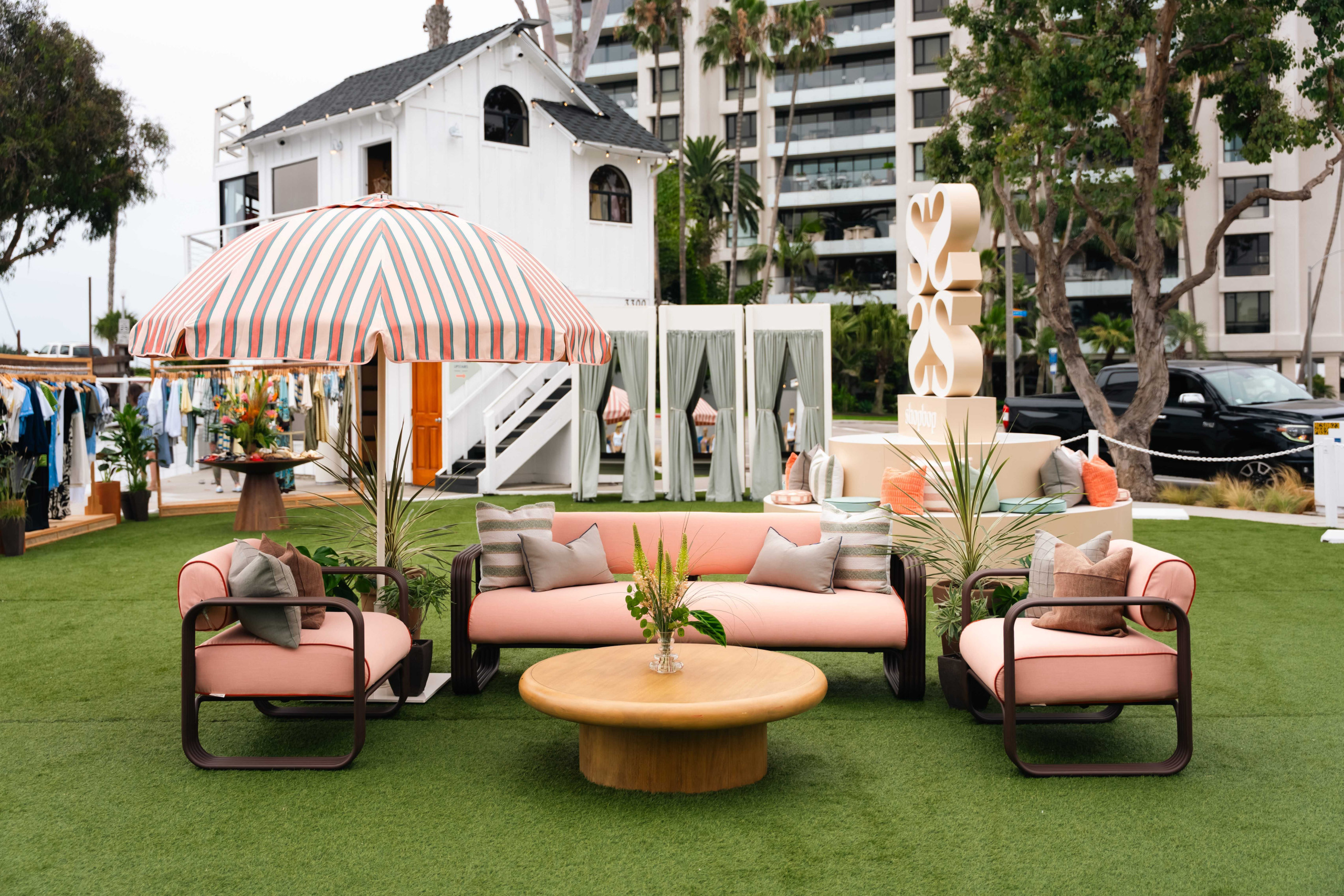
In an era where the digital marketplace dictates the rhythm of global commerce, the intersection of e-commerce and physical retail has become the ultimate frontier for brand engagement. This week, Shopbop—the titan of curated contemporary and designer fashion—has stepped out from behind the screen and into the sun-drenched atmosphere of Newport Beach, California. By launching an exclusive four-day pop-up at The Shore at Lido Marina Village, the retailer is not merely selling garments; it is curating an immersive lifestyle experience designed to bridge the gap between online convenience and tangible luxury.
The Main Event: Shopbop’s Physical Manifestation
From June 4 through June 7, the tranquil, upscale environment of Lido Marina Village serves as the backdrop for a meticulously crafted shopping destination. This temporary retail space represents a strategic departure from Shopbop’s standard business model, which relies on the vast, borderless reach of its website. Instead, the company has opted for a localized, high-touch approach that emphasizes the tactile nature of its inventory.
The selection available at the pop-up is a tightly edited reflection of the brand’s broader digital catalog. Patrons can browse a roster of labels that range from industry staples to contemporary trendsetters. The brand mix includes heavy hitters like Stella McCartney and Christopher Esber, alongside highly coveted labels such as Reformation, MOTHER, DL1961, and Faherty. This curated selection speaks to a specific demographic—the modern, affluent consumer who values sustainability, coastal chic, and the "it-girl" aesthetic that Shopbop has championed for years.
Chronology: A Weekend of Engagement
The pop-up is structured as a progressive event, designed to drive foot traffic throughout the four-day activation. By integrating interactive elements, Shopbop is incentivizing physical presence, turning a standard shopping trip into an experiential narrative.
- June 4 (Opening Day): The doors opened to the public, marking the official arrival of the brand’s physical presence in Newport. The focus was on initial brand immersion and setting the tone for the seaside aesthetic.
- June 5 (Friday): The event shifted gears to emphasize personalization. From 10 a.m. to 6 p.m., the retailer offered complimentary customization services for shoppers who purchased an Alex Mill tote. This initiative, available while supplies last, underscored the brand’s commitment to unique, one-of-a-kind consumer experiences.
- June 6 (Saturday): The activation entered its peak weekend phase, focusing on community and DIY culture. Guests were invited to participate in a free screen-printing event with any purchase from the Madewell collection.
- June 7 (Sunday): The final day of the residency concludes the weekend, offering a last chance for Southern California locals and visitors alike to engage with the brand before it retreats back to its digital home.
Supporting Data: The Strategic Value of the "Pop-Up"
Why would a digital powerhouse invest in a physical pop-up? The answer lies in the evolving data surrounding customer acquisition and brand loyalty. According to recent retail analytics, pop-up shops—or "temporary retail"—have become a critical tool for digital-first brands to build "social proof."
By establishing a physical footprint at a location as prestigious as The Shore at Lido Marina Village, Shopbop is tapping into the high-net-worth demographic that frequents the coastal shopping center. Unlike an algorithm-driven recommendation, the physical store allows the consumer to touch the fabric, experience the drape of a Christopher Esber gown, or feel the quality of denim from MOTHER or DL1961.
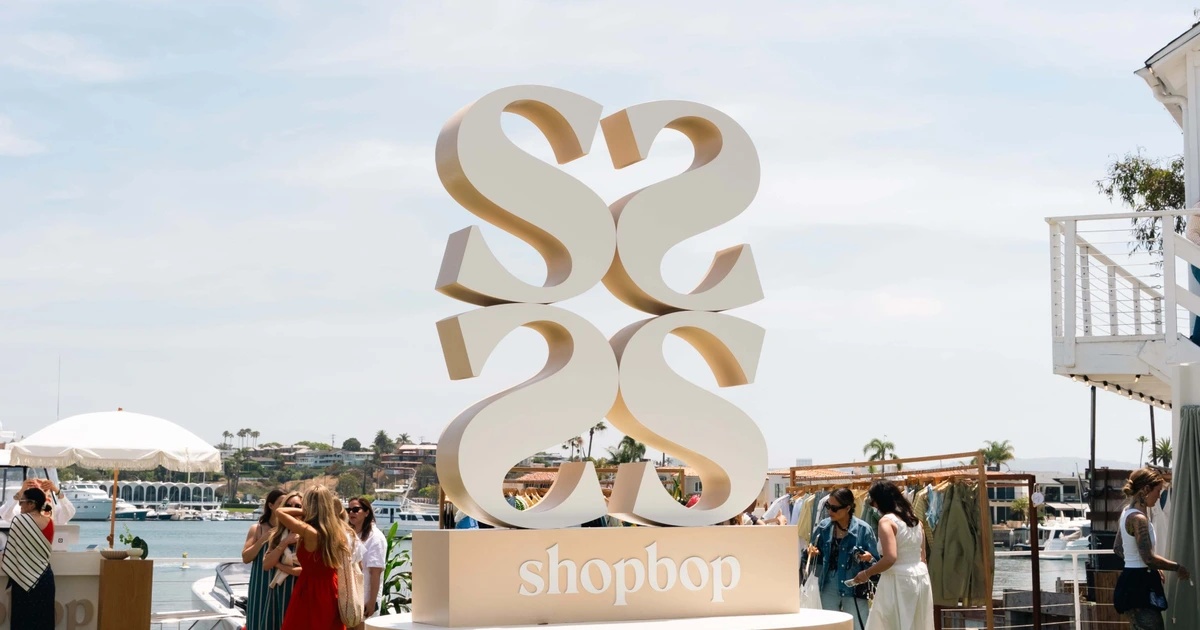
Furthermore, the integration of customization services—like the Alex Mill tote personalization—serves a dual purpose. It provides immediate value to the customer while creating "Instagrammable" moments that generate organic social media impressions. In the current retail climate, these user-generated content pieces are far more valuable than traditional paid advertising, as they provide authentic validation from the brand’s target audience.
Official Responses and Brand Strategy
While specific corporate figures were not provided, the design and execution of the event suggest a calculated alignment with Shopbop’s overarching mission. In industry circles, this move is viewed as an extension of the "Shopbop at Home" philosophy—the idea that the retailer is a personal stylist, a trusted friend who curates the best the fashion world has to offer.
By bringing these specific labels—Another Tomorrow, Cleobella, Hijas de Puka, DONNI., ceremonia, and Françoise—into a shared physical space, Shopbop is reinforcing its position as a tastemaker. Each brand featured in the pop-up occupies a specific niche, from Françoise’s architectural silhouettes to the relaxed, bohemian elegance of Cleobella. By grouping them, Shopbop reinforces the "total look" concept, enabling shoppers to build a cohesive wardrobe under the guidance of the brand’s expert buyers.
Implications for the Future of E-Commerce
The success of the Newport pop-up serves as a bellwether for the future of luxury retail. We are seeing a definitive shift toward "phygital" retail—a hybrid model where digital platforms provide the accessibility and logistics, while physical spaces provide the emotional connection and experiential value.
The Death of the "Pure Play" Model
For years, the "pure play" e-commerce model was seen as the end-all-be-all of retail efficiency. However, the costs of customer acquisition (CAC) through digital ads have skyrocketed. Physical activations like the one at Lido Marina Village allow brands to acquire customers in a way that is less reliant on digital bidding wars. When a customer walks into a pop-up, the brand has their full attention. The distraction of competing tabs and infinite scrolls is removed, replaced by a curated, focused environment.
Community-Centric Retail
The inclusion of screen-printing and customization workshops is not merely an afterthought; it is a fundamental shift in how retailers view their consumers. Modern shoppers, particularly Millennials and Gen Z, crave co-creation. They want to be part of the product’s journey. By offering screen-printing on Madewell products, Shopbop is inviting the customer to be a co-designer, fostering a sense of ownership that a standard online purchase simply cannot replicate.
The "Third Place" Concept
Finally, the choice of The Shore at Lido Marina Village is deliberate. It is a "third place"—a social environment separate from the home and the office. By positioning itself in a lifestyle-oriented destination, Shopbop is associating its brand with leisure, relaxation, and high-end living. The shopper isn’t just buying clothes; they are buying into the Shopbop lifestyle.
Conclusion: A Blueprint for Brand Engagement
As the final day of the Newport pop-up approaches, the implications for the broader fashion industry are clear. The digital marketplace remains the engine of commerce, but the physical world is where brand equity is forged. Shopbop’s ability to translate its digital curation into a compelling, four-day seaside event demonstrates a sophisticated understanding of the modern consumer’s psyche.
For those who missed the event, the takeaway remains: the future of fashion is not choosing between online and offline, but mastering the seamless integration of both. As Shopbop continues to evolve, we can expect to see more of these tactical, high-end, and hyper-local engagements. The screen may be where we start our shopping journey, but the experience—the touch, the feel, and the community—is what will ultimately define the retail leaders of tomorrow.
Whether it is the screen-printed Madewell tees or the personalized totes, these small, tangible tokens of the event will likely outlive the four-day timeline, serving as a reminder that Shopbop is not just a website—it is a destination.