The “Silly Goofy Cutie” Manifesto: How Molly and Vignesh Redefined the Modern Wedding

In an era where the wedding industry often feels tethered to rigid traditions and high-pressure expectations, Molly and Vignesh have emerged as a refreshing counter-narrative. Following their traditional, formal Hindu wedding in Chennai in November 2024, the couple sought a diametrically opposed experience for their American celebration. The result was an event defined not by etiquette, but by unadulterated joy, whimsy, and the self-proclaimed theme of “silly goofy cutie guys.”
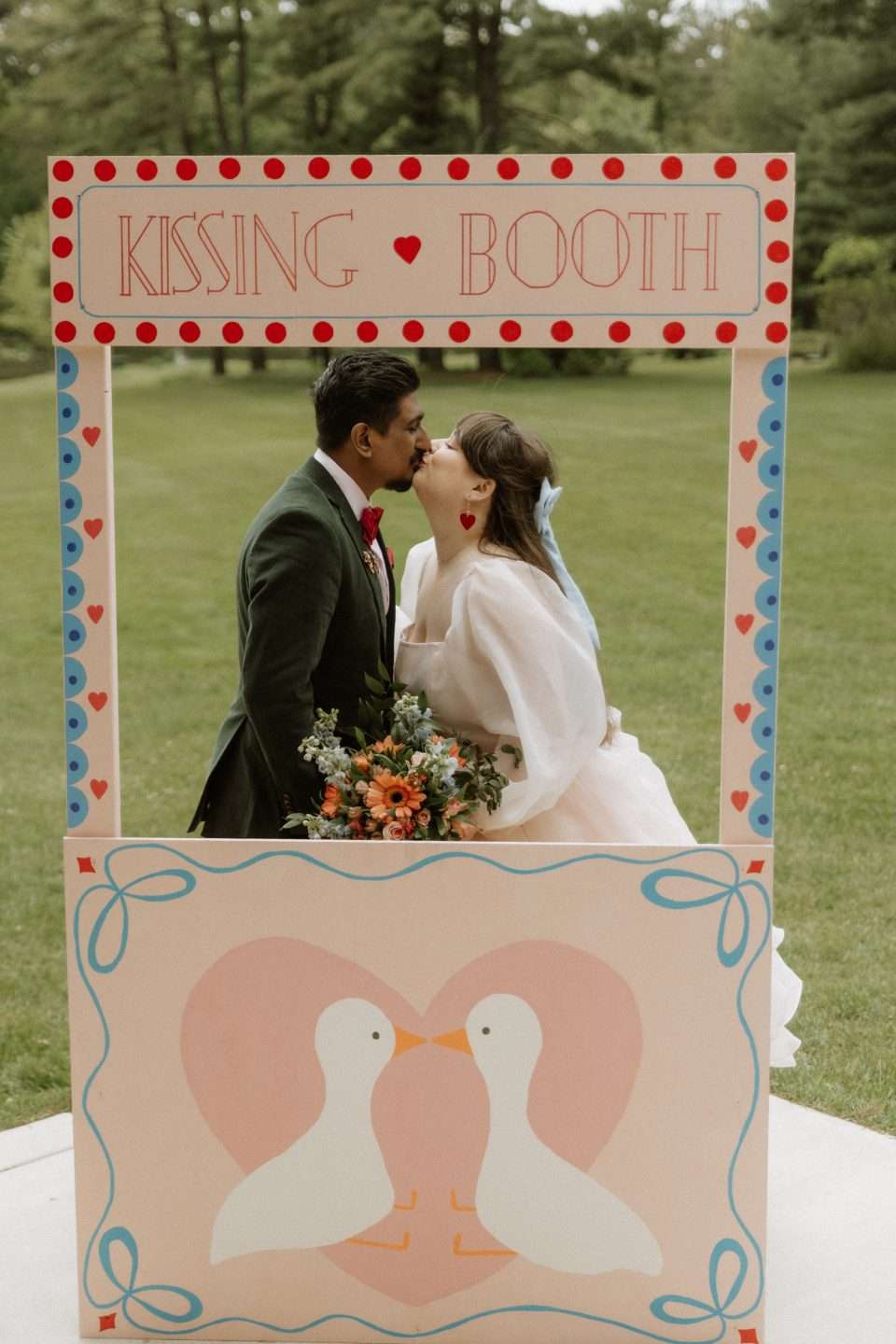
This garden wedding serves as a blueprint for couples looking to strip away the artifice of nuptial norms to focus on the core of a partnership: shared playfulness and authentic connection.
The Genesis of a Whimsical Vision
For Molly and Vignesh, the "silly goose" moniker—a nickname they frequently use for one another—was the catalyst for the entire aesthetic. Rather than settling for a standard color palette or floral arrangement, the couple drew inspiration from a diverse tapestry of pop culture and whimsical storytelling.
Their mood board was eclectic, pulling from the chaotic charm of the Mad Hatter’s tea party in Alice in Wonderland to the rustic, communal warmth of Bilbo Baggins’ 111th birthday in The Lord of the Rings. Further influences included the comforting, high-stakes garden parties of The Great British Bake Off, the surreal aesthetics of The Grand Budapest Hotel, and the nostalgic, hand-drawn warmth of Studio Ghibli films.
“We wanted everyone to have fun and for things to be loud, colourful, and playful,” the couple shared. This intention was communicated clearly on their wedding website, setting the tone for guests before they even arrived at the venue.
A Chronology of Non-Conformity
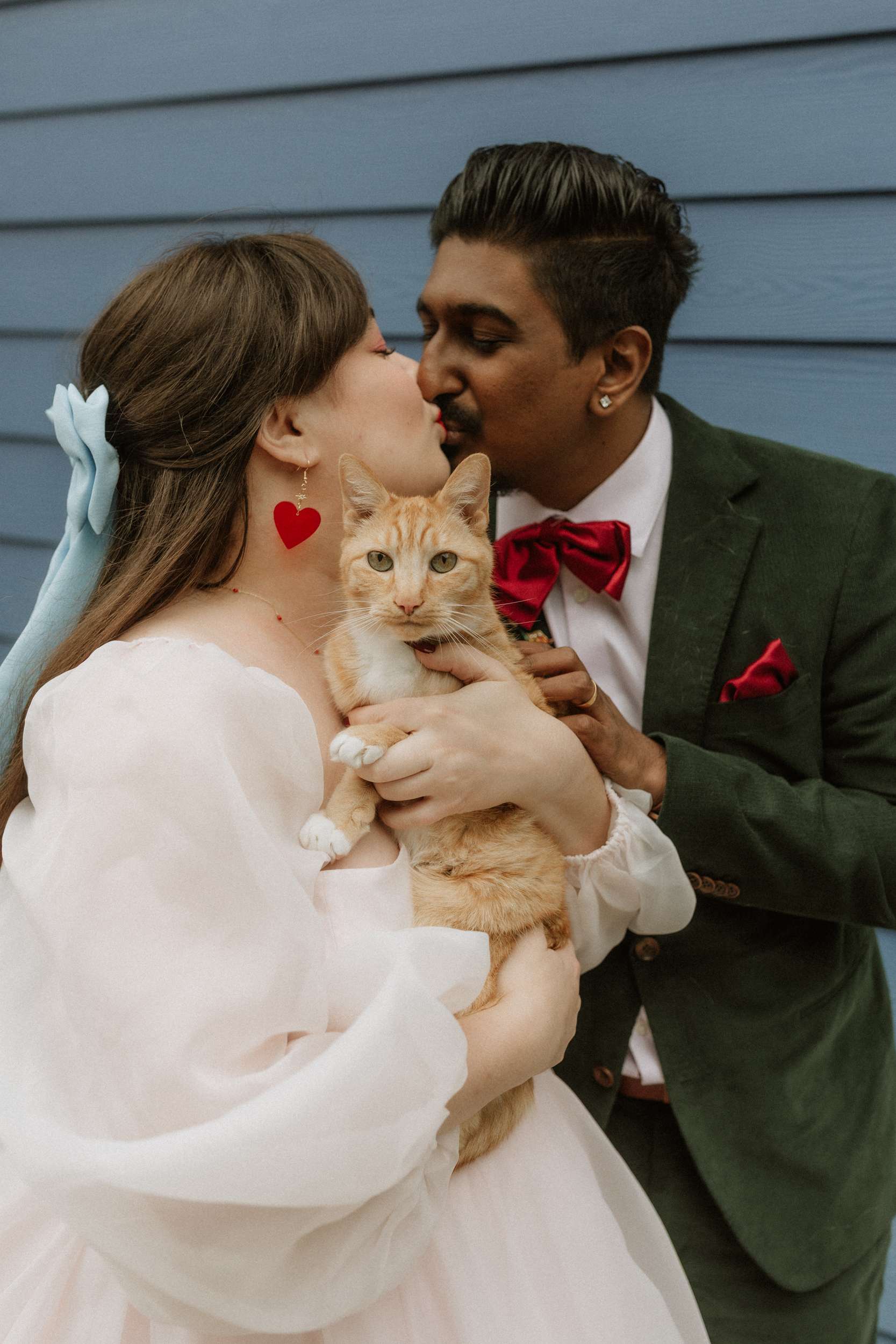
The day began in stark contrast to the standard “separate and stressed” morning routine often expected of couples. Choosing to forgo the separation period, Molly and Vignesh spent their morning together, sharing coffee, fresh chocolate croissants, and quality time with their orange tabby cat, Louis.
“We wanted to feel as normal as possible, so we got dressed and situated together as we do at home,” Molly explained. By anchoring the morning in their daily reality, the couple managed to bypass the usual pre-ceremony jitters, replacing them with a sense of calm and companionship.
The Walk Down the Aisle
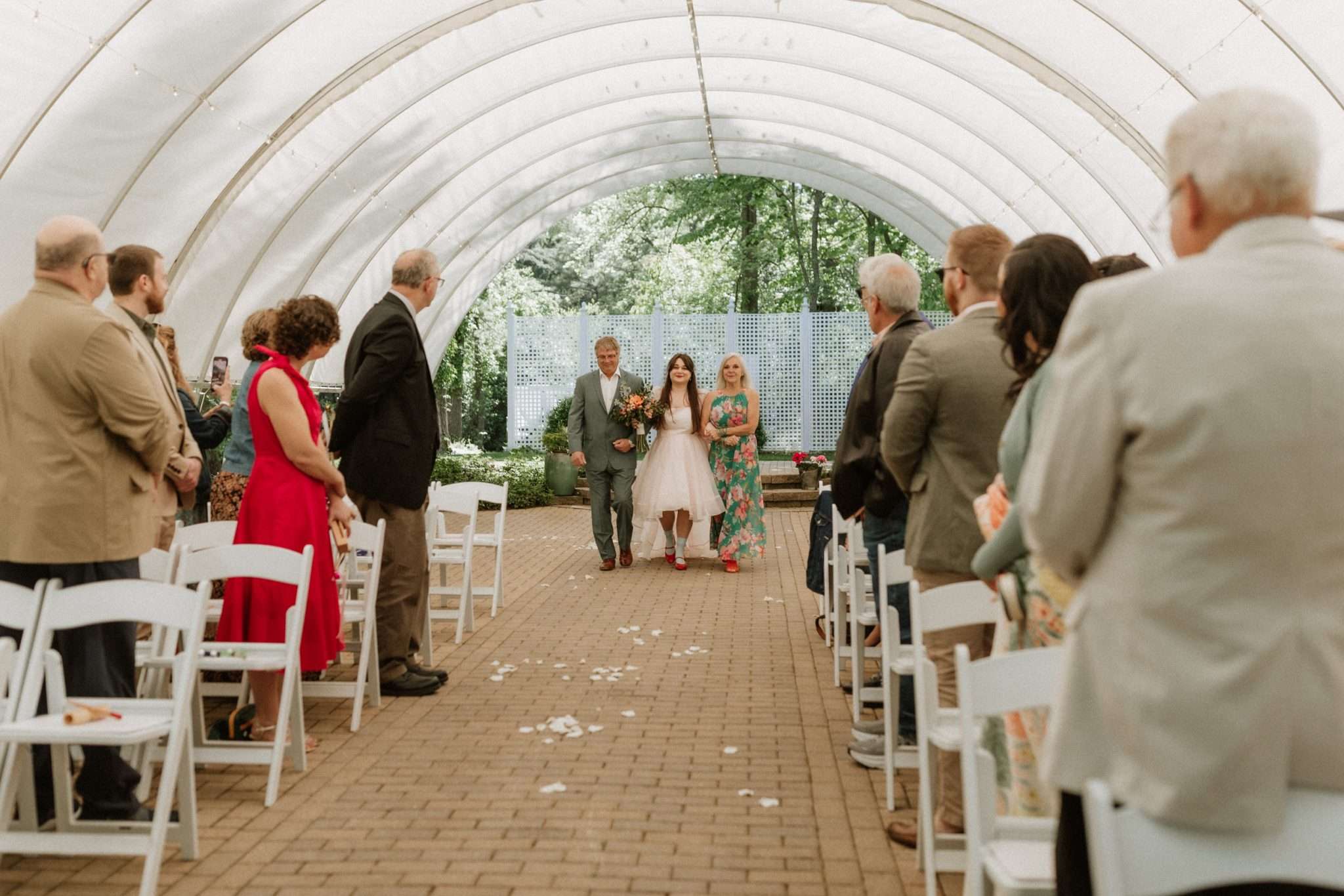
Rejecting the patriarchal tradition of being "given away," the couple arrived at the ceremony together, accompanied by both of their parents. By walking down the aisle with all four parents, they made a powerful statement about the importance of family lineage and support, regardless of gender or role.
The Ceremony
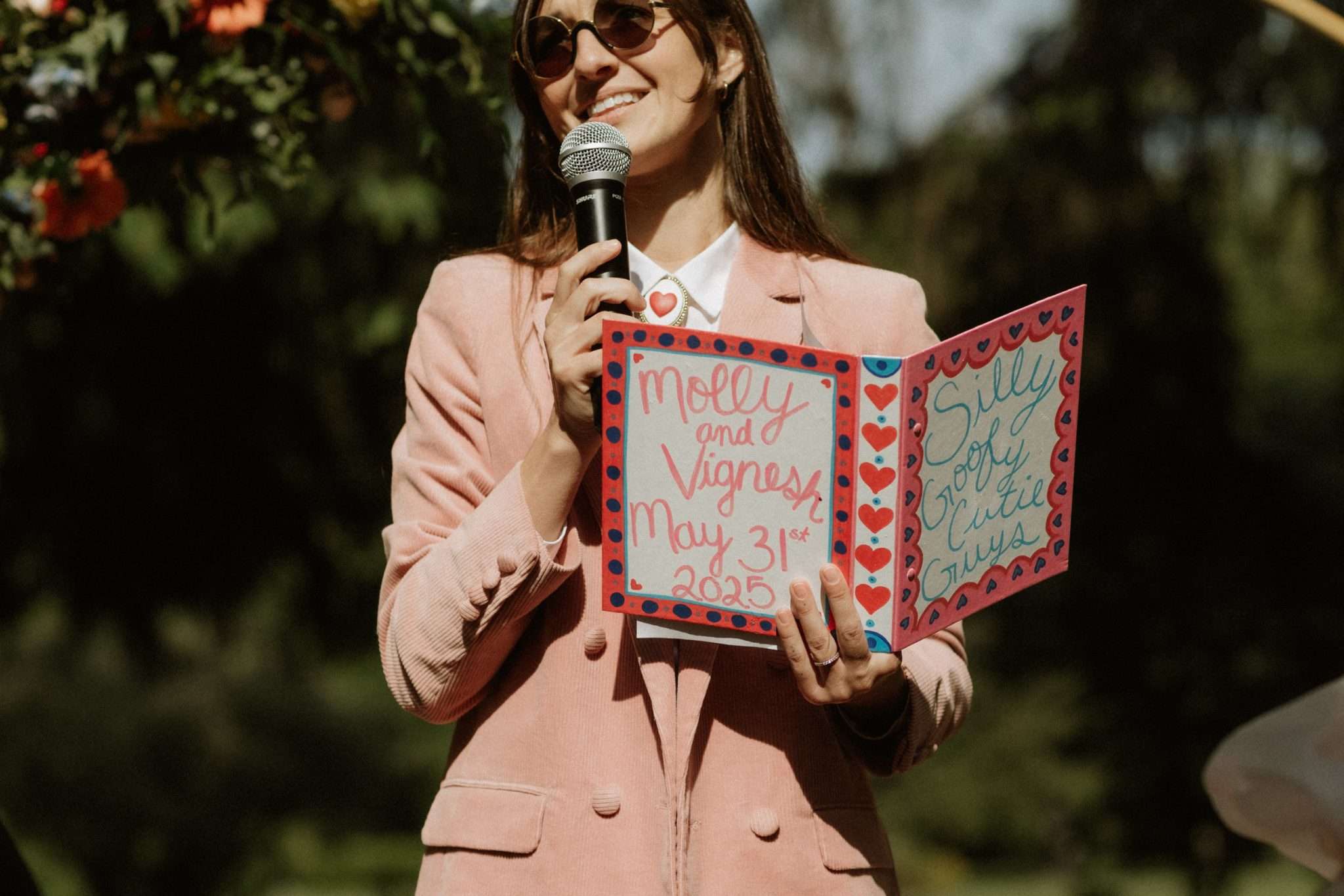
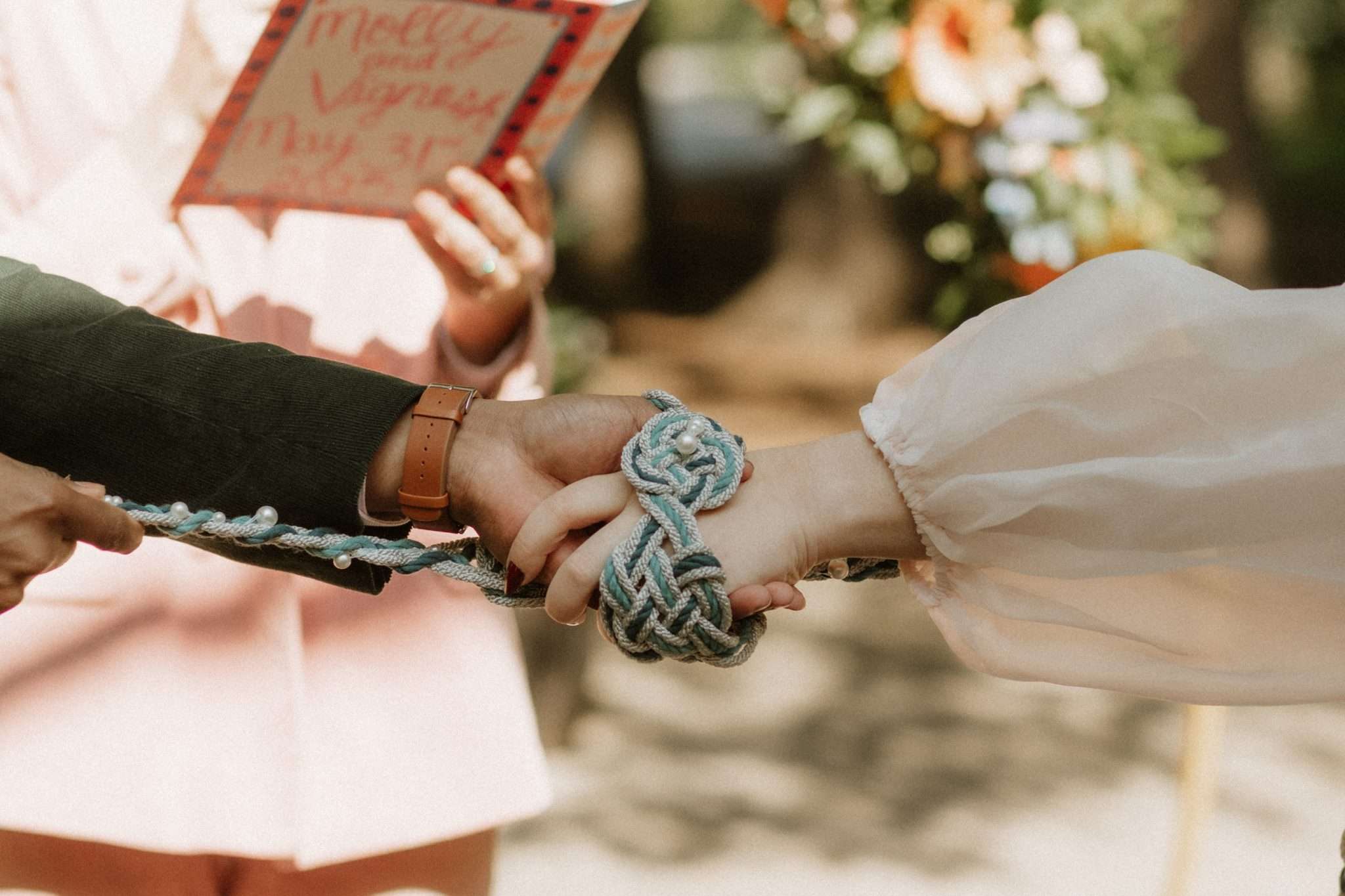
The ceremony was officiated by Molly’s sister and best friend, Ellis. Having already completed their legal marriage earlier in the year, the couple used this time to focus on personal expression. The ceremony was a multilingual affair, with Ellis surprising Vignesh’s family by opening in both English and Hindi. Throughout the service, friends and family participated through poetry readings, creating a communal atmosphere rather than a lecture-style delivery.
A standout moment was the “moment of contentment.” Mid-ceremony, the couple paused to scan the crowd, looking at the faces of their loved ones and into each other’s eyes. It was a conscious choice to slow time and engrave the memory of the day into their minds, rather than rushing through the logistics of the event.
Supporting Data: The Power of DIY and Personalization
The couple’s commitment to personalization was evidenced by their massive investment in DIY projects. This was not a cost-saving measure; rather, it was a deliberate attempt to imbue the venue with their shared history and personality.
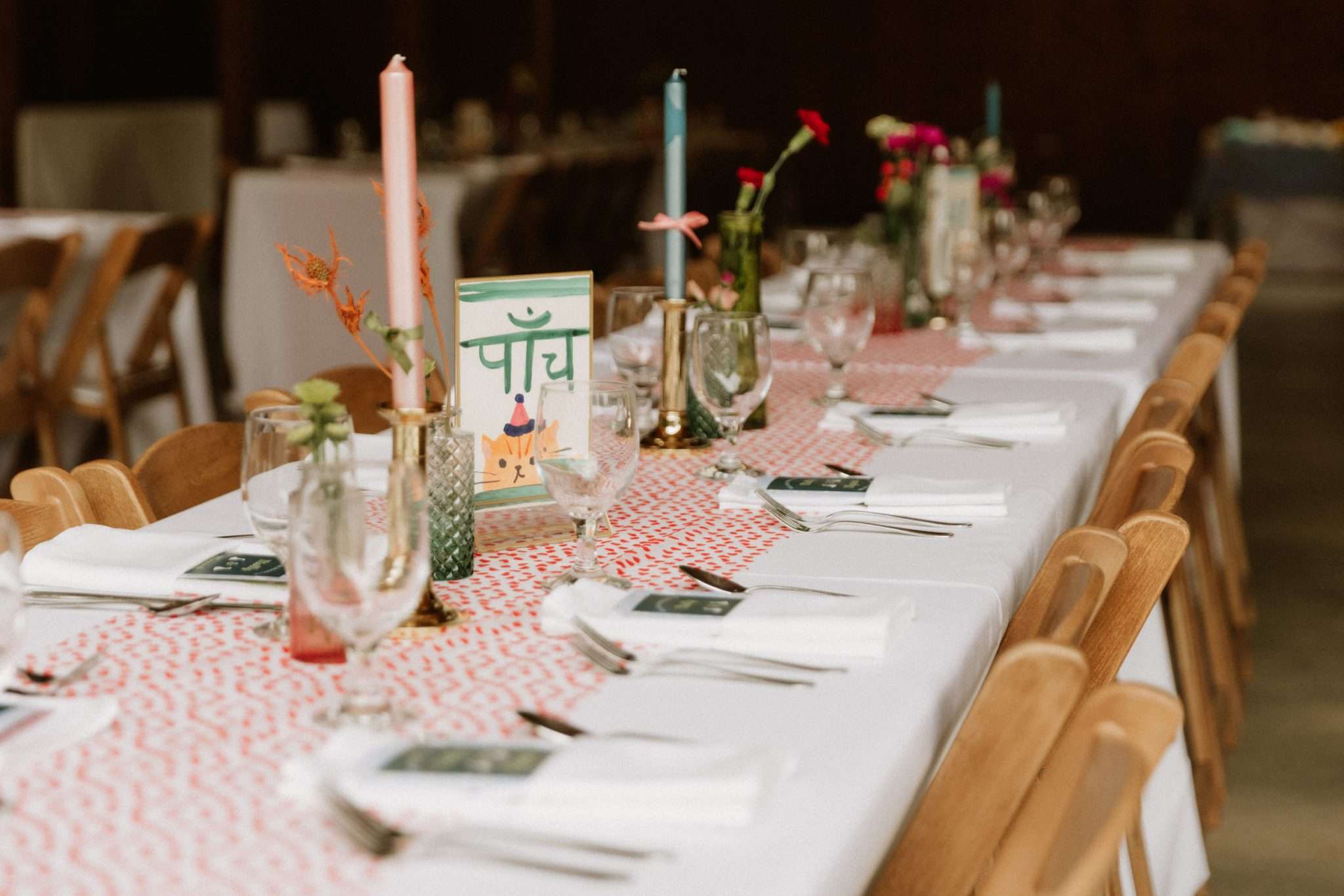
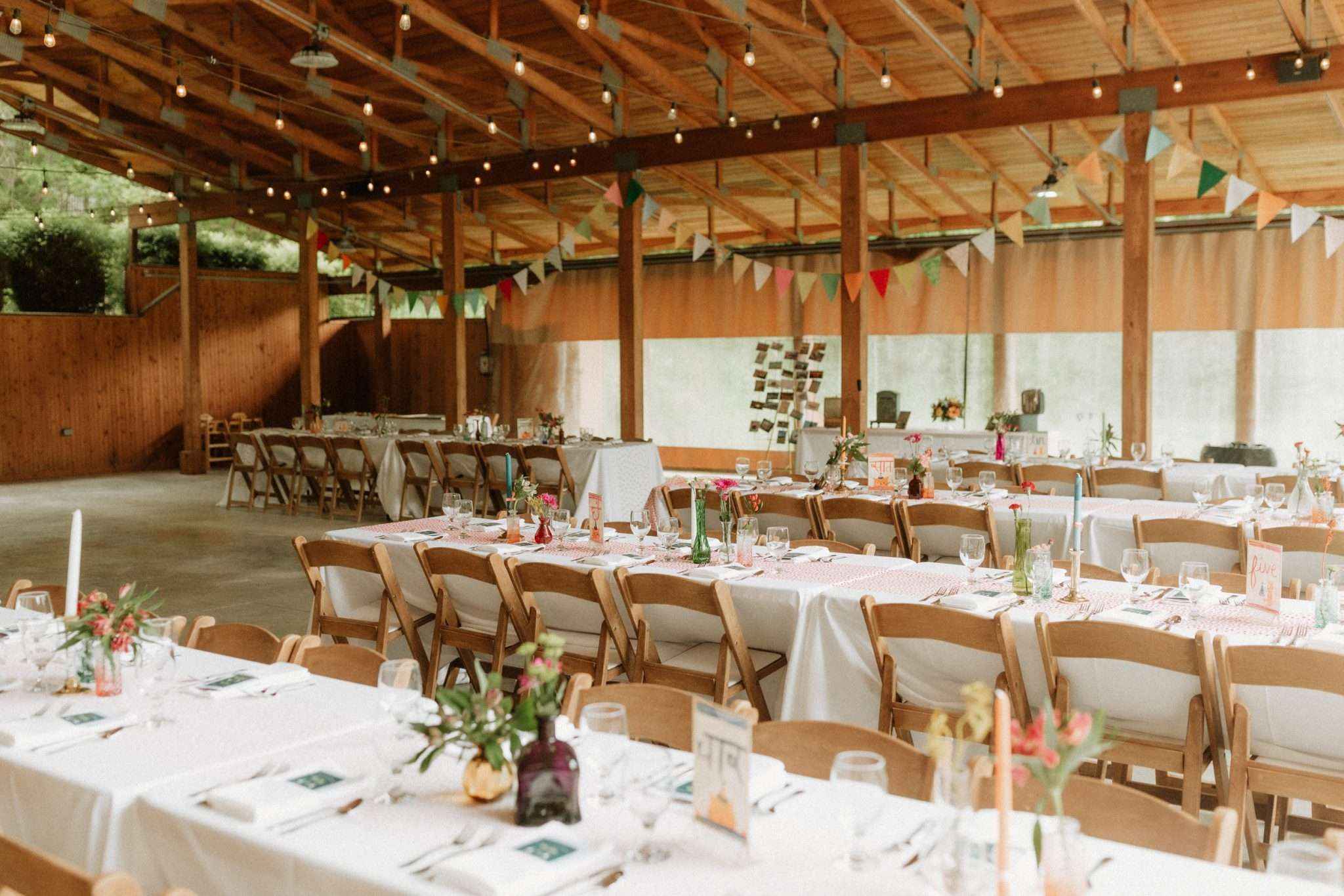
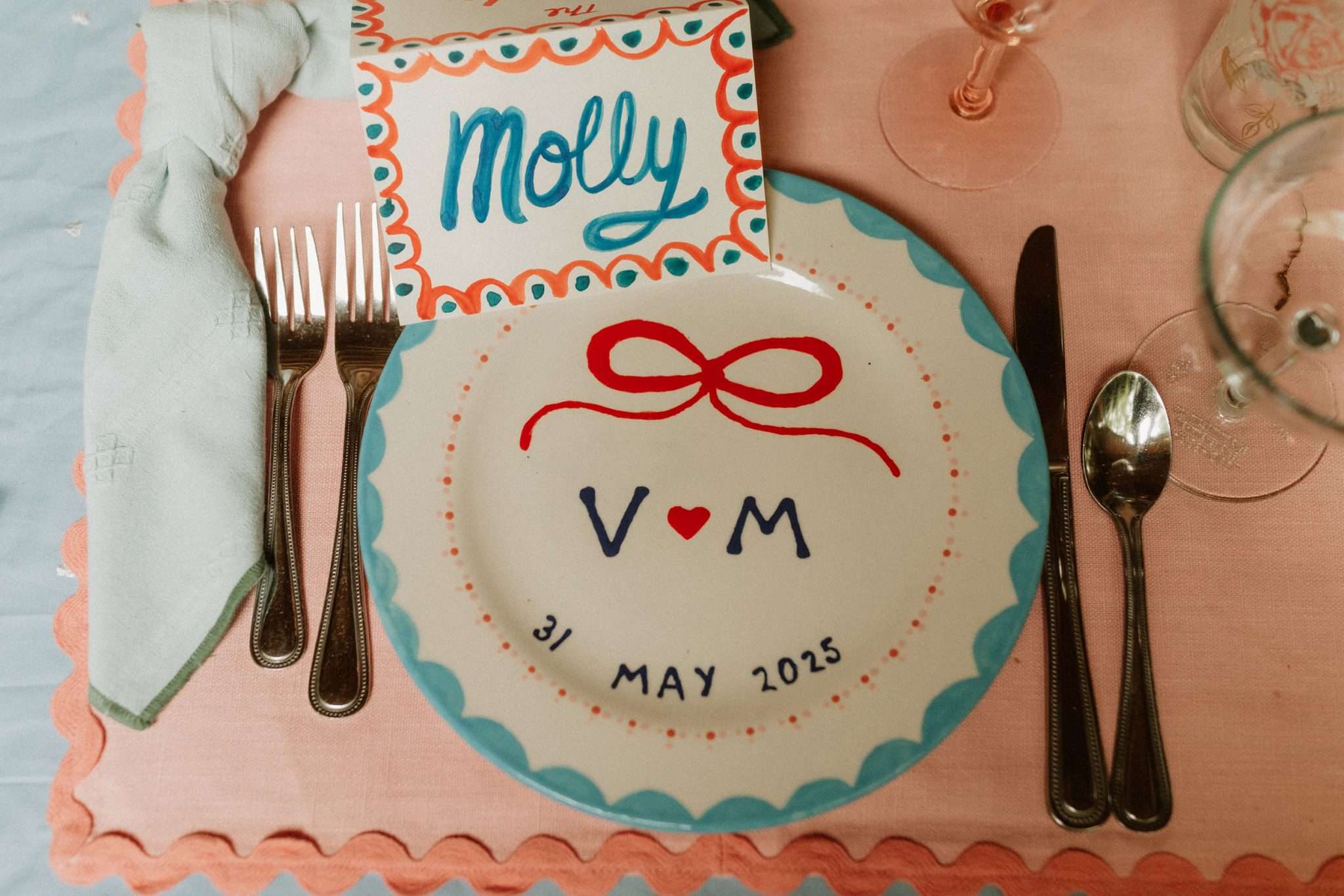
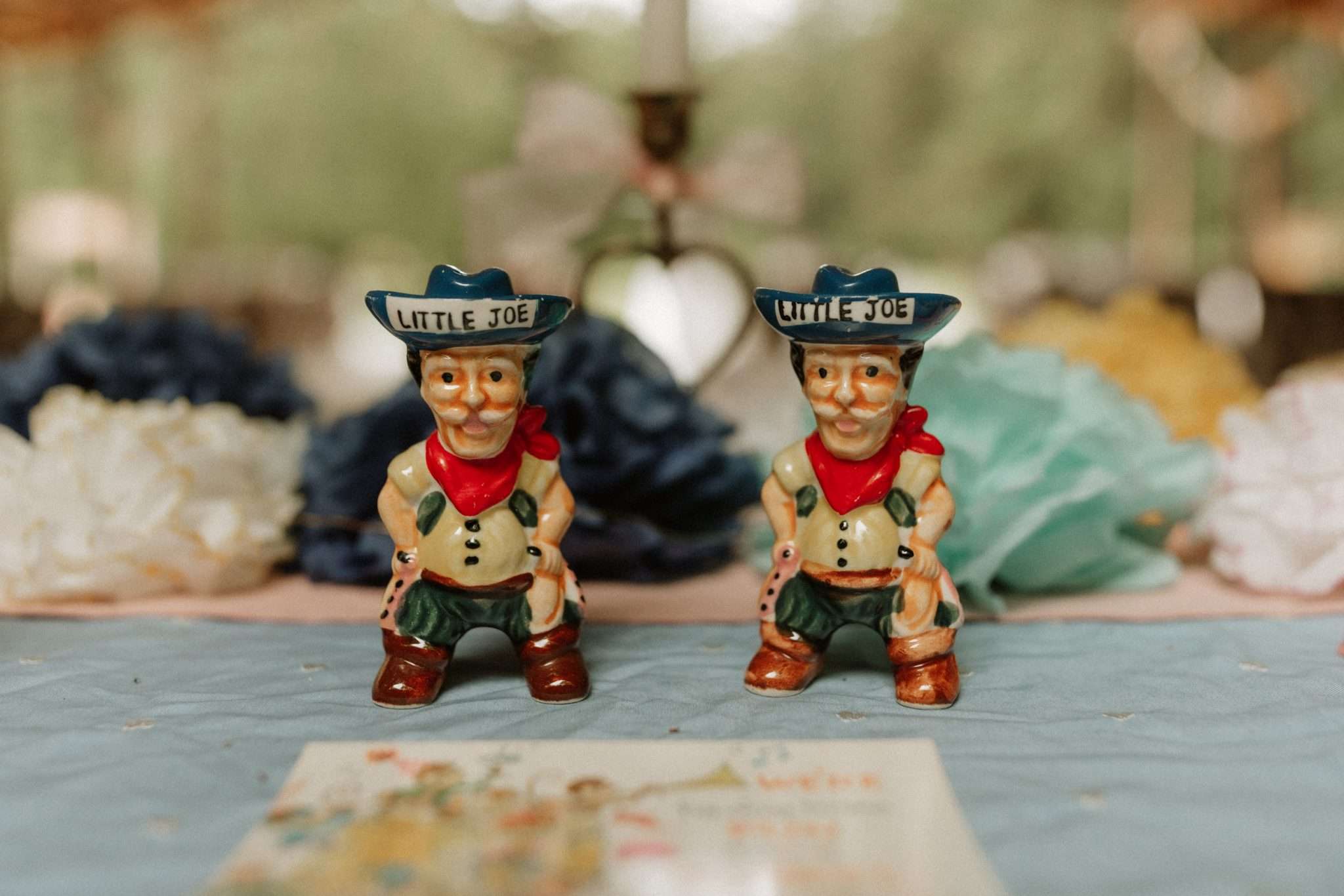
- Decor: Months of labor resulted in hand-painted signs, intricate fabric banners, and ceramic dinner plates painted by the couple themselves.
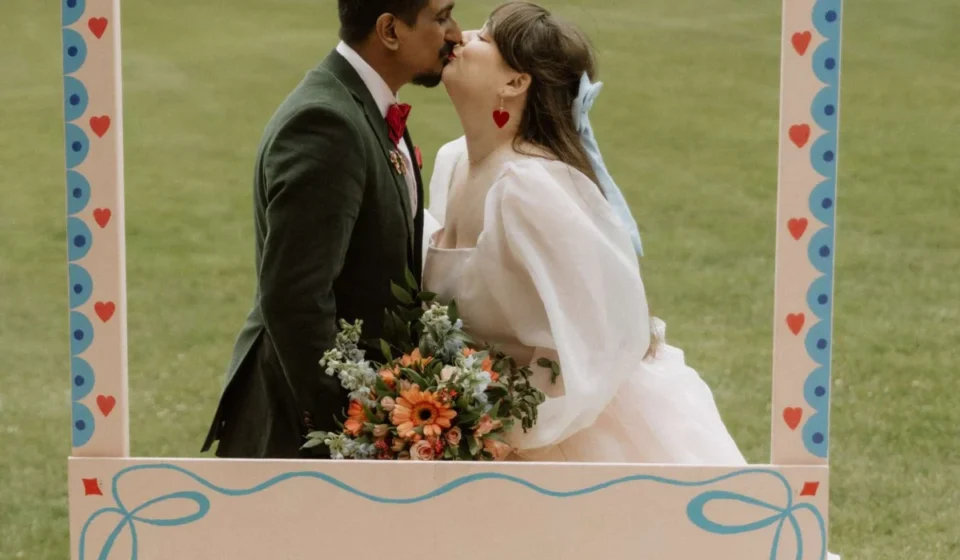
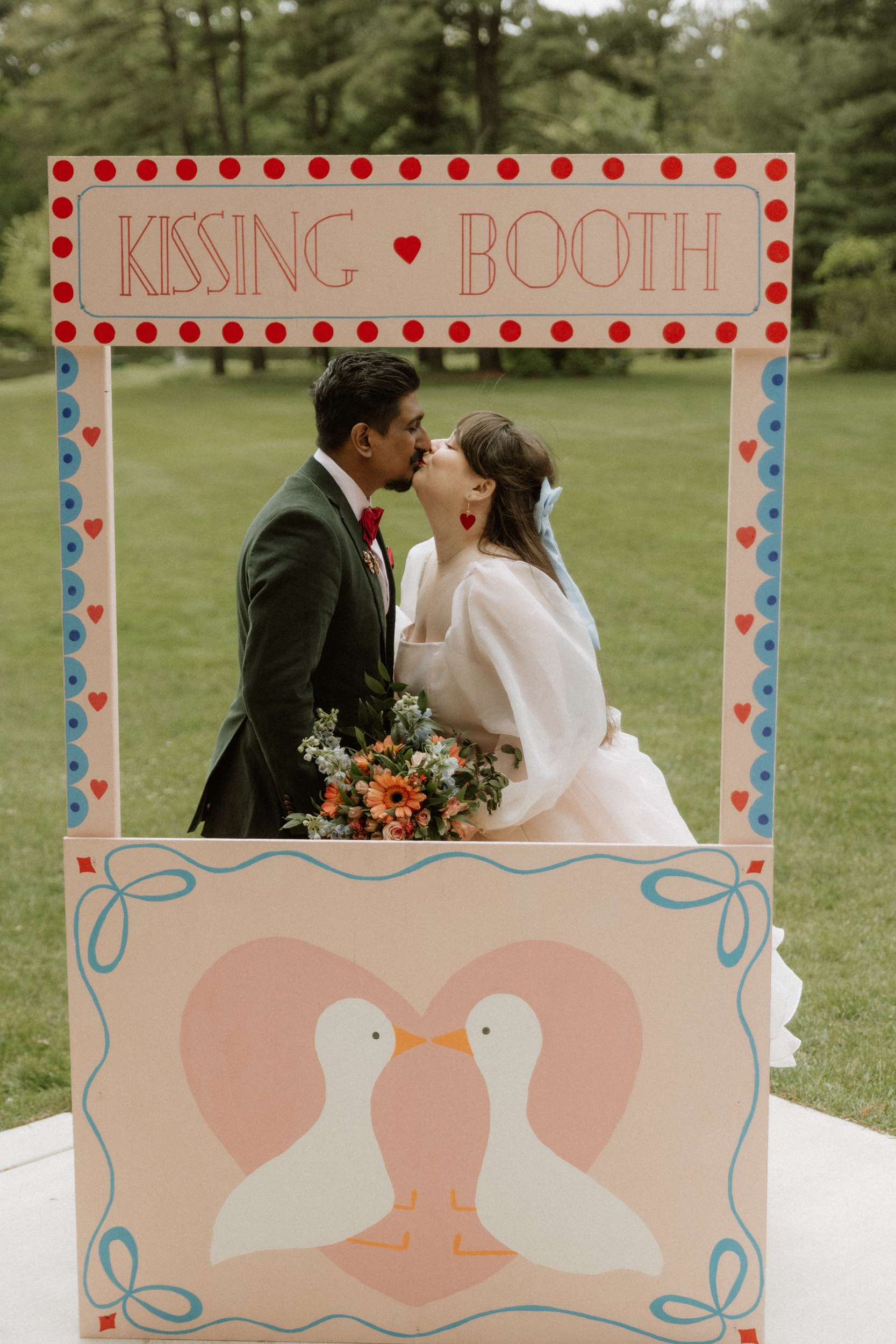
- The Kissing Booth: Molly’s father constructed a custom wooden kissing booth, serving as a focal point for guest interaction.
- The "Wedding Zine": Every seat was equipped with a custom-printed magazine, featuring a unique blend of content: a prayer, a crossword puzzle, photo bingo, and a family gumbo recipe.
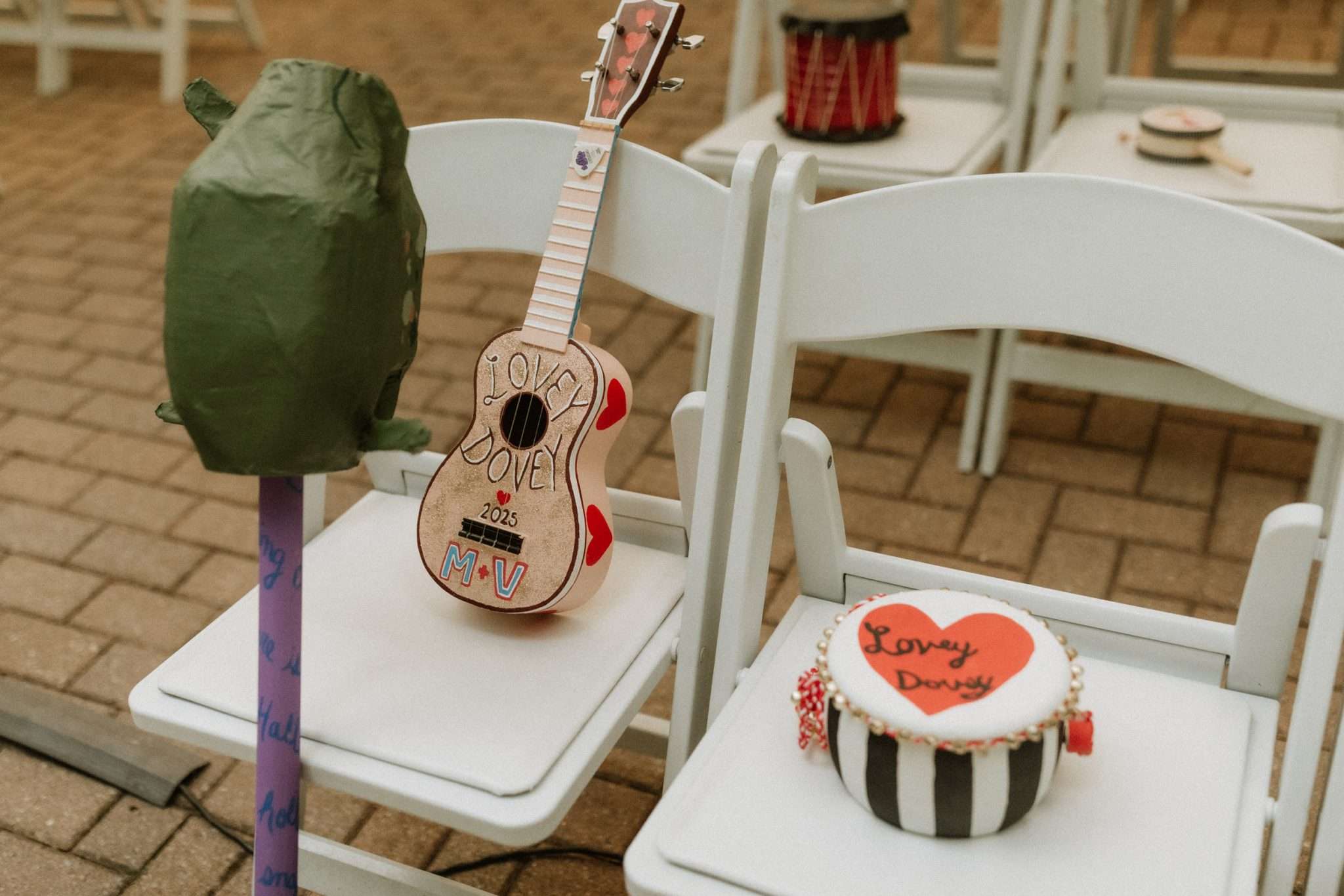
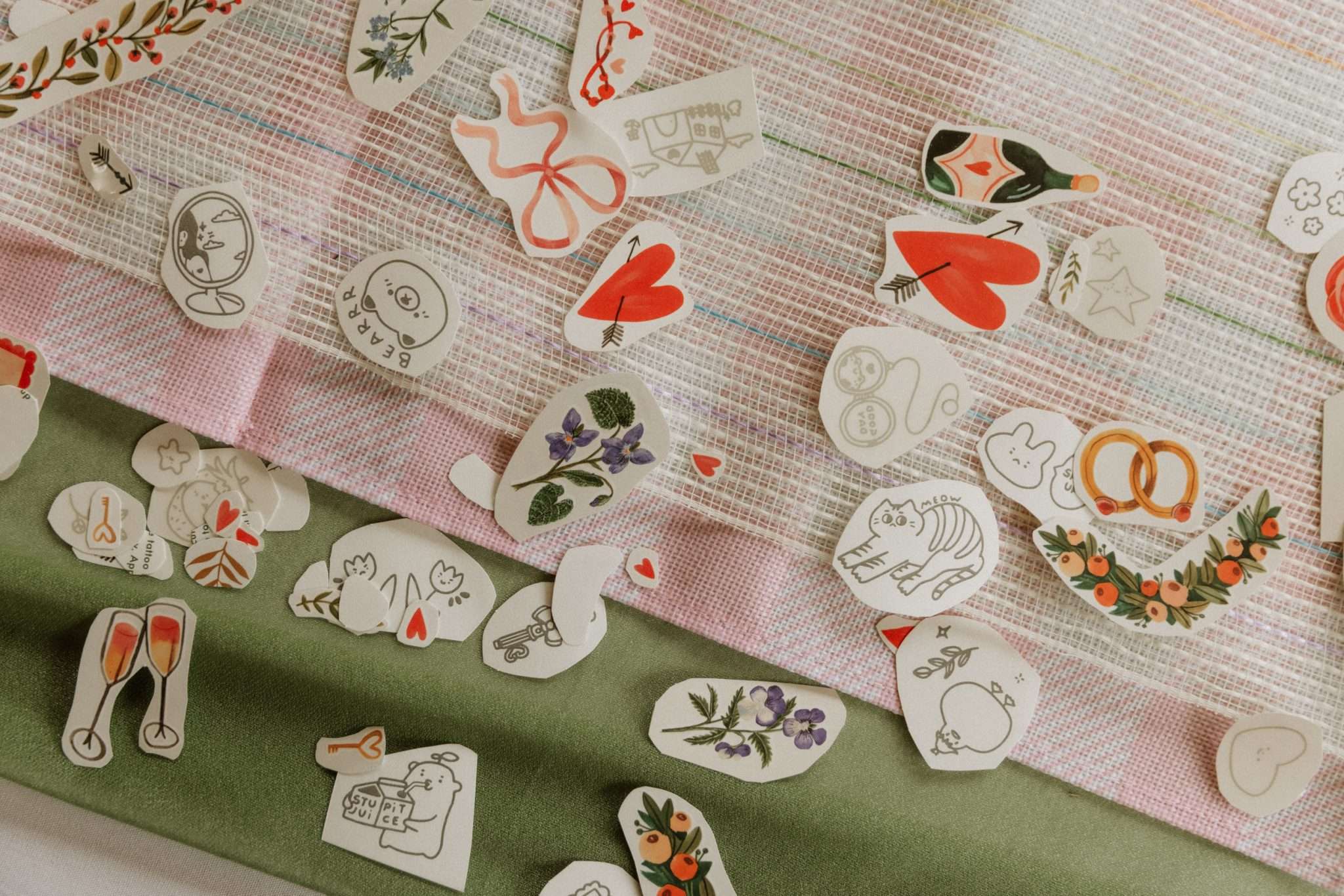
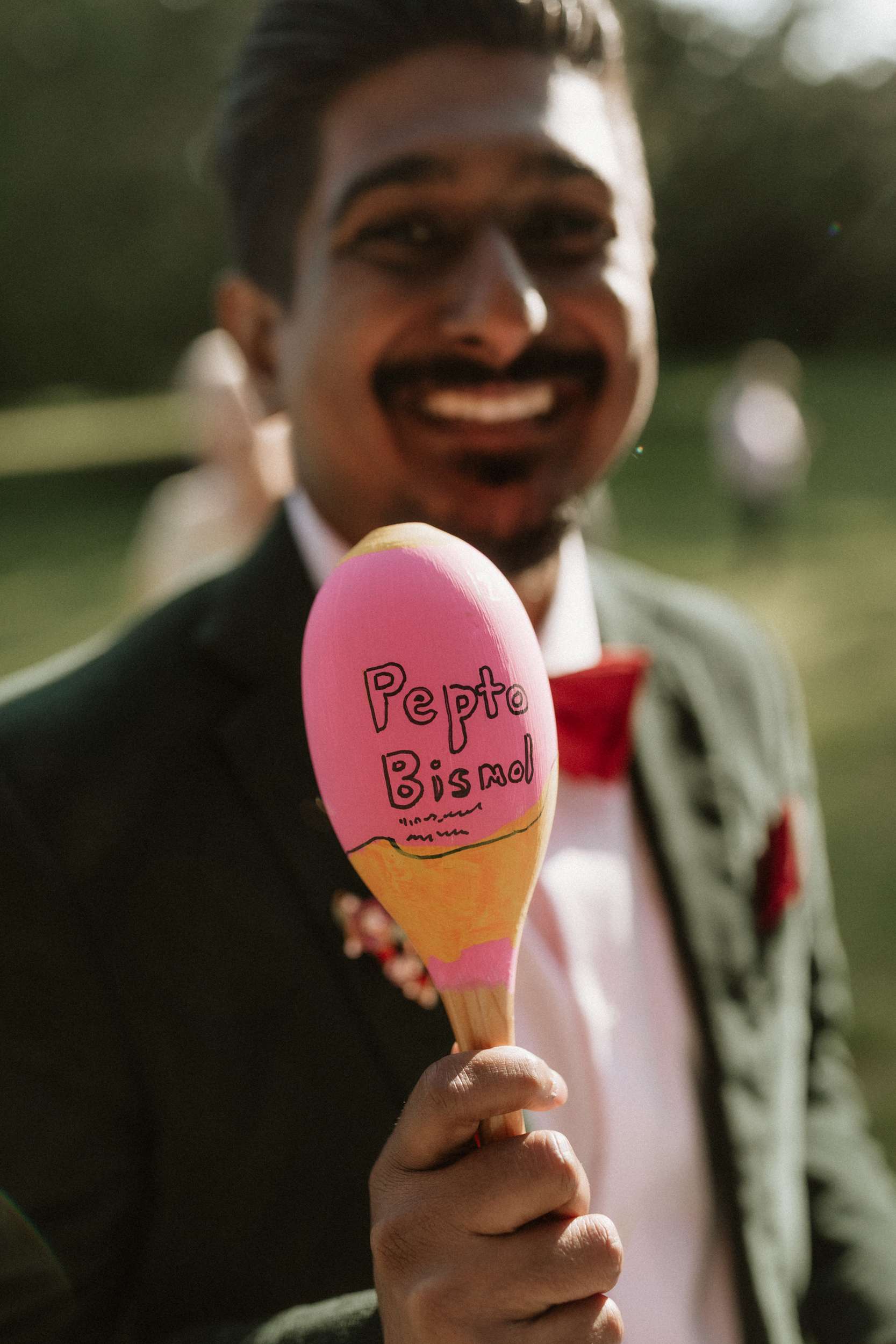
- Interactive Elements: Guests were provided with hand-painted instruments—thrifted children’s toys and handmade noisemakers—to lead the procession to the reception, soundtracked by the lively strains of Stayin’ Alive.
The wedding party was intentionally omitted. Molly and Vignesh were hyper-aware of the financial and logistical burden that being part of a bridal party places on friends and family, especially for those who traveled long distances to be there. By eliminating this, they shifted the focus back to the guests as equal participants in the celebration.
Official Perspectives: The Philosophy of the "Silly"
The couple’s reflections on their wedding offer a profound critique of the modern wedding industry. They argue that the pressure to adhere to societal norms often masks the real purpose of the day.
“We wish more people recognised that not everyone is tethered to norms,” the couple stated. They noted that their non-traditional approach was occasionally misread by others as a lack of seriousness. “Some people think of non-traditional weddings as ‘less than’—that reflecting our personalities meant that things were less serious. We believe things can be silly and still concrete.”
They emphasized that their choices served to reinforce their bond rather than distract from it. “Our decision to throw a non-traditional wedding does not negate our immense love for each other; to us, it strengthens and reinforces it.”
Implications for Future Celebrations
Molly and Vignesh’s wedding offers a roadmap for the future of the wedding industry, one that prioritizes individual autonomy over traditional conformity.
1. The Death of the "Standard" Script
The success of this event proves that guests do not require a rigid, formulaic timeline to feel included. By creating an environment where guests felt encouraged to be "silly," the couple fostered a more genuine sense of connection.
2. The Responsibility to the Guest
The couple’s decision to eschew a wedding party out of respect for their guests’ travel costs and time is a growing trend. It signals a shift from the wedding being a "show" to being a "service"—a communal experience where the couple is mindful of the experience of their attendees.
3. The "Serendipity" Factor
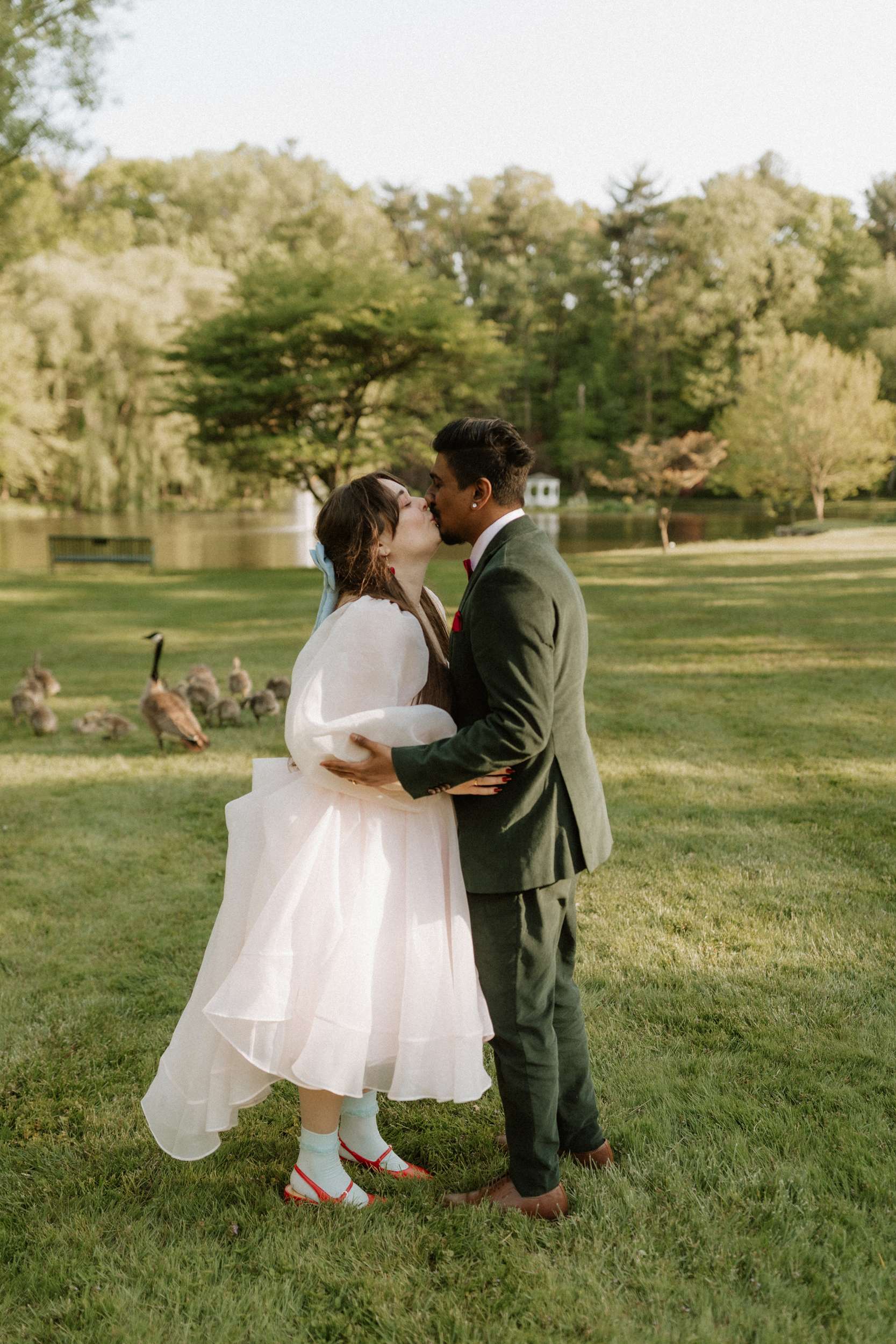
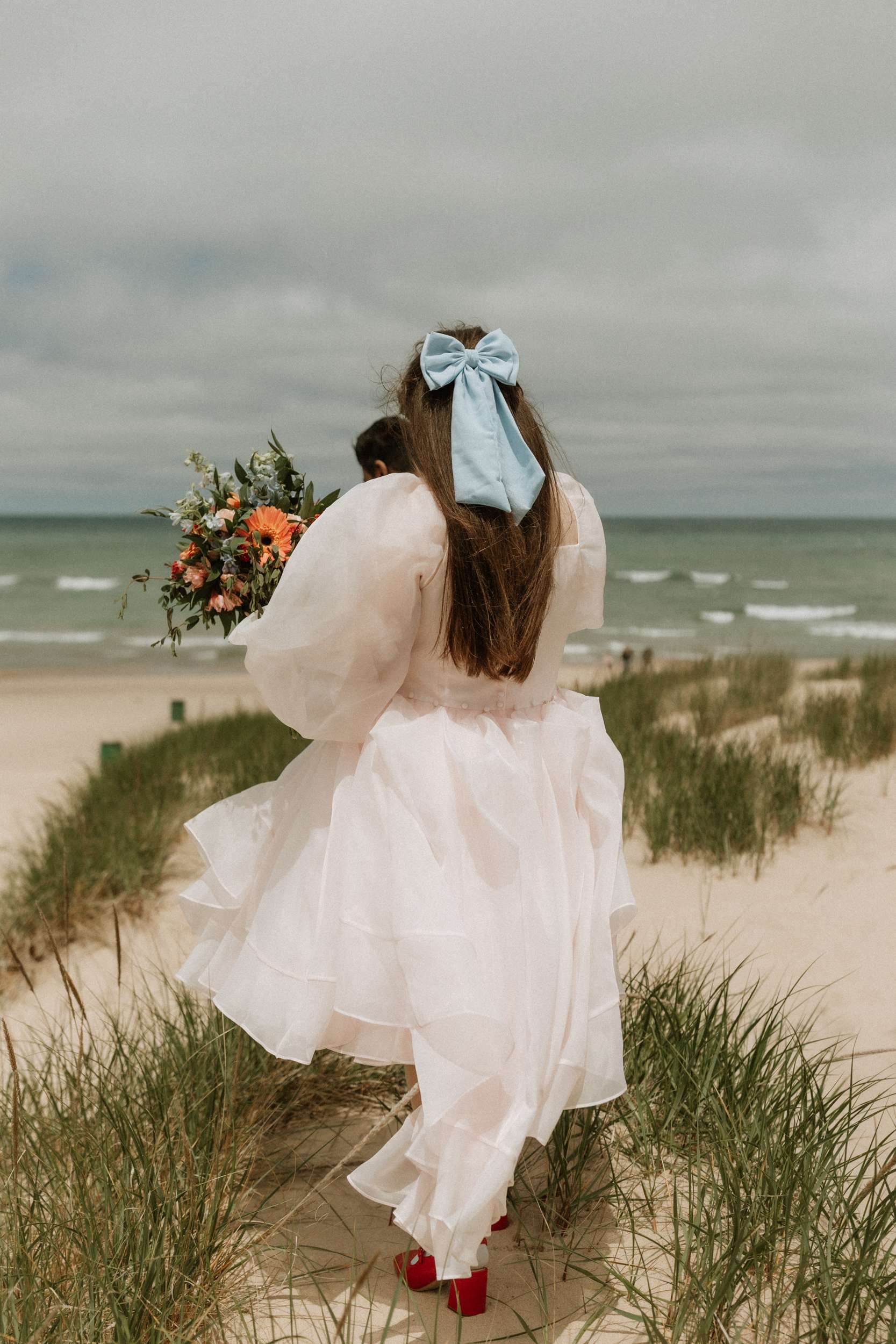
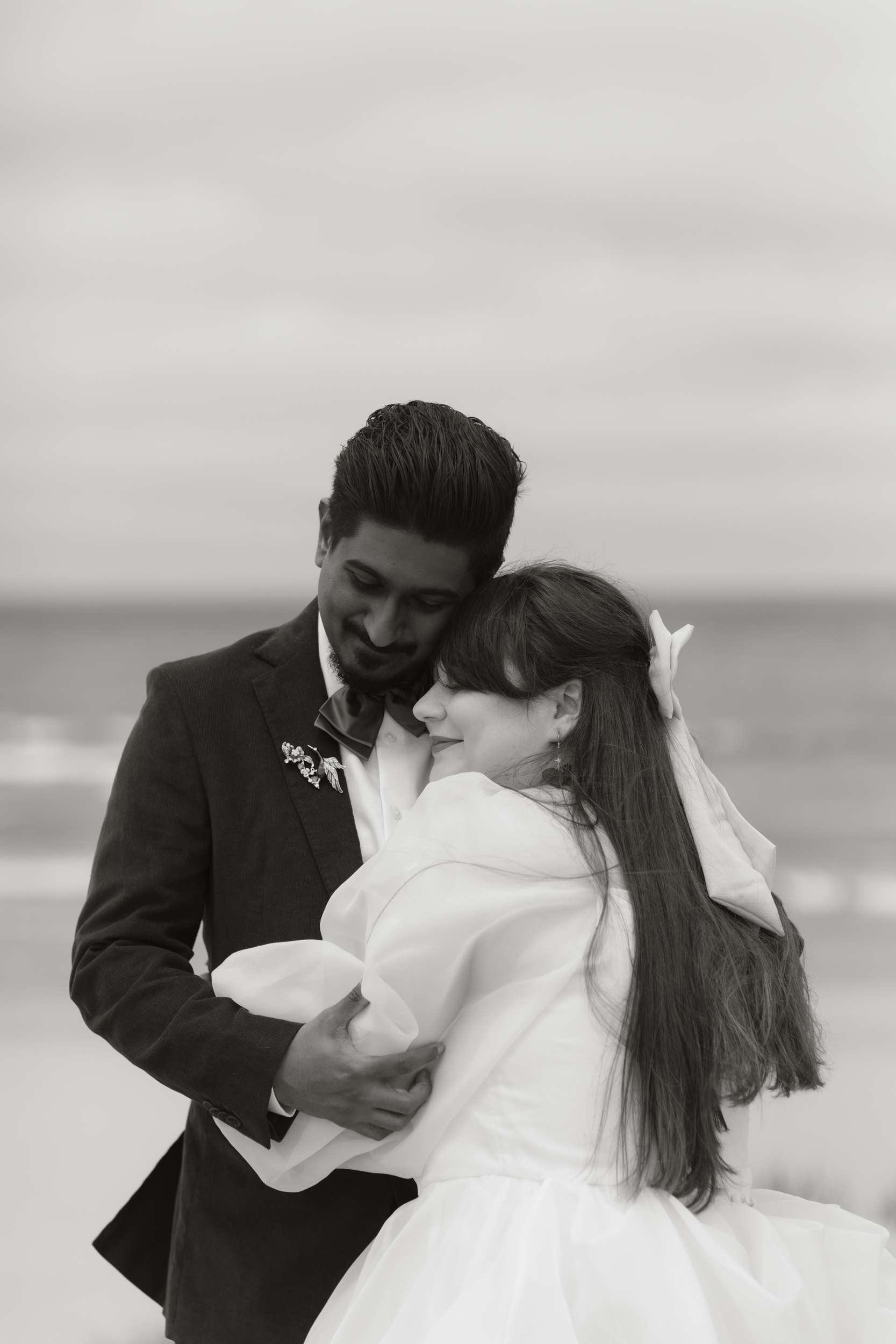
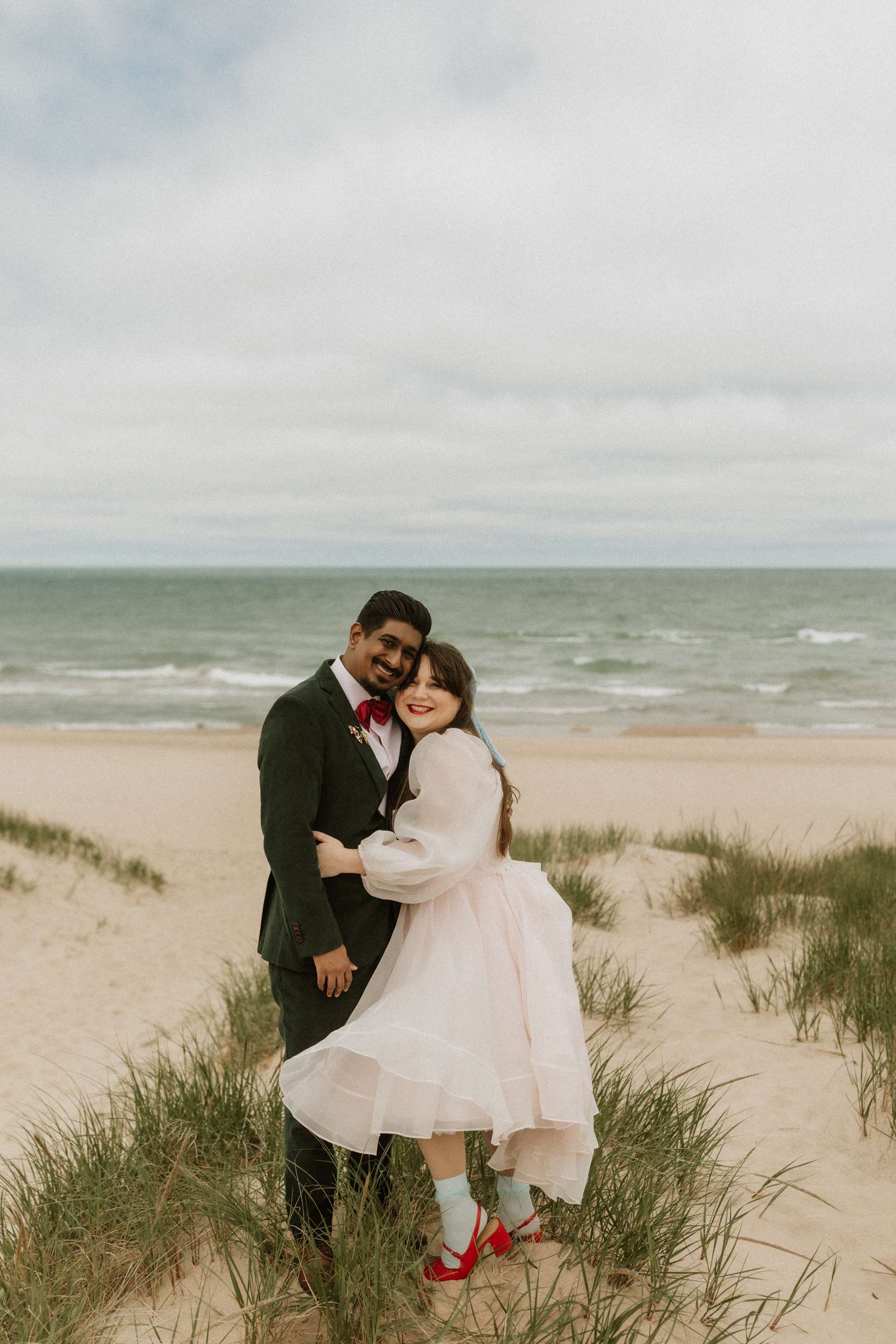
Perhaps the most poetic moment of the day occurred during the golden hour portrait session. As the couple posed, a flock of geese wandered near them—a perfectly timed, serendipitous nod to their “silly goose” theme. This underscores the idea that when a couple builds an event around their own authentic values, the environment itself seems to align with their vision.
4. A Call to Action
The couple’s closing message is a powerful indictment of the pressure-cooker culture of wedding planning: “Your guests should love and celebrate you the way that you are. Guests’ expectations and judgments bleeding into the planning process of someone else’s special day needs to change.”
In conclusion, the “silly goofy cutie” wedding of Molly and Vignesh was not merely an event, but a manifesto. It challenged the industry’s status quo, proving that a celebration can be profoundly emotional, deeply personal, and entirely unique, all while embracing a sense of humor that is often lost in the stress of planning. By choosing to prioritize their own joy, they created a space that allowed everyone present to breathe, laugh, and celebrate the union in a way that felt—for lack of a better term—completely, beautifully human.