The Anatomy of Influence: Why Personal Branding is the Ultimate Career Currency in the Digital Age

Whether you have meticulously crafted your online presence or left it entirely to chance, a personal brand already precedes you. In an era where recruiters, clients, and collaborators Google your name before extending a handshake, public perception is continuously being shaped. The question is no longer whether you have a personal brand, but whether you are actively steering it.
Once viewed as the exclusive domain of celebrities, influencers, and high-profile executives, personal branding has evolved into an essential professional strategy. Founders, marketers, job seekers, and everyday employees now leverage targeted digital personas to cut through crowded feeds, build trust ahead of initial introductions, and dictate how the professional world perceives their value.
Main Facts: The Evolution and Mechanics of the Personal Brand
At its core, a personal brand is the deliberate presentation of an individual’s expertise, core values, and personality to a target audience. It is the distinct mix of professional capability and human identity that people associate with a name.
The conceptual foundation is not entirely new. Management writer Tom Peters famously popularized the notion in a 1997 Fast Company essay titled “The Brand Called You.” However, the proliferation of social media platforms has transformed Peters’ corporate-adjacent theory into an actionable reality for anyone with a smartphone.
While corporate branding focuses on products, services, and corporate entities guided by strict style manuals, personal branding centers squarely on the individual. It utilizes a first-person voice shaped by lived experiences and unique perspectives.
| Feature | Personal Branding | Corporate Branding |
|---|---|---|
| Primary Focus | You as an individual | A company, product, or service |
| Ownership | You | Marketing and executive leadership teams |
| Voice Style | First-person, driven by personal narrative | Shared brand voice guided by style frameworks |
| Core Goal | Trust, career influence, and organic opportunity | Brand awareness, customer acquisition, and revenue |
| Primary Channels | Social profiles, newsletters, podcasts, portfolios | Official brand accounts, websites, advertisements |
Crucially, experts emphasize that personal branding does not require chasing internet fame or becoming an "influencer" in the traditional sense. A software engineer, a clinical nurse, or a boutique business owner can construct a powerful, restrained personal brand that highlights their professional utility without compromising their privacy.

Chronology: From Niche Marketing to the Era of the Content Creator
The trajectory of personal visibility has shifted drastically over the past three decades, transforming how professionals manage their reputations:
- 1997 (The Conceptual Genesis): Tom Peters publishes "The Brand Called You" in Fast Company, introducing the radical idea that workers should view themselves as distinct commercial entities.
- Late 2000s–Early 2010s (The Social Web Boom): The rise of platforms like LinkedIn, Twitter (now X), and early blogging networks allows professionals to publish their thoughts directly to a global audience without gatekeepers.
- The Creator Economy Era: The line between individual identity and content creation blurs. Professionals across all industries realize that their personal output and professional reputation are inextricably linked.
- The Modern Landscape (2025–2026): Driven by consumer demands for genuine human connection, personal branding becomes a core driver of B2B trust, employee advocacy, and career resilience.
Supporting Data: What the Numbers Tell Us
Data gathered across the digital marketing and recruitment sectors underscores why personal branding has become a high-priority initiative:
- The Trust Deficit: According to the 2025 Sprout Social Index™, consumers rank authenticity and relatability among the top three most important brand content traits. This consumer psychology applies equally to individuals, especially in an era where manufactured influence faces increasing skepticism.
- B2B Thought Leadership: A study highlighted in the 2025 Edelman-LinkedIn B2B Thought Leadership Impact Report reveals that authentic thought leadership successfully builds trust and creates commercial opportunities in spaces where traditional advertising and cold sales tactics routinely fall flat.
- Employee Advocacy Impact: The 2026 Sprout Social Influencer Marketing Report shows that 40% of consumers discover new products or services through employee-generated content on a monthly basis, frequently finding frontline workers far more credible than polished corporate channels. For instance, enterprise software firm Infor successfully onboarded 1,500 employees to an advocacy program in a single day, generating $100,000 in earned media value within one month.
- The Irrelevance of Vanity Metrics: The same 2026 Sprout Social data indicates that only 17% of consumers check a creator’s follower count before deciding to engage. Subject matter relevance and content style routinely outweigh sheer follower volume.
Official Perspectives and Industry Insights
Career coaches, recruitment executives, and marketing strategists consistently stress that building an enduring personal brand requires moving past superficial metrics and focusing on strategic value delivery.
"You don’t need a massive following, a big budget, or an outsized, magnetic personality," notes digital strategist and brand consultant Elena Vance. "The strongest personal brands are built on who you already are. You need well-defined goals, a sharp sense of your professional value, and the disciplined habit of showing up consistently."
Furthermore, modern corporate leaders increasingly encourage internal employee advocacy. Rather than viewing personal brands as a flight risk—where employees might outgrow their companies—forward-thinking organizations view employee visibility as an extension of institutional trust. When employees establish themselves as credible authorities within their niches, the halo effect directly benefits their employer.
Implications: Building Your Brand and Safeguarding Your Career
For professionals navigating a competitive global economy, taking control of one’s personal brand yields profound implications for career longevity, business development, and market resilience.
A Step-by-Step Blueprint for Brand Development
- Conduct a Brand Audit: Determine where your public footprint currently stands. Ask trusted peers how they perceive your expertise, and compare their answers with how you wish to be seen. The gap between the two is your starting point.
- Select Your Niche and Platform: Match your strengths to the platform where your target audience spends time. Use LinkedIn for B2B insights and career development, Instagram or TikTok for visual or educational storytelling, and Substack or newsletters for deep-dive thought leadership.
- Prioritize Value Creation: Develop content that solves problems, shares proprietary insights, or documents your professional journey.
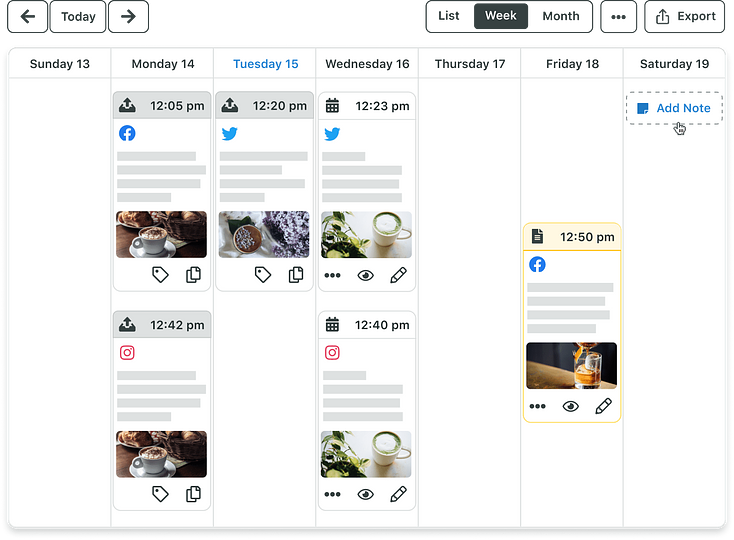
- Maintain Relentless Consistency: Deploy publishing tools and scheduling software to maintain a steady cadence without succumbing to burnout.
- Measure and Adapt: Monitor engagement metrics, referral traffic, and brand mentions via social listening tools to refine your messaging over time.
Preventing Burnout and Protecting Energy
Because personal branding is inherently tied to personal identity, the risk of digital fatigue is high. Experts advise setting strict boundaries around content creation, batching work in advance, and remembering that building a credible reputation is a multi-year marathon, not a sprint.
Ultimately, a well-crafted personal brand belongs exclusively to you. It outlasts any single employer, elevates your professional trajectory, and transforms how the world interacts with your expertise.
Frequently Asked Questions
Can you build a personal brand for free?
Yes. Basic social profiles, publishing platforms, and a consistent posting schedule cost nothing but time. As your brand scales, optional paid analytics and publishing tools can help streamline your workflow.
How long does it take to see results?
Building a credible personal brand requires sustained effort over the long term. While individual posts can occasionally go viral, most professionals notice meaningful traction and inbound opportunities after several months of consistent, niche-focused publishing.
What is a personal brand statement?
A personal brand statement is a concise, one-to-two-sentence summary defining who you serve, how you help them, and what differentiates your approach. Pinning this statement to your social bios and professional portfolios ensures that every first impression communicates a unified message.
Should your personal brand be separate from your employer’s brand?
Your personal brand is your own property and should transcend any single employment contract. However, the most successful personal brands complement an individual’s current professional environment while remaining fully aligned with personal ethics and company social media policies.
Related posts: