
The Autumn Marketplace: A Journalistic Overview of Seasonal Consumer Trends and Emerging Products for Fall

As the northern hemisphere transitions away from the sweltering heat of August toward the brisk, golden mornings of September, a distinct cultural phenomenon takes hold. The arrival of autumn is no longer marked merely by changing foliage and dropping temperatures; it has evolved into a fully realized retail and lifestyle season. From limited-edition culinary offerings to specialized home goods, the early autumn market represents a significant economic driver. This report examines the prominent consumer trends, standout products, and market implications driving the autumn shopping landscape.

Main Facts
The seasonal shift toward autumn triggers an immediate pivot in retail strategy across the food, beauty, and home decor sectors. Market data consistently shows heightened consumer demand for items that evoke comfort, nostalgia, and festive anticipation.

- The Dominance of Sensory Marketing: Products featuring olfactory notes of vanilla, cinnamon, clove, and pumpkin—exemplified by items such as the EOS Pumpkin Chai body lotion and Dr. Teal’s Vanilla Comfort Epsom Salt soak—dominate personal care sales during this period.
- Novelty Confectionery and Food Items: Major food manufacturers, including Planters, Albanese, and Torani, release limited-run seasonal variants (such as Apple Cider Donut cashews and Pumpkin Pie sauces) to capture the impulse-purchase demographic.
- Home Decor and Outdoor Living: Consumers increasingly invest in transitional home items, ranging from practical goods like autumn-scented dish soaps to large-scale novelty displays, including 9.5-foot animated inflatables.
- Apparel and Footwear Shifts: Functional footwear featuring unique design elements, such as block-heel ankle boots with star-shaped traction treads, bridges the gap between practical weatherproofing and aesthetic self-expression.
Chronology of the Seasonal Retail Shift
The commercial adoption of autumn has accelerated significantly over the past decade, shifting the timeline of seasonal product releases earlier into the calendar year.
Late Summer (July to Early August)
- Early Releases: Fast-moving consumer goods companies begin shipping autumn-themed inventory to distribution centers. Coffee chains and confectioners finalize their limited-time-offer (LTO) strategies.
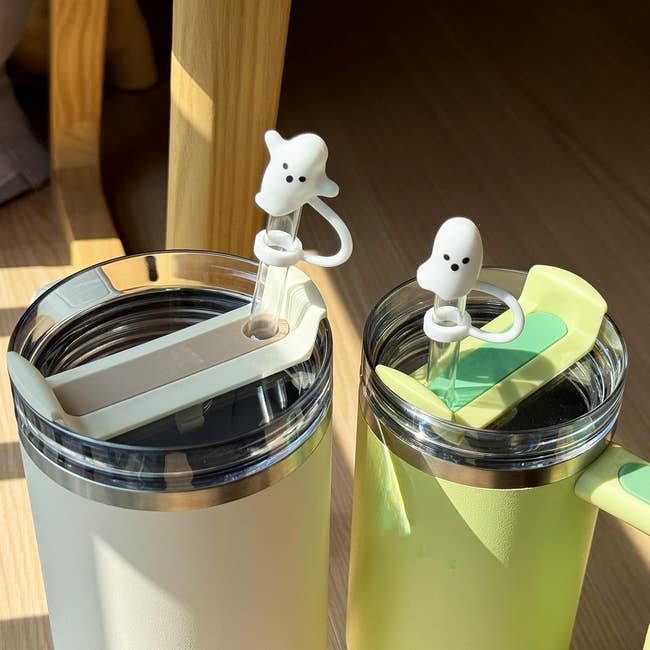
- Digital Pre-Sales: E-commerce platforms see initial spikes in searches for Halloween costumes, autumn decor, and back-to-school items disguised or enhanced with seasonal motifs (such as ghostly silicone straw toppers and vampire-cape umbrellas).
Peak Autumn Transition (Late August to September)
- Market Saturation: National brands officially launch their seasonal flagships. Notable product rollouts include seasonal body scrubs (such as the Dove Cinnamon Pumpkin Pie formulation) and specialized cleaning supplies (like the Dawn Apple Powerwash Spray).
- Consumer Adoption: Shoppers actively replace summer wardrobes with transitional pieces, such as stretchy sock-boots and layered apparel, while stocking up on comfort-oriented home goods.
Mid-to-Late Autumn (October and Beyond)
- Festive Peak: Halloween decor takes center stage, featuring items like jack-o’-lantern leaf bags, spooky banners, and party crackers.
- Inventory Clearance: Retailers begin transitioning floor space toward winter holidays by late October, creating a compressed, high-urgency buying window for consumers of autumn goods.
Supporting Data and Product Analysis
To understand the scope of the autumn market, an analysis of specific consumer-favored products highlights the intersection of utility, novelty, and aesthetic appeal.
Personal Care and Skincare
Consumers frequently seek hydration solutions to combat the dry weather accompanying the temperature drop.

- Dove Cinnamon Pumpkin Pie Body Scrub ($7.97): Combines gentle physical exfoliation with seasonal spices like cardamom and chai, pairing effectively with matching body washes.
- Nature Republic Honey Melting Lipstick ($8.49): Features a color-changing formula that transitions from an ominous black to a sheer pink upon application, marrying gothic aesthetics with daily wearability.
- SpaLife Halloween Sheet Masks ($19.99 for 9): Utilizes targeted ingredients—such as egg white for cleansing and pumpkin extract for hydration—embedded within ghost, bat, and jack-o’-lantern themed sheets.
Culinary and Pantry Additions
Food and beverage items leverage flavor profiles associated with traditional autumn harvests.

- Planters Apple Cider Donut Cashews ($10.99): Merges the crunch of tree nuts with a crispy, cinnamon-sugar and apple-flavored exterior.
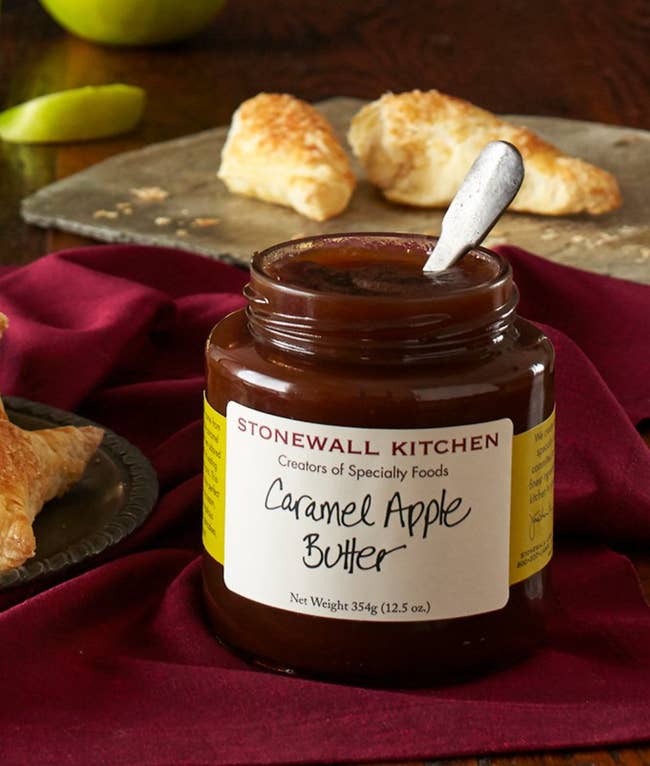
- Stonewall Kitchen Caramel Apple Butter ($8.95): Provides a concentrated fruit spread enhanced with caramel notes, functioning as both a breakfast accompaniment and a baking ingredient.
- Torani Pumpkin Pie Sauce ($13.18): Enables consumers to replicate or elevate coffeehouse beverages at home, offering an alternative to daily cafe expenditures.
Home Goods and Environmental Enhancements
Creating a cozy or "spooky" atmosphere indoors drives substantial spending on ambient lighting and scents.

- Mrs. Meyer’s Fall Leaves Hand Soap ($4.88): Utilizes an earthy acorn spice scent alongside aloe vera and olive oil to prevent skin dryness during frequent handwashing.
- Pumpkin Night-Light ($12.99): Offers a whimsical desk companion featuring an integrated 30-minute auto-off timer, catering to remote workers and students.
- Mystical Flames Fire Colorant ($7.20): Alters standard campfire flames to display vibrant blues, greens, and purples, enhancing outdoor gatherings.
Official Responses and Industry Perspectives
Retail analysts and brand representatives emphasize that seasonal marketing is rooted in psychological comfort rather than mere commercialism.

According to retail insights published across major consumer platforms, shoppers gravitate toward limited-edition goods because they provide a sense of temporal grounding. The transition from the unstructured, fast-paced summer months to the structured routine of autumn—often aligned with the back-to-school season—fosters a psychological desire for nesting, comfort, and predictable sensory pleasures.

Furthermore, small businesses and independent creators utilizing platforms like Etsy have reported sustained demand for niche items, such as handmade felt pie garlands ($32) and satirical motivational stickers ($4+). These sellers note that consumers increasingly value artisanal, humorous takes on traditional holiday motifs over mass-produced plastic decorations.
Market Implications
The annual commodification of autumn carries several notable implications for both the retail sector and the broader economy.
1. Supply Chain Pressures
The practice of front-loading seasonal inventory creates logistical bottlenecks. Manufacturers must accurately forecast demand months in advance to ensure that perishable food items (such as specialized coffees, snacks, and butters) and high-turnover decor arrive on shelves before consumer enthusiasm wanes.
2. Marketing Evolution
Brands across non-traditional categories—such as cleaning supplies (Dawn) and pet care (Jim & Gloria washable fur markers)—successfully leverage seasonal branding to maintain consumer engagement. This cross-sector adoption normalizes the "autumnal upgrade" across almost every retail vertical.
3. Consumer Spending Resilience
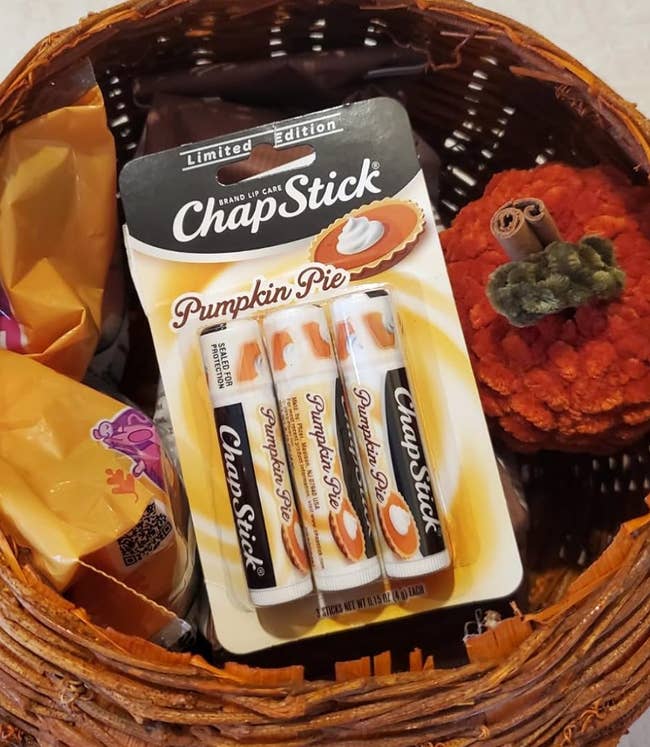
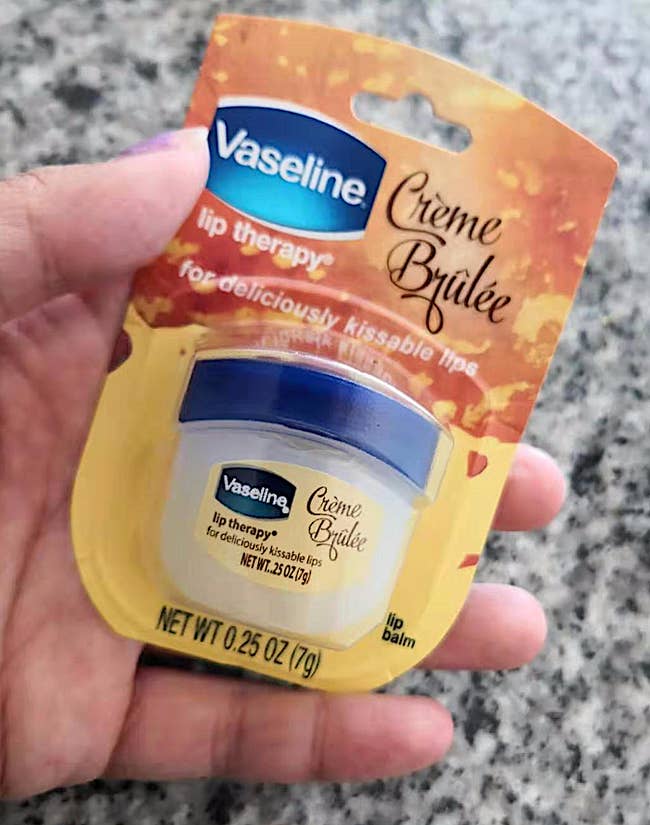
Despite economic fluctuations, discretionary spending on low-cost luxuries—often referred to in retail as the "lipstick effect"—remains robust during seasonal transitions. Items priced under $15, such as specialty soaps, lip balms, and novelty mugs, allow consumers to participate in seasonal trends without making major financial commitments.
As the autumn market continues to expand its temporal footprint, it serves as a reliable barometer of consumer sentiment, favoring products that offer comfort, nostalgia, and a touch of seasonal theatricality.