Comments Off on The Rise of "Dopamine Decor" and Whimsical Consumerism: A Comprehensive Market Analysis
In an era dominated by economic volatility, corporate burnout, and an increasingly digital existence, modern consumers are radically rethinking how they inhabit their physical spaces. Enter the phenomenon of "dopamine decor" and whimsical retail therapy—a booming market trend centered around items that prioritize pure, unadulterated joy, nostalgia, and hyper-personalized comfort over stark minimalism or purely utilitarian design.
A recent curation of viral internet products highlights this cultural shift, showcasing everyday utilities—from kitchen scrubbers and toilet brushes to pill organizers and shelf liners—transformed into playful, aesthetic statements. This report analyzes the driving forces behind this consumer movement, examining the chronological rise of whimsical utility, the supporting data from online marketplaces, official consumer sentiment, and the broader psychological implications of surrounding oneself with "cute" commodities.
Main Facts: The Anatomy of Whimsical Consumerism
The market for novelty-infused everyday items has expanded rapidly across major e-commerce platforms like Amazon and independent creator marketplaces like Etsy. Rather than purchasing generic home goods, consumers are actively seeking out products that double as conversation starters and emotional boosters.
The Intersection of Utility and Art: Everyday items are being reimagined with whimsical shapes. Examples include flower-shaped dish scrubbers housed in mini ceramic vases, cherry-encased toilet brushes, and cat-themed mug warmers with LED temperature displays.
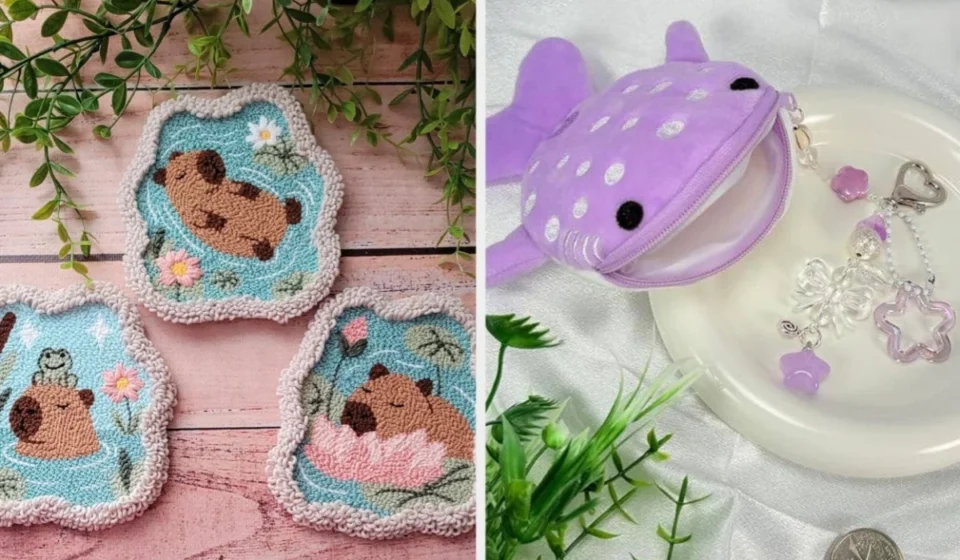
The Customization Craze: Consumers are rejecting mass-produced uniformity in favor of hyper-customization, evidenced by surging sales in "ita bags" with transparent heart windows for pins, 3D-printed miniature Stanley keychains, and modular sticker books.
Small Business Empowerment: Independent creators and global small businesses—ranging from Istanbul-based knitters to Barcelona frame makers—are finding massive international audiences via digital storefronts, driving high-value artisanal sales.
Chronology: How "Cutesy" Culture Took Over the E-Commerce Landscape
To understand how mundane domestic chores became platforms for self-expression, it is helpful to trace the timeline of this retail movement over recent years:
Phase 1: The Pandemic-Era Nesting Boom (2020–2021)
During global lockdowns, home environments became sanctuaries, offices, and entertainment hubs all at once. Consumers began investing heavily in home comfort, sparking initial interest in aesthetic organization, baking gadgets (such as mini waffle makers), and comfort-driven interior touches.
Phase 2: The TikTok Aesthetic and "Coquette" Wave (2022–2023)
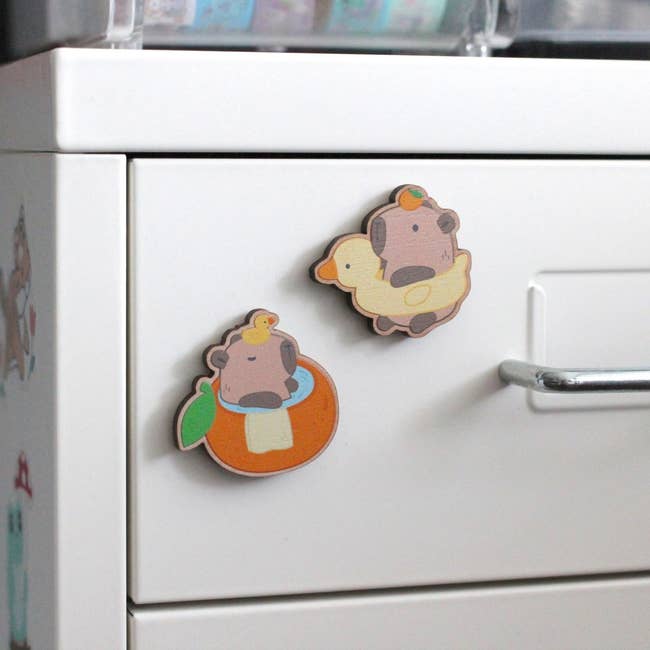
Short-form video platforms like TikTok accelerated the visibility of niche design aesthetics. Trends like "coquette" (characterized by bows, pastels, and delicate ornamentation) and "Kawaii" culture transitioned from subcultures to mainstream retail drivers. Kitchen fixtures, cabinet knobs, and stationery began receiving aesthetic overhauls.
Phase 3: The Functional Whimsy Era (2024–Present)
Today, the trend has evolved beyond mere decoration into "functional whimsy." Consumers expect utilitarian items—such as pill organizers, shelf liners, and cleaning tools—to deliver emotional value alongside practical performance. The introduction of community-vetted, highly visual products has transformed routine maintenance into moments of micro-joy.
Supporting Data and Market Insights
E-commerce analytics reveal that consumers are willing to invest both time and money into items that offer emotional resonance. An analysis of pricing tiers and consumer response metrics across 32 viral product categories demonstrates distinct market patterns:
Product Category
Average Price Point
Key Consumer Appeal
Primary Retail Platform
Kitchen & Dining Utility
$9.00 – $28.00
Aesthetic uplift for mundane chores (e.g., daisy scrubbers, strawberry vases)
Amazon / Direct-to-Consumer
Apparel & Accessories
$7.00 – $140.00
High personal expression and nostalgia (e.g., handmade cardigans, ita bags)
Creative engagement with usable end-products (e.g., punch needle mug rugs)
Etsy
Consumer reviews consistently highlight that visual appeal directly influences usage habits. For instance, buyers of floral pill organizers and novelty water bottles report an increased adherence to daily wellness routines simply because the tools bring them joy. Similarly, specialized cat scratcher beds shaped like lounge chairs have proven effective at diverting feline scratching away from expensive human furniture, bridging the gap between pet utility and interior design.
Official Responses and Consumer Sentiment
Retail analysts and consumer psychologists have weighed in on why whimsical products are outperforming traditional, utilitarian alternatives in current market conditions.
According to retail psychology experts, purchasing low-cost, high-joy items provides an accessible form of retail therapy during times of macroeconomic stress. While purchasing a home or a new car may be out of reach for many younger consumers, investing in a $13.99 heart-window tote bag or an $8.60 fruit-shaped hand towel offers an immediate sense of control and self-reward.
Independent artisans note a similar shift in buyer priorities. Small-scale creators on Etsy report that customers are increasingly valuing the narrative and craftsmanship behind handmade items—such as made-to-order wool cardigans or custom-framed cake art—over fast-fashion alternatives.
"I thought I’d try putting my wax melt in there… It took less than five minutes to melt it! It’s gonna be good for my tea time AND make my office smell good." — Allisen, verified e-commerce reviewer
Feedback platforms emphasize that modern buyers value transparency, durability, and a touch of humor. Products that successfully marry utility with lighthearted design—such as wool dryer balls shaped like Studio Ghibli soot sprites—generate viral word-of-mouth marketing that traditional advertising budgets cannot buy.
Implications: The Future of Retail and Interior Design
The enduring popularity of whimsical consumerism carries several profound implications for manufacturers, retailers, and interior designers alike:
The Death of the Boring Utility: Manufacturers of household cleaning supplies, medical accessories, and office stationery can no longer rely on sterile, industrial designs. Consumers expect even the most mundane tools—like toilet brushes and trash cans—to complement their interior design schemes.
Mental Health and Micro-Environments: The trend underscores a broader cultural movement toward self-soothing through physical space. By curating micro-environments filled with tactile, comforting, and amusing objects, individuals are actively using their living spaces as tools for emotional regulation.
Sustainable Whimsy: As seen with eco-friendly wool dryer balls and durable silicone shelf liners, consumers increasingly expect whimsical products to offer sustainable value, reducing single-use waste while delivering aesthetic pleasure.
Ultimately, the market data proves that whimsy is not merely a fleeting internet fad, but a fundamental shift in how consumers interact with the material world. By injecting personality into the practical, modern retail landscape is proving that functionality and fun can—and should—coexist.