The Bridal Paradox: Why New York Bridal Fashion Week Is Failing the Modern Nearlywed

New York Bridal Fashion Week (NYBFW) has long held the mantle as the global epicenter of bridal aesthetics. Twice a year, in April and October, the industry descends upon Manhattan to dictate the silhouettes, fabrics, and trends that will define the weddings of the coming seasons. From the high-energy, bustling exhibition halls of One Fine Day and Mélange de Blanc to the intimate, velvet-draped hotel suites of emerging designers, this is where the "bridal look" is born.
Yet, as the industry prepares for its upcoming Autumn showcase, a uncomfortable question continues to loom over the runways and showrooms: Is the bridal industry, a sector built on the celebration of love and individual union, actually capable of reflecting the diversity of the people it serves?
Despite the progress made by the broader fashion world—which has seen a slow, albeit consistent, shift toward inclusivity—the bridal industry remains stubbornly tethered to a narrow, archaic ideal. For the modern nearlywed, the disparity between the industry’s marketing of "inclusivity" and the reality of the showroom floor is becoming impossible to ignore.
The Architecture of an Exclusive Industry
To understand the current crisis of representation, one must first understand the unique mechanics of the bridal market. Unlike high-fashion weeks in Paris or Milan, where garments are often showpieces designed for editorial impact or red-carpet prestige, the collections debuted at NYBFW are fundamentally commercial. They are created to be ordered, fitted, and worn by everyday people.
With more than 75% of the adult population expected to marry at least once in their lifetime, bridal fashion is arguably the most ubiquitous category in the garment industry. Given this reach, the lack of representation on the runway isn’t just a stylistic oversight; it is a fundamental failure of the industry to acknowledge its own customer base.
When designers cast exclusively young, thin, white, and femme-presenting models, they are not merely making an aesthetic choice. They are creating a exclusionary environment that tells the average nearlywed—someone who may not fit the size-zero mold—that they are an afterthought in their own wedding story.
A Chronology of the Disconnect
During the April sessions of NYBFW, I navigated the exhibition circuits with a singular mission: to audit the industry’s commitment to diversity.
The experience at One Fine Day—a major hub featuring over thirty-five global designers—was particularly telling. While designers were eager to discuss their lace appliqués and structural corsetry, the conversation grew strained when the topic turned to size inclusivity. Many brands confirmed that their sample collections terminated at a US size 14 (UK 18), a standard that effectively alienates a massive portion of the population.
Even more startling was the physical absence of garments. Out of the dozens of booths visited, only one brand—Vera Wang—brought plus-size samples to the market. In an event intended to showcase the future of the industry, the reality was a monochromatic display of exclusivity.
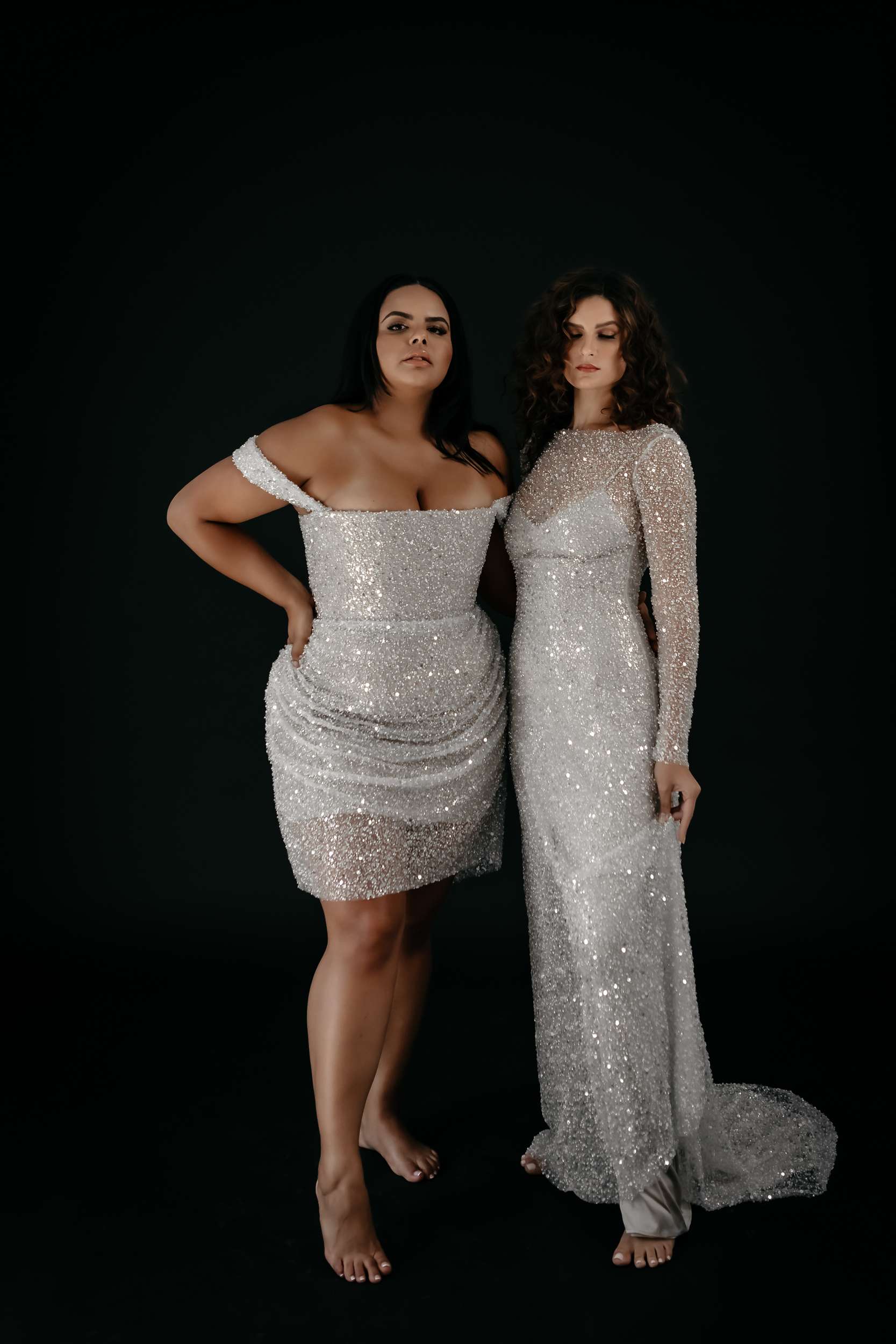
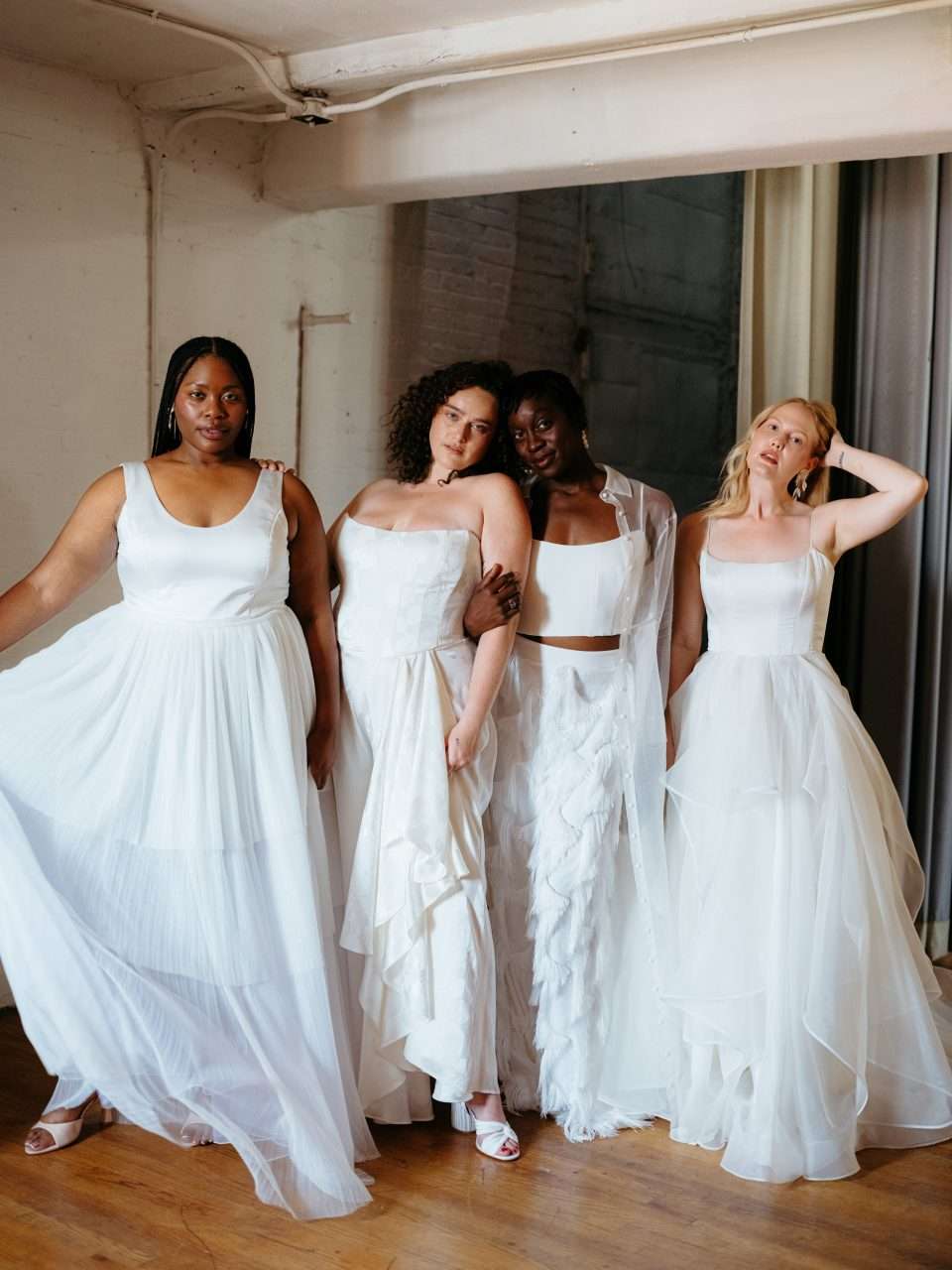
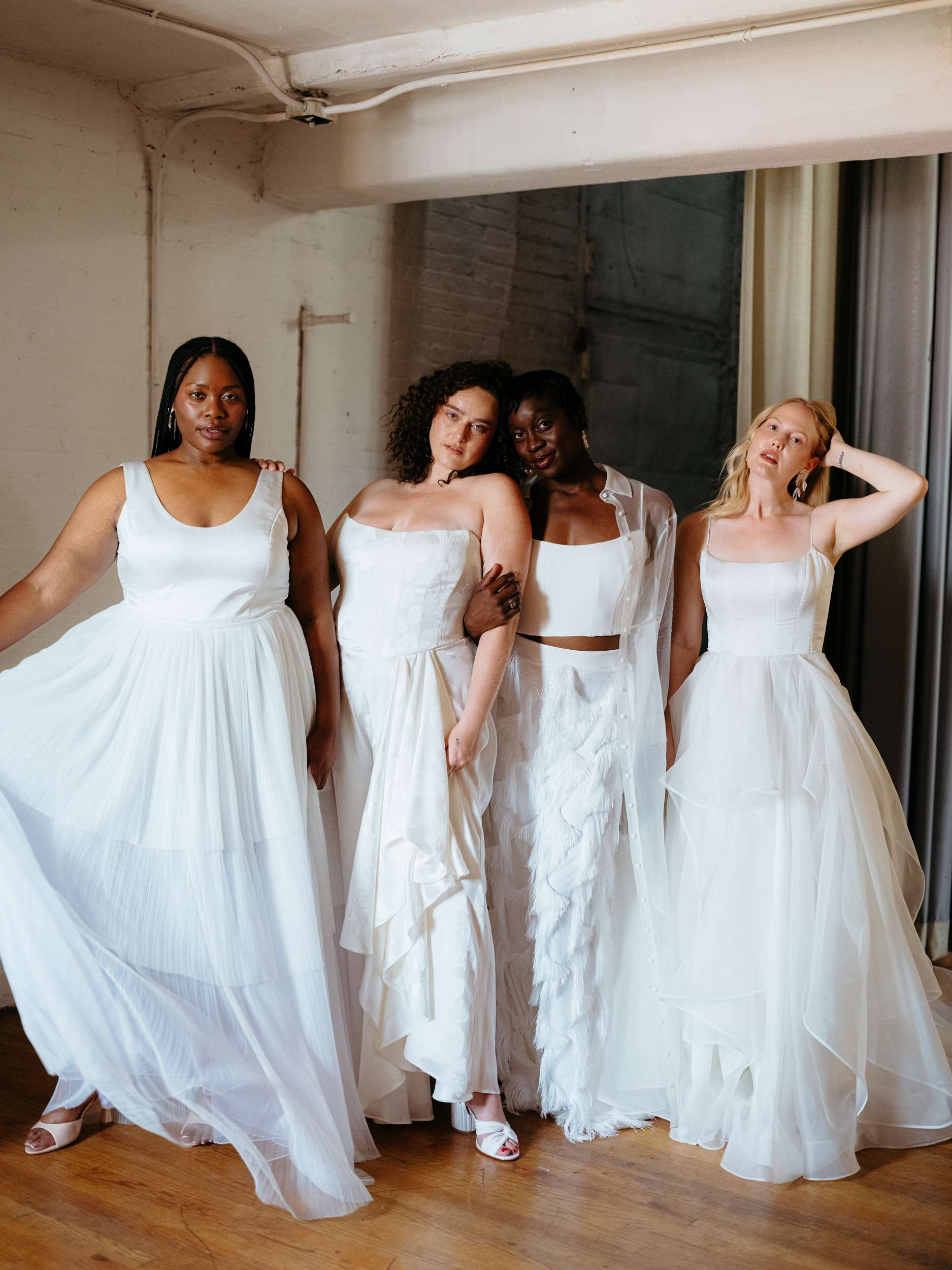
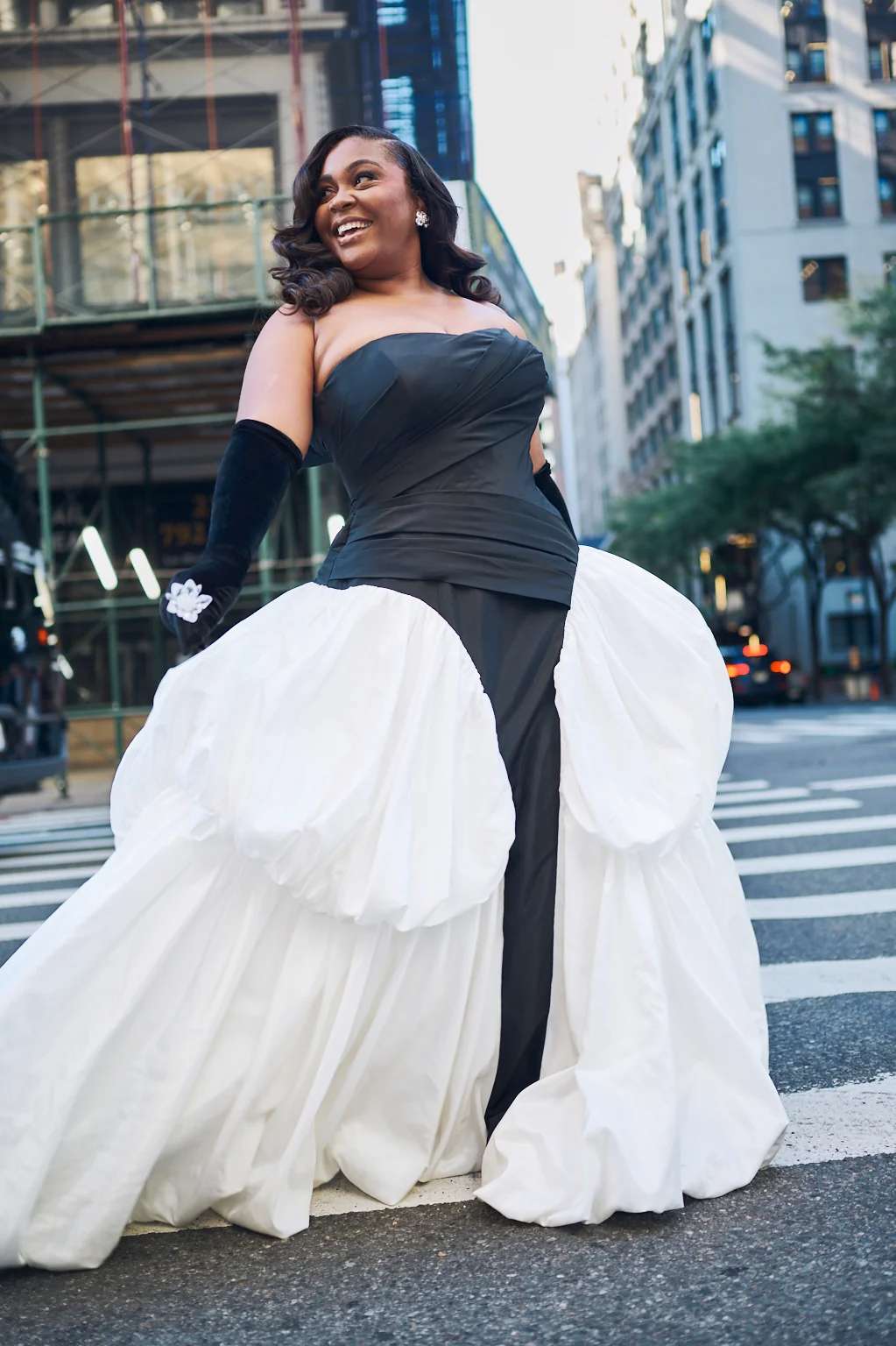
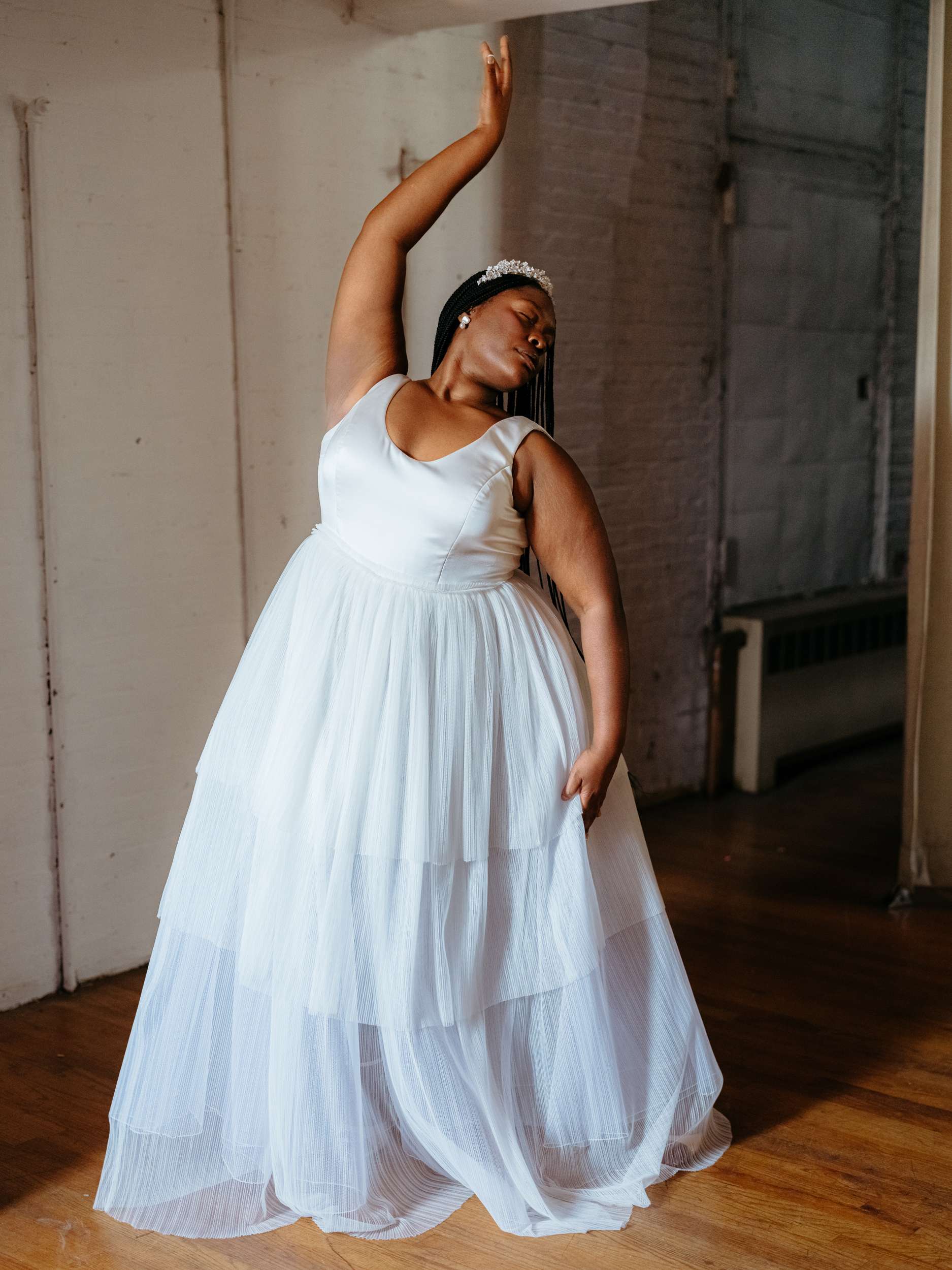
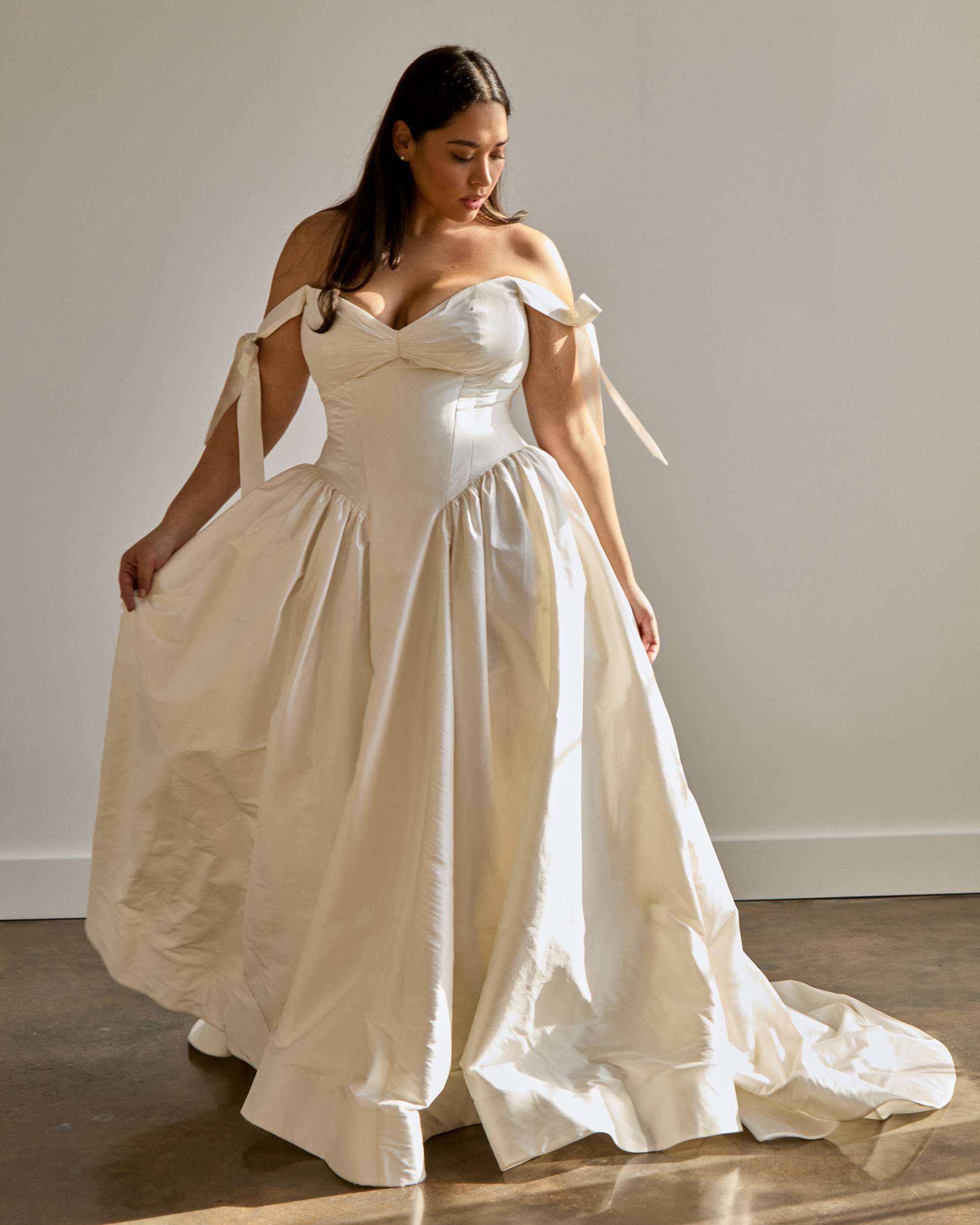
However, there were glimmers of change. Mélange de Blanc provided a more promising landscape. Brands like ElleNElle Bridal made a definitive statement by casting full-figured models, signaling that their designs were conceived with curvy bodies in mind, not just "scaled up" from a smaller template. Loulette Bride and Lara Knight utilized plus-size mannequins to ground their collections in the reality of their customers. Lumière Bridal stood out for its intentionality, launching a dedicated curve collection built from the ground up, recognizing that simply increasing the dimensions of a smaller pattern is a disservice to the wearer’s silhouette.
The Vicious Cycle: Why Boutiques and Designers Remain Stagnant
The most frequent defense offered by designers for the lack of inclusive samples is a logistical one: the "boutique bottleneck."
Many designers argue that independent bridal boutiques—the primary retailers of these gowns—are reluctant to purchase plus-size samples. Their rationale is often tied to limited floor space and the financial risk of stocking higher-cost, larger-sized inventory. Consequently, designers refrain from producing the samples because they don’t see the demand from retailers, and retailers don’t order the samples because they aren’t presented with them at market.
It is a self-perpetuating, cyclical failure. By refusing to break this loop, the industry forces the bride to engage in a "leap of faith" purchase: buying a gown based on a sample that is several sizes too small, hoping that the final product, once scaled up by the manufacturer, will somehow fit their body. As any tailor will attest, scaling a garment is not the same as designing for a specific body. A dress designed for a size 0 will never have the same structural integrity or aesthetic balance when merely enlarged to a size 30.
The Gold Standard: Tanner Fletcher’s Visionary Approach
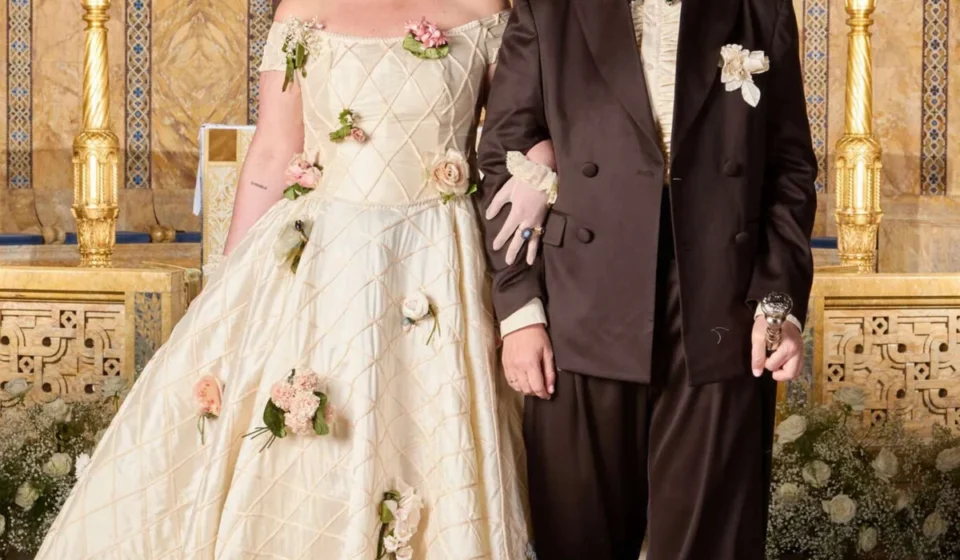
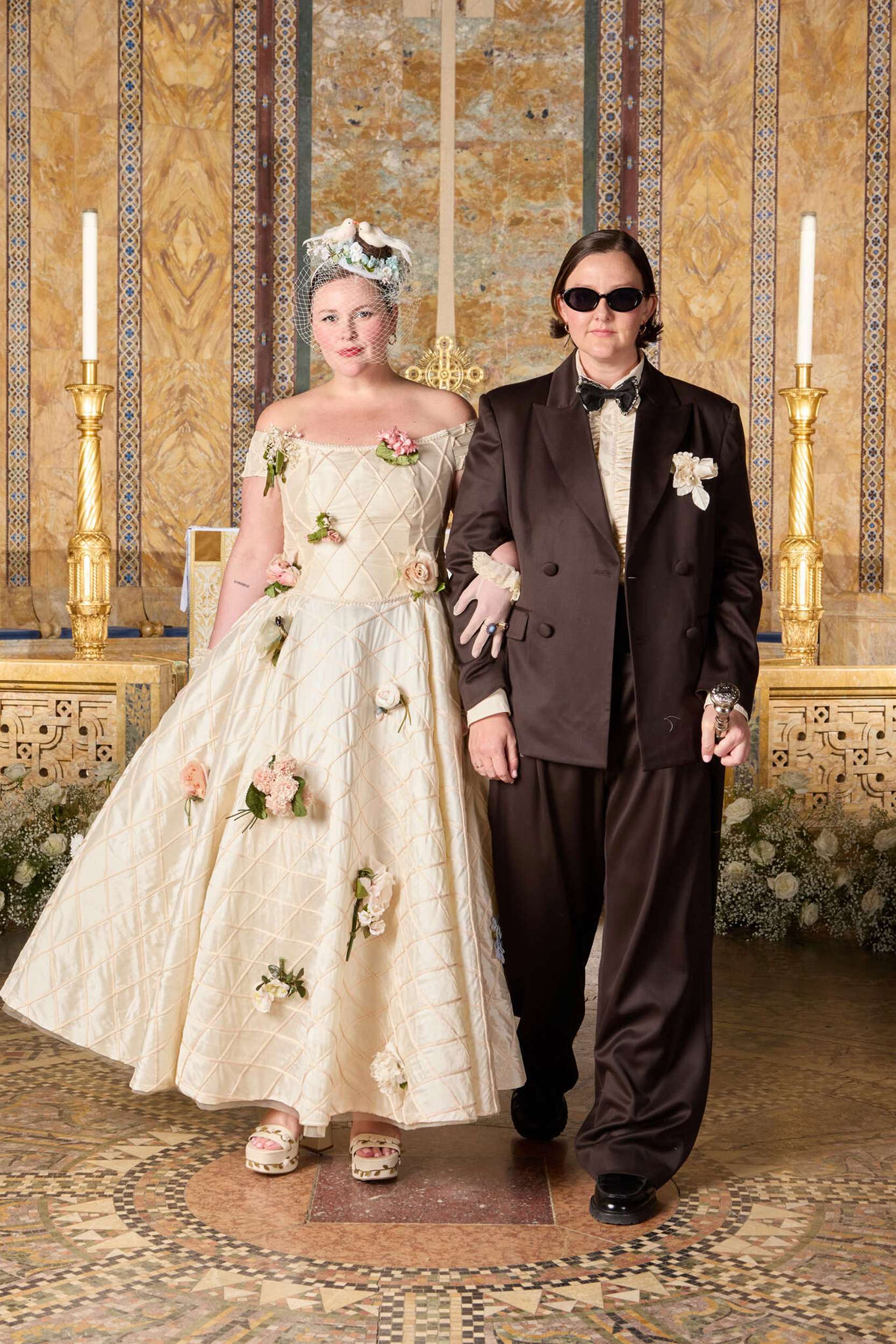
If the industry is looking for a blueprint for the future, they need look no further than Tanner Fletcher. Their presentation was not merely a collection; it was a manifesto.
Staged in a historic church, the runway featured a diverse cast of LGBTQIA+ individuals and curve models, eschewing the traditional "white wedding" trope in favor of something more theatrical, inclusive, and deeply human. By collaborating with independent Etsy creators for accessories and focusing on gender-fluid silhouettes, they challenged the very definition of what a wedding outfit can be. When designer Tanner Fletcher noted that he has no interest in creating yet another white wedding dress because "enough already exist," he highlighted the core of the issue: the industry is terrified of abandoning tradition, even when that tradition no longer serves the consumer.
The Cost of Staying Still
There is a prevailing narrative among established labels that "size inclusivity" is a luxury, an add-on that requires too much financial overhead for smaller, emerging brands to handle.
This is a profoundly short-sighted economic strategy. The current generation of nearlyweds—Gen Z and young Millennials—is fundamentally redefining the rules of the wedding industry. They are rejecting "gatekeeping" and seeking out brands that align with their values of authenticity and inclusivity.
Brands that refuse to adapt are not just failing a moral test; they are failing a business one. The financial pressure of attending NYBFW is undeniable, but the long-term cost of irrelevance is far higher. In a global marketplace where digital visibility is key, a brand that does not show its clothing on a diverse array of bodies will be swiftly outpaced by competitors who do.
Implications: The Path Toward Accountability
The industry stands at a crossroads. We can continue to applaud the "bare minimum"—the occasional plus-size sample or the token casting of a non-traditional model—or we can demand a systemic overhaul.
Real change requires three pillars:
- Design Integrity: Designers must stop "scaling up" and start "designing for." Inclusive sizing must be an integral part of the design process, not an afterthought.
- Retail Accountability: Bridal boutiques must be willing to invest in inclusive samples, and manufacturers must provide the incentives or resources to make this feasible.
- Market Visibility: NYBFW must incentivize, or perhaps mandate, a minimum standard of diversity for brands participating in its official showcases.
The bridal industry is, at its heart, a witness to the most important moments of people’s lives. It is time for it to stop hiding behind the fantasy of a narrow aesthetic and start representing the people it actually serves. We must amplify the designers who are doing the work—the ones bringing curve collections to the floor, the ones casting a wider net of beauty—and hold the others to a higher standard.
The future of bridal is not a singular, narrow image. It is diverse, it is bold, and it is inclusive. The brands that fail to see this will find themselves standing alone at the altar of an industry that has moved on without them. The era of the "exclusive" bride is over; the era of the real bride has finally arrived.