
In an era defined by rapid technological advancement and a growing desire for personalized, functional living, the landscape of consumer goods is shifting. Modern shoppers are no longer just looking for utility; they are seeking products that blend whimsy with high-end performance. From the intersection of culinary technology to the resurgence of tactile hobbies, this report examines a selection of lifestyle products currently making waves in the marketplace.

The Evolution of the Modern Home: A Shift Toward Functional Whimsy
The contemporary home has become a sanctuary of self-expression. Recent market trends indicate that consumers are increasingly drawn to items that serve a dual purpose: they must perform a task effectively while simultaneously acting as a conversation piece.
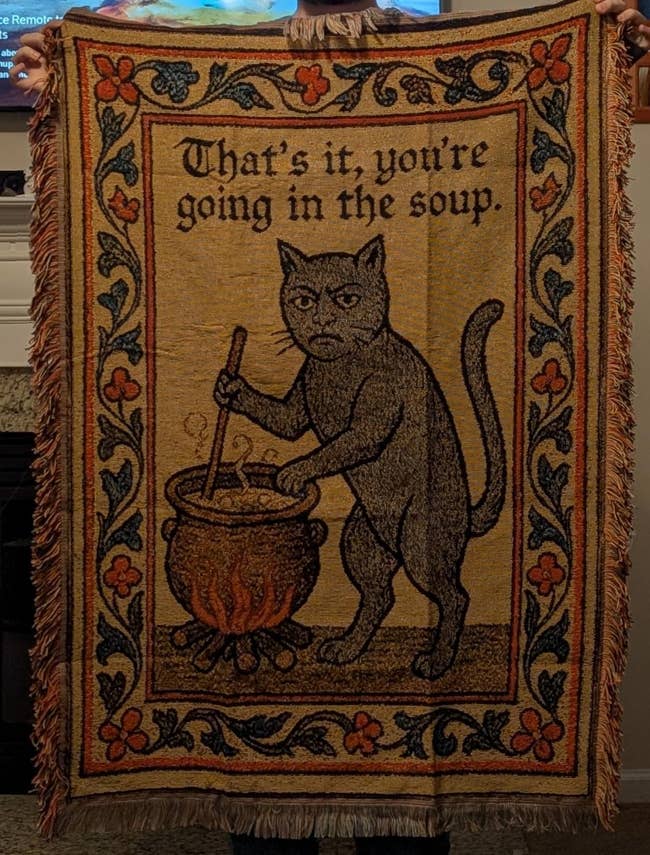
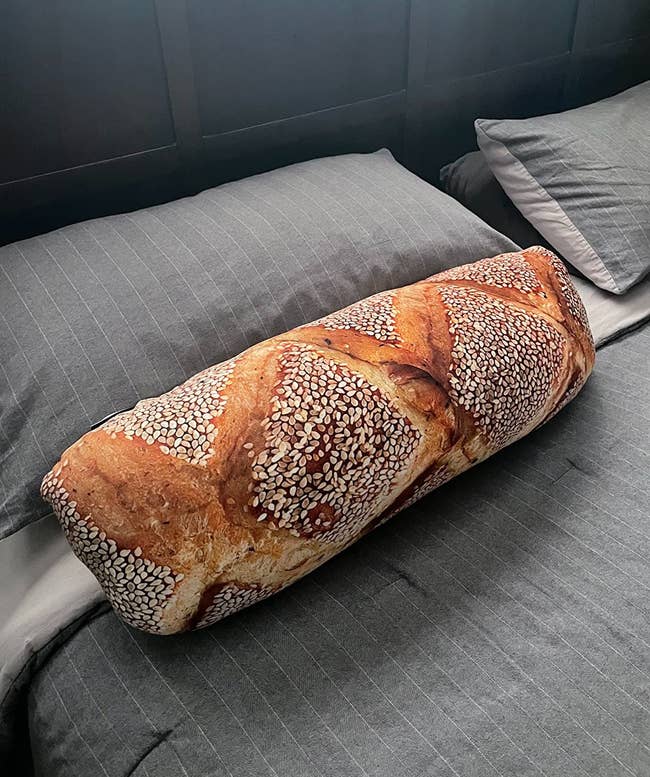
This trend is perhaps best exemplified by the recent popularity of niche decorative items that challenge traditional aesthetics. Whether it is a tapestry featuring a "soup-stirring cat" or a throw pillow realistically rendered to look like a seeded baguette, these items suggest that the modern consumer values personality as much as they value practicality.
Culinary Gadgets: Where Innovation Meets Necessity
The kitchen remains the heart of the home, and recent technological entries into this space have focused on simplifying labor-intensive tasks.

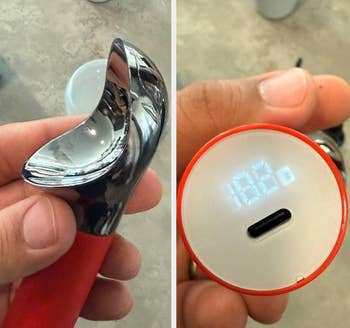
- The Heated Ice Cream Scoop: For those who frequent the freezer aisle, the advent of the rechargeable heated ice cream scoop—which maintains a temperature of 158 degrees—represents a significant leap in convenience. By eliminating the struggle of manual scooping, this device addresses a minor but persistent daily frustration.
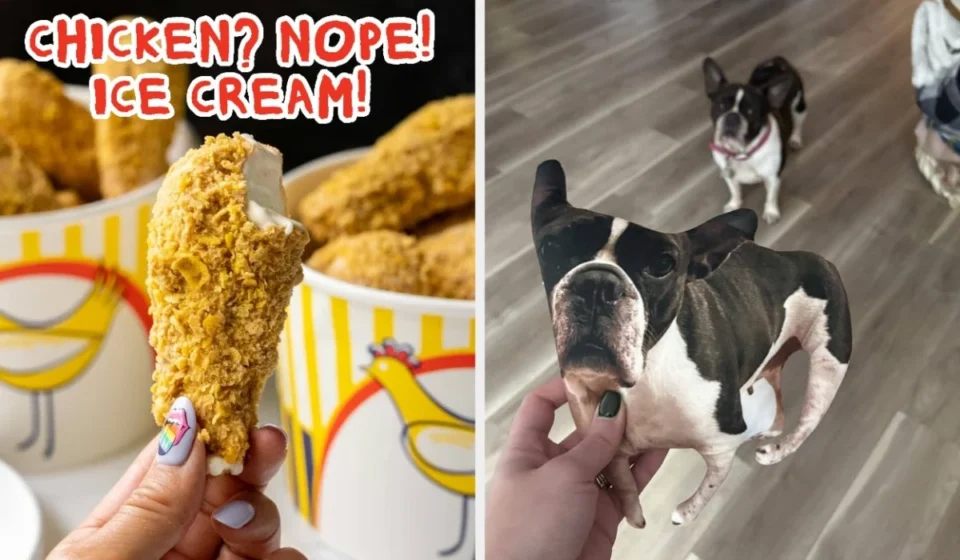
- The "Not Fried Chicken" Ice Cream: Artisanal treats have also gained traction. The viral "Not Fried Chicken" ice cream, which utilizes a chocolate-covered cookie "bone" and a cornflake coating, serves as a masterclass in texture-driven culinary design.
- The Retro Hot Dog Toaster: Moving away from the stovetop, the rise of specialized toasters—specifically designed to cook hot dogs and buns simultaneously—highlights a preference for appliance-specific solutions that save time and ensure consistent results.
Chronology of Product Adoption: From Niche to Necessity
The journey of these products often begins on social media platforms, particularly TikTok and Instagram, where short-form video content allows for immediate demonstration of a product’s utility.
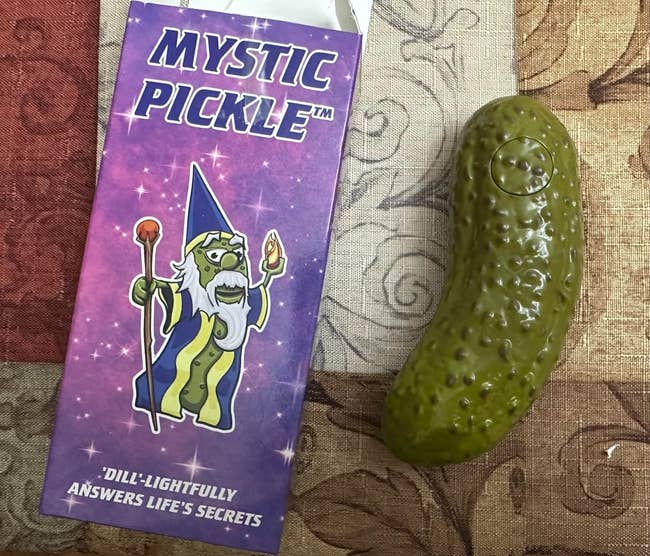
- Early Phase (Discovery): Products like the "fortune-telling pickle" or the R2-D2-shaped mini-fridge gain momentum through organic, user-generated content. These items often rely on their "quirk factor" to capture the attention of a digital-native audience.
- Middle Phase (Validation): As products reach early adopters, the influx of reviews serves as a crucial filter. Reviews for items like the square-toe ballet flats, which are frequently cited as affordable alternatives to high-end designer footwear, demonstrate that the modern consumer is highly conscious of price-to-value ratios.
- Late Phase (Mainstream Integration): By the time a product reaches broad market penetration—such as the Ninja Creami dessert maker—it has usually transitioned from a novelty gift to a permanent fixture in the home.
Supporting Data: Why Consumers Are Buying In
Data from user feedback and sales trends suggest that the current consumer demographic is prioritizing three main pillars: comfort, personalization, and "Instagrammability."
The Comfort Economy
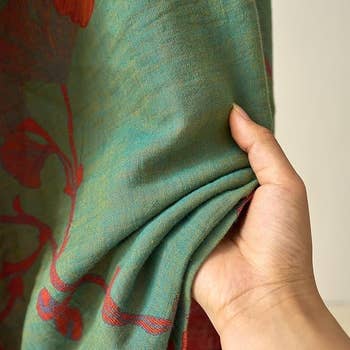
The demand for high-quality loungewear and relaxation tools has seen a sustained increase. The popularity of the cotton gauze robe, decorated with botanical prints, reflects a broader move toward "romanticizing" daily rituals, such as the post-shower routine. Similarly, the surge in sales for Dr. Teal’s magnesium soaks highlights a consumer base that is increasingly focused on recovery and self-care in the wake of high-stress work environments.

Personalization and Identity
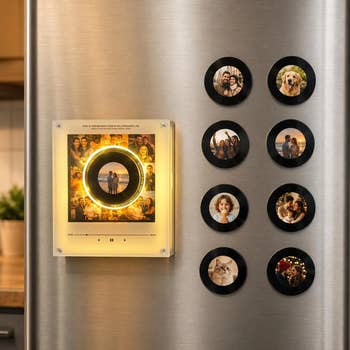
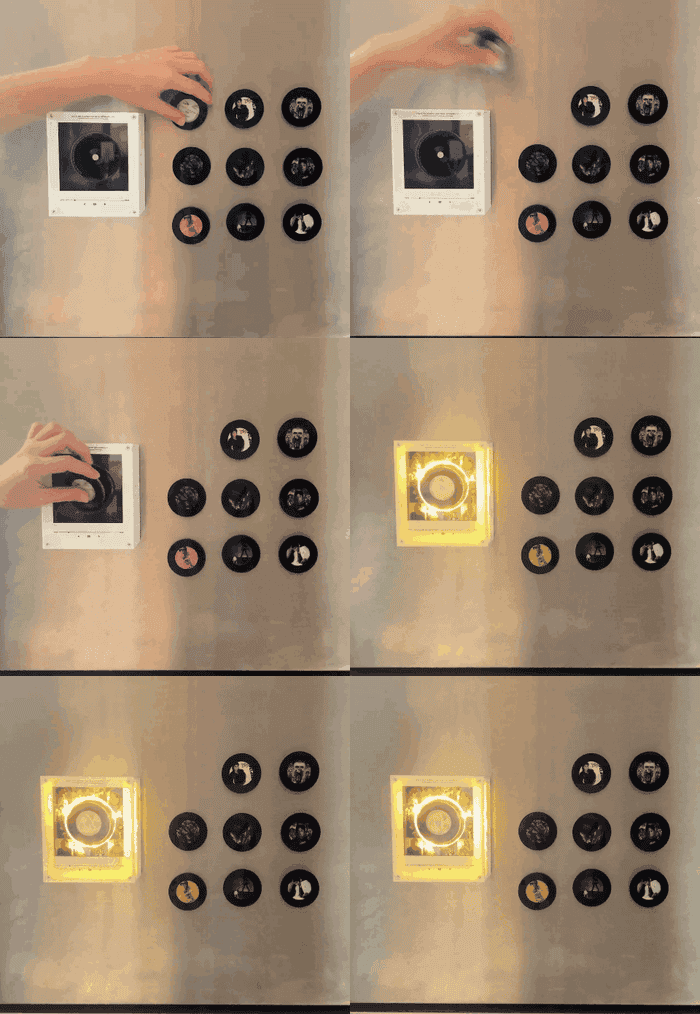
Products like the custom mini-record fridge magnet or the "ugly pet" custom pillows cater to the human desire for unique, one-of-a-kind possessions. By allowing customers to input personal photographs or choose specific configurations, these brands foster a deeper connection between the buyer and the object.

The Return of Analog
Despite our digital-first lives, there is a distinct trend toward tactile experiences. The success of the Kodak Mini 2 portable photo printer, which bridges the gap between digital photography and physical mementos, proves that the tactile experience of holding a photo remains a powerful emotional anchor for consumers. This is further echoed by the popularity of the Murdle series, a book-based logic puzzle that encourages screen-free brain exercise.
Official Perspectives and Expert Analysis
Industry analysts suggest that the rise of these "kooky" but functional items is a direct reaction to the monotony of mass-produced, utilitarian goods.
"Consumers are looking for ‘joy’ in their utility," notes one retail consultant. "When you buy an R2-D2 fridge, you aren’t just buying a place to store soda; you are purchasing a small slice of nostalgia that changes the mood of your home office. It’s an emotional purchase that happens to solve a storage problem."

Furthermore, small businesses are finding significant success by positioning themselves as creators of "wearable art." Brands like Moon-Seed, which produces hand-painted geometric earrings, emphasize the human element of craftsmanship, a quality that is increasingly sought after in an age of automated production.

Implications for the Future of Retail
The success of these items carries several implications for the future of the retail sector:

- The Death of the "Boring" Essential: Manufacturers can no longer rely on purely functional branding. Future products must be aesthetically distinct to compete for space in the consumer’s home.
- Community-Driven Curation: The "viral" nature of these products means that brands must be active participants in the online communities where their products are discussed. Success is now inextricably linked to transparency, as evidenced by the high volume of review-based marketing.
- Inclusive Pricing: A notable trend in this list is the wide range of price points. From $7.99 frog earrings to $249.95 high-performance blenders, the market is catering to a diverse audience that wants to participate in trends regardless of their budget.
The Role of Trust
As established by platforms like BuzzFeed Shopping, the "Trust Factor" is becoming the most valuable currency in e-commerce. Consumers are increasingly skeptical of "glossy fluff." They want to know the truth: Does it really work? Is the material actually soft? Is the sound quality on those headphones worth the price? By prioritizing honest, experience-based feedback over marketing jargon, the retail landscape is becoming more transparent, ultimately leading to higher levels of consumer satisfaction.
Conclusion: Balancing Whimsy and Utility
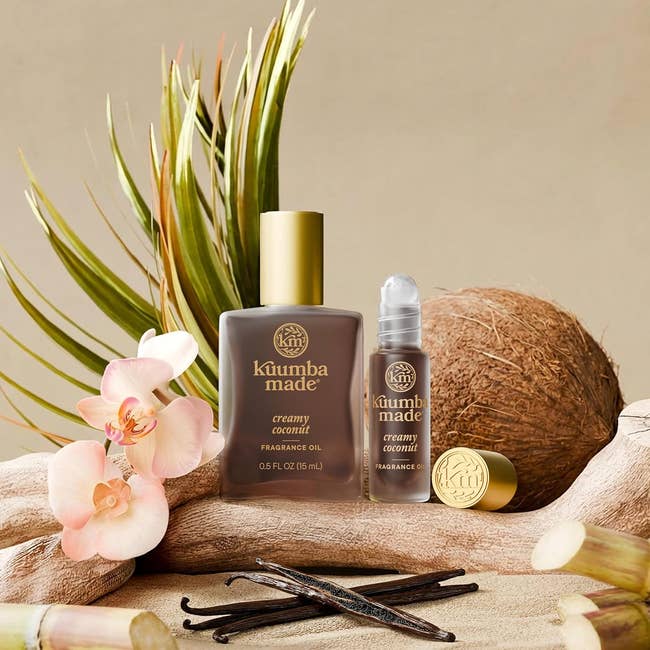
Whether it is a $16 enamel keychain that advocates for "women’s wrongs" or a high-end scent inspired by the jazz legend Duke Ellington, the products that define our current zeitgeist are those that manage to bridge the gap between our emotional needs and our practical requirements.
As we look toward the future, the most successful products will likely continue to be those that don’t take themselves too seriously. In a world that is often chaotic and demanding, a little bit of whimsy—a fortune-telling pickle, a robot-shaped fridge, or a pair of dinosaur-shaped ice pop molds—serves as a necessary reminder that our homes should be places of joy, creativity, and, above all, comfort. By embracing these small, curated innovations, we do more than just fill our shelves; we curate a life that feels authentic to our individual personalities.
Related posts: