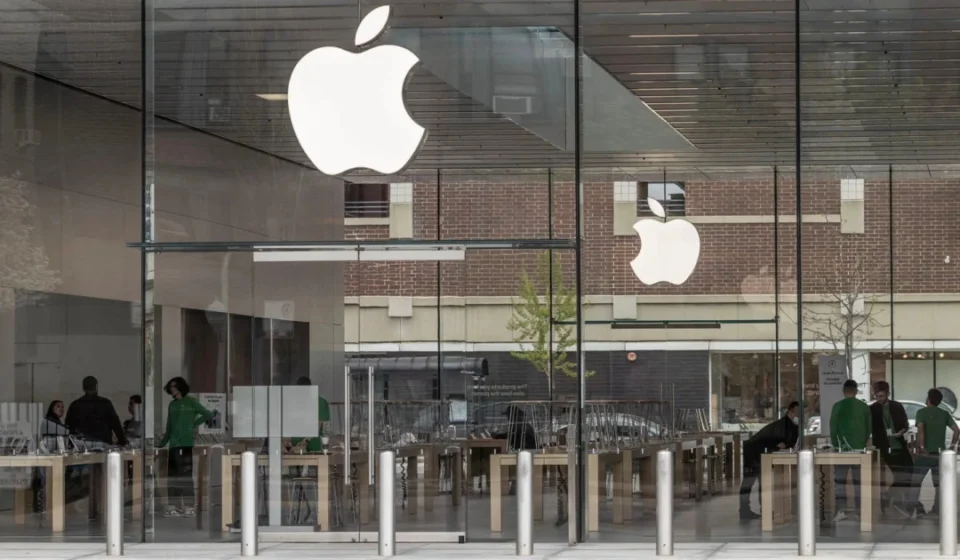
The Silicon Panopticon: Apple’s "Live Notes" Pilot Sparks Internal Debate Over Privacy and AI Surveillance

In an era where Artificial Intelligence is increasingly woven into the fabric of corporate operations, Apple has initiated a bold, albeit contentious, pilot program within its retail ecosystem. The tech giant, currently locked in a fierce battle for the title of the world’s most valuable company, has begun testing a system dubbed "Live Notes" at its iconic Genius Bar locations. The initiative aims to leverage generative AI to transcribe and summarize customer-employee interactions, ostensibly to reduce the administrative burden on service staff. However, the move has triggered a wave of anxiety among employees, raising fundamental questions about the boundary between efficiency-boosting technology and invasive workplace surveillance.
The Mechanics of Live Notes: A Technical Overview
The "Live Notes" system is designed to streamline the post-service workflow that has long been a staple of the Apple Store experience. Typically, Genius Bar staff spend a significant portion of their time manually documenting hardware issues, repair logs, and customer preferences. By automating this process, Apple envisions a more fluid interaction where the employee can focus entirely on the customer rather than the keyboard.
According to reports from Bloomberg’s Mark Gurman, the process is straightforward: when an employee initiates a session, the system listens to the conversation, generates a real-time transcription, and then uses a Large Language Model (LLM) to distill the interaction into a concise, actionable summary. This summary is then pushed directly to the employee’s iPad, ready to be reviewed, edited, and saved into Apple’s proprietary internal Genius Bar database.
Critically, the system is not intended to be a silent, background observer. Apple has built in a mandatory "double-opt-in" architecture. Both the customer and the Apple employee must explicitly consent to the recording before the microphone activates. If either party declines, Live Notes remains dormant.
Chronology of the Pilot and Corporate Positioning
The introduction of Live Notes comes at a time of immense pressure for Apple. The company is navigating a complex landscape involving massive AI investments, high-stakes legal battles with competitors like OpenAI, and a fluctuating stock price that recently saw it trade the title of "world’s most valuable company" with semiconductor titan Nvidia. Both firms are currently hovering around a staggering $5 trillion market capitalization, a testament to the immense value investors place on their respective AI strategies.
While the pilot was quietly rolled out in select locations, it quickly garnered attention as employees began to voice concerns about the long-term trajectory of the project. Apple, aware of the potential for a PR backlash, has attempted to preemptively address fears of "Big Brother" oversight.
In his Power On newsletter, Gurman noted that Apple has provided reassurances that the recordings themselves are not being archived or stored long-term. Furthermore, the company has explicitly stated that these transcripts are not being funneled to store managers for the purpose of performance reviews or disciplinary action. The ability for employees to manually edit the transcript and the AI-generated summary before finalizing the record is presented as a "human-in-the-loop" safeguard, ensuring the employee retains agency over their own professional logs.
The Broader Landscape of Corporate Monitoring
Apple’s move into AI-driven interaction logging does not exist in a vacuum. It is part of a growing trend of corporate entities adopting "productivity intelligence" tools that blur the line between operational optimization and invasive surveillance.
The industry has watched closely as other major players implemented similar, often more aggressive, monitoring technologies. Gizmodo recently highlighted the case of JPMorgan Chase, which implemented a comprehensive, and some might say "Orwellian," internal monitoring tool. This system tracks a wide array of metrics, including video call participation, meeting schedules, and even keystroke data. While JPMorgan defended the implementation as a tool for "awareness, not enforcement"—likening it to the screen-time features found on consumer smartphones—it drew immediate criticism from labor advocates and privacy experts.
Similarly, the culture at Meta—formerly Facebook—has been strained by attempts to quantify productivity through granular monitoring. Reports suggest that employee morale at the company took a significant hit as staff felt increasingly micromanaged by data-driven performance metrics. The disconnect became so pronounced that the company reportedly increased its office snack budget in a symbolic gesture to boost morale and "restore the vibes," a move that critics viewed as a band-aid solution to the systemic issue of declining trust between management and the workforce.
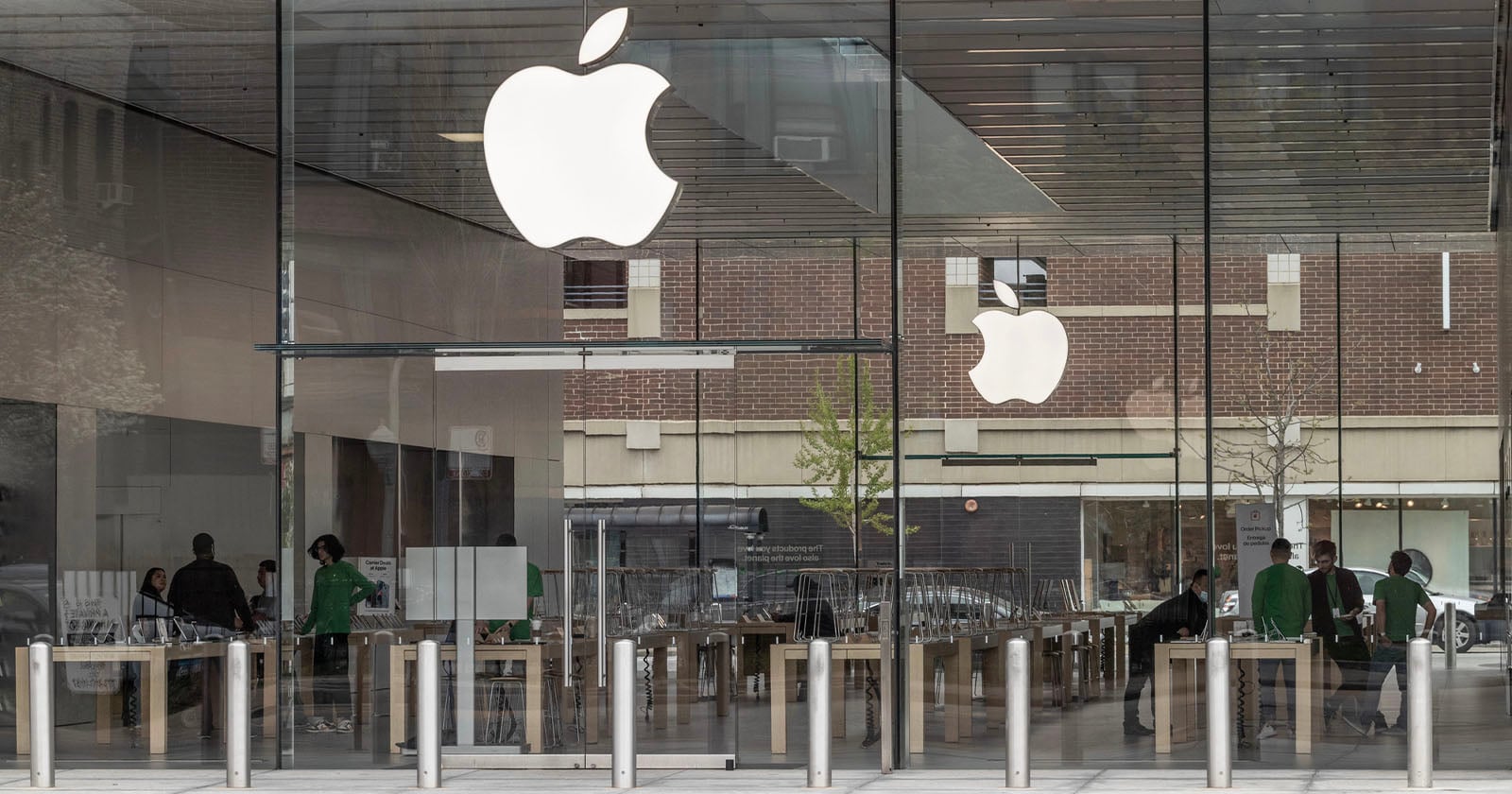
Implications: The Fear of Automation and Displacement
For Apple employees, the skepticism surrounding Live Notes is rooted in a historical distrust of "productivity aids." The central fear is not necessarily that the current iteration of the system is malicious, but that the infrastructure for total surveillance is being established today for a more restrictive use tomorrow.
The Performance Review Paradox
Employees are wary that while the recordings are currently kept away from management, this policy could change at any time. In a high-pressure retail environment where performance metrics are everything, it is easy to imagine a scenario where AI summaries become the primary tool for assessing a Genius’s technical proficiency, communication skills, and adherence to company scripts. If management gains access to these transcripts, the "human touch" that Apple prides itself on could be reduced to a series of check-boxes validated by an algorithm.
The Shadow of Replacement
Perhaps more existential is the fear of automation-driven displacement. If AI can accurately capture, summarize, and solve customer problems, the role of the human Genius becomes increasingly fragile. When an AI can handle the diagnostic phase of a customer interaction with 99% accuracy, the incentive for management to keep human staff levels high diminishes. For retail employees, the implementation of Live Notes feels less like a helpful assistant and more like the first step toward a future where the Genius Bar is staffed by kiosks and chatbots.
Ethical and Legal Considerations
The legal landscape regarding workplace surveillance is as fragmented as it is complex. While Apple’s "double-opt-in" policy satisfies the basic requirements of two-party consent laws, the power dynamic inherent in an employer-employee relationship raises significant ethical questions.
Can an employee truly "consent" to a recording if their refusal could be interpreted as a lack of cooperation with new corporate initiatives? Similarly, can a customer provide truly informed consent in a retail setting where the alternative is to forgo service entirely? Privacy advocates argue that when technology becomes a condition of employment or service, "consent" is effectively coerced.
Furthermore, the data security implications are profound. While Apple has a stellar reputation regarding consumer data privacy, the creation of a massive database of human conversations—even if summarized—represents a lucrative target for bad actors. The potential for these transcripts to be leaked, subpoenaed, or misused is a risk that the company must mitigate with extreme transparency.
Looking Ahead: The Future of the Genius Bar
As Apple continues to iterate on its AI strategy, the Live Notes project will serve as a bellwether for how the company balances its internal culture with its technological ambitions. Apple’s success has historically been built on the synergy between its hardware, software, and its highly trained retail staff. If the company miscalculates the implementation of these tools, it risks alienating the very people who define the Apple brand.
The company is currently at a crossroads. It can either position Live Notes as a genuinely empowering tool—one that allows employees to spend more time connecting with customers and less time on administrative overhead—or it can allow the system to drift into the territory of surveillance, potentially triggering a decline in employee engagement.
For now, the project remains in the pilot phase. The tech world, and specifically the retail sector, will be watching closely to see if the summaries produced by the AI actually improve the Genius Bar experience, or if the "Orwellian" fears of the workforce prove to be prescient. The $5 trillion question for Apple is not just about market cap or stock performance, but whether it can maintain the human element in an increasingly automated world.
If Apple fails to protect the privacy and morale of its frontline staff, the "Live Notes" initiative might be remembered not as a breakthrough in efficiency, but as the moment the company sacrificed its culture on the altar of AI optimization. As we move further into the decade, the ability of firms to deploy AI in a way that is ethical, transparent, and respectful of human agency will be the true measure of their success.