The Death of a Digital Icon: Why Sephora’s Community Closure Signals a New Era for Brand Strategy

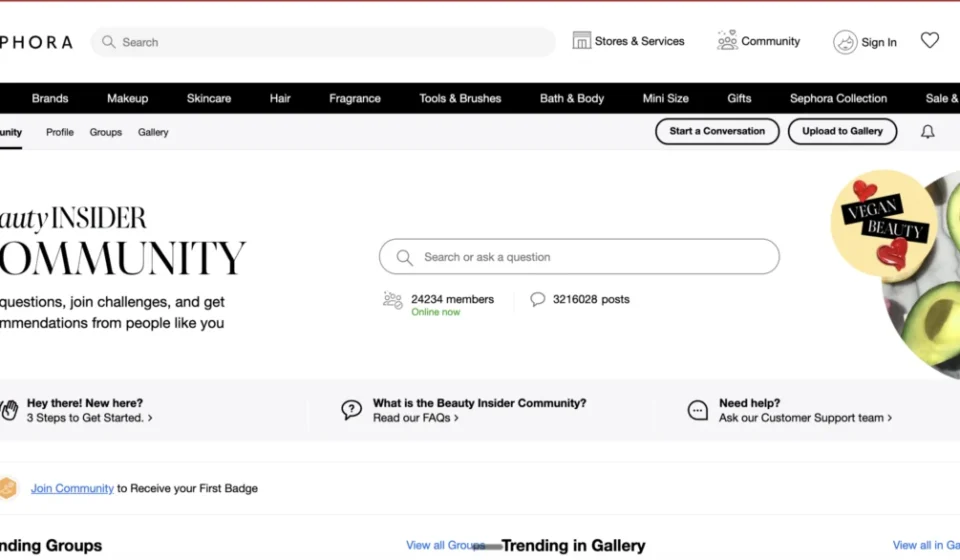
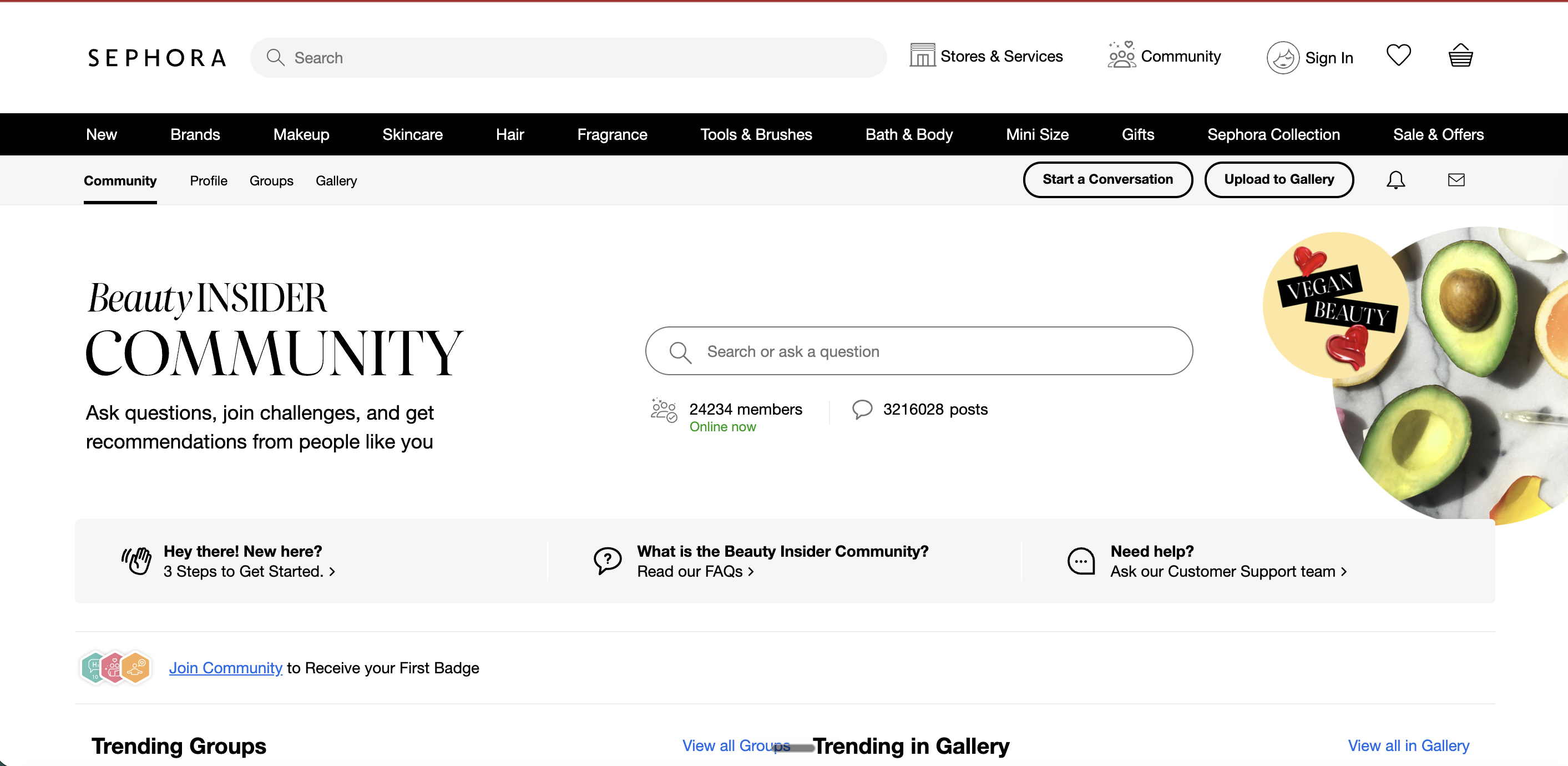
For over a decade, the Sephora Beauty Insider Community was the North Star of the digital marketing world. It was the "totemic" example cited in countless keynote speeches and strategy documents—a rare, thriving brand community that successfully transcended the mundane realm of customer support to become a genuine lifestyle hub.
However, in a move that has sent shockwaves through the community management industry, Sephora has officially pulled the plug on its forums. While the closure of a legacy platform might seem like a singular corporate decision, it serves as a critical case study for a much larger, seismic shift in how consumers interact with brands. According to Richard Millington, founder of the community strategy consultancy FeverBee, this isn’t just the end of a forum; it is the death of an era defined by brand-owned gated communities.
The End of an Era: Facts and Context
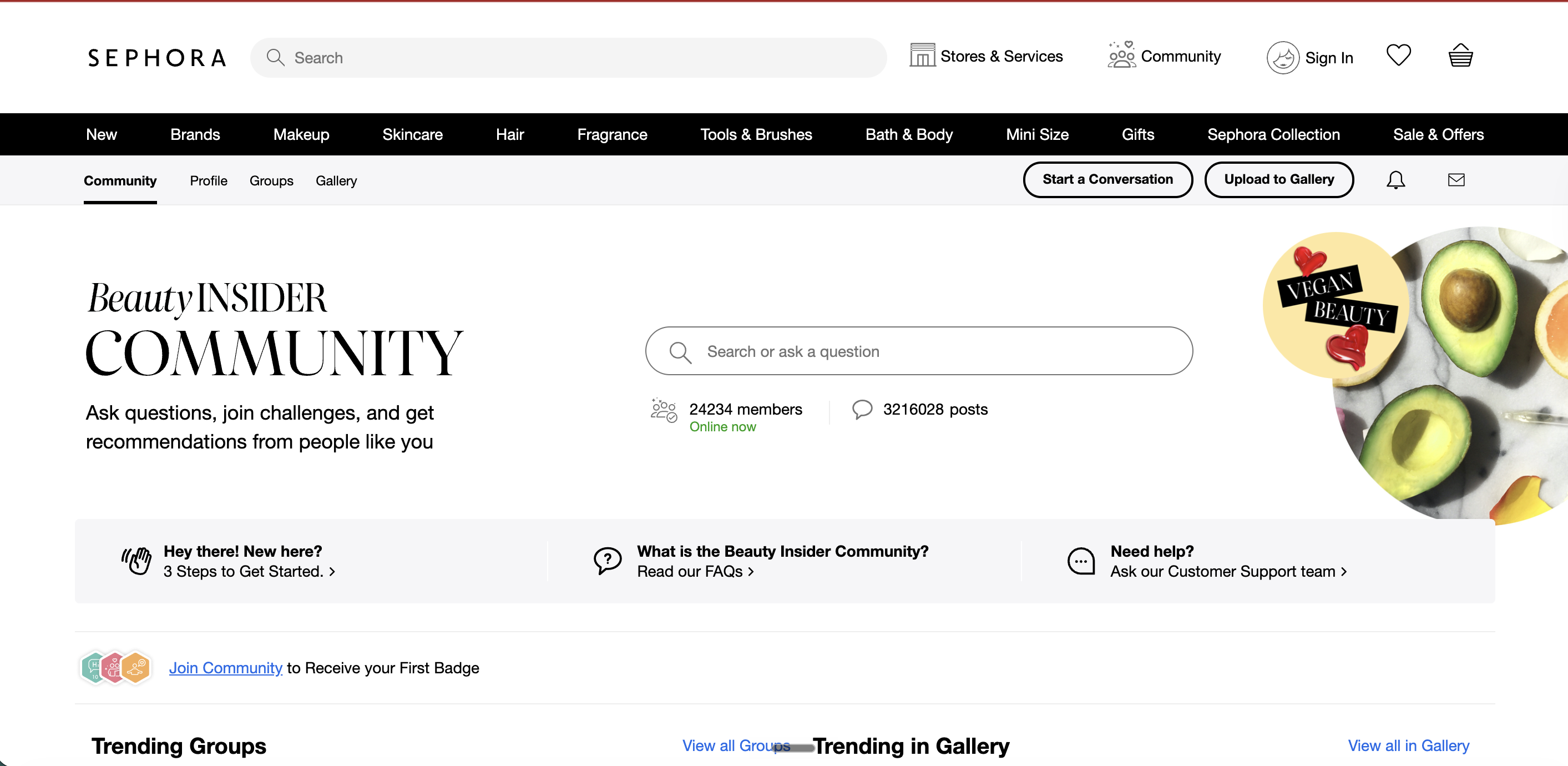
The Sephora Beauty Insider Community was widely regarded as the gold standard for non-support-centric engagement. Unlike technical forums where users congregate solely to troubleshoot broken software or seek refunds, the Sephora community was built on passion, trends, and peer-to-peer beauty advice.
Despite this, the platform has been shuttered. For those who have spent years building and nurturing these spaces, the news is melancholic. However, the decision to close the forums was not a sudden impulse or a failure of vision. In fact, professional consultants—including the team at FeverBee—had long advised that the platform was facing an insurmountable decline.
The closure forces a difficult question upon the marketing community: If the "best-in-class" brand community cannot survive in the current digital landscape, what does that mean for the thousands of other businesses attempting to replicate that success?
A Chronology of Decline
To understand the collapse of the Sephora forums, one must look at the divergence between the brand’s financial success and its community engagement metrics.
- The Golden Years (2010s): Sephora established its forums as a destination for beauty enthusiasts. At the time, social media was fragmented, and a dedicated, brand-controlled space offered a sense of exclusivity and direct access to brand expertise.
- The Shift (2018–2022): As the "Community Everywhere" philosophy began to take hold, the digital landscape underwent a radical transformation. Users began favoring third-party platforms that offered higher liquidity of information and lower barriers to entry.
- The Divergence (2023–2025): While Sephora’s revenue continued to reach record highs, forum engagement began a precipitous, consistent decline. The brand reached a point where the cost of maintenance and moderation no longer yielded a commensurate return in community sentiment or customer loyalty.
- The Final Curtain (2026): Sephora announced the retirement of the forum, marking the official end of its tenure as a central hub for its digital community.
The Data: The "Smoking Gun" of Third-Party Migration
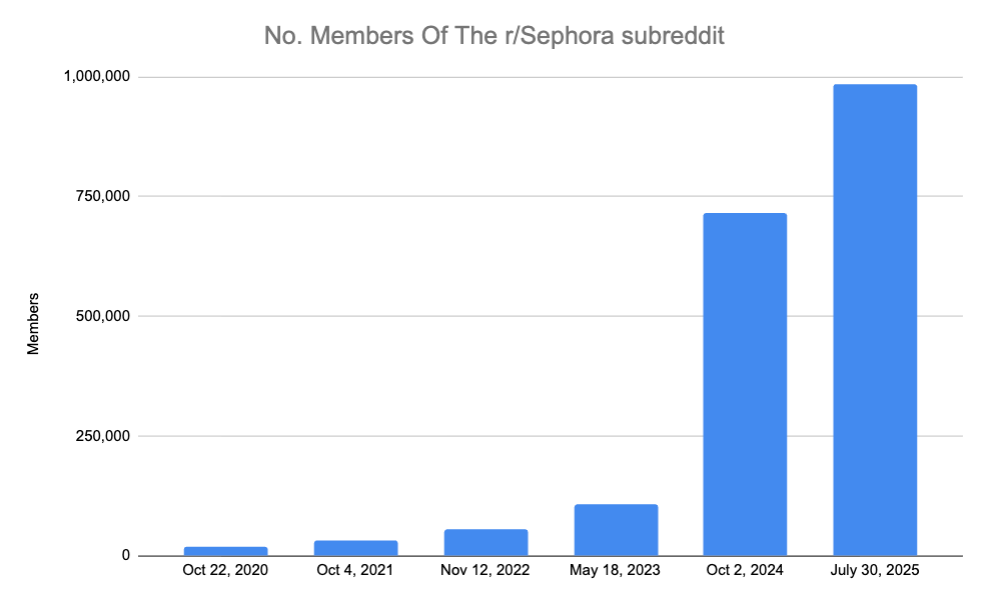
The primary driver behind the decline of the Sephora forums is not a lack of interest in beauty products, but rather a change in where those conversations occur. The data points to a clear culprit: the rise of Reddit.
By comparing the activity levels of the official Sephora forums with the r/Sephora subreddit, the disparity becomes impossible to ignore. Using archival data and current posting averages, the contrast is stark:
- Official Sephora Forums: As of May 2026, the official community was generating approximately 89 posts per day, totaling about 621 posts per week.
- r/Sephora Subreddit: In the same timeframe, the community-led subreddit was attracting over 6,400 posts per week.
This means that for every single interaction happening on the brand-owned platform, there were roughly 10 interactions happening on a third-party platform that the brand does not own, control, or moderate. This shift was accelerated significantly between 2023 and 2024, a period during which search engines began prioritizing user-generated discussions on platforms like Reddit over proprietary brand forums.
The "Path of Least Resistance"
Why are users flocking to Reddit? The answer lies in the concept of "path of least resistance."

Modern consumers are efficiency-driven. Reddit, Facebook groups, and Discord servers are platforms that users already visit daily. They have built-in notification systems, algorithmic feeds that surface content relevant to the user’s interests, and a density of participants that ensures quick responses to questions.
A brand-owned community, by contrast, requires a user to make a deliberate effort to navigate away from their daily digital habits, log in to a separate portal, and engage in a space that may feel less spontaneous or "raw" than the open internet. Sephora provided rewards and exclusive content to incentivize this behavior, but ultimately, ease of use triumphed over branded loyalty programs.
The Blockbuster Parable
In the world of business strategy, there is a recurring temptation to believe that if one simply adds "more" features—better rewards, more exclusive webinars, or sleeker UI—a failing project can be saved.
Richard Millington draws a poignant parallel to the fall of Blockbuster. In the final years of the video giant, there were countless suggestions on how to save the stores: better popcorn, loyalty cards, or more aggressive advertising. But none of those interventions addressed the underlying, existential threat: the shift in how people consume media. The only thing that could have saved Blockbuster was to fundamentally pivot their business model, as Netflix did.
Sephora faced the same reality. No amount of "gamification" or forum updates could reverse the tide of consumer behavior shifting toward decentralized, third-party social ecosystems. To "fight the tide" is to engage in a losing battle. Acknowledging that the era of the centralized, brand-owned forum has passed is not a failure; it is an act of strategic maturity.
Implications for Future Community Strategy
So, where does this leave the community strategist? The closure of the Sephora forums is not an indictment of community-building as a practice; rather, it is a call for a radical rethink of how communities are structured.
1. Embrace "Community Everywhere"
The future of brand-led engagement is not about drawing users into a "walled garden." It is about meeting the audience where they already exist. This involves brands participating in subreddits, Discord channels, and influencer-led Facebook groups. While this is objectively harder to measure and organize within a corporate structure, it is the only way to remain relevant.
2. The Role of Forums is Changing
Forums are not dead in the sense that they will vanish entirely. They will continue to exist, but their utility has changed. For customer support and technical troubleshooting, forums remain highly effective—and potentially poised for an AI-driven resurgence where they serve as "authoritative databases" for machine learning models. However, for social interaction and community building, they are increasingly redundant.
3. Let Go of Control
The desire to "own" the platform and the data has long been the primary motivation for building proprietary communities. Yet, the Sephora case proves that ownership at the expense of engagement is a hollow victory. If the users are not there, the data is meaningless. Brands must transition from being "landlords" of their own platforms to being "participants" in the wider digital ecosystem.
Conclusion: Adapting to the Tide
The Sephora Beauty Insider Community was a pioneer, and its success paved the way for a generation of marketers to understand the value of community. Its closure should not be mourned as a loss of vision, but recognized as the conclusion of a successful, decades-long run.
The market has spoken, and it has moved on to more fluid, interconnected, and user-centric platforms. For brands, the lesson is clear: your community strategy must be as dynamic as your audience. When the habits of your customers shift, your technology and your approach must shift with them. The moment a brand chooses to cling to an outdated model in the name of control is the moment they begin their long, inevitable decline into irrelevance.
The tide is rising. Smart brands will learn to swim in the open water rather than trying to build a dam against it.