The Domestic Frontier: Why Americans Experience Culture Shock Without Leaving the Country

Can you experience culture shock while traveling within your own country? For many Americans, the assumption is that the United States is a relatively homogenous landscape of interstate highways, familiar chain restaurants, and standardized retail experiences. However, the reality is far more complex. Spanning 50 states and various territories, the U.S. acts less like a singular nation and more like a collection of distinct cultural micro-climates.
When a recent Reddit thread invited travelers to identify the specific triggers that make them feel like they are “abroad” while still on U.S. soil, the response was overwhelming. Hundreds of users contributed personal anecdotes, revealing that from the atmospheric pressure of the humidity to the unwritten rules of the road, the American experience is defined by radical, localized diversity.
The Atmospheric Divide: Humidity and Climate
The most immediate, visceral shock reported by domestic travelers is atmospheric. Climate acts as the first barrier to feeling “at home.” For those hailing from the arid high deserts of the West, the thick, heavy air of the Gulf Coast or the mid-Atlantic can be physically jarring.
“It can suck the life out of you,” one Reddit contributor noted regarding the perpetual, dense humidity of Houston. This sentiment is echoed across Florida, Mississippi, and Louisiana, where the moisture in the air is often described as a tangible weight. Conversely, residents of these humid regions find the dry air of places like Arizona or Nevada equally disorienting. Travelers frequently report waking up with nosebleeds or suffering from parched skin, a direct physiological reaction to the lack of ambient moisture. These environmental shifts serve as an instant indicator that one has crossed a significant geographical threshold, reminding travelers that their body is no longer calibrated to its home environment.
Topography and the Psychology of Place
Beyond the air we breathe, the physical landscape plays a profound role in our sense of belonging. The U.S. contains everything from tectonic mountain ranges to vast, flat plains and rugged coastlines. For those who grow up in one type of environment, the sudden introduction to another can be transformative.
One poignant anecdote shared in the discussion involved a traveler from a mountainous state visiting Florida for the first time. Upon looking out the window, the visitor mistook small, gentle hills for mountains, only to be corrected by a local. The reverse is also true; people who spend their lives in flatlands are often rendered speechless by their first encounter with the ocean or the dramatic elevation of the Rockies.
The psychological impact of these landscapes is profound. When a traveler moves from the endless, sprawling suburban labyrinth of Los Angeles into the towering pine forests of the San Gabriel Mountains or the stark cactus-strewn deserts of the Southwest, the visual shift is so total that it triggers a subconscious "abroad" alert. It is a reminder that the American landscape is not a monolith, but a series of disparate ecosystems.
The Commercial Landscape: Grocery Stores and Retail Geography
Perhaps the most mundane yet jarring aspect of domestic travel is the retail environment. While global brands like Walmart and McDonald’s provide a veneer of consistency, regional grocery chains—and their absences—often highlight cultural boundaries.
The "grocery store shock" is a real phenomenon. Travelers often find themselves in stores with familiar logos but slightly different names, or, more confusingly, stores that they thought were defunct in their home state still thriving elsewhere. The Piggly Wiggly, for example, remains a cultural staple in parts of the South, while being a foreign entity to someone from the Pacific Northwest.
Data further supports this regional fragmentation:
- Costco: Rhode Island, West Virginia, and Wyoming remain the only states in the union without a single Costco location.
- Trader Joe’s: This cult-favorite grocery chain is entirely absent from eight U.S. states.
These small retail discrepancies serve as anchor points for the "culture shock" experience. When you cannot find your usual brand of coffee, or you encounter a local supermarket chain that has its own unique layout and product selection, the familiar sense of convenience is replaced by the need to navigate an unfamiliar system.
The Culinary Map: Breakfast and Beyond
If the grocery store is the framework of American food, the restaurant is its soul. Many travelers report that food is the primary indicator that they have left their regional comfort zone.

Regionality in the U.S. is most fiercely guarded at the breakfast table. Biscuits and gravy, a Southern staple, can be difficult to find in the Northeast. Conversely, the "fry sauce" phenomenon in Wyoming and Utah—a simple concoction of ketchup and mayonnaise—was a source of genuine bewilderment for a Midwestern traveler, who noted that once they discovered it, it appeared in every restaurant they visited thereafter.
These culinary differences are not just about taste; they are cultural markers. They reflect the history, migration patterns, and local agriculture of a region. For many, discovering a local dish or a regional sauce is the highlight of domestic travel—a realization that there is no single "American" diet, but rather a patchwork of traditions.
The Legal and Administrative Maze: Alcohol and Local Ordinances
While food and landscape are aesthetic, the legal differences between states are where the shock becomes institutional. Alcohol laws in the United States vary so wildly that a traveler can go from a state where liquor is sold in grocery stores 24/7 to a state where, as in Pennsylvania, you must navigate state-run stores for wine and spirits and licensed distributors for beer.
Dry counties, Sunday "blue laws" that prohibit alcohol sales, and strict prohibitions on public consumption in cities like Ocean City, New Jersey, stand in stark contrast to the open-container policies of New Orleans or Las Vegas. These legal discrepancies force travelers to adjust their behavior immediately upon crossing state lines, serving as a bureaucratic reminder that they are in a jurisdiction with different values and regulations.
The Media Landscape: Billboards and Advertising
The "atmosphere" of a region is often curated by its advertising. The media landscape—billboards, local radio, and television commercials—varies drastically by state.
In rural areas, billboards advertising agricultural machinery, tractors, and fertilizers are common, providing a stark visual contrast to the digital-heavy, lifestyle-oriented advertising of urban centers. Furthermore, the presence or absence of billboards themselves acts as a major cultural marker. Four states—Alaska, Hawaii, Maine, and Vermont—have banned billboards entirely to preserve natural beauty. For a traveler from a state where billboards are the primary form of roadside communication, entering one of these states can feel like stepping into a cleaner, more serene version of reality.
Additionally, political and religious advertising serves as a lightning rod for culture shock. When travelers from liberal urban areas encounter deeply conservative, faith-based messaging on highway billboards in rural regions, the disconnect is immediate. It serves as a reminder that the political and social geography of the U.S. is just as fractured as its physical geography.
The Unwritten Rules of the Road
Perhaps the most universally cited experience of domestic culture shock is the act of driving. Every region of the U.S. seems to possess its own "unwritten rules" of the road.
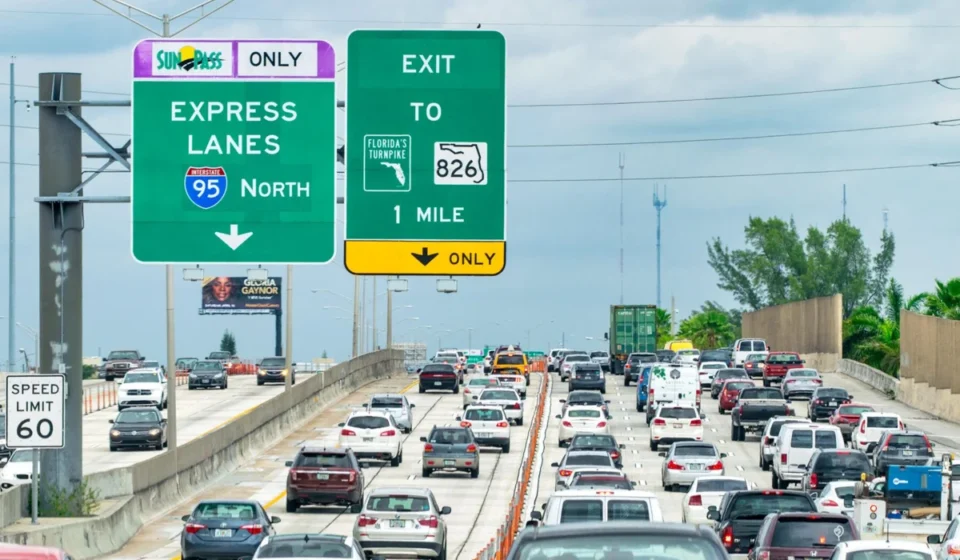
In dense urban centers like New York or Chicago, the driving style is often characterized by aggression and a lack of patience, a necessity born of traffic congestion. In contrast, rural areas often feature a more relaxed pace, where drivers are expected to yield to local traffic or even livestock. Road signage also changes in style, color, and font, and the quality of infrastructure varies from state to state.
When a traveler finds themselves forced to adapt to a new set of driving habits—or, conversely, when they realize they must abandon their car entirely for public transit—the reality of their surroundings becomes crystal clear. Driving is an intimate act of navigation, and when the rules change, the traveler feels the change in their bones.
Conclusion: A Nation of Nations
The United States is often categorized by its national identity, but the true essence of the country is found in its regional differences. Whether it is the oppressive humidity of the South, the absence of billboards in Vermont, the presence of fry sauce in the West, or the confusing alcohol laws of the mid-Atlantic, these shocks remind us that the U.S. is not a monolith.
Traveling within the U.S. offers the unique opportunity to experience a "domestic abroad." By leaning into these differences—the food, the landscapes, and the peculiar local customs—travelers can gain a deeper appreciation for the immense, varied, and often surprising culture of their own country. The next time you find yourself feeling like a fish out of water, consider it an invitation to explore a new facet of the American experience.