
The landscape of retail apparel has undergone a profound transformation over the past decade, driven heavily by social media integration, direct-to-consumer (DTC) logistics, and shifting consumer preferences toward versatile, transitional clothing. As online marketplaces like Amazon continue to capture significant market share in the budget-to-mid-tier fashion sectors, shoppers increasingly rely on peer-reviewed recommendations, viral trends, and cost-benefit analyses to curate their wardrobes.

This report examines a curated cross-section of top-performing apparel items currently trending across digital platforms, analyzing the underlying market dynamics, consumer feedback, pricing structures, and the broader implications for the future of everyday fashion.
Main Facts
- Platform Dominance: Online e-commerce aggregators and marketplaces are serving as primary testing grounds for viral fashion items, with user-generated reviews and social media platforms like TikTok driving rapid inventory turnover.
- Price Accessibility: The analyzed items span an accessible price range, starting as low as $6.99 for basic layering pieces and scaling up to approximately $53.99 for structured outerwear, prioritizing affordability without sacrificing stylistic versatility.
- Inclusivity and Sizing: Modern consumer demand has forced manufacturers to expand sizing matrices significantly. Several top-rated products now feature extended sizing running up to 7X, addressing historical gaps in the fast-fashion and budget-retail markets.
- Transitional Utility: A dominant theme among top-selling wardrobe staples is seasonal versatility—garments designed to function independently in warmer weather while easily layering for autumn and winter temperatures.
Chronology of the Direct-to-Consumer Fashion Boom
The integration of digital content creation with e-commerce retail has accelerated the lifecycle of clothing trends. The chronology of this modern retail phenomenon highlights how consumer behavior has shifted:

- Phase One: The Rise of Basic Staples (2018–2020)
The initial wave of online apparel popularity focused on foundational basics—such as buttery-soft leggings, basic bodysuits, and classic maxi dresses—offered at disruptive price points through online fulfillment centers. - Phase Two: The Loungewear Shift (2020–2022)
Global shifts toward remote work and home-based lifestyles propelled matching sets, waffle-knit loungewear, and stretchy cargo joggers to the forefront of consumer demand, prioritizing comfort alongside polished aesthetics. - Phase Three: Viral Social Media Curation (2022–Present)
Platforms like TikTok and Instagram introduced micro-trends that scaled globally overnight. Items mimicking high-end designer pieces or luxury brands (such as comparable loungewear, silk-alternative midi skirts, and architectural bodysuits) gained traction through organic video reviews, driving unprecedented search volume and inventory scale.
Supporting Data: Product Analysis & Consumer Metrics
To understand what drives modern consumer purchasing decisions, an evaluation of high-performing apparel categories reveals clear patterns in pricing, sizing availability, and customer satisfaction.
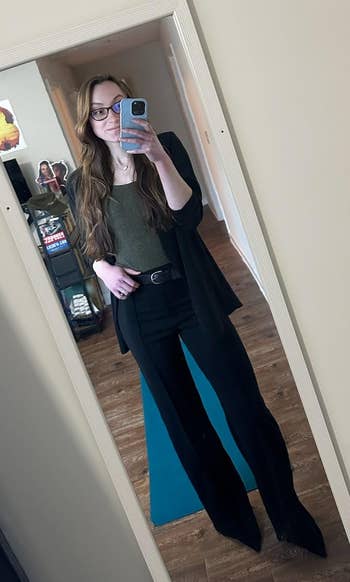
1. Tailored and Professional Wear
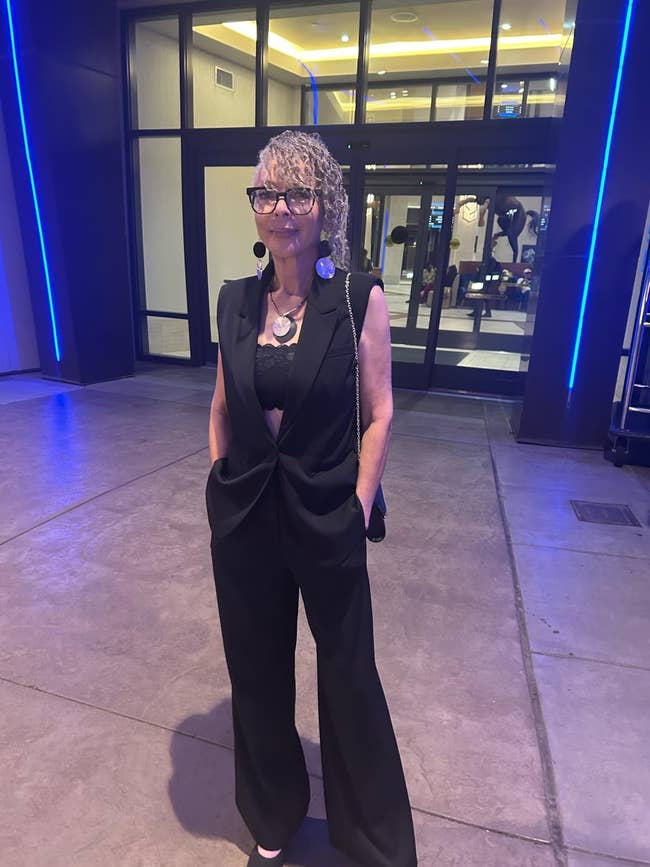
- Oversize Two-Piece Suit Set: Priced from $69.99, this set features a sleeveless vest and wide-leg trousers. Available in sizes S–XXL across 13 colors, it appeals to consumers seeking business-casual attire that bridges professional environments and evening wear.
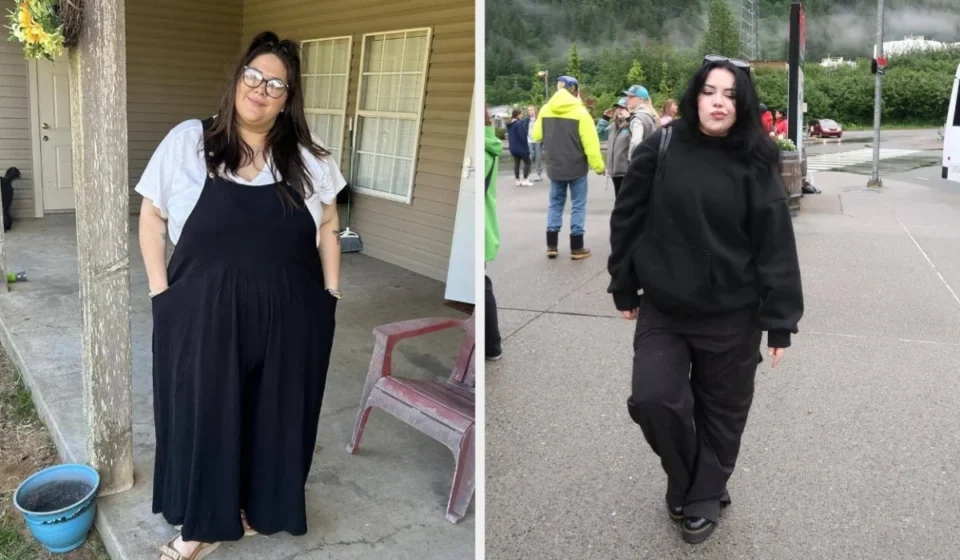
- Stretchy High-Waisted Dress Pants: Retailing at $28.99+, these trousers combine the comfort of athletic leggings with a sleek aesthetic. Notably, they offer inclusive sizing from S to 7X and come in 34 colors and patterns, addressing a critical market demand for size inclusivity in office wear.
- Satin Bow-Tie Blouse: Priced at $32.99+, this vintage-inspired top offers wrinkle-resistant fabric in sizes XS–XL, frequently cited by buyers as a versatile layering piece for corporate or casual styling.
2. Transitional Layering Essentials
- Mock Turtleneck with Lettuce Trim: At $9.99+, this lightweight layering top (available in sizes S–XXL and 24 colors) represents the ultra-budget category, heavily praised for its utility under vests and overalls during transitional weather.
- Mesh Long-Sleeve and Short-Sleeve Tops: Ranging from $6.99 to $18.99, sheer mesh and polka-dot patterned tops provide a delicate, high-fashion look that functions both as a standalone statement piece and a functional base layer.
- Mockneck Long-Sleeve Bodysuit: Priced at $19.98+ in sizes XS–3XL, this staple addresses a primary consumer pain point: garments coming untucked throughout the day. Reviewers frequently note its comfort and full-coverage design compared to traditional thong-cut alternatives.
3. Loungewear and Active-Adjacent Apparel
- Crossover-Waist Flare Leggings: Retailing at $29.99+, these "buttery-soft" yoga pants feature a V-shaped crossover waistband and flare cut. Available in sizes XS–XXL across four lengths and 34 colors, they demonstrate how athletic wear has successfully crossed over into everyday streetwear.
- Trendy Queen Oversize Hoodie: Priced at $29.99+ with sizing extending from XXXS to 5XL, this fleece-lined sweatshirt achieved viral status on social media due to its heavy-weight feel and comparisons to high-end athletic brands.
- Cargo-Style Joggers: At $35.98, these quick-drying, multi-pocket hiking and work pants cater to outdoor enthusiasts and professionals seeking utility without sacrificing comfort, available in sizes XS–3X.
Official Industry Responses and Market Implications
Retail analysts and industry insiders have noted that the success of these budget-to-mid-tier e-commerce products signals a permanent shift in consumer purchasing psychology.

According to retail consumer advocates, shoppers are increasingly rejecting the false dichotomy between affordability and quality. Market researchers point out that modern apparel buyers demand multi-functional items—garments that transition seamlessly from the office to the gym, or from summer wear to autumn layering—to maximize cost efficiency amid broader economic pressures.
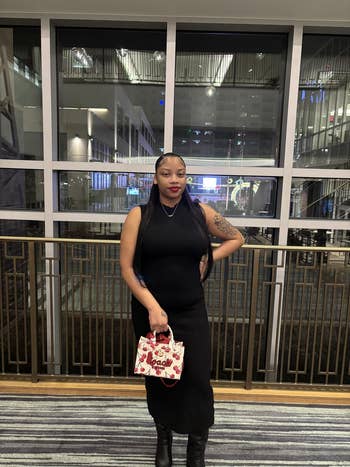
Furthermore, brands that have expanded their sizing portfolios (such as offering up to 7X or extended inseams) have experienced significantly higher retention and positive customer review metrics. The democratization of fashion via direct-to-consumer platforms has also placed pressure on traditional brick-and-mortar retailers to increase transparency, offer inclusive sizing, and accelerate their supply chains to compete with agile online marketplaces.

Conclusion
The current renaissance of online apparel shopping proves that everyday consumers are no longer willing to compromise comfort for style, nor are they willing to overpay for foundational wardrobe staples. Whether through viral oversized hoodies, size-inclusive professional trousers, or versatile layering basics, the modern fashion consumer is utilizing digital reviews and data-driven purchasing to build a highly functional, cost-effective wardrobe tailored for a fast-paced, multi-faceted lifestyle.