The Evolution of Everyday Style: How Capsule Wardrobes and Cross-Season Apparel are Redefining Consumer Spending

Main Facts
The retail and fast-fashion landscape is undergoing a permanent structural shift. Driven by economic realities, shifting consumer preferences toward sustainability, and the lingering influence of hybrid work models, shoppers are increasingly prioritizing versatility, comfort, and longevity over rapid trend adoption. According to recent market analysis and curated retail roundups from major platforms like BuzzFeed Shopping, everyday consumers are gravitating toward cross-season capsule pieces—garments that seamlessly transition from the heat of summer to the crisp chill of autumn and winter.
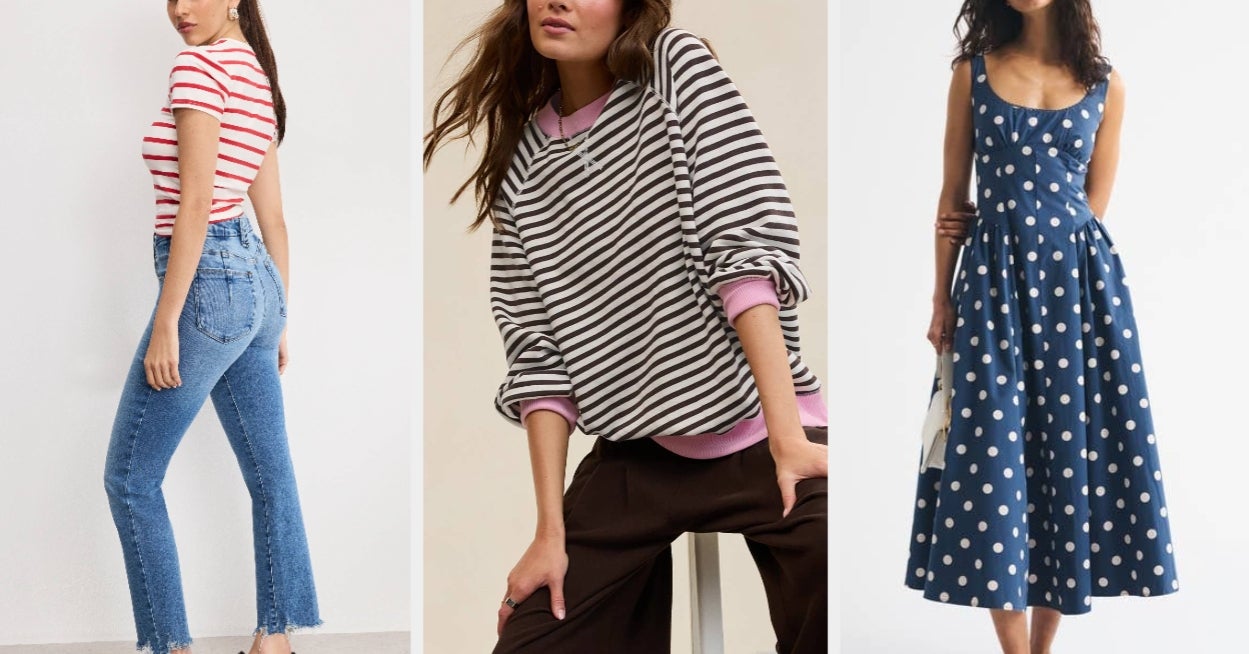
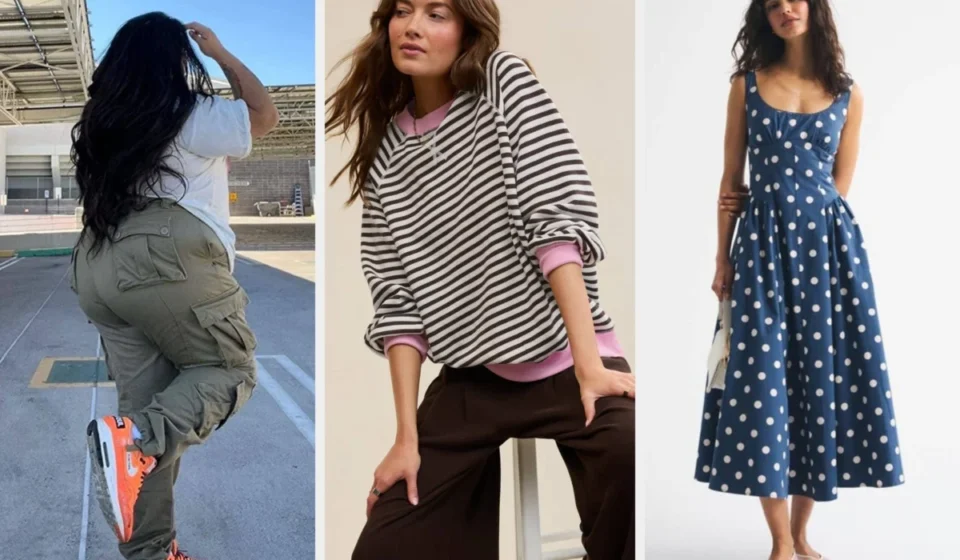
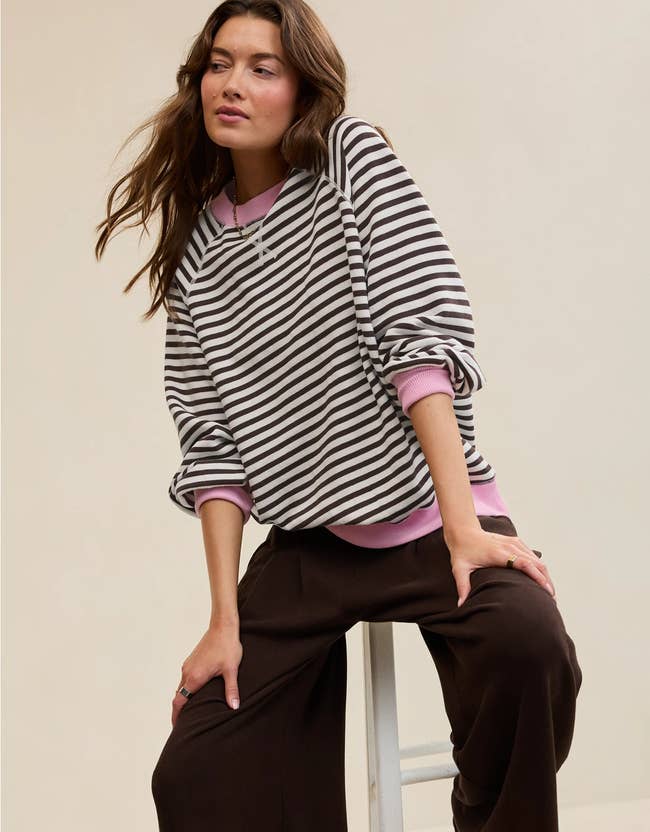
Key pieces leading this retail trend include oversized crewneck and boyfriend sweatshirts, high-waisted cargo pants, structured blazers, denim midi dresses, and adaptable layering staples like silky satin midi skirts and lightweight turtlenecks. Rather than purchasing disposable, single-wear outfits for micro-trends, shoppers are investing in foundational building blocks. Brands ranging from mass-market retailers like Amazon and Aerie to premium names like Abercrombie, Anthropologie, and Good American are reporting unprecedented demand for apparel that bridges the gap between casual comfort and professional polish.
Chronology
- The Fast-Fashion Boom (Early 2010s–2020): Fueled by social media algorithms and ultra-fast manufacturing cycles, consumer habits leaned heavily toward high-volume, low-cost clothing meant for limited wear. Trends cycled in a matter of weeks.
- The Pandemic Paradigm Shift (2020–2022): Lockdowns and the normalization of remote work redefined consumer priorities. Comfort became the primary driver of apparel sales, leading to the normalisation of athleisure and oversized silhouettes in professional and casual settings alike.
- The Post-Pandemic Economic Tightening (2023–2024): As inflation rose, consumer spending habits evolved. Shoppers began looking for higher cost-per-wear value, sparking a massive resurgence in "capsule wardrobe" building and multi-season layering pieces.
- The Current Landscape (2025–2026): The intersection of TikTok-driven viral fashion items and practical utility has created a market where pieces must serve multiple functions. Consumers demand items that transition from Zoom meetings to weekend errands, prompting brands to engineer hybrid garments—such as bra-free midi dresses, open-stitch transitional hoodies, and adjustable-length balloon jeans.
Supporting Data and Market Trends
The financial viability of cross-season wardrobe curation is backed by shifting consumer data and high-volume product reviews across major e-commerce ecosystems:
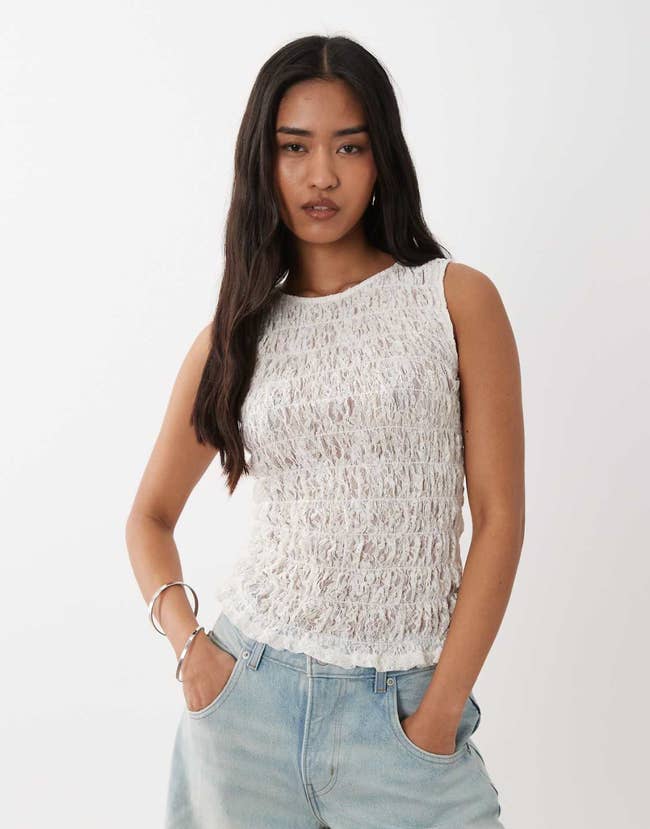
- Denim and Bottoms Utility: Long, baggy denim shorts ("jorts") and straight-leg trousers are no longer restricted to summer months. Reviewers on platforms like Amazon note that these pieces easily bridge three to four seasons when paired with boots, tights, or layering jackets. Similarly, adjustable balloon jeans and high-waisted cargo pants continue to dominate viral sales charts due to their unisex appeal and multi-functional pocket designs.
- Price Point Flexibility: The market caters to a broad economic spectrum, featuring entry-level items like Amazon’s $9.95 cropped twist tees alongside investment pieces like Good American’s $169 Sculpting Straight-Leg Jeans and J.Crew’s $98 rollneck quarter zips.
- The Rise of "Heritage Grunge" and Comfort-First Workwear: Shoppers are actively replacing stiff, traditional fabrics with ultra-soft alternatives. For instance, relaxed plaid button-downs from brands like Anthropologie are being collected in multiple colors by consumers leaning into a trend dubbed "heritage grunge." Meanwhile, office-appropriate items like mid-rise pull-on pants (featuring elastic waistbands designed to accommodate all-day wear) and breathable layering turtlenecks from Eloquii highlight the demand for professional aesthetics without physical discomfort.
Official Responses and Industry Perspectives
Retail analysts and shopping editors emphasize that this shift is rooted in service journalism and consumer advocacy rather than mere commercial push.

"BuzzFeed Shopping is service journalism first: our writers and editors spend all day shopping so you don’t have to," notes the editorial team behind recent retail roundups. "We center readers over revenue, recommend products with authenticity, and reflect our diverse audience, inclusive of a variety of price points, people, and needs."

Brands are actively responding to this feedback loop. By highlighting authentic customer reviews—such as shoppers praising garments for being breathable in extreme heat while remaining sturdy enough for layering—retailers are leaning into transparency. Feedback regarding sizing accuracy, fabric breathability, and true multi-season utility has become central to how brands market their inventory, ensuring that pieces are purchased for long-term utility rather than impulse gratification.
Implications
The widespread embrace of cross-season capsule dressing carries significant implications for the fashion industry, consumer economics, and environmental sustainability:
- Environmental and Sustainability Impact: By moving away from disposable micro-trends toward versatile, high-quality garments (such as multi-way dresses, adjustable-length trousers, and classic denim jackets), consumers are inherently lowering their textile waste footprint. Clothes designed to last across multiple seasons reduce the velocity of fast-fashion landfill accumulation.
- Economic Efficiency for Consumers: With persistent economic pressures, shoppers are exercising greater financial scrutiny. Purchasing a $35 boyfriend sweatshirt or a $45 oversized denim jacket that functions across spring, autumn, and winter offers a significantly lower cost-per-wear ratio compared to buying seasonal-specific wardrobes.
- The Redefinition of Dress Codes: The boundaries between professional, casual, and athletic wear continue to blur. Items like stretchy running tights with hidden pockets, silky satin midi skirts, and structured blazers that comfortably accommodate hoodies underneath prove that modern consumers refuse to sacrifice comfort for style. The future of fashion belongs to garments that adapt to the wearer’s lifestyle, rather than forcing the wearer to adapt to rigid stylistic constraints.