The Death of the Follower Count: How Discoverability, AI, and Micro-Communities Are Rewriting the Social Media Playbook

GLOBAL — For over a decade, the anatomy of social media marketing was governed by a straightforward, repetitive formula: chase followers, scale reach, drive engagement, convert sales, and demand a larger budget to rinse and repeat. Brands treated follower counts as the ultimate vanity metric and trust signal, building massive digital fan clubs under the assumption that a larger audience guaranteed commercial success.
That playbook is now officially obsolete.
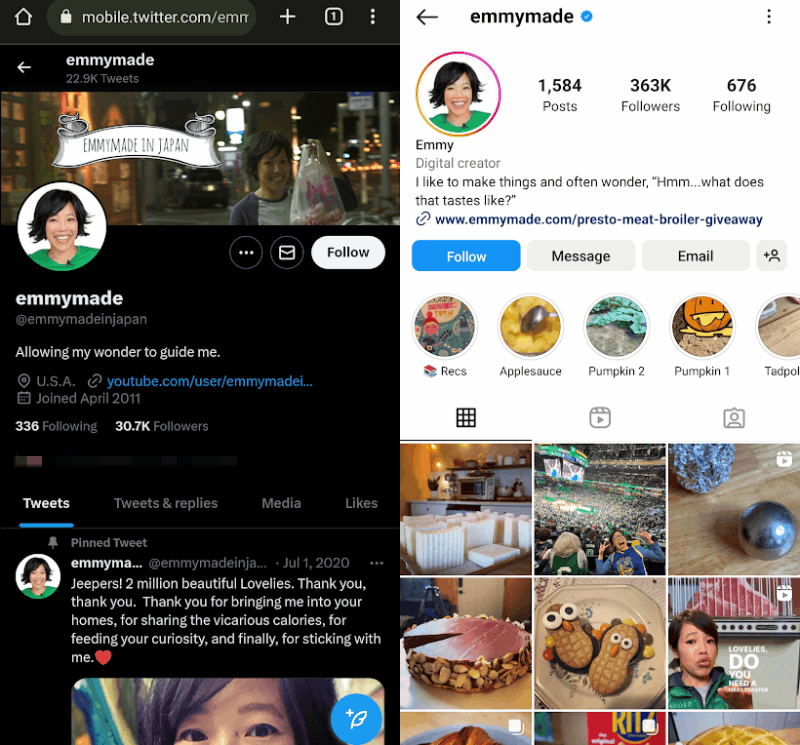
Driven by the seismic shift from chronological timelines to algorithmic recommendation feeds, modern social media networks have decoupled audience size from content distribution. Today, a single post can rack up hundreds of thousands of views from non-followers—often vastly eclipsing the number of existing subscribers who see it. In this new ecosystem, relevance has entirely dethroned audience size, transforming the foundational mechanics of how brands, creators, and consumers interact online.
The Chronology of a Paradigm Shift: From Network Feeds to Discovery Engines
To understand how modern social media arrived at this post-follower era, it is necessary to trace the technological evolution of the past decade:
- The Chronological Era (Pre-2018): Social networks functioned primarily as networking tools. Visibility was strictly gated by subscription; if a user did not explicitly click "Follow," they had virtually zero chance of seeing a brand’s organic post. Follower count was a direct proxy for market share.
- The Rise of the Recommendation Engine (2018–2022): Platforms like TikTok popularized the "For You" page, shifting power away from social graphs and into machine-learning algorithms. Content distribution began prioritizing user interest over follower status.
- The Omnichannel Discovery Boom (2023–2025): Social search (SOSEO) matured. Users increasingly bypassed traditional search engines to look for travel recommendations, product reviews, and lifestyle tips directly inside TikTok and Instagram. Platforms responded by heavily optimizing in-app search functionality.
- The Convergence of AI and Search (2026 and Beyond): Traditional search engines (like Google) and Answer Engine Optimization (AEO) tools (such as ChatGPT, Claude, and Gemini) began directly indexing short-form video tabs and social discussions (from networks like Reddit and LinkedIn). Social content evolved from ephemeral feeds into permanent, searchable digital assets.
Algorithmic Feeds and the Death of the Follower Metric
The modern social media landscape is defined by algorithmic recommendation feeds. Features like Instagram’s Reels tab and TikTok’s For You page rely on machine-learning models that evaluate user intent, engagement velocity, and topical relevance rather than existing account subscriptions.
Data underscores this fundamental reality. Internal platform metrics show that over 70% of total content views originate from non-followers roughly 60% of the time. Consumer behavior has rapidly adapted to this architecture. Recent survey data reveals that only 17% of users check an influencer’s follower count before deciding to follow them or trust their recommendations.
Consequently, follower counts are no longer a reliable trust signal or a valid performance metric. When evaluating brand partnerships or creative collaborators, marketing teams in 2026 are finding that topic relevance, content quality, and organic engagement rates are vastly superior predictors of commercial success. In fact, seasoned digital strategists note that the only time a massive follower count warrants scrutiny is when it suggests artificially inflated or low-engagement metrics.
Supporting Data: The Anatomy of Modern Consumer Trust
Recent consumer research conducted by Panoplai highlights a profound shift in consumer psychology away from mega-celebrity endorsements and toward localized authenticity.

Key Statistical Insights:
- Creator Scale vs. Conversion: Buyers are significantly more likely to make a purchase based on a recommendation from a niche creator compared to a mega-influencer (21% versus 15%, with approximately 33% reporting no preference).
- The Rise of Employee Advocates: Employee-generated content now successfully drives product discovery at least monthly for 40% of all consumers—a figure that surges to 62% among Gen Z shoppers.
- Authenticity Requirements: An overwhelming 80% of consumers believe that influencers should genuinely use the products they promote, with 44% demanding that creators be long-term, authentic users before accepting promotional contracts.
- Fair Compensation for Workers: As employee advocacy formalizes, 61% of consumers believe that frontline workers should receive extra financial compensation if their promotional content creation extends beyond normal job descriptions.
Official Responses and Industry Evolution
Major global corporations have begun officially restructuring their marketing and human resources frameworks to capitalize on these new realities, moving away from traditional agency-led mega-campaigns.
Retail giants such as Gap Inc. and Starbucks have pioneered formal cross-brand creator and social advocacy programs. Rather than relying solely on detached marketing teams to script promotional videos, these enterprises are formalizing internal guidelines that empower frontline baristas, retail associates, and stockroom workers to produce authentic content on company time—with creative freedom, clear compliance guardrails, and fair compensation.
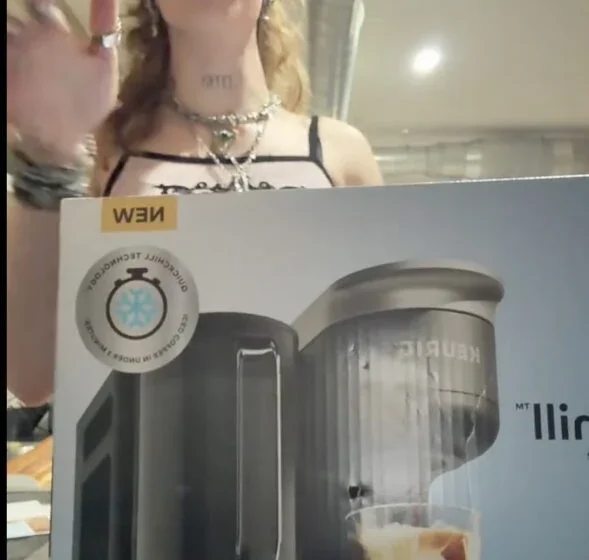
This trend mirrors viral cultural phenomena like the emergence of the "Staples Baddie" on TikTok, where a frontline office-supply employee documented her everyday workplace experiences. The resulting organic virality captured national media attention, ultimately leading to a prominent profile in The New York Times and demonstrating that modern audiences crave unvarnished glimpses into real jobs rather than high-gloss corporate advertisements.
Implications: Navigating Social SEO, AEO, and the Post-Follower Landscape
For digital marketers, brand strategists, and enterprise executives, the operational implications of this shift are profound. Success in the post-follower era requires a comprehensive restructuring of content architecture across three critical pillars:
1. Social Media SEO (SOSEO)
Because social networks now function as primary search engines—particularly among younger demographics—content optimization cannot rely on visual appeal alone. Algorithms parse spoken audio, on-screen text, closed captions, and descriptive metadata to categorize videos. Brands must conduct rigorous keyword research to ensure that the terms their audiences are searching for are explicitly integrated into every layer of a video or post.
2. Omnichannel Discoverability via AEO
The shelf life of social content has expanded dramatically. While posts once vanished into the ether within 24 to 48 hours, the integration of short-form video tabs into traditional search engines (like Google) and the indexing of social networks by AI answer engines (like ChatGPT and Gemini) means that evergreen social content can drive traffic and brand awareness long after its initial publication. A well-optimized video can now go viral multiple times across entirely different digital ecosystems over its lifecycle.
3. Prioritizing Relevance Over Reach
Brands must abandon the pursuit of raw scale. By shifting budgets away from expensive, low-trust mega-influencers and redirecting resources toward micro-communities, niche creators, and compensated internal employee advocates, organizations can build genuine trust and measurable engagement.
Conclusion
The era of building a digital walled garden of followers is over. In a marketplace governed by algorithmic discovery, search engine optimization, and artificial intelligence, brands win by prioritizing discoverability over audience size. Those that adapt to this new reality will find their content distributed further, trusted deeper, and integrated more permanently into the digital fabric of the modern web.
Related posts: