
The Evolution of Travel Logistics: Analyzing Consumer Demand for High-Efficiency Mobility Gear

Main Facts
As global travel rebounds to historic highs and consumers increasingly balance packed vacation itineraries with remote work commitments, the market for travel and transit optimization products has experienced unprecedented growth. Recent market analyses highlight a significant shift in consumer spending toward micro-utility goods—compact, highly functional gear designed to mitigate the friction points of modern transit. According to consumer lifestyle data compiled by digital retail analysts, products addressing common travel pain points—such as luggage weight management, compact garment compression, in-transit ergonomics, and digital organization—have dominated e-commerce sales charts.

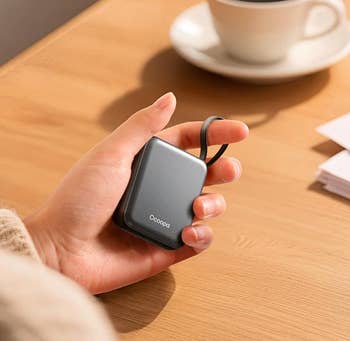
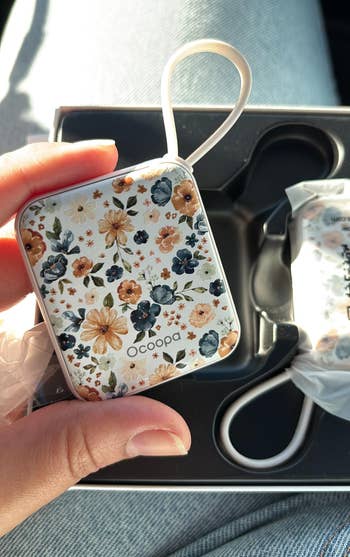
Prominent items capturing consumer interest include modular airplane tray organizers, packable outerwear, rechargeable thermal accessories, and multi-device charging hubs. These products reflect a broader cultural shift toward "hyper-efficiency," where travelers prioritize autonomy, reduced physical strain, and minimized risk of lost baggage. Industry stakeholders note that modern transit infrastructure, marked by tighter baggage constraints, increased airport congestion, and variable regional climates, has fueled an ongoing reliance on aftermarket travel accessories.

Chronology
The surge in popularity for advanced transit and organization tools can be traced through several key phases over the past half-decade:

- 2020–2021 (The Retrenchment Phase): Amid global pandemic restrictions, travel gear manufacturing pivoted toward hygiene-focused and local-travel accessories. Home-office integration and vehicle organization tools gained early traction as road trips temporarily superseded international aviation.
- 2022–2023 (The Rebound and Retribution Phase): As international borders reopened, commercial aviation experienced severe operational disruptions, lost baggage spikes, and heightened security delays. This period catalyzed demand for personal item trackers (such as Apple AirTags and Tile), handheld luggage scales, and carry-on compression solutions.
- 2024–2025 (The Mainstream Consolidation Phase): Consumers began demanding multi-functional, lightweight gear that could transition seamlessly between leisure and remote work environments. Products like 3-in-1 magnetic wireless chargers, wearable hip carriers, and collapsible electronics organizers shifted from niche gadgets to standard travel staples.
- 2026 (Current Landscape): Retail curations—including annual product awards and expert-vetted shopping roundups—have formalized these items as essential consumer goods, emphasizing durability, cross-utility, and space optimization.
Supporting Data and Market Analysis
Consumer research and verified buyer metrics illustrate the quantitative impact of these mobility and organization tools:
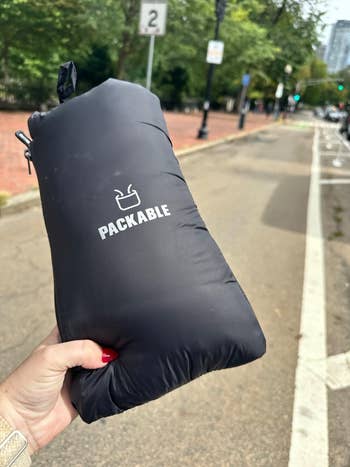
- Space Optimization: Compression bag sets without vacuum requirements have demonstrated the ability to reduce bulky winter wardrobes—such as heavy sweaters and denim—down to a fraction of their original volume, allowing travelers to manage extended trips exclusively out of rolling carry-on luggage.
- Thermal Regulation: Rechargeable hand warmers and temperature-regulating thermal undergarments report sustained battery efficiencies of up to seven to nine hours on mid-tier settings, supporting outdoor excursions in extreme environments such as Iceland or high-altitude mountain ranges.
- Transit Accuracy: Handheld digital luggage scales exhibit high calibration accuracy relative to commercial airline counter scales, effectively eliminating overweight baggage fees for frequent flyers.
- Family Mobility: Dedicated travel lap trays, car seat cup-holder converters, and universal seat harnesses address backseat organization, significantly reducing transit friction during extended family road trips and holiday travel.
Official Responses and Expert Insights
Industry editors, travel professionals, and verified consumers have weighed heavily on the practical applications of these items.

Flight attendants and frequent travelers frequently endorse items like silicone ear pressure regulators ("Earplanes") and modular hanging toiletry bags for their direct mitigation of physiological and logistical stress. Flight crews note that items facilitating quick-access passport management and hands-free hydration (such as luggage drink caddies) drastically improve terminal efficiency.
Furthermore, retail editors emphasize the philosophical shift in product curation: "Service journalism centers the reader first by vetting product claims against real-world conditions rather than relying on glossy advertising copy," notes a leading shopping editorial team. Consumer feedback consistently highlights that the value of these items lies in risk mitigation—preventing lost items, physical fatigue, and unexpected transit expenditures.
Implications
The widespread adoption of high-efficiency travel accessories carries several broad implications for the tourism, retail, and manufacturing sectors:
- Shift Toward Carry-On Culture: With airlines frequently adjusting checked baggage fees and raising overhead bin constraints, travelers are increasingly investing in sophisticated packing tools (compression bags, minimalist apparel, multi-device chargers) to avoid checking bags altogether.
- Increased Demand for Durability and Repairability: Consumers navigating cobblestone European streets, long-haul flights, and demanding outdoor environments are placing a higher premium on lifetime warranties, water-repellent materials, and robust structural integrity.
- The Rise of Ergonomic Wellness: As travel fatigue impacts productivity and leisure enjoyment, physiological support items—ranging from memory foam seat cushions and high-arch insoles to cervical support pillows and medical-grade compression socks—have become standard preventative investments rather than luxury afterthoughts.
- Omnichannel Retail Integration: Direct-to-consumer travel brands and legacy e-commerce platforms are increasingly utilizing real-time peer reviews and expert endorsements to validate product efficacy, shaping a marketplace where transparent, problem-solving utility dictates commercial success.