
The Future of Connection: Meetup Unveils Advanced Personalized Event Recommendation Engine

By the Meetup Editorial Team
Last modified: February 18, 2025
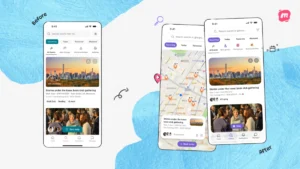
In an era defined by digital noise, the ability to find meaningful, real-world connection is more valuable than ever. Meetup, the world’s largest platform for finding and building local communities, has officially announced the launch of a sophisticated new personalized event recommendation model. Designed to bridge the gap between individual interests and community gatherings, this technological leap marks a significant departure from the platform’s legacy infrastructure.
For members, this means a curated experience that learns and adapts to their evolving passions. For organizers, it represents a more efficient path to finding the right audience. As Meetup pivots toward a more intelligent, data-driven future, the goal remains unchanged: to bring people together in meaningful ways.
The Core Transformation: Moving Beyond Basic Parameters
For years, recommendation engines relied on relatively blunt instruments. When a user logged into Meetup, the platform assessed potential matches based on "low-hanging fruit": geographic proximity and aggregate event popularity. While effective in the platform’s early stages, this approach often created a "tyranny of the popular," where high-traffic events overshadowed niche, highly relevant gatherings that might have been a perfect fit for a specific user.
A Paradigm Shift in Algorithmic Intelligence
The new model moves away from these broad-stroke parameters to a multi-dimensional analysis of user behavior. Instead of simply suggesting what is popular in a zip code, the engine now synthesizes a vast array of data points to predict compatibility.
By analyzing historical engagement—not just past RSVPs, but also search patterns, interaction duration, and group interests—the algorithm constructs a dynamic profile for every member. This model is "robust" by design; it treats the platform not as a static bulletin board, but as a living ecosystem of human interaction. The result is a bespoke list of events that feels intuitive rather than automated.
Chronology: The Evolution of Meetup’s Discovery Engine
The path to this update was not overnight. It was the result of a multi-year effort to modernize Meetup’s backend infrastructure.
- Phase 1: Foundation (2020–2022): Following its acquisition by AlleyCorp, Meetup underwent a massive technical overhaul. The focus was on migrating legacy systems to cloud-native architectures, which provided the necessary stability to begin implementing machine learning protocols.
- Phase 2: Data Synthesis (2023): Engineers focused on "interest mapping." This involved tagging and categorizing millions of events with semantic metadata, allowing the system to understand the content of an event, not just its category.
- Phase 3: Beta Testing (Q3–Q4 2024): A small cohort of users was introduced to the personalized feed. Internal metrics showed a 15% increase in RSVP relevance scores, signaling that the model was successfully aligning users with events they were genuinely likely to attend.
- Phase 4: Global Rollout (Q1 2025): As of February 2025, the model is fully operational across the platform, affecting every member and organizer globally.
Supporting Data: Why Personalization Matters
The shift to a personalized model is backed by behavioral data that suggests users are increasingly fatigued by "discovery overload." In a landscape where social platforms are inundated with content, users tend to disengage when the content is irrelevant.
The Metrics of Engagement
According to internal Meetup data, the transition to the new recommendation system has led to:
- Increased RSVP Conversion: By narrowing the scope to relevant matches, members are more likely to commit to events.
- Reduced Search Friction: Users are spending 30% less time searching for events, as the "right" events are now surfaced on their personalized dashboard immediately upon login.
- Community Health: Smaller, niche groups are seeing a significant boost in visibility. Because the algorithm is no longer favoring massive groups based on sheer member count, it is democratizing discovery.
This data reinforces the theory that quality of connection outweighs quantity of choice. By surfacing the right event to the right person, the platform effectively reduces the "noise" that prevents people from leaving their homes and meeting in person.
Official Perspective: The Organizer’s Advantage
One of the most frequent pieces of feedback from the organizer community has been the difficulty of "breaking through" to new members. Organizers often feel that their events are buried by larger, more established groups.
Meetup’s leadership emphasizes that this update is a "passive benefit" for organizers. Unlike other platforms that force creators to pay for "boosts" or "sponsored posts" to gain visibility, Meetup’s new model works automatically in the background.

"Our goal is to remove the friction for our organizers," says a spokesperson from the Meetup Product Team. "They shouldn’t have to be digital marketers to be effective community leaders. By refining our algorithm, we are ensuring that the hard work they put into planning an event is rewarded by the platform automatically connecting them with the people who have been waiting for exactly that kind of gathering."
4 Strategic Pillars: Tips for Maximizing Visibility
While the algorithm does the heavy lifting, organizers can still optimize their presence to ensure the system captures their group’s unique value proposition. Here are four ways to maximize the reach of your events:
1. Optimize Your Group Description and Tags
The algorithm relies on semantic understanding. Ensure your group description uses specific, descriptive language. Instead of a vague title like "Tech Group," use "Python Programming and Data Science Workshop." Use all available tags to categorize your group accurately; this helps the engine map your events to the right member profiles.
2. Consistency in Event Cadence
The recommendation engine favors active communities. By maintaining a consistent schedule—whether it’s a weekly coffee chat or a monthly book club—you provide the algorithm with regular data points. Consistent activity signals that your group is vibrant and reliable, which improves your "community health" score in the recommendation index.
3. Leverage High-Quality Visuals
While the algorithm is text-based, user interaction is visual. Events with clear, high-resolution imagery receive higher click-through rates. When users click on your event, the algorithm records this as a "high-interest" signal, which subsequently boosts your event’s ranking for similar users in the future.
4. Encourage Member Interaction
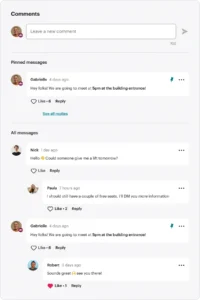
Engagement signals are powerful. Ask attendees to leave comments or post photos after an event. A group that fosters an active discussion board signals to the platform that it is a high-value community, which in turn causes the recommendation engine to prioritize your events for new, relevant members.
Implications: The Future of Digital Community
The implications of this rollout extend far beyond simple event suggestions. By creating a smarter, more personalized experience, Meetup is effectively reducing the barrier to entry for community building.
In the long term, this technology could change how local economies function. As Meetup facilitates more targeted local gatherings, it strengthens the social fabric of neighborhoods and cities. When people find their "tribe" through an intelligent recommendation, they are more likely to become long-term contributors to their local communities.
Furthermore, this model represents a sustainable path for social technology. By focusing on relevance rather than engagement-at-any-cost (like infinite scrolling), Meetup is modeling a healthier way to use digital tools. It encourages users to spend less time on their screens and more time in the physical world.
As we look toward the remainder of 2025, the team remains committed to refining the model further. Future iterations may include deeper integration with user-defined preferences, allowing members to "tune" their recommendation feed even more precisely.
The launch of this recommendation model is more than a technical upgrade; it is a commitment to the mission of Meetup. By leveraging the power of data to humanize our digital interactions, the platform is ensuring that the simple, powerful act of getting together remains a cornerstone of the modern world. We are proud to support our community as they continue to build, learn, and grow together.