
In the intersection of fine art, interior design, and sustainable entrepreneurship, few figures bridge the gap with as much fluidity as Price Latimer. As the co-founder of Alkemis Paint, Latimer has translated a lifelong obsession with color, geology, and creative history into a disruptive force within the design industry. Her journey, which spans from the arid plains of the Texas Panhandle to the high-stakes galleries of Los Angeles and New York, is a testament to the power of a curated aesthetic sensibility.
This week, Latimer joins the Friday Five to share the pillars of her creative world, offering a glimpse into the inspirations that fuel her mission to redefine how we color our built environments.
The Formative Years: A Canvas in the Panhandle
Price Latimer’s aesthetic foundation was laid in the most unlikely of places: the Amarillo Museum of Art. Growing up just doors away from the institution, her early childhood was defined by the silent, profound influence of masters like Georgia O’Keeffe, Larry Bell, and Louise Nevelson.
“Both of my grandmothers would frequently wheel me over in my pram before I could walk, and let me stare for what felt like hours at the permanent collection there,” Latimer recalls. This early, almost sensory immersion into high art established a baseline for her understanding of form and color—a sensitivity that would later become the bedrock of her professional endeavors.

Academic and Professional Trajectory
Latimer’s formal training at the Rhode Island School of Design (RISD) served as the crucible for her creative identity. During her time in New York City, she moved from the academic sphere into the avant-garde art world, working for neo-conceptual artist Peter Halley. Her contributions to his publication, Index, allowed her to apply her burgeoning creative touch to the media landscape, bridging the gap between artistic theory and editorial practice.
Her career path remained eclectic, reflecting a restless, entrepreneurial spirit. After relocating to Los Angeles, she pivoted through several creative roles, including a stint as the chief creative officer for a pizza restaurant—a venture that proved she could apply design thinking to any sector. Later, her tenure at Italian furniture powerhouse Kartell provided her with the technical experience of furnishing large-scale institutional and commercial spaces, setting the stage for her most ambitious venture yet.

The Birth of Alkemis Paint: A Material Revolution
In 2021, driven by a desire to marry aesthetic excellence with environmental stewardship, Latimer co-founded Alkemis Paint alongside Maya Crowne. The company represents a significant shift in the interior finish industry, moving away from the toxic, petrochemical-heavy standards of the past.
The Science of Color
Alkemis Paint is formulated with clear quartz, combined with proprietary mixes of pigments and minerals. This isn’t just about paint; it is about geological integrity. By utilizing natural components, the brand achieves a depth of color and light refraction that synthetic alternatives struggle to replicate.

“Our mission is to keep harmful petrochemical-based paint out of our oceans and waterways,” Latimer explains. This commitment is deeply personal, stemming from her decades-long passion for scuba diving and her intimate connection to fragile marine ecosystems. For Latimer, the product is a manifestation of her values: a high-end design material that respects the planet.
Friday Five: The Inspirations of Price Latimer
To understand Price Latimer’s vision, one must look at the five distinct influences she identifies as central to her creative philosophy.

1. The Provocations of Leigh Bowery
At the Tate Modern, Latimer encountered the work of Leigh Bowery, a figure she describes as one of her all-time favorites. Bowery, a staple of the 1980s London nightlife, operated as a living sculpture. By blurring the lines between performer, model, and designer, he challenged societal norms regarding gender and aesthetics. For Latimer, Bowery represents the courage to treat one’s identity as a constantly evolving canvas—a philosophy she brings into her work with color and texture.
2. The Geological Wisdom of Palo Duro Canyon
Returning to her roots, Latimer highlights Palo Duro Canyon. As the second-largest canyon in the United States, its history is etched in layers of siltstone, shale, and gypsum. Its oxidized reds, lavenders, and yellows aren’t just colors; they are the geological archive of the Texas Panhandle. Her appreciation for this landscape directly informed the creation of Alkemis Paint’s "Hoodoo 53," a colorway that captures the raw, earthen beauty of her childhood home.

3. Walter de Maria’s The Lightning Field
Located in the high desert of New Mexico, this land art installation remains a spiritual touchstone for Latimer. Consisting of 400 stainless steel poles arranged in a precise grid, the work invites visitors to sit in the vast silence of the landscape. It is a lesson in minimalism, scale, and the profound intersection of human intervention and the natural environment.
4. The Underwater Kingdom: A Call to Conservation
Latimer’s obsession with scuba diving serves as a reminder of the fragility of our world. "Being able to temporarily experience the unique, kaleidoscopic sea creatures… makes it all the more poignant and urgent that we must protect, defend, and preserve this fragile and irreplaceable ecosystem," she notes. Her commitment to ocean conservation is not merely a brand mission; it is an existential priority.

5. Yoko Ono’s Cleaning Piece III
From Ono’s Acorn, this thought experiment serves as a mantra for Latimer. It is a meditation on kindness, compassion, and the act of removing negativity from one’s life. It reflects the empathy Latimer brings to her leadership at Alkemis, where she fosters a culture of kindness as much as one of innovation.
Collaborative Milestones: Putting Theory into Practice
Latimer’s influence extends well beyond the residential paint can, as evidenced by her firm’s high-profile collaborations with major cultural institutions.

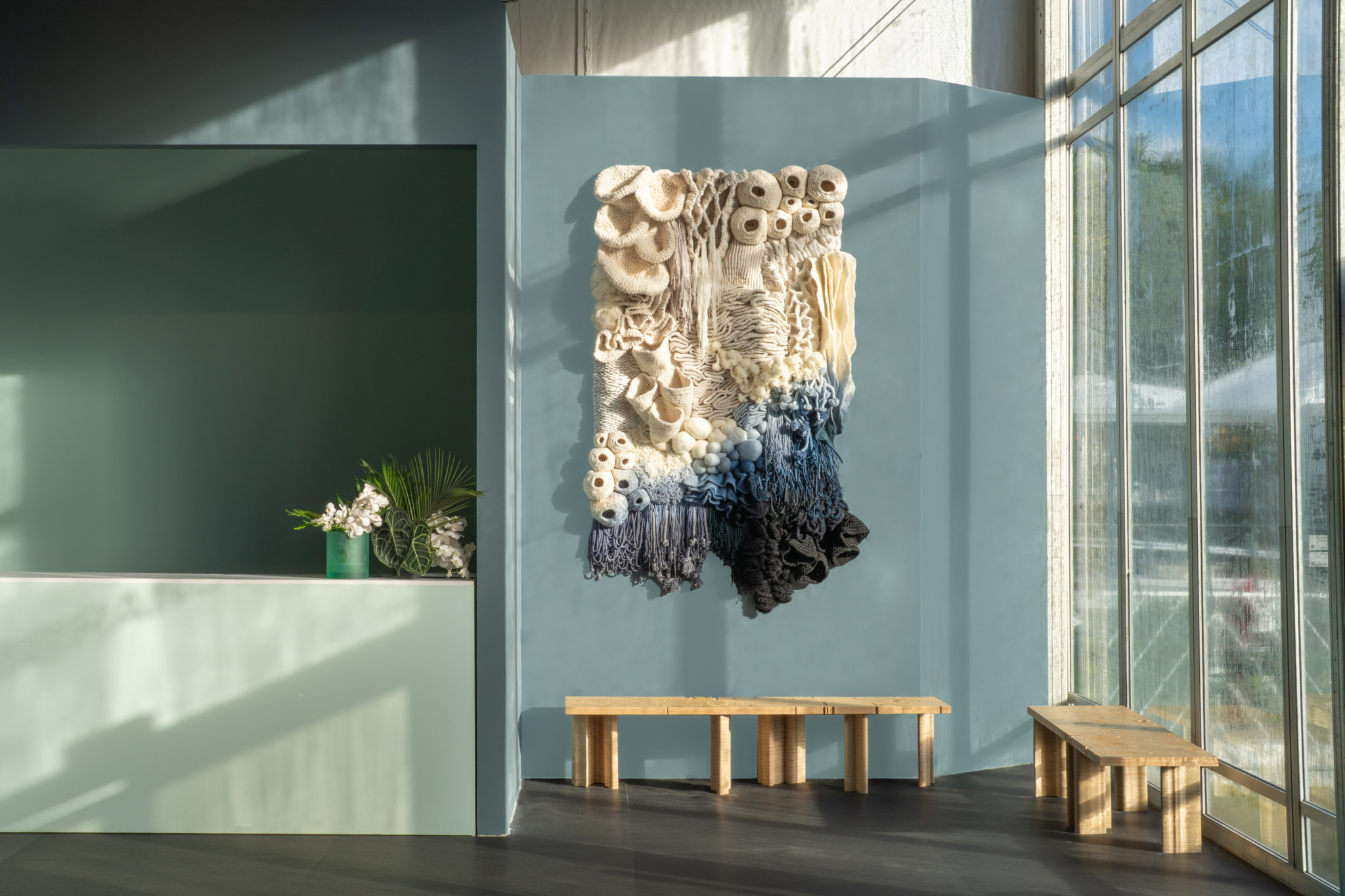
- RISD Museum: Collaborating on the Liz Collins: Motherlode exhibition allowed Latimer to return to her roots. The paint palettes were designed to complement Collins’ radical fiber art, proving that paint can be an active participant in an exhibition’s narrative.
- Design Miami: For three consecutive years, Alkemis has helped define the visual atmosphere of the fair. By working with curators to harmonize wall colors with avant-garde furniture, the brand has proven that environmental paint can meet the rigorous aesthetic standards of the global design elite.
- Objects USA and R & Company: In this exhibition, Latimer utilized gradient painting techniques to move away from the "white box" gallery aesthetic. By using color to guide visitors through a chronological history of American design, she successfully demonstrated how paint can act as an architectural tool.
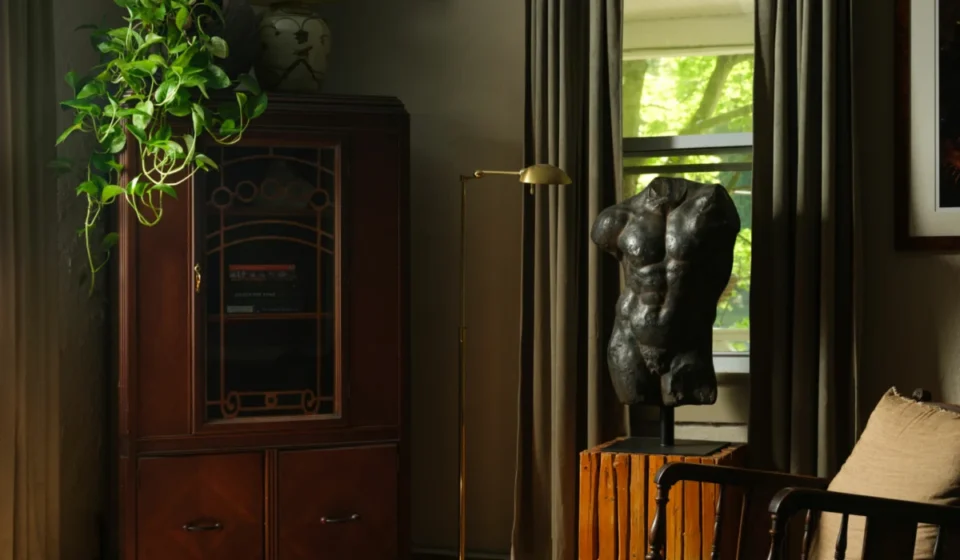
- Joe Kramm’s Farmhouse: Beyond the commercial space, Alkemis proves its versatility in high-end residential projects, such as this 1902 Pennsylvania farmhouse, where the brand’s mineral-rich paints create a warm, organic backdrop for interior photography.
- Roberto Lugo: Latimer has found inspiration in the work of ceramicist and activist Roberto Lugo. Supporting his exhibitions with a vibrant color backdrop has been a professional highlight for her, underscoring her commitment to uplifting artists who center social justice in their work.
Implications for the Future of Design
The work of Price Latimer and Alkemis Paint suggests a significant shift in the design industry: a move away from the "disposable" or "toxic" toward the "permanent" and "biological." By grounding a commercial product in the history of art and the science of the earth, Latimer is not just selling paint; she is selling a way of living.
As the industry moves toward more sustainable practices, companies like Alkemis serve as a blueprint. They demonstrate that professional-grade quality and aesthetic ambition do not have to come at the cost of the environment. For Latimer, the journey from the Amarillo Museum of Art to the forefront of sustainable interior design is complete, yet the mission remains the same: to find beauty in the offbeat, the hidden, and the natural, and to share that vision with the world.