The Future of the Frontier: Denali’s Sled Dogs and the National Park Funding Crisis

As of September 2026, a high-stakes fiscal standoff between the Trump Administration and the National Park Service (NPS) has cast a long shadow over one of America’s most iconic wilderness traditions: the sled dog teams of Denali National Park & Preserve. While the administrative maneuvers are playing out in Washington, the impact is being felt acutely in the subarctic silence of the Alaskan interior, where the survival of a century-old program now hangs in the balance.
The Vital Role of Denali’s Working Canines
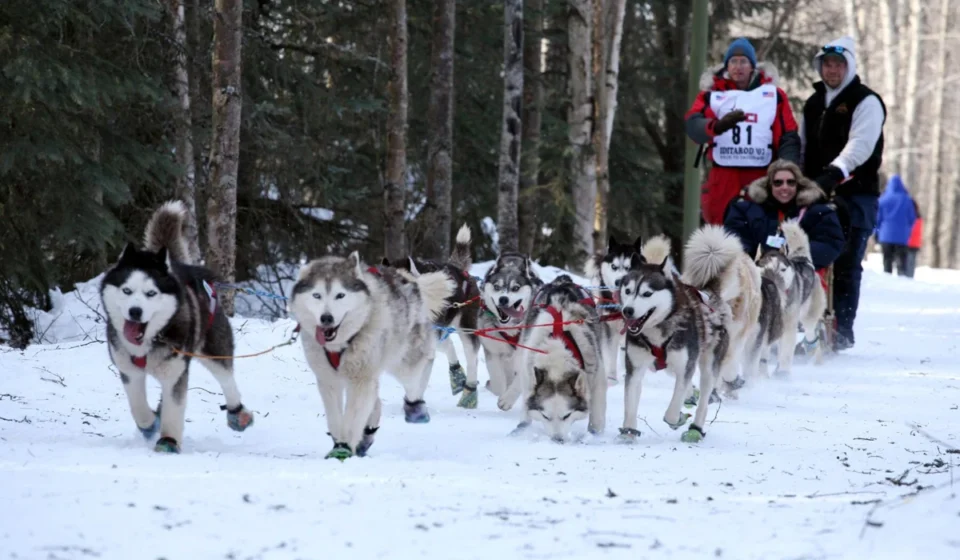
In the vast, rugged expanse of Denali, the "modern" world often fails to penetrate. While snowmobiles and aircraft are standard in many areas of the United States, large swaths of Denali are designated as wilderness, where motorized vehicles are strictly prohibited. In these frozen reaches, the 30 working sled dogs stationed at the park are not merely a tourist attraction; they are an essential utility.
These dogs serve as the backbone of winter operations. Rangers rely on them to traverse the deep backcountry, patrolling land use, transporting scientists to remote research stations, and hauling heavy equipment for infrastructure projects that would be impossible to reach via any other method.
The biological efficiency of the sled dog is unrivaled in Arctic conditions. Bred for millennia for endurance and cold-weather resilience, these dogs can sleep outdoors in extreme temperatures and subsist on food stores that are easily preserved and packed. When the mercury drops and the landscape turns into an impassable tundra of ice and snow, the sled dog team remains the only reliable, sustainable, and ecologically sound mode of transportation available.
Chronology of the Funding Dispute
The current crisis began in early September 2026, when the Trump Administration moved to block $25 million in federal grants earmarked for partnership agreements across the National Park System.
- Early September 2026: The Interior Department announces the cancellation of approximately 70 partnership agreements, primarily those facilitated through the conservation nonprofit The Great Basin Institute.
- September 11, 2026: The Washington Post reports that the move is part of a broader shift in administration priorities, citing internal directives to redirect taxpayer dollars away from organizations deemed to be working against the administration’s goals.
- Mid-September 2026: The impact is calculated at the park level. For Denali, the cut specifically eliminates the funding for three essential park staffers—the handlers responsible for the daily care, feeding, and training of the sled dog corps.
- Late September 2026: Advocacy groups and former park officials begin to sound the alarm, warning that the loss of these specialists will create a "care vacuum" that could force the suspension of the program for the upcoming winter season.
Supporting Data: Why the Program Matters
The significance of Denali’s sled dog program extends beyond logistics; it is a vital piece of American heritage. The program is over 100 years old, dating back to the earliest days of park management in Alaska.
Historically, the preservation of the sled dog breed was a primary motivator for the development of the sport of dog mushing and the legendary Iditarod Trail Sled Dog Race. At a time when motorized vehicles threatened to render the sled dog obsolete, these programs preserved the genetic lineage and the specialized skills of these animals.
The NPS Puppy Cam, funded independently by a nonprofit, offers a window into the future of this program. This year, in celebration of the country’s 250th anniversary, the litter of new puppies was named after iconic national parks: Sequoia, Mammoth, Rainier, Teton, and Mesa. These animals represent a multi-generational commitment to wilderness stewardship. When the funding for their handlers is cut, it is not just a budget line that suffers; it is the continuity of a training cycle that requires years of specialized knowledge to maintain.
Official Responses and the Administrative Stance
The Interior Department has been blunt regarding the rationale behind the funding blocks. Spokesperson Aubrie Spady characterized the canceled contracts as entities that were "actively working against the best interests of the American people."
"This decisive action is ensuring that these taxpayer dollars are being used in alignment with the administration’s objectives to make life more affordable for Americans, unleash domestic energy production, and expand access to our public lands," Spady stated.
However, the administration’s focus on "expanding access" appears to be at odds with the functional reality of parks like Denali, where the restriction of motorized vehicles is the very mechanism that protects the wilderness character that draws millions of visitors annually. By cutting ties with organizations like The Great Basin Institute, which provides specialized labor, the administration has inadvertently crippled critical infrastructure projects—including wildfire preparation, rodent control in historic buildings, and the protection of prehistoric Native American burial sites—across parks including Yosemite, Zion, and Joshua Tree.
The Long-Term Implications of the Cuts
The core issue facing Denali’s sled dogs is one of "institutional atrophy." Experts warn that the suspension of the handler program—even if the funding were to be reinstated by a future administration—could result in irreversible damage.
1. Loss of Institutional Knowledge
Professional sled dog handling is a highly specialized craft. The three staffers whose positions are now unfunded possess years of experience in canine health, winter survival, and backcountry logistics. Once these employees are forced to leave for other positions, that knowledge base is lost.
2. The Welfare Crisis
Sled dogs are not merely equipment; they are living, working animals that require consistent, professional care. A reduction in staffing levels creates an immediate animal welfare concern. The dogs must be trained daily, their diet managed, and their physical health monitored to survive the harsh Arctic winters. If the program is "paused," the animals themselves may need to be relocated or retired prematurely, effectively ending the legacy of the current pack.
3. Impact on Park Operations
If the dogs cannot be used, the NPS will be forced to either cease operations in the deep backcountry during winter or attempt to find alternative methods. Given the ban on motorized vehicles in much of the park, the only remaining options are cross-country skiing or snowshoeing, which are physically demanding and significantly less efficient for hauling the heavy equipment required for maintenance and scientific research.
4. A National Pattern
The cuts in Denali are emblematic of a wider struggle within the National Park Service. By targeting "outside contracts," the administration has effectively bypassed the federal payroll to achieve deep budget cuts. However, these contracts were designed to fill roles that the federal government does not have the administrative flexibility to staff directly. From removing hantavirus-carrying rodents in Joshua Tree to protecting endangered snake species in California, the ripple effect of these cancellations is creating a maintenance backlog that will take years—if not decades—to repair.
Conclusion: A Fragile Future
As winter approaches in Alaska, the silence in the Denali kennels is becoming a matter of national concern. The dogs, bred for the endurance of the trail, now wait for a resolution that remains mired in political volatility. Whether this program survives will be a testament to the nation’s commitment to its "best idea"—the National Park System—and its willingness to protect not just the landscapes themselves, but the traditional, living practices that keep them accessible and preserved for the next generation.
For now, the Puppy Cam continues to broadcast, showing the newest generation of rangers-in-training. Whether they will ever see the snow-covered trails of Denali as working dogs remains an open question, held in the balance of a political dispute that feels worlds away from the pristine, frozen wilderness of the far north.